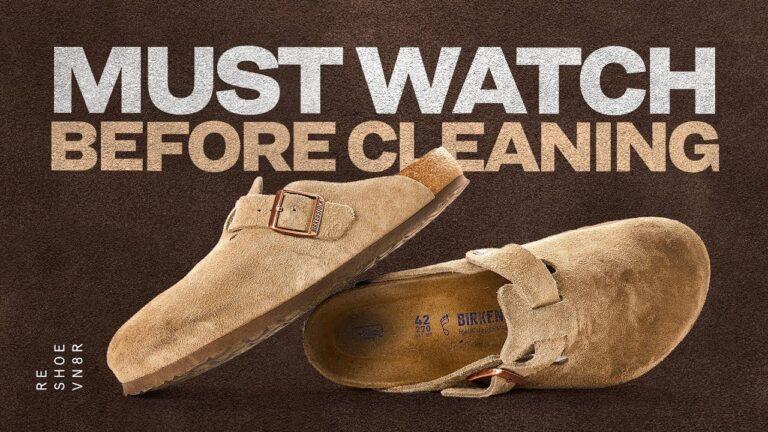
Got a stubborn stain on your favorite Birkenstock clogs? I’ve been there—and it’s tough to see your go-to shoes look less than perfect.
Good news: you don’t need to retire them. In this guide, I’ll walk you through simple, proven ways to remove stains and refresh your clogs. These are practical steps I use on my own pairs and recommend to friends. You’ll save time, money, and avoid buying new shoes before you have to.
Your Birkenstocks deserve a second chance—and you’re just a few steps away from making that happen.
Identify The Stain Type
Identifying the type of stain on your Birkenstock clogs is the first step to removing it effectively. Different stains need different care. When you know the stain, you can choose the right cleaner and avoid damage. It also saves you from repeating steps that won’t work.
Common Stains On Birkenstocks
Birkenstock clogs often pick up dirt and dust from daily wear. Mud and grass streaks are common after a walk. Food drips like ketchup, coffee, or chocolate leave dark spots. Oil and grease can come from the kitchen or bike chains. Ink from pens or markers is sneaky and can set fast. Sweat marks and dark patches build up inside the footbed over time. In winter, salt lines may show up near the edges. Each stain reacts in its own way to moisture and cleaners.
Stain Severity Check
Look at how deep the stain goes. A light, surface smear cleans up fast. A dark, set-in patch may need more time and care. Check the size, color, and age. Fresh stains lift more easily than old ones. Rub a white cloth over the spot. If color transfers, your cleaner is working—but go slow. This quick check helps you pick the right method and avoid harsh scrubbing.
Prepare Cleaning Materials
Before you start, gather your gear. Having the right tools means less guesswork and better results. It also helps you protect the leather, cork, and footbed materials that make Birkenstocks so comfy.
Essential Cleaning Tools
Here’s what I keep on hand:
- Soft brush (a clean toothbrush works for edges and stitching)
- Microfiber cloths and cotton swabs for tight spots
- Suede/nubuck brush and eraser (for suede footbeds or suede uppers)
- Sponge and a small bowl of clean, lukewarm water
- Paper towels to blot and help dry
- Optional: magic eraser for outsoles and scuffs (test first)
Avoid stiff or wire brushes. They can scratch leather and raise nap in bad ways on suede.
Safe Cleaning Solutions
Stick with gentle, pH-neutral cleaners. These are my go-tos:
- Mild soap in warm water (a few drops is enough)
- White vinegar diluted 1:1 with water for odor and mineral marks
- Saddle soap for smooth or oiled leather uppers
- Cornstarch or talc for fresh grease and oil (absorbs without rubbing)
- Birkenstock Cleaner & Refresher and Birkenstock Water & Stain Repellent (great for suede and nubuck)
Always do a spot test in a hidden area. Avoid bleach, acetone, and strong solvents. They strip color and dry out leather and cork.
Quick-Start: 60-Second Stain Rescue
Short on time? Do this first. It often prevents a deep set:
- Blot the stain with a dry paper towel. Don’t rub.
- If it’s oily, dust with cornstarch. Wait 20–30 minutes. Brush off.
- If it’s watery or food-based, dab with a cloth dampened in soapy water.
- Wipe with a clean, damp cloth to remove residue.
- Air dry away from heat and sun.
Cleaning The Footbed
The footbed sees the most wear. It collects sweat, skin oils, and daily grime. Most classic Birkenstocks use a suede-lined footbed, so gentle care matters. A light, regular clean keeps them fresh and extends the life of the cork-latex core.
Gentle Scrubbing Techniques
Mix a few drops of mild soap in warm water. Dip a soft brush or cloth. Squeeze out extra water so it’s just damp. Work in small circles across the footbed. Pay attention to the toe and heel zones. Avoid soaking. Excess water can weaken glue and swell cork. Wipe away suds with a clean, damp cloth. Blot dry with paper towels. Let them air dry away from heat or sun.
Deodorizing Tips
For odor, I like baking soda. Sprinkle a light layer over the dry footbed. Leave it overnight. Shake or brush it out. For extra help, mist a 1:1 mix of water and white vinegar. Don’t drench it—just a light spray. Let it air dry well. Repeat as needed. Stay away from essential oils on footbeds. They can stain and leave residue.

Credit: www.reddit.com
Cleaning The Leather Straps
Cleaning the leather straps on Birkenstock clogs requires care and the right products. Smooth leather, oiled leather, and nubuck each need a slightly different touch. Less is more. Gentle pressure protects the finish and keeps the leather supple.
Suitable Leather Cleaners
Use a leather-specific cleaner or mild saddle soap on smooth and oiled leather. Apply with a soft cloth and work in small circles. For nubuck or suede, skip soap and use a suede brush and eraser first. If you must spot clean, use a very light vinegar-and-water mix on a cloth and blot—don’t rub. Always test cleaners on a hidden area to check for darkening or color shift.
Avoiding Damage
Never soak leather straps. Excess water makes leather stiff and can cause cracking. Dry them at room temperature, away from sun or heaters. No hairdryers. Avoid harsh scrubbing and abrasive pads. After cleaning, condition smooth or oiled leather with a small amount of leather conditioner. I prefer products with natural oils that won’t leave residue. This keeps straps soft and helps repel future stains.
Cleaning The Cork Sole
The cork sole gives Birkenstocks their signature support. Dirt, grit, and moisture can wear it down. A light clean and regular sealing protect it from drying, cracking, and flaking. Be patient and keep moisture to a minimum.
Cork Repair Tips
Notice small chips or hairline cracks? Clean the area first with a barely damp cloth and let it dry. Use cork filler or a cork-safe glue to patch small gaps. Apply sparingly with a toothpick or tiny brush. Let it cure fully. If needed, smooth with very fine sandpaper. Quick fixes stop minor issues from becoming big repairs.
Sealing And Protecting
Use a clear cork sealer (Birkenstock Cork Sealer is a solid pick). Apply a thin, even coat to the exposed cork. Avoid the suede footbed and leather. Let it dry completely before wearing. Reseal every few months or when the cork looks dull or dry. Sealing blocks moisture, salt, and stains from soaking in.
Drying And Maintenance
Drying and upkeep are the secret to long-lasting clogs. A careful dry after cleaning prevents warping. A simple routine keeps odors and stains from building up.
Proper Drying Methods
After cleaning, air dry in a cool, shaded spot. No direct sun. No heaters. Stuff the clogs with paper towels to draw out moisture faster. Replace as they get damp. Give them time—rushing leads to curled footbeds or stiff leather.
Regular Care Routines
Brush off dust and dirt weekly with a soft brush. Wipe straps with a damp cloth after messy days. Deodorize footbeds monthly if you wear them often. Reseal cork as needed. For leather, use a light conditioner every few months. Keep clogs away from puddles and heavy rain when you can. Store them in a dry, ventilated place—not sealed plastic bins. These small habits add years to your Birks.
Diy Stain Removal Hacks
You don’t need fancy products to get great results. Many stains lift with simple items at home. Just keep it gentle and test first.
Household Ingredients
Baking soda: Make a paste with water. Dab on the stain. Wait 10–15 minutes. Gently brush and wipe clean.
White vinegar: Blot tough spots and odors with a 1:1 vinegar-water mix. Great on footbeds and cork. Use lightly on leather.
Lemon juice: Acts like a mild bleach for light stains. Use a cotton ball to dab. Short sun exposure can help on light leathers only. Avoid on dark or oiled leather—it can lighten the finish.
Quick Fix Techniques
Blot fresh spills right away with a dry cloth. For oily spots, cover with cornstarch for 30 minutes, then brush off. A magic eraser can clean scuffs on rubber outsoles—test first and use a light touch. For general grime, mix a few drops of mild soap in water. Wipe with a soft cloth. Rinse the cloth and wipe again. Always dry in the shade.

Credit: www.reddit.com
Targeted Stain Solutions (By Stain Type)
Dirt and Mud
Let mud dry. Brush off loose dirt. Wipe with a damp cloth and mild soap. Rinse the cloth and wipe again. Dry away from heat.
Oil and Grease
Sprinkle cornstarch or talc. Wait 30–60 minutes. Brush off. If needed, repeat. Finish with a light soap-and-water wipe. Do not rub while wet—that spreads the oil.
Ink and Dye Transfer
Blot, don’t rub. On smooth leather, touch a cotton swab with a drop of rubbing alcohol to the stain. Tap, lift, and switch to a clean swab often. Stop if color lifts. Condition after. Avoid alcohol on suede or nubuck.
Food and Drink (coffee, wine, sauce)
Blot right away. Use soapy water to dab the area. For dark marks on light leather, a tiny bit of diluted vinegar can help. Rinse with a damp cloth and dry.
Water Rings and Salt Lines (especially on oiled leather)
Dampen the whole panel lightly with clean water to even out the mark. Let it dry evenly. For salt, wipe with a 1:1 vinegar-water mix, then a clean damp cloth. Re-condition oiled leather after it dries.
Sweat and Odor Build-Up (footbeds)
Baking soda overnight, then brush. Use Birkenstock Cleaner & Refresher if you have it. Keep moisture low and repeat monthly.
Mold or Mildew
Work outdoors if you can. Brush off spores with a dry brush. Wipe with a 1:1 vinegar-water mix. Dry in moving air away from sun. If smell stays, seek a pro.
Materials Matter: Leather, Suede/Nubuck, Birko-Flor, and EVA
Smooth or Oiled Leather
Clean with saddle soap or mild soap. Condition after. Oiled leather (like Tobacco Brown) shows water spots—blend by lightly dampening the whole area and letting it dry evenly. Finish with a small amount of leather oil or conditioner.
Suede and Nubuck
Dry clean first with a suede brush and eraser. Spot clean with minimal moisture. Avoid heavy water and oil-based conditioners. Use a suede protector spray once dry.
Birko-Flor and Birkibuc (synthetic)
Wipe with mild soap and water. Avoid oils and harsh chemicals. Dry with a soft cloth. These are more stain resistant than leather.
EVA Clogs
Rinse with water and mild soap. A soft brush lifts grime. Skip heat and strong cleaners to prevent warping or discoloration.
What Not To Do
- Don’t put Birkenstocks in the washing machine or dryer.
- Don’t soak the footbed, leather, or cork.
- Don’t use bleach, acetone, or strong solvents.
- Don’t dry in direct sun or near heaters.
- Don’t scrub suede or nubuck when wet.
Preventing Future Stains
- Use a water and stain repellent on leather, suede, and nubuck (reapply every few weeks with regular wear).
- Reseal cork edges every few months.
- Let clogs rest and dry between wears, especially after hot days.
- Wipe straps after spills or rain.
- Store in a cool, dry spot with airflow (no sealed plastic tubs).
When To Seek Professional Help
Sometimes a stain won’t budge, even after careful cleaning. It happens. Getting expert help at the right time can save the shoe and keep the finish even.
Signs Of Persistent Stains
Dark marks that won’t lighten after a few tries. Spreading stains or water rings that keep returning. Lingering musty odors that suggest mildew. Leather that feels rough, dry, or cracked. If you see these, pause and call a pro.
Finding A Specialist
Look for shoe repair shops or leather care experts with Birkenstock experience. Read reviews and ask about products and methods. Make sure they use gentle, leather-safe cleaners and know how to handle cork. A skilled specialist can lift stains, even out color, and condition without harm.

Credit: www.reddit.com
Frequently Asked Questions
How Do I Remove Stains From Birkenstock Clogs?
Use a soft brush with mild soap and water to scrub stains gently. Avoid soaking the clogs. Dry them naturally.
Can I Use Bleach On Birkenstock Clogs?
No, avoid bleach. It damages the material and colors of Birkenstock clogs. Use mild soap instead.
What Is The Best Cleaner For Birkenstock Clogs?
A gentle soap or specialized shoe cleaner works best. Always test on a small area first.
How Do I Dry Birkenstock Clogs After Cleaning?
Air dry at room temperature. Avoid direct sunlight or heat sources to prevent damage.
Can I put Birkenstocks in the washing machine?
No. Machine washing can warp cork, loosen glue, and damage leather. Hand clean only.
How do I clean suede or nubuck straps?
Brush dry with a suede brush. Use a suede eraser on spots. If needed, dab with a barely damp cloth and let air dry. Finish with a suede protector.
What about Birko-Flor or EVA styles?
For Birko-Flor, wipe with mild soap and water and dry with a soft cloth. For EVA, rinse with water and soap, then air dry. Avoid harsh chemicals and heat.
How often should I reseal the cork?
Every 2–3 months with regular wear, or whenever the cork looks dry or dull.
How do I remove water spots from oiled leather (like Boston clogs)?
Lightly dampen the whole panel to even out the tone. Let it dry evenly, away from heat. Condition with a small amount of leather oil if needed.
Conclusion
Cleaning stains from Birkenstock clogs is simple when you use the right steps. Identify the stain, choose a gentle method, and keep moisture low. Act fast on new spills and give shoes time to dry. With a little care—and a few smart tools—your clogs will look fresh and feel great for years.
Enjoy your clean, comfortable Birkenstocks every day. Keep these tips handy for future spills. Caring for your shoes helps them last longer. Simple steps lead to better results. Your Birkenstocks deserve the best care possible.

Madison Clark is a footwear expert and the voice behind MyStyleGrid.com. She specializes in honest shoe reviews, style tips, and practical guides to help readers find the perfect pair for any occasion. With years of experience in blogging and content creation, Madison makes footwear knowledge simple, stylish, and easy to follow.