The joke answer is “Philippe Phlop,” a playful French name that sounds like “flip-flop.”
What do you call a Frenchman wearing sandals? It is a short pun, not a serious label or cultural fact. The humor comes from blending the French first name Philippe with the sound of flip-flop, the classic sandal style. This guide explains the joke, why it works, how to tell it well, and where cultural respect matters.
The answer to “What Do You Call a Frenchman Wearing Sandals?”
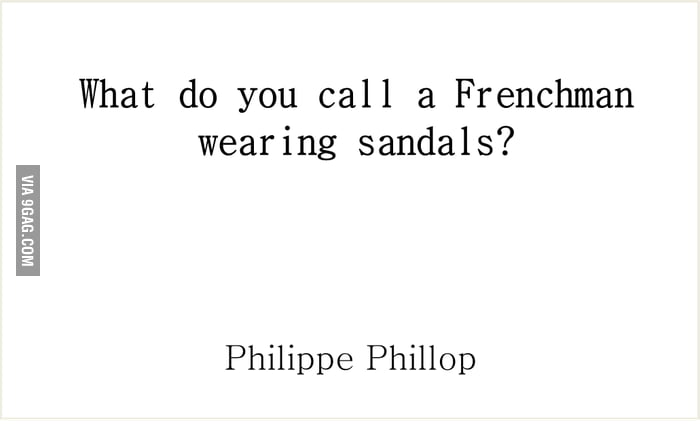
The usual punchline is “Philippe Phlop.” Say it aloud, and it sounds close to “flip-flop,” the sound and name linked with sandals.
The joke uses a simple language trick:
• Philippe is a common French first name.
• Phlop sounds like the first part of flip-flop.
• The full phrase creates a silly character wearing sandals.
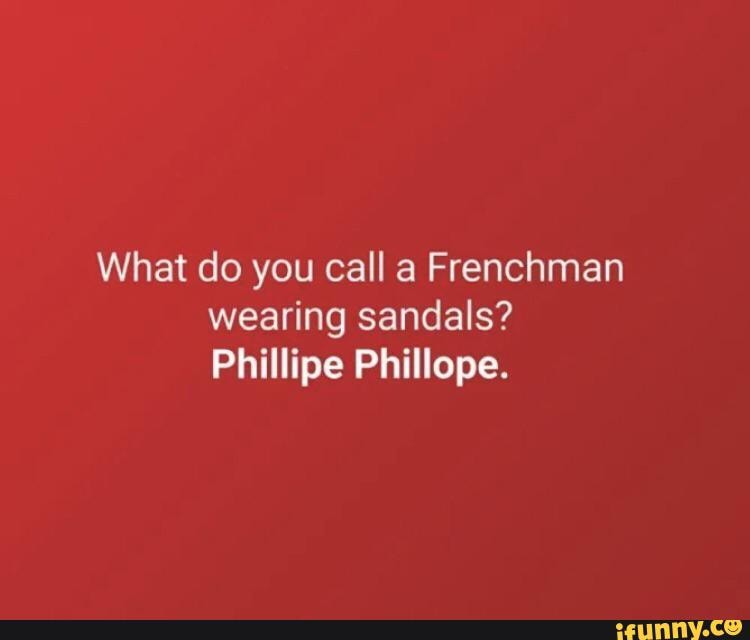
So, what do you call a Frenchman wearing sandals? You call him Philippe Phlop in this playful pun.
The phrase is not a formal French expression. It is an English-language dad joke. Like many short jokes, it may appear online with small changes, such as “Philippe Flip-Flop” or “Pierre Flip-Flop.”
Why the pun works
The humor in what do you call a Frenchman wearing sandals comes from sound similarity. The listener first expects a normal answer. Then the name Philippe Phlop changes the direction of the sentence.
This is a form of phonetic wordplay. It relies on words that sound alike or nearly alike but have different meanings. English has many jokes built on this method.
For example:
• “What do you call a bear with no teeth?” A gummy bear.
• “What do you call cheese that is not yours?” Nacho cheese.
• “What do you call a Frenchman wearing sandals?” Philippe Phlop.
The joke is easy to remember because it has three quick parts: a question, a cultural clue, and a sound-based punchline. The listener does not need special knowledge of French history or fashion.

The meaning behind “Philippe Phlop”
Philippe is the French form of Philip. It is a real given name, while “Phlop” is invented for the joke.
The spelling “Phlop” helps the punchline look like a name. When spoken aloud, it points toward “flip-flop,” which is a casual sandal with a strap between the toes.
The joke does not suggest that French people commonly wear a certain type of sandal. It simply uses “Frenchman” as a clue for choosing a French-sounding name. That distinction matters.
A clear explanation would be:
“What do you call a Frenchman wearing sandals? Philippe Phlop. It sounds like flip-flop.”
That version keeps the joke short and makes the wordplay clear.
Is “Philippe Phlop” the only answer?
No. What do you call a Frenchman wearing sandals does not have one official answer. It is a flexible pun, so different people may create different punchlines.
Common variations include:
• Philippe Flip-Flop
• Pierre Flip-Flop
• Monsieur Flip-Flop
• A Parisian in flip-flops
• A French sole man
“Philippe Phlop” is often the strongest version because Philippe sounds naturally French and Phlop resembles the second sound in flip-flop. Still, humor has no fixed rulebook. A new version may work better for a certain audience.
The best answer depends on timing, pronunciation, and context. A joke told aloud may sound better than the same joke written down.
How to tell the joke well
Delivery can make a simple pun feel sharp rather than forced. If you plan to use what do you call a Frenchman wearing sandals, follow these easy steps.
- Ask the question in a calm voice.
- Pause for a moment before the answer.
- Say “Philippe Phlop” clearly.
- Let the listener hear the link to “flip-flop.”
- Do not explain the joke unless the person misses the pun.
A short pause creates room for the punchline. If you rush the answer, the sound connection may disappear.
You can also add a light follow-up:
“Apparently, he is ready for a walk along the Côte d’Azur.”
Use this only when the setting feels relaxed. A good joke should invite a smile, not demand one.

Why pronunciation matters
The joke depends on English pronunciation. “Philippe Phlop” does not exactly match “flip-flop,” but it creates a close sound pattern.
Try saying the words like this:
• Philippe: “fee-LEEP”
• Phlop: “flop”
• Flip-flop: “FLIP-flop”
The rhythm is slightly different. That difference is part of the silliness. The punchline imitates the sound rather than copying it perfectly.
Regional accents may affect the result. Some listeners may hear the connection at once, while others may need a brief explanation. This is normal with sound-based humor.

Cultural context and respectful humor
The phrase what do you call a Frenchman wearing sandals uses a nationality as part of a harmless word joke. It does not describe real behavior, and it should not be presented as a fact about French people.
French people, like people everywhere, wear many types of shoes. Sandals may be practical in warm weather, useful at the beach, or simply a matter of personal taste. The joke works because of the French-sounding name, not because of a true national habit.
Keep these points in mind:
• Treat the joke as wordplay, not social commentary.
• Avoid adding insulting accents or stereotypes.
• Consider your audience and the setting.
• Stop if someone seems uncomfortable.
• Do not use nationality-based humor to mock a real person.
Good humor has a soft landing. It should feel playful rather than personal.
When this joke works best
What do you call a Frenchman wearing sandals is most suitable for casual settings. It can work as an icebreaker, a classroom example of a pun, or a light joke in a wordplay collection.
It may work well in: