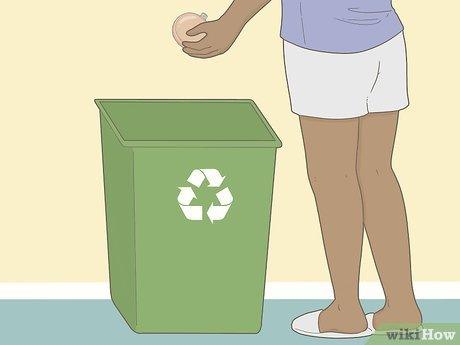
Safely pour small amounts into a sealed container and take to a household hazardous waste site.
I’ve spent years advising people on safe home practices, and I’ll walk you through exactly how to dispose of cologne in a way that protects people, pets, and the planet. This guide explains risks, clear step-by-step disposal options for unopened, partially used, and empty bottles, recycling tips, legal notes, and practical advice from my own experience. Read on to learn simple, safe, and responsible ways to handle your cologne waste.

Why proper cologne disposal matters
Cologne is mostly alcohol and fragrance oils. That makes it flammable and biologically active. If you toss cologne in the trash or pour it down the drain, you risk fire, water contamination, and harm to waste workers.
Proper disposal protects:
- People: Avoid burns, fumes, and accidental ingestion.
- Pets and wildlife: Fragrances and alcohol can be toxic.
- Water and soil: Prevent chemical contamination and odor issues.
Knowing how to dispose of cologne keeps your home safe. It also reduces environmental harm and follows local waste rules. Treat cologne like other household hazardous liquids rather than ordinary trash.

Is cologne hazardous?
Cologne blends ethanol or isopropyl alcohol with essential oils and synthetic aroma chemicals. That combination is flammable and can irritate skin and lungs. For most single bottles, the immediate risk is low, but stored or leaked bottles increase hazards.
Key facts:
- Flammability: High due to alcohol content.
- Toxicity: Small amounts are low risk if used as intended, but ingestion or skin exposure to concentrated perfumes can be harmful.
- Waste classification: Many local waste programs treat leftover cologne like household hazardous waste.
Understanding these risks clears up why standard curbside trash or drains are often not the right place for leftover fragrance.
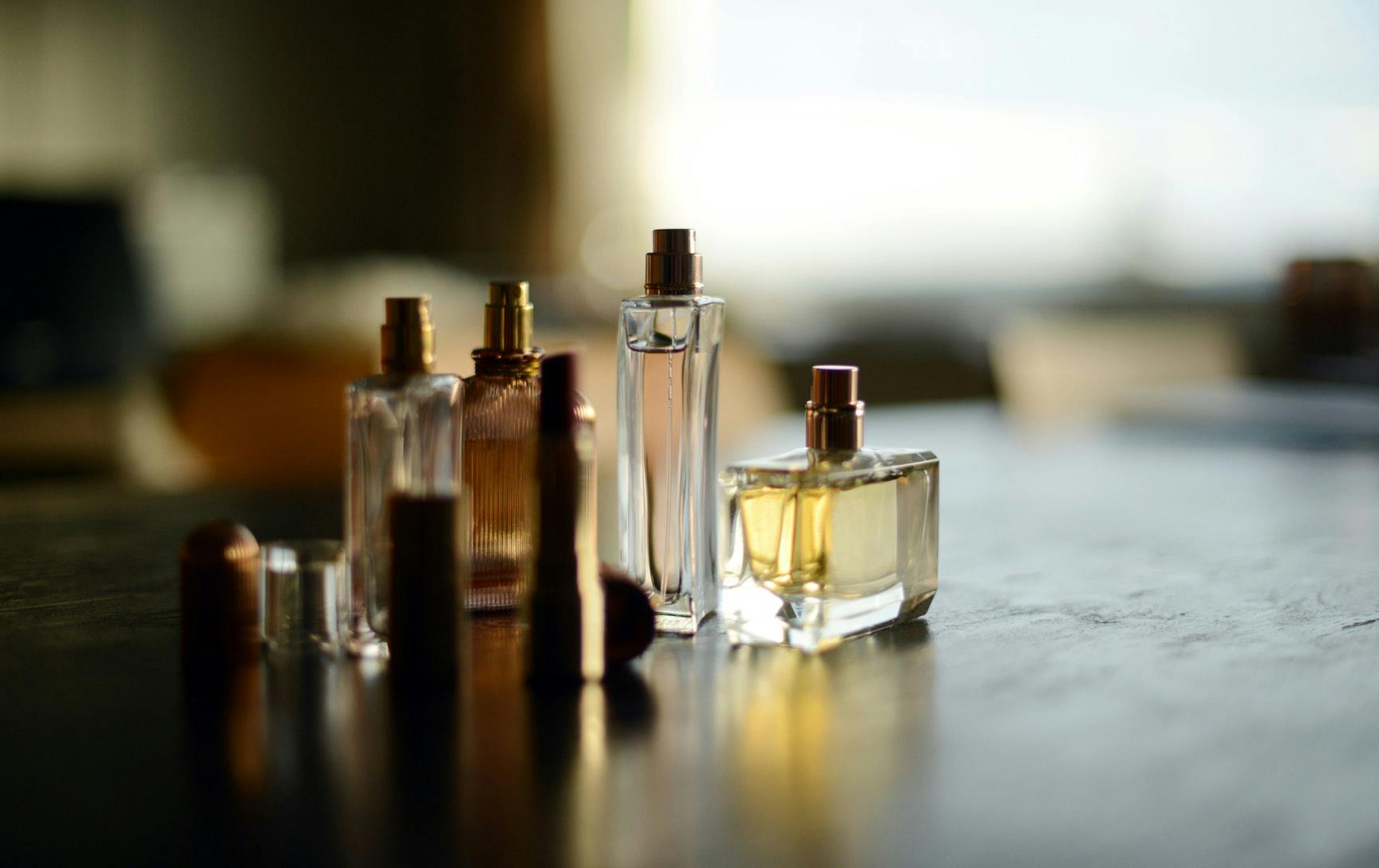
How to dispose of cologne: step-by-step methods
Below are clear, practical steps tailored to the bottle status you have. These methods show safe ways to dispose of cologne and reduce waste.
Unopened or full bottles
- Check donation options: Some shelters, theaters, or theaters accept sealed, unopened fragrances. Call first to confirm.
- Return or exchange: If recent, ask the retailer or brand about returns or recycling programs.
- Hazardous waste drop-off: If donation isn’t possible, take full bottles to your household hazardous waste (HHW) facility.
Partially used bottles
- Use it up: The simplest option is to finish the bottle. Small decants for personal use reduce waste.
- Share with friends: Offer the remaining cologne to someone who will use it.
- Seal and recycle responsibly: If disposal is needed, seal the bottle, place it in a sturdy container, and bring it to HHW.
Empty bottles
- Confirm empty: An empty bottle has no visible liquid and no strong odor.
- Rinse with water only if local rules allow: Avoid using solvents or excessive water for rinsing.
- Recycle or repurpose: Glass or plastic bottles may be recyclable once dry and clean. Remove sprayers and caps if your local program requires it.
These steps show everyday ways to handle cologne safely. When in doubt, treat it as household hazardous waste.

Safe recycling and reuse of perfume bottles
Perfume bottles are often pretty and reusable. Reuse reduces waste and keeps glass out of landfills.
Ideas for reuse:
- Refill: Transfer remaining scent to a smaller atomizer for travel.
- Repurpose: Turn empty bottles into reed diffusers or small vases.
- Recycle: Separate glass from metal or plastic parts. Follow your local curbside rules.
If you choose to recycle, remember the bottle must be essentially empty and dry. Keep sprayers and non-glass parts out of the glass bin unless your program accepts them.

What not to do
Avoid common mistakes that make disposal unsafe.
Do not:
- Pour cologne down the drain: Alcohol and fragrance chemicals can harm treatment systems.
- Throw large amounts in regular trash: Flammable liquids can ignite in compactors or landfills.
- Burn cologne: Open flames and vapors are a dangerous mix.
- Mix with other household chemicals: This can cause reactions or toxic fumes.
Following correct steps prevents accidents and keeps the community safe.
My experience and practical lessons
I once found four half-empty cologne bottles in a friend’s garage. They smelled strong and were stored near a heater. I moved them outside, sealed them in a box, and took them to a local HHW event. The staff advised me to label the box and never mix different liquids.
Lessons I learned:
- Store fragrances upright and away from heat.
- If you plan to dispose of cologne, gather similar items and transport them in a sealed container.
- Ask local waste staff for guidance—rules can vary by city.
These small practices make disposal smoother and safer.

Legal and environmental notes
Regulations differ by place. Many municipalities classify leftover fragrances as household hazardous waste because of flammability and chemicals. Check your local HHW guidelines before disposal.
Environmental points:
- Fragrance chemicals can persist in water and affect aquatic life.
- Proper disposal reduces plastic and glass waste when combined with reuse and recycling.
- Community hazardous waste events are often free or low-cost.
When you learn local rules, you help your town meet recycling goals and protect local waterways.
Tools and supplies to assist disposal
A few items make disposal safer and easier.
Helpful items:
- Sealable plastic or glass jar: For short-term transport.
- Heavy-duty bag or box: To contain leaks during transit.
- Labels and tape: Mark contents for HHW staff.
- Small travel atomizers: To use up leftover cologne responsibly.
Pack items securely. This prevents spills and keeps handlers safe.
Practical examples
Example 1: Small amount left
- Pour remaining cologne into a travel atomizer. Use it until empty. If unusable, seal and take to HHW.
Example 2: Large collection of samples
- Keep samples upright in a box. Take to a household hazardous waste drop-off or event.
Example 3: Broken bottle
- Wear gloves, place glass and soaked paper towel in a sealed jar, and take it to HHW. Do not sweep fine glass into the regular recycling bin.
These small scenarios show realistic choices for most people.
People Also Ask — common quick questions
What is the safest place to take leftover cologne?
- Take leftover or large-quantity cologne to your local household hazardous waste facility or a community collection event.
Can I pour cologne down the sink?
- No. Pouring cologne down the sink can harm wastewater systems and local waterways. Bring it to HHW instead.
Are perfume bottles recyclable?
- Many glass perfume bottles are recyclable if they are empty and clean. Remove non-glass parts first if your local program requires it.
How do I dispose of a broken cologne bottle?
- Carefully collect shards with gloves, place them in a sealed container, and bring to HHW. Do not put broken glass mixed with regular recyclables.
Is expired perfume harmful?
- Expired perfume is not usually more toxic, but it may change chemically and smell bad. Treat it like leftover cologne for disposal.
Frequently Asked Questions of how to dispose of cologne
How should I dispose of a nearly full bottle of cologne?
Take it to a household hazardous waste drop-off or a community collection day. If a retailer or brand offers returns, consider that first.
Can I donate my cologne?
Yes, if it is unopened and sealed. Always call the recipient to confirm they accept fragrances.
Is it okay to throw empty perfume bottles in the trash?
Try not to. Empty glass bottles are usually better recycled. Remove non-glass parts before recycling when possible.
What if I accidentally spill cologne in my home?
Ventilate the area and blot spills with absorbent material. Dispose of soaked materials in a sealed bag and take them to HHW if contamination is significant.
Are there recycling programs for sprayers and caps?
Some programs accept them; many do not. Check local recycling rules and separate materials as required by your program.
Conclusion
Disposing of cologne the right way is simple when you follow safe steps. Use up or share small amounts, recycle empty bottles, and take larger or concentrated amounts to a household hazardous waste facility. These actions keep your home safe and protect the environment. Try one safe disposal step this week—check local HHW options, repurpose an empty bottle, or finish a small sample. If this guide helped, leave a comment with your disposal tip or subscribe for more practical, eco-friendly home advice.

Rubel Miah is the Senior Editor at MyStyleGrid.com, where he brings a sharp editorial eye and an unshakable love for fashion to everything he does. A true style addict, Rubel lives and breathes trends, from streetwear to high fashion, and has a knack for turning inspiration into impactful stories. With years of experience in fashion journalism and digital media, he curates content that empowers readers to express themselves through style. When he’s not editing features or forecasting the next big thing, you’ll find him hunting down vintage pieces or capturing street style moments around the city.