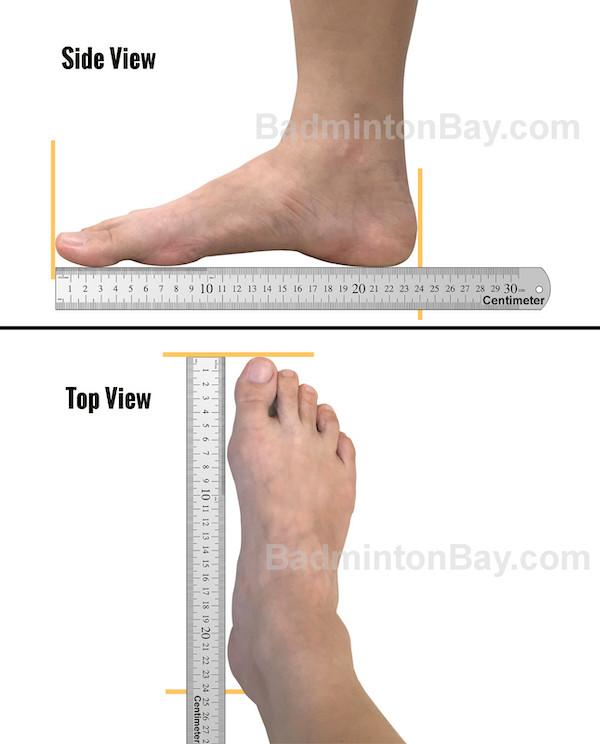
Trace your foot on paper, measure length and width, and match them to a reliable size chart.
I’ve spent years helping people buy shoes that fit online and in stores. I’ll walk you through how to measure your foot size at home accurately, step by step, with clear tools, tips, real mistakes I’ve fixed, and conversion notes for US, UK, and EU sizing. Follow this guide and you’ll stop guessing and start buying shoes that actually fit.

Materials you need and quick prep
You need simple tools most homes already have. Gather:
- A blank sheet of paper large enough for your foot
- A ruler or tape measure with millimeters or 1/16-inch marks
- A pencil or pen
- A chair and a hard flat floor
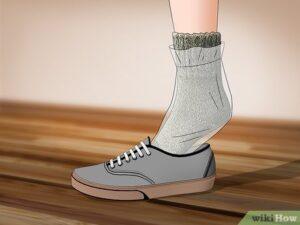
- Socks you usually wear with the shoes
Prepare by taping the paper to the floor or holding it steady. Measure near the end of the day when feet are slightly swollen. These small details matter when learning how to measure your foot size at home accurately.
Step-by-step: How to measure your foot size at home accurately
Use this method exactly and you’ll get consistent results.
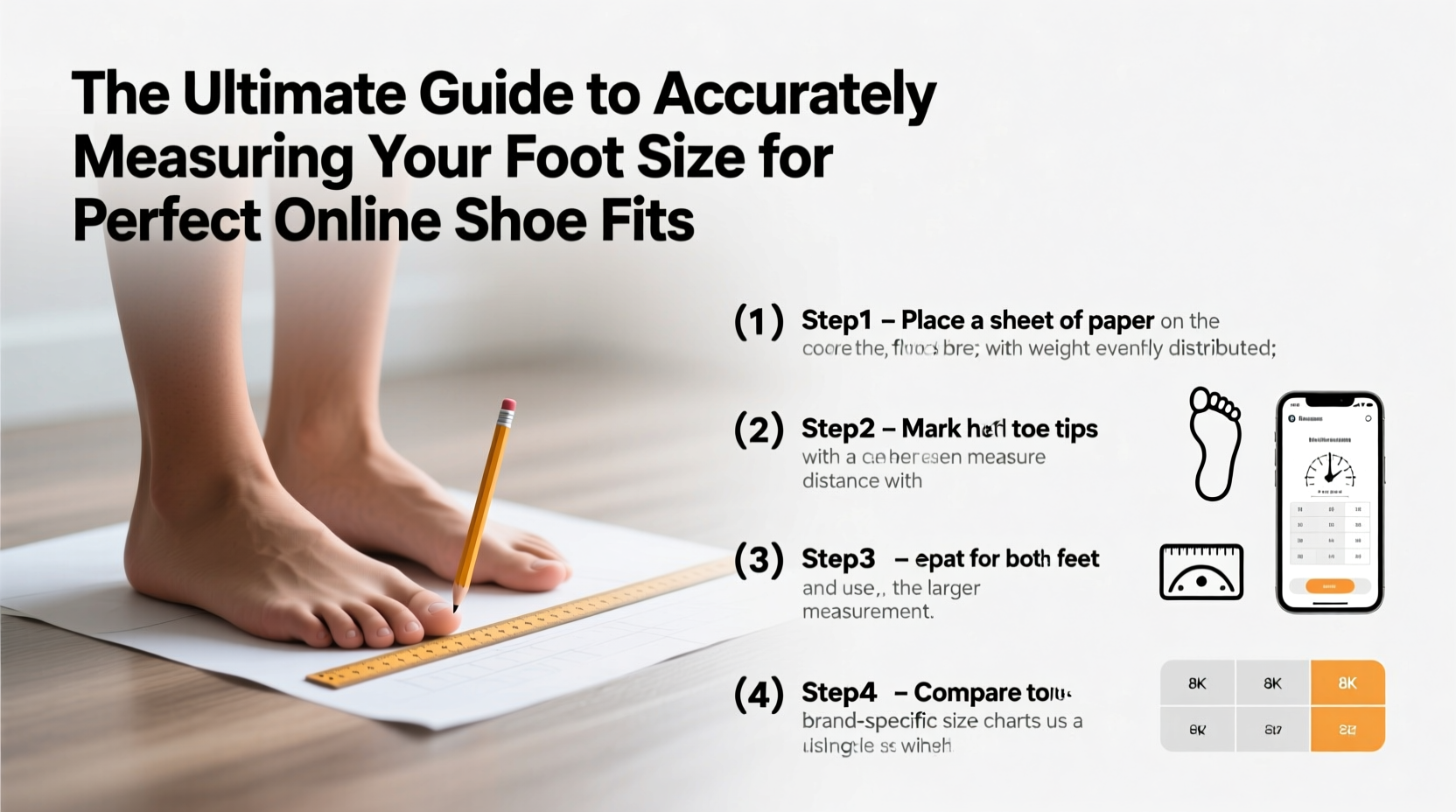
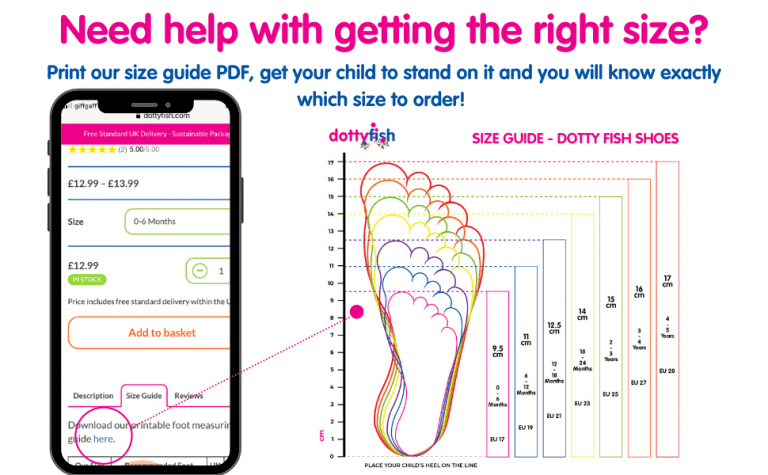
- Sit with one foot flat on the paper and your weight on that foot. Stand briefly if you can for a more realistic shape.
- Trace around your foot. Hold the pen straight up, not angled. Draw close to the foot but not under the toe curve.
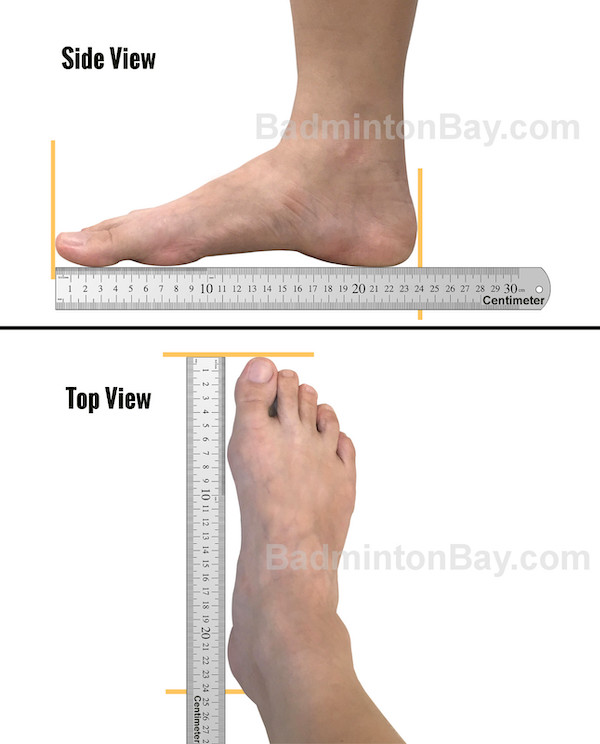
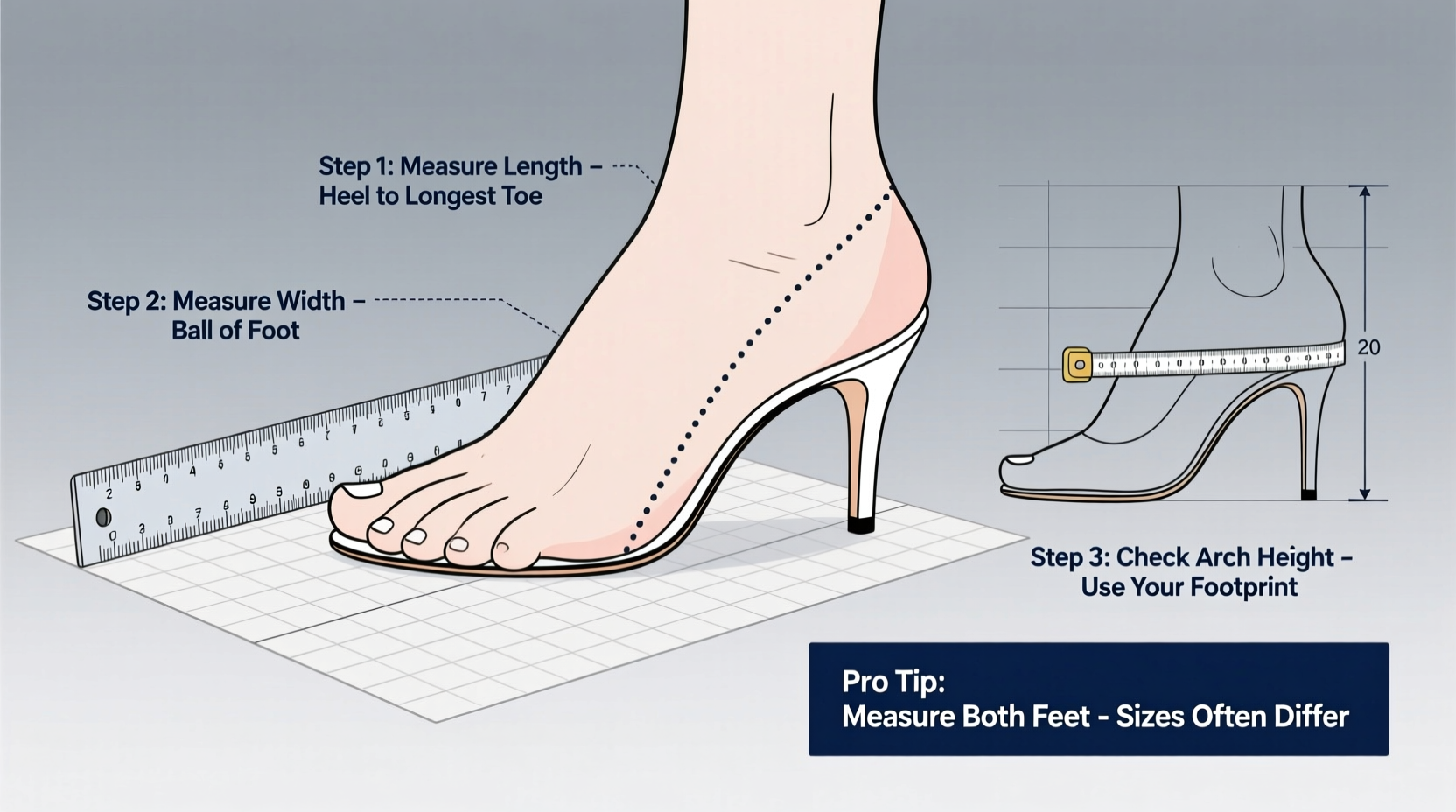
- Mark the longest point (usually the big toe or second toe) and the heel’s furthest back point.
- Measure length in millimeters or inches from heel mark to longest toe mark. Record it.
- Measure width across the widest part of the traced foot. Record it.
- Repeat for the other foot. Use the larger measurement for sizing.
Practice this process twice to confirm. When you follow these steps, knowing how to measure your foot size at home accurately becomes easy and reliable.
How to convert measurements to shoe sizes (US, UK, EU)
After measuring, convert numbers to shoe sizes.
- Use a trusted brand or retailer size chart for the best match.
- For a rough US men’s size: length in inches × 3 minus 22 (approximate). For women, subtract about 1.5 sizes from men’s.
- EU sizes use centimeters (length in cm × 1.5 roughly equals EU number).
- Always check brand-specific charts—sizes vary between manufacturers.
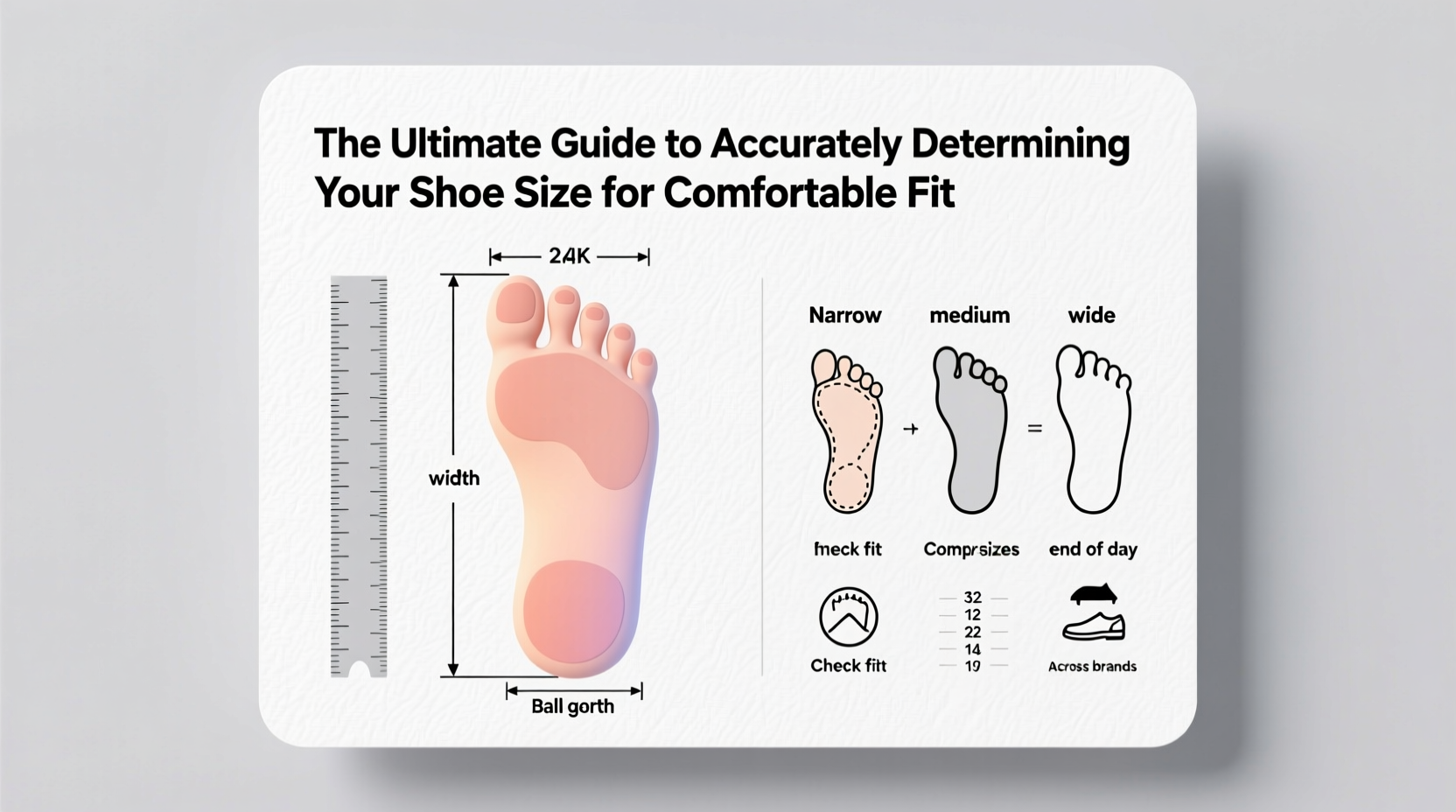
When you make conversions, remember that foot length is only part of the story. Width and foot shape matter. This is why understanding how to measure your foot size at home accurately requires both length and width measurements.
Tips to improve accuracy and fit
Small habits increase accuracy a lot.
- Measure both feet and use the larger measurement.
- Wear socks similar to ones you’ll wear with the shoe.
- Stand briefly when tracing to simulate real pressure.
- Add about 5 to 12 mm (1/8 to 1/4 inch) of toe room depending on shoe type.
- Re-measure if you change weight, pregnancy status, or after major activity changes.
If you want repeatable results for shopping, write down exact measurements and the date. This helps when comparing brands and when you learn how to measure your foot size at home accurately over time.
Common mistakes and how to avoid them
People often err in small ways that cause poor fit.
- Tracing with the pen angled, which shortens the outline.
- Measuring barefoot then buying shoes for thick socks.
- Using the smaller foot for sizing.
- Skipping width or arch considerations.
Avoid these by following the step-by-step method and double-checking your measurements. Learning how to measure your foot size at home accurately means avoiding these common traps.

Special cases: kids, wide feet, orthotics, and custom needs
Different feet need different rules.
- Kids: Measure every 2–3 months for toddlers, every 6 months for older kids. Allow about 10 mm of growth room.
- Wide or narrow feet: Use width measurements and brand width charts. Look for wide-fit or narrow-fit options.
- Orthotics: Measure with the insole or orthotic inside the shoe you’ll use. Consider custom fitting if needed.
These special cases show why a careful method matters. Mastering how to measure your foot size at home accurately helps you pick the right option for each unique foot.

Benefits and limits of measuring at home
Benefits:
- Saves time and money when shopping online.
- Reduces return rates and discomfort.
- Empowers you to compare brands.
Limits:
- Home measuring can’t fully replace a professional fitting for complex foot conditions.
- Some shoes fit differently despite correct numbers because of last shape and materials.
Be realistic. Home measurement gives you reliable guidance, but specialist fittings still have a place for complex issues. That’s the practical balance when you learn how to measure your foot size at home accurately.
My personal experience and lessons learned
I once ordered running shoes using only the stated size. They pinched my toes badly. After I started measuring length and width at home, I found I needed a half size up and a wider fit. Key lessons:
- Always measure both feet and use the larger.
- Keep a log of brand fits; my notes save time now.
- When in doubt, choose comfort over exact number—materials stretch differently.
These are real fixes I used. They show that how to measure your foot size at home accurately is a skill you build with practice.
When to re-measure your feet
Re-measure when:
- You gain or lose 10+ pounds.
- You finish pregnancy or a long training cycle.
- You buy a different shoe type (boots vs sneakers).
- It’s been six months or your shoes feel wrong.
Keeping current measurements helps you stay comfortable and avoid bad purchases. This is a simple habit tied to how to measure your foot size at home accurately.
Frequently Asked Questions of how to measure your foot size at home accurately
How often should I measure my feet?
Measure every 6–12 months, or sooner after major weight or activity changes. For fast-growing kids, measure every 2–3 months.
Can I measure my foot wearing socks?
Yes. Wear the socks you plan to wear with the shoes to get realistic measurements and fit.
Which measurement matters most, length or width?
Both matter. Length determines size, and width determines comfort. Use the larger foot’s measurements when choosing shoes.
Is standing necessary when tracing my foot?
Standing briefly adds accuracy because it spreads the foot. If you cannot stand, press down gently to simulate weight.
What if my feet are different sizes?
Always use the larger foot’s measurement for buying shoes, and adjust with insoles or a tailored fit if one shoe feels loose.
Conclusion
Measuring your feet at home is quick, low-cost, and effective when you follow a reliable method. Measure both feet, trace carefully, record length and width, and use brand charts to convert measurements to sizes. Re-measure regularly and keep notes on brand fits. Try the steps now and pay attention to fit rather than numbers alone—your feet will thank you.
Take action: measure both feet today, save your measurements, and use them next time you shop online or in store. Leave a comment with your measurements or questions, or subscribe for more practical fit tips.

Rubel Miah is the Senior Editor at MyStyleGrid.com, where he brings a sharp editorial eye and an unshakable love for fashion to everything he does. A true style addict, Rubel lives and breathes trends, from streetwear to high fashion, and has a knack for turning inspiration into impactful stories. With years of experience in fashion journalism and digital media, he curates content that empowers readers to express themselves through style. When he’s not editing features or forecasting the next big thing, you’ll find him hunting down vintage pieces or capturing street style moments around the city.