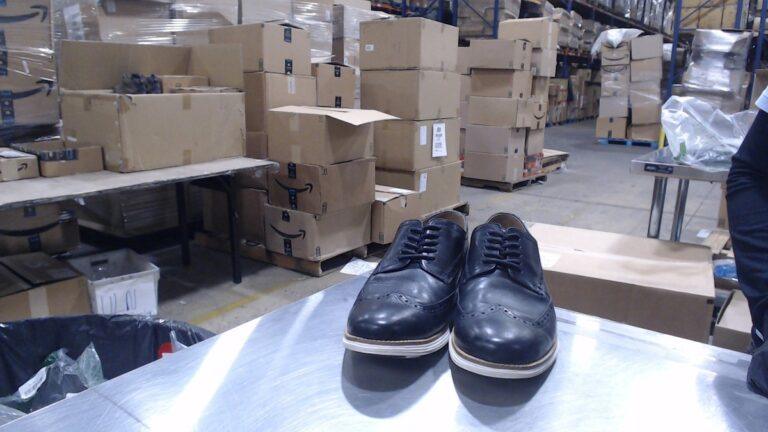
Use sturdy shoe boxes, tissue, inserts, protective wraps, and clear labeling for retail-ready sneakers.
I’ve packed thousands of pairs for stores and ecommerce. I’ll walk you through how to package sneakers for retail distribution with clear steps, materials lists, quality checks, and real-world tips. This guide blends hands-on experience with industry best practices so you can protect product, strengthen your brand, and streamline shipping and store stocking.
Why proper packaging matters
Packaging protects the shoe, preserves brand value, and speeds retail handling. When you learn how to package sneakers for retail distribution, you reduce returns, protect margins, and create a better shopper experience.
Good packaging also helps with inventory flow. Retail buyers expect consistent dimensions, correct labels, and easy shelf display. I’ve seen simple packaging changes cut damage rates by half and speed up restocking.

Packaging components and materials
Basic parts you need to master how to package sneakers for retail distribution:
- Shoe box. Use rigid corrugated or retail-grade folding cartons sized to shoe volume.
- Tissue paper. Anti-abrasion tissue protects finishes and prevents scuffs.
- Paper or foam inserts. Keep shoe shape and prevent crushing during transit.
- Dust bag. Optional for premium lines; adds perceived value.
- Void fill. Kraft paper or recyclable air pillows for shipping cartons.
- Protective wrap. Thin polyethylene or cellophane for moisture protection.
- Labels and stickers. Size, SKU, and barcode must be clear and durable.
Choose materials that match brand positioning. For mass retail, cost and stackability matter. For premium or boutique, add dust bags and stiffer boxes.

Designing retail shoe boxes
Design boxes for protection, branding, and logistics. Focus on three areas.
Appearance and brand
- Use a clear lid, logo placement, and minimal copy for modern lines.
- Add a size window or sticker area for quick shelf checks.
Structure and specs
- Use B-flute or C-flute corrugated for heavy shipping.
- Standardize internal dimensions to improve pallet efficiency.
Practical features
- Flip-top or tuck-top should be easy to open in-store.
- Include a thumb-cut or perforation for quick access.
When you design, prototype with actual shoes. I once approved a box that looked great but bent under a pallet stack. Prototyping saved a costly recall.
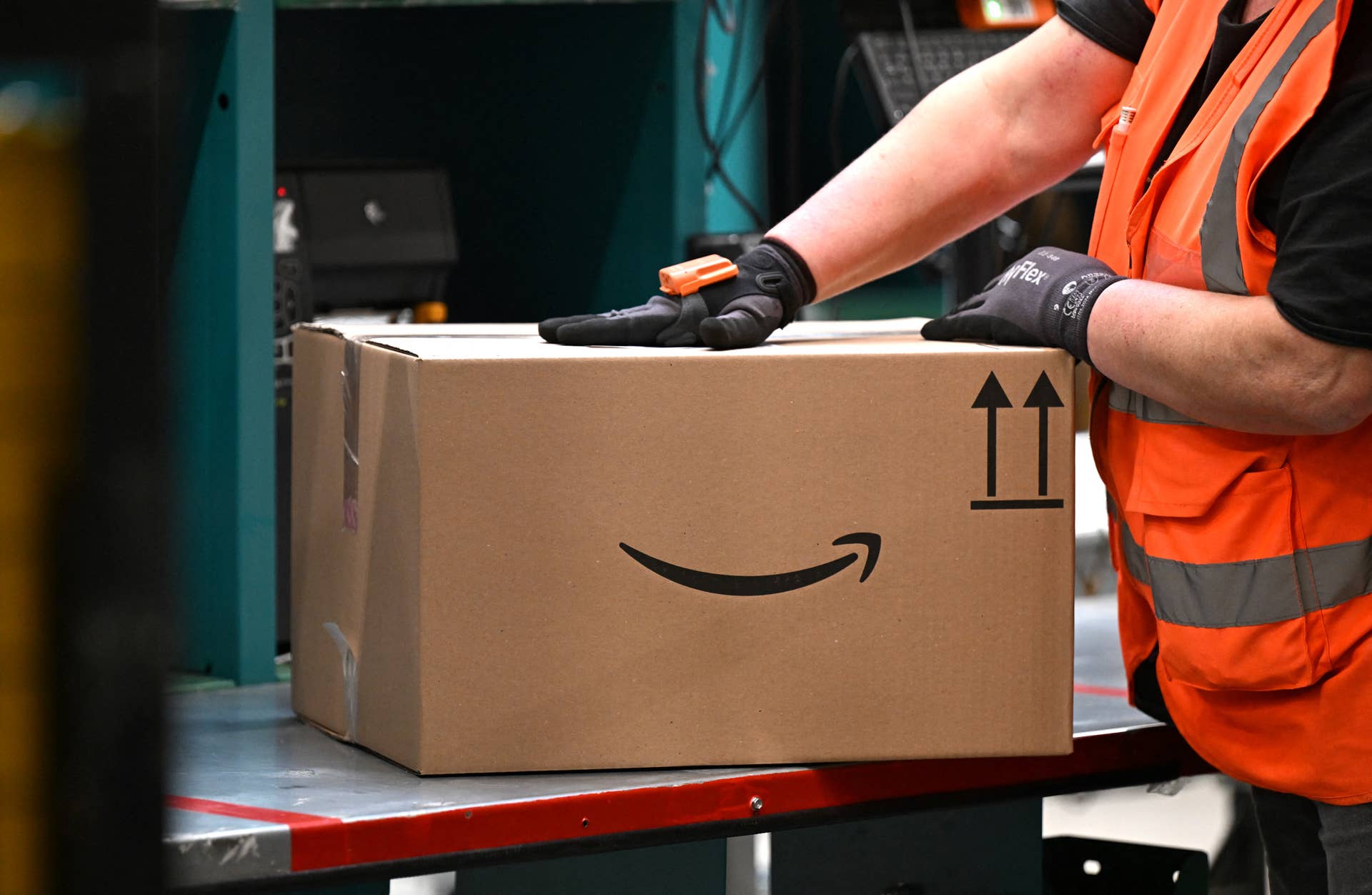
Assembly steps: how to package sneakers for retail distribution (step-by-step)
A repeatable workflow is key. Follow these steps to package sneakers for retail distribution:
- Inspect shoes for defects and remove production tags.
- Insert shape support into each shoe to protect toe and heel.
- Wrap shoes individually in tissue paper or thin poly.
- Place shoes in the box toe-to-heel or side-by-side depending on size.
- Add dust bag or accessory if included.
- Seal the box with packaging tape or tuck flap as per retailer rules.
- Affix size and barcode labels in the designated spot.
- Place boxed shoes into an outer shipping carton with void fill and palletize.
Train staff on consistent folding of tissue and label placement. Consistency reduces scanning errors and complaints.
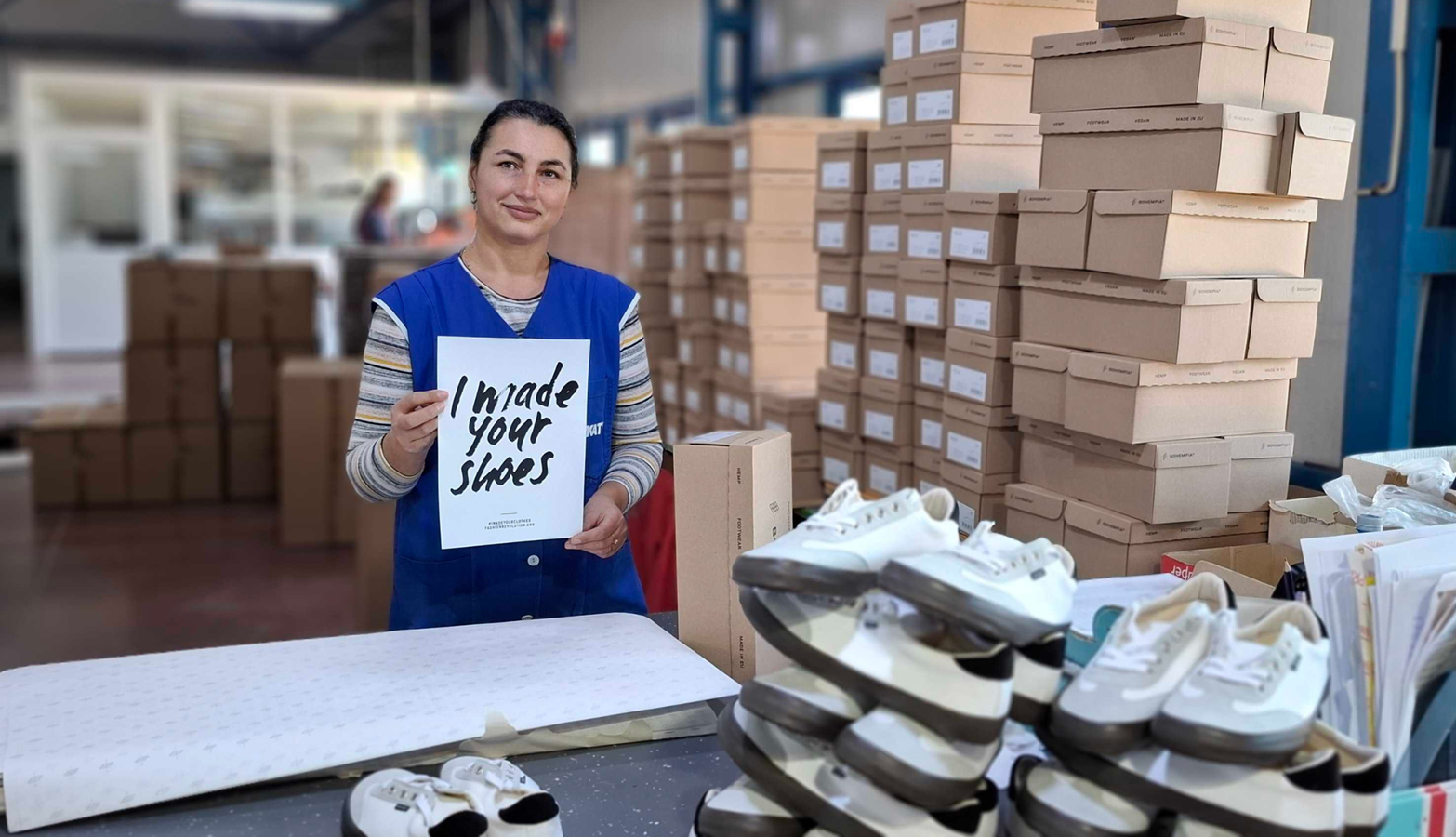
Protective measures for transport and display
Protective steps for both warehouse shipping and retail display:
- Internal supports. Use heel counters and toe inserts to keep shape.
- Corner protection. Reinforce corners for high-stack shipments.
- Moisture control. Add silica packets in humid climates or when shoes have leather.
- Anti-theft options. Add removable security tags or RFID if required by the retailer.
- Display-ready packaging. For shelf-ready shipments, make sure boxes face out with visible size labels.
I recommend running short transit tests. Ship a small batch through your chosen carrier and measure damage, then tweak packaging.

Labeling, barcodes, and compliance
Labeling matters for retail efficiency. Retailers expect specific data in predictable spots.
Key labeling rules
- Place size and SKU on the front short edge for shelf scanning.
- Use a high-contrast barcode with at least 0.5 inch quiet zones.
- Include country of origin and care symbols when required.
- Add style, colorway, and size in plain text to avoid scanning errors.
Barcodes and EDI
- Use GS1-compliant barcodes if requested.
- Align your barcode placement with retailer vendor guides to pass ASN and EDI checks.
I once had a shipment delayed because barcode placement obscured the quiet zone. Always run a scan test before final runs.

Sustainability and cost optimization
Balance cost with eco goals. Sustainable choices can cut long-term cost and improve brand image.
Options to consider
- Recycled corrugated for outer cartons.
- Recyclable tissue and minimal plastic wrap.
- Right-size packing to avoid excess void fill and reduce dimensional weight charges.
- Modular designs that fit multiple sizes to reduce SKU packing variants.
A small change, like standardizing three box sizes, can lower inventory and shipping spend. Track cost per pair to find savings without hurting quality.
Quality control and common mistakes
Set up QC to prevent common errors. Quality limits returns and keeps retail partners happy.
Common failure points
- Poor tape sealing that opens in transit.
- Incorrect barcode labels or missing SKU stickers.
- Inconsistent interior shimming that causes scuffs.
- Wrong box size leading to crushed toes or wasted space.
QC checklist sample
- Visual inspection of shoe surfaces.
- Shape check with inserts in place.
- Label verification against packing list.
- Seal integrity test by hand.
From experience, a simple 5-second scan test at packing reduces label errors by 70%.

Packing for different retail channels
How to package sneakers for retail distribution changes by channel.
Big-box and mass retail
- Use stackable, uniform outer cartons.
- Follow vendor pack routing guides.
- Include pallet labels and ASN documents.
Boutique and premium retailers
- Add dust bags and premium tissue.
- Use custom box art and a clean unboxing experience.
Direct-to-consumer (retail-ready for ecommerce)
- Use retail box inside corrugated mailer for protection.
- Optimize for returns and minimal damage.
Match your approach to channel needs to avoid rejected shipments.
PAA-style questions
What is the best box size for sneakers?
Choose a box that fits the shoe without extra space. Standard sizes cover small, medium, and large to simplify packing.
How tight should tissue be wrapped around shoes?
Wrap snugly but not tight. The goal is to prevent rubbing and keep the shoe in place.
How do you label mixed-size cartons?
Place a manifest on the carton listing contents and a visible packing slip for the retailer.
How to prevent scuffs during shipping?
Use individual wrapping, inserts at toe and heel, and avoid stacking heavy items on top.
Is barcode placement important?
Yes. Proper placement and quiet zones ensure fast scans and reduce delays.
Frequently Asked Questions of how to package sneakers for retail distribution
What materials are essential for retail packaging?
Essential materials include a sturdy shoe box, anti-abrasion tissue, inserts, and clear barcode labels. These protect the shoe and meet retail handling needs.
How do I choose the right box size?
Measure shoe length and width and add minimal clearance. Standardizing 3 box sizes covers most assortments and saves cost.
Can I use plastic wrap instead of tissue?
You can use thin plastic for moisture protection, but tissue reduces scuffing and feels more premium. Choose based on brand and retailer rules.
How should I label boxes for multiple retailers?
Follow each retailer’s vendor guide. Use clear SKUs, size labels on the short edge, and GS1 barcodes if required.
How do I test packaging before full distribution?
Ship a small pilot parcel through your carrier and inspect on arrival. Run drop and stack tests in-house to simulate transit.
Conclusion
Packaging is more than a box. It protects product, represents your brand, and makes retail partners’ jobs easier. Use the steps here to standardize how to package sneakers for retail distribution, test your process, and adjust based on results. Start with the right materials, consistent labeling, and a simple QC checklist, and you’ll see fewer returns and happier retail partners.
Take one action today: create a two-week pilot pack run and test it in real transit. Share the results with your team and refine. If you found this helpful, leave a comment or subscribe for more practical packaging guides.

Rubel Miah is the Senior Editor at MyStyleGrid.com, where he brings a sharp editorial eye and an unshakable love for fashion to everything he does. A true style addict, Rubel lives and breathes trends, from streetwear to high fashion, and has a knack for turning inspiration into impactful stories. With years of experience in fashion journalism and digital media, he curates content that empowers readers to express themselves through style. When he’s not editing features or forecasting the next big thing, you’ll find him hunting down vintage pieces or capturing street style moments around the city.