Wear well-fitting sandals, break them in slowly, and protect hotspots with tape or pads.
I’ve spent years testing footwear and fixing blister problems for friends and clients. This guide on how to prevent blisters from new sandals breaks down the causes, simple prep steps, proven protection methods, and quick fixes you can use right now. You’ll get clear, experience-backed advice that’s easy to follow so your next pair of sandals stays comfortable from day one.
:max_bytes(150000):strip_icc()/blisters-begone-seven-strategies-to-prevent-blisters-3432491_color1-7a21d17089de47c09c4cbb6afc712310.png)
Why new sandals cause blisters
Friction and moisture are the main drivers of blisters. New sandals often have stiff straps, rough seams, or firm footbeds. These create repeated rubbing against skin during walking.
Poor fit increases pressure points. Tight straps or a loose heel that slips create more motion, which means more friction. Simple changes to fit and friction reduce blister risk fast.

How to prevent blisters from new sandals — key steps
Follow these steps before you wear new sandals for long. They are practical and easy to do at home.
- Check the fit
- Make sure toes don’t hang over the sole and the heel feels secure.
- Walk around indoors for five minutes to sense pressure points.
- Soften straps and footbeds
- Wear the sandals at home for short periods to let materials flex.
- Use a leather conditioner on leather straps or a gentle heat from a hairdryer (briefly) while flexing the straps to make them more pliable.
- Protect high-friction spots
- Apply thin adhesive moleskin, blister tape, or silicone pads to areas that rub.
- Use these on straps, toe posts, and the heel area before the first long wear.
- Keep feet dry
- Use foot powder or antiperspirant on feet to reduce moisture.
- Moisture increases friction and softens skin, making blisters more likely.
- Use socks or liners when possible
- Thin sock liners or no-show socks reduce direct rubbing on straps and toe posts.
- For style reasons, try invisible liners or toe-protect pads that hide under the foot.
These steps work together. If you follow fit, break-in, protection, and moisture control you greatly cut the chance of getting blisters from new sandals.

Preparing your sandals before wearing them out
A little prep goes a long way. Spend 10–20 minutes preparing each pair.
- Inspect edges and seams for rough spots and trim stray threads carefully.
- Apply protective tape where straps meet the footbed.
- If the footbed is hard, add a thin cushioned insole or heel pad to reduce pressure.
I once ruined a weekend trip by ignoring rough stitching on a new sandal strap. Now I check every seam before stepping out. Prevent that mistake—take a few minutes.
Breaking in new sandals safely
Break-in should be gradual. Your goal is to let straps and soles conform to your foot without causing raw skin.
- Wear for short stretches: 20–30 minutes at home the first day.
- Increase time by 30–60 minutes each day.
- Focus on walking on different surfaces: carpet, wood floor, and short walks outside.
If you feel a hotspot, stop and apply padding. A hotspot is the earliest sign of blister development. Treat it immediately to avoid an actual blister.

Protective products that work
There are several reliable products to prevent blisters from new sandals. Choose one based on the location and type of friction.
- Moleskin: Sturdy, adhesive, and great for straps and heel areas.
- Blister tape: Thin, flexible, and designed to reduce shear.
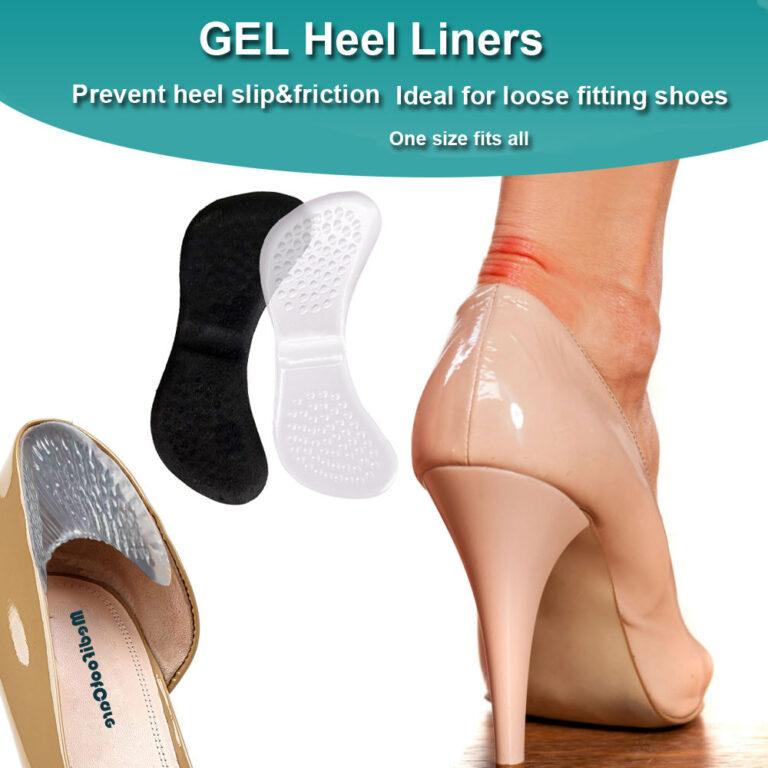
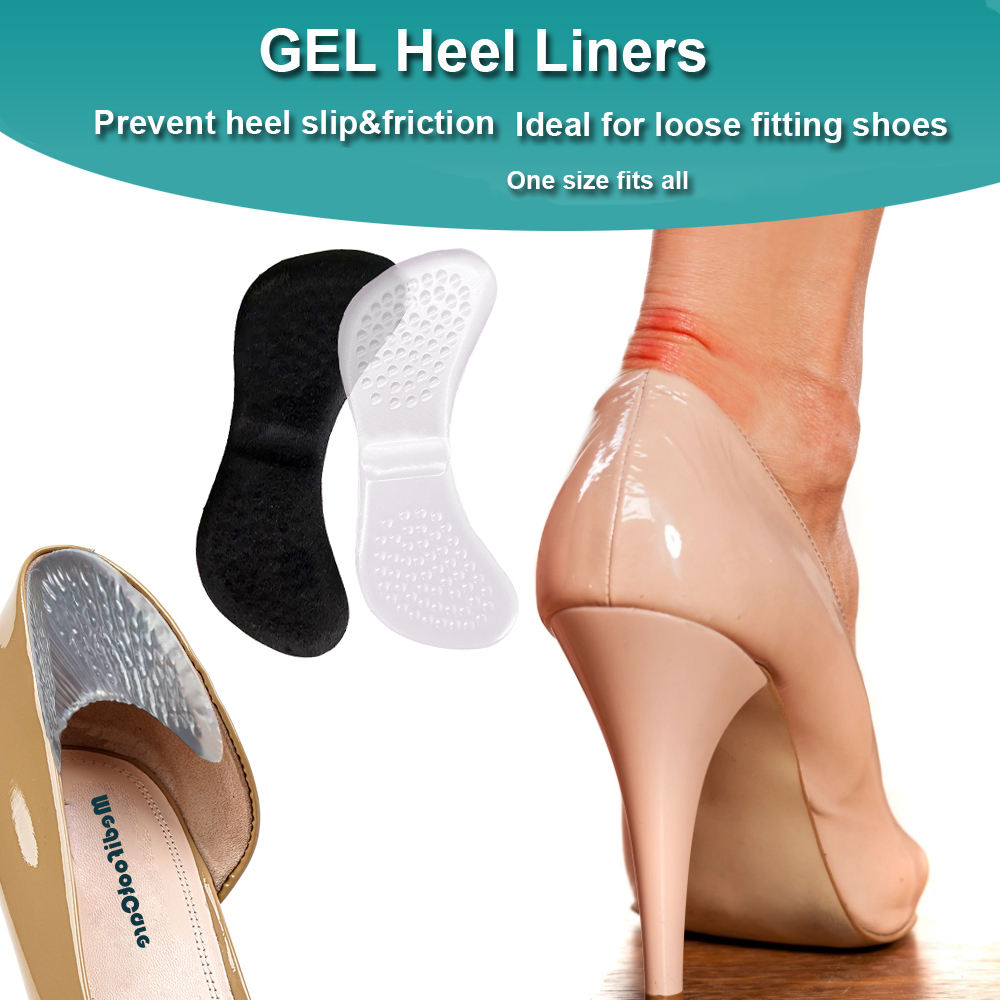
- Silicone gel pads: Reusable cushioning for heel and ball of foot.
- Toe-post sleeves: Soft covers that wrap a thong-style post to protect skin.
- Antiperspirant spray or powder: Lowers moisture on feet.
I keep a small blister kit when I travel. It saved me on a hike after a brand-new pair of sports sandals caused a hotspot.
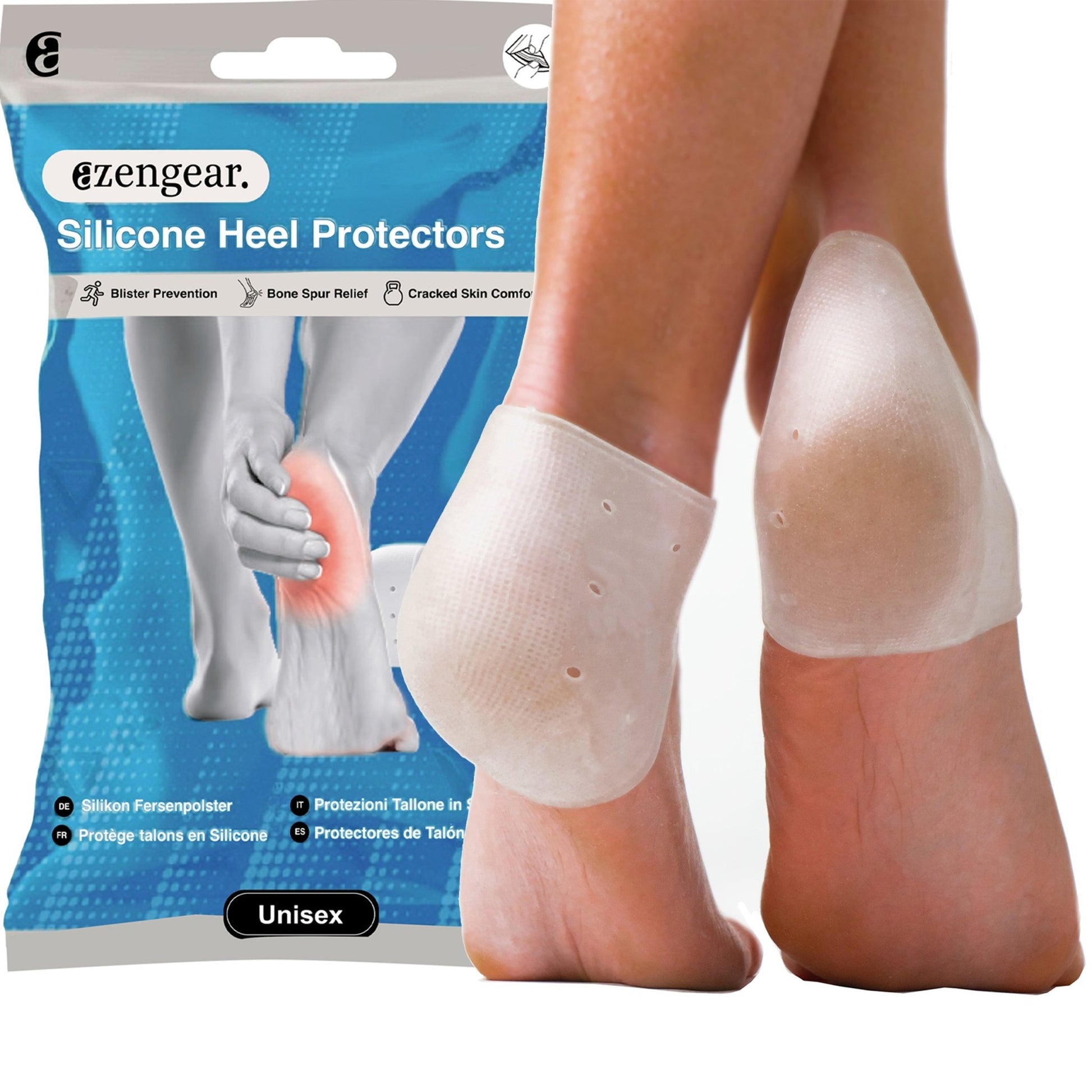
Socks, liners, and toe protection options
If your sandals support it, socks or liners are the easiest fix. When style matters, use low-profile solutions.
- Thin liner socks: Reduce friction and wick moisture.
- No-show or invisible socks: Keep the sandal look while protecting skin.
- Toe post sleeves: Specifically for flip-flops or thong sandals.
- Adhesive foot liners: Stick inside the sandal under pressure points.
Socks won’t fit every outfit, but liners and adhesive options offer a balance of style and protection.

First-aid: treating hotspots and fresh blisters
Act fast. Early care stops blisters from worsening.
- Hotspot: Cover with blister tape or moleskin immediately and avoid rubbing.
- Closed blister: Clean gently, cover with a sterile dressing, and protect until healed.
- Large or painful blister: Drain only if necessary, using a sterilized needle, then apply antibiotic ointment and a bandage.
Avoid popping blisters unnecessarily. The skin acts as a natural barrier against infection.

Tips for different sandal types
Different sandals have different trouble spots. Match your prevention to the style.
- Flip-flops and toe-post sandals: Use toe-post sleeves or tape on the thong.
- Leather sandals: Condition straps and wear them in slowly to soften leather.
- Sport sandals: Adjust straps for a snug fit and add footpowder to prevent moisture.
- Dress sandals with thin straps: Use thin tape or blister dots to protect delicate areas.
Choose sandals with rounded edges and soft linings to reduce initial rubbing.
Maintenance and long-term care
Caring for sandals keeps them comfortable and reduces future blisters.
- Clean and dry sandals regularly to prevent material stiffening or breakdown.
- Reapply leather conditioner every few months for leather straps.
- Replace worn footbeds and insoles when they compress and stop cushioning.
Worn sandals cause different pressure points. Replacing insoles is cheaper than treating recurrent blisters.
Personal experience: lessons learned
I tested dozens of sandals over the years. My main lessons:
- Never ignore a small hotspot. Quick fixes work best early.
- A tiny strip of moleskin saved a long hike for me after a leather strap started rubbing.
- Spending five minutes to check fit and prep is faster than nursing a blister for days.
These are practical fixes that I use routinely and share with friends. They work.
How to prevent blisters from new sandals — quick checklist
Use this checklist before your first long wear.
- Check fit and secure the heel.
- Soften straps and condition leather if needed.
- Apply blister tape or pads to expected hotspots.
- Wear liners or thin socks if possible.
- Keep feet dry with powder or antiperspirant.
- Break them in gradually for several short sessions.
Carry a small blister kit when you travel for emergency fixes. It’s simple and effective.
Frequently Asked Questions of how to prevent blisters from new sandals
How soon should I wear new sandals outside?
Wear them for short indoor sessions first, then try 20–30 minute outdoor walks. Gradually increase time over several days.
Can I prevent blisters from toe-post sandals?
Yes. Use toe-post sleeves, moleskin on the post, or a small piece of padding behind the post to reduce friction.
Is antiperspirant safe on feet to stop blisters?
Yes. A small amount of antiperspirant at the heel and toes can reduce sweating and lower blister risk. Reapply as needed for long days.
When should I see a doctor for a blister?
Seek medical help if a blister is very large, painful, shows signs of infection, or if you have diabetes or poor circulation. Otherwise, basic first-aid usually works.
Do socks ruin the sandal look?
Thin liners or invisible socks minimize the visual impact while protecting skin. Adhesive liners inside the sandal are another discreet option.
Conclusion
Preventing blisters from new sandals is about reducing friction, controlling moisture, and preparing your footwear before long wear. Follow fit checks, break-in routines, and keep a small blister kit handy. Start protecting hotspots early and you’ll enjoy new sandals comfortably. Try one change today—trim a rough seam, apply a pad, or wear liners—and see how much better your sandals feel. If this guide helped, leave a comment or subscribe for more practical footwear tips.

Rubel Miah is the Senior Editor at MyStyleGrid.com, where he brings a sharp editorial eye and an unshakable love for fashion to everything he does. A true style addict, Rubel lives and breathes trends, from streetwear to high fashion, and has a knack for turning inspiration into impactful stories. With years of experience in fashion journalism and digital media, he curates content that empowers readers to express themselves through style. When he’s not editing features or forecasting the next big thing, you’ll find him hunting down vintage pieces or capturing street style moments around the city.