The best sandals for bunion pain offer a roomy toe box, soft straps, steady arch support, and a cushioned sole.
A bunion can turn a short walk, beach trip, or grocery run into a painful chore. Tight straps press on the joint, while flat, hard soles can make each step feel like a small shock. I looked for sandals and helpful bunion supports that reduce pressure, allow natural toe movement, and offer comfort for daily use. The picks below cover wide-fit slides, orthopedic sandals, arch-support styles, and simple pads for extra relief. Always check the size chart, and ask a foot specialist about severe pain, swelling, or a fast-changing bunion.
FitVille Women’s Wide Orthopedic Slide Sandals
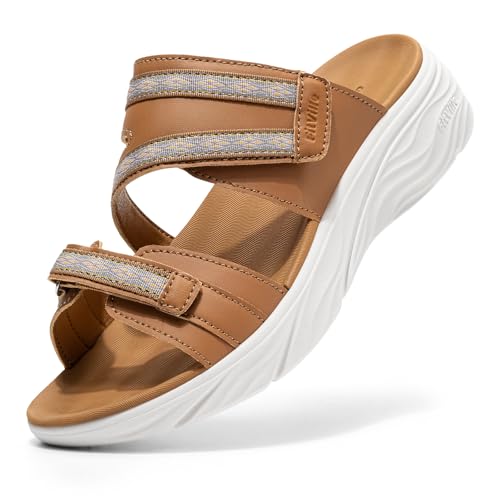
FitVille’s wide slide sandal is built for shoppers who need more room around the forefoot. The open design leaves space near the bunion instead of covering it with a narrow strap. Its wedge shape may also feel more supportive than a thin, flat flip-flop during short walks. The slip-on format makes it easy to use around the home, pool, patio, or store.
I like this style for people who want a sandal that feels simple but still has an orthopedic focus. The wide fit can help reduce side pressure, though the correct size remains important. A sandal should hold the foot without squeezing it or letting it slide forward. The brown finish also works well with casual summer clothes, so this pair does not look like a medical shoe.
Pros:
- Wide shape gives the bunion area more breathing room
- Slip-on design saves time and avoids hard bending
- Wedge sole offers more lift than a basic flat sandal
- Useful for casual walks, errands, and home wear
- Open upper helps reduce heat in warm weather
- Neutral brown color pairs with many outfits
Cons:
- Open slides may not feel secure for fast walking
- Wedge height may take time to get used to
- Wide sizing can feel loose on a narrow foot
Caretras Adjustable Bunion Corrector Set
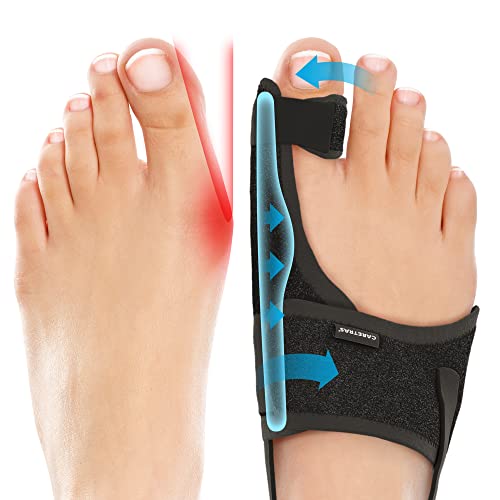
Caretras is not a sandal, but it can support a sandal-based comfort plan. This two-pack uses a separator and adjustable support to help place the big toe in a more natural position. Some users may find it useful at night or during quiet periods at home. It can also add a soft layer between the toes when shoes or sandals cause rubbing.
I would not treat a bunion corrector as a cure or a permanent way to change bone shape. Its main value is comfort, spacing, and gentle support. Wear it only as directed and stop if it causes numbness, skin marks, or more pain. Because it is worn under or inside footwear, it works best with sandals that already have enough room.
Pros:
- Two-piece set allows use on both feet
- Adjustable design helps users find a better fit
- Toe separator may reduce rubbing between the toes
- Can support daytime or nighttime use
- Useful with roomy sandals and wide shoes
- Small design makes it easy to pack for travel
Cons:
- It does not replace a wide, supportive sandal
- May not fit comfortably inside snug footwear
- Results vary with bunion size and foot shape
Ecetana Women’s Comfortable Bunion Slide Sandals

Ecetana’s bunion slides focus on easy summer comfort. The flat profile and open upper make them a practical choice for light daily use. A slide can be helpful when a closed shoe presses against the bump on the side of the foot. The casual look also makes this pair suitable for quick trips, indoor wear, and relaxed travel days.
These sandals may suit people who prefer a low, simple sole rather than a raised wedge. Still, a flat sandal is not automatically supportive, so I would pay close attention to arch comfort and heel stability. They are best for gentle walking on even surfaces. For long walks, a sandal with stronger cushioning and a shaped footbed may be a better choice.
Pros:
- Open design leaves more space around the bunion
- Easy slide-on construction works well for daily routines
- Light summer style feels less bulky than a closed shoe
- Flat sole suits users who dislike added heel height
- Casual design works with shorts, jeans, and beach clothes
- Good option for indoor and short outdoor wear
Cons:
- Flat construction may not provide enough arch support for everyone
- Slides can move on the foot during brisk walking
- May offer less protection on rough ground
Cephalyxion Women’s Wide Toe-Loop Sandals

Cephalyxion combines a wide-foot design with a toe-loop layout and built-in arch support. The mesh-like upper may help air move around the foot on hot days. Its lightweight build is appealing for beach use, casual travel, and everyday summer errands. The toe loop can help keep the sandal in place better than a loose slide.
Toe loops need careful attention when you have a bunion. The loop should sit between the toes without rubbing the bunion or pressing the big toe inward. I would wear this pair for a short time indoors first. If the arch shape matches your foot and the loop feels smooth, this can be one of the more secure choices for people who dislike loose sandals.
Pros:
- Wide-foot shape helps reduce crowding near the big toe joint
- Arch support may improve comfort on daily walks
- Lightweight upper feels suitable for warm weather
- Toe loop can improve hold compared with a basic slide
- Breathable design helps reduce trapped heat
- Useful for casual, beach, and travel settings
Cons:
- Toe loop may rub users with sensitive skin
- Arch support may feel too high or too low for some feet
- Flip-flop styling is not ideal for demanding hikes
Dr. Scholl’s Bunion Relief and Toe Corrector

Dr. Scholl’s toe corrector is another support product rather than a sandal. It combines gel cushioning with a splint-style design for the big toe and bunion area. The gel can help create a buffer between tender skin and footwear. The set includes support for the left and right foot, which makes it convenient for people with symptoms on both sides.
I see this as a useful add-on for roomy sandals, not a reason to choose tight sandals. A corrector needs space to sit flat without folding or pressing into the skin. It may help reduce friction during light activity, but it cannot remove the structural cause of a bunion. Check your skin often, especially if you have diabetes, reduced sensation, or poor circulation.
Pros:
- Gel material helps cushion the sensitive bunion area
- Left-and-right support set covers both feet
- May reduce rubbing from sandal edges
- Can complement wide sandals with open space
- Recognizable brand makes replacement shopping simple
- Compact design is easy to store and carry
Cons:
- Needs roomy footwear to avoid added pressure
- May slide out of place during long walks
- Not a substitute for medical care or proper footwear
Geettcaifu Gel Bunion Relief Sleeves

Geettcaifu offers a sleeve-style approach to bunion comfort. The elastic fabric holds a gel cushion over the big toe joint, which may reduce direct rubbing from sandal straps. Its nude color can blend better with skin than bright fabric. The two-piece design gives you a spare or lets you use one sleeve on each foot.
Sleeves can feel less bulky than a rigid corrector, but they still need a good fit. If the fabric feels too tight, it may create pressure rather than remove it. I would use this product with sandals that have soft, adjustable straps and plenty of toe room. It is especially practical for people who want light padding during short daily activities.
Pros:
- Gel cushion helps protect the bunion from strap friction
- Sleeve design stays closer to the foot than loose pads
- Soft appearance works well with open summer footwear
- Two-piece pack offers convenient daily rotation
- May help users who dislike hard splints
- Compact shape fits easily in a travel bag
Cons:
- Elastic fit may feel tight on swollen feet
- Gel padding can make some sandals feel crowded
- May not stay in place during heavy activity
TASZOOS Waterproof Gel Bunion Pads

TASZOOS gel pads are made for shoppers who want simple cushioning without a full sleeve or splint. The 20-piece pack can be useful when you need regular replacements or want to keep pads in several pairs of sandals. Waterproof construction may help during warm weather, light moisture, and some outdoor use. The small format also makes these pads easy to carry.
These pads work best when placed on clean, dry skin or where the sandal causes rubbing, based on the product directions. They can soften contact, but they cannot correct foot alignment or replace a supportive footbed. I would test one pad at home before wearing it for a full day. If the adhesive loosens or the gel shifts, the sandal may need a different solution.
Pros:
- 20-piece quantity supports frequent replacement
- Gel material creates a soft barrier over sore areas
- Waterproof design suits summer and outdoor use
- Small size makes storage and travel easy
- Useful for occasional strap rubbing
- Can cost less per use than a larger support device
Cons:
- Pads may move on sweaty or damp skin
- They provide cushioning but not arch support
- Placement may take trial and error
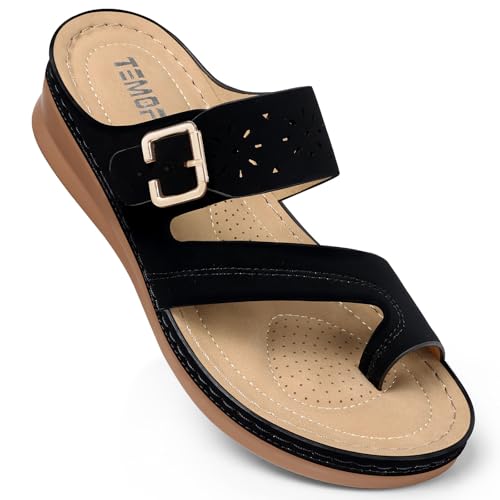
Women’s Orthopedic Bunion Sandals with Arch Support

This orthopedic sandal is aimed at women who want bunion-friendly space with a more structured summer look. The design highlights arch support, a soft sole, and a breathable upper. Those features can make a difference when a thin fashion sandal leaves the foot tired. The platform shape may also add some cushion between the foot and hard pavement.
I would consider this style for travel, casual outings, and light walking, provided the fit feels stable. A platform can improve comfort, but too much height can make the ankle less steady. Look for enough room at the toe box and a strap that holds the heel or midfoot. The best sandals for bunion pain should feel supportive without forcing the toes into a fixed position.
Pros:
- Arch support may reduce strain during casual walking
- Soft sole helps cushion contact with hard ground
- Breathable upper suits warm summer weather
- Platform profile may feel more protective than a thin sole
- Designed with bunion comfort in mind
- Works for casual travel and everyday outfits
Cons:
- Platform height may feel unstable for some users
- Fit can vary between foot shapes
- Not the best choice for uneven trails or fast movement
Women’s Wide Orthopedic Sport Sandals

This wide sport sandal is built for users who need more adjustment than a fixed strap can provide. Hook-and-loop closures can help accommodate bunion swelling, wider feet, or changes during the day. The design also targets arch support and walking comfort, making it more suitable for active use than a simple pool slide. Its sport look may appeal to people who value function over a dressy finish.
I would pay close attention to the sole flex and overall weight before using this pair for long distances. A stable walking sandal should hold the foot without forcing the toes to grip. Adjustable straps are helpful, but they should not cross directly over a tender bunion. This may be one of the better options for users who need wide, adjustable footwear for errands, travel, or light recreational activity.
Pros:
- Wide shape gives swollen feet more usable space
- Hook-and-loop straps allow quick fit changes
- Sport design suits walking and active daily use
- Arch support may help reduce foot fatigue
- Useful for people with changing foot volume
- More secure than an open slide for many activities
Cons:
- Sport styling may not suit formal clothing
- Straps need careful placement over the bunion
- May feel warmer than a very open sandal
How I Choose Sandals for Bunion Pain
When I compare the best sandals for bunion pain, I start with the toe box. The front of the sandal should give the toes room to spread. A pointed shape is a poor match for a bunion because it pushes the big toe toward the others. Width matters more than a listed size, so I always suggest checking measurements and reading recent fit comments.
Next, I check the straps. A strap that lands on the bunion can create pain even when the sole feels soft. Adjustable straps are useful because feet can swell during heat, travel, or long periods of standing. Soft materials also help, but softness alone does not solve a poor fit.
I also look for a footbed that supports the whole foot. Arch support should meet the arch without feeling like a hard lump. Cushioning should absorb some impact, yet the sandal should not feel so soft that the foot rolls from side to side. The right balance feels like a firm pillow under the foot: gentle, but steady.
Heel stability is another key point. Loose flip-flops make the toes grip the ground, and that can tire the forefoot. A back strap or a secure midfoot strap may help during longer walks. For short trips, a slide can work well, but I would not choose a loose slide for steep paths or crowded streets.
What Causes Bunion Sandal Pain?
A bunion is a change in the alignment of the big toe joint. The bump can rub against shoes and sandals, which may lead to soreness, redness, or thick skin. Some people also feel pain under the front of the foot because the way they walk changes. Foot shape, family history, arthritis, and footwear can all play a role.
Sandals cannot reverse a bunion. They can, however, reduce common sources of pain. A wide toe area reduces side pressure, while a smooth upper reduces rubbing. A stable sole may also lower the load placed on the sore joint during each step.
Medical groups commonly advise wearing shoes with enough room for the toes and avoiding narrow, pointed footwear. That advice applies to sandals too. If pain persists despite better footwear, a podiatrist can check the joint and discuss treatment options.
How to Get the Right Sandal Fit
Measure both feet near the end of the day. Feet often swell after hours of standing, and a morning-only measurement can lead to a tight purchase. Measure length and width while standing, then compare those numbers with the brand’s size chart. Do not assume that your usual size will fit every sandal.
Try sandals with the socks or inserts you plan to use. Stand up and walk on a flat surface. Your toes should not hang over the edge, and the bunion should not press against a strap. Leave a little space in front of the longest toe and check that the heel does not slide off the back.
Pay attention to warning signs. Numb toes, tingling, sharp pressure, skin discoloration, or a burning feeling means the fit needs attention. A sandal may feel fine for five minutes but hurt after an hour. I recommend starting with short indoor wear and increasing time slowly.
Sandals Versus Bunion Pads and Correctors
Sandals and bunion supports solve different problems. Sandals change the way the foot meets the ground and how straps touch the skin. Pads and sleeves add a cushion between the foot and the footwear. Correctors may provide gentle toe spacing, but they do not turn a narrow sandal into a wide one.
For many users, the best plan is to begin with a roomy sandal. Add a pad only if a specific spot still rubs. If you use a sleeve or corrector, make sure the sandal has enough internal space. Too many layers can crowd the toes and make pain worse.
People with diabetes, poor circulation, neuropathy, or fragile skin should use extra care. They may not feel harmful pressure right away. A health professional can offer safer guidance and check the skin for damage.
Care Tips for Bunion-Friendly Sandals
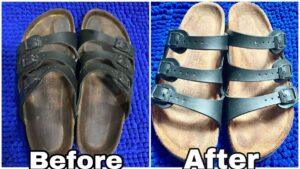
Keep sandals clean and dry. Sweat can make straps stiff and increase rubbing. Follow the care directions for the upper and footbed, and let the sandals air out before wearing them again. Avoid strong heat, which can warp some soles and adhesives.
Inspect the footbed and straps often. A rough edge can turn a comfortable sandal into a source of blisters. Replace worn sandals when the sole tilts, the tread disappears, or the footbed no longer supports you. Even the best sandals for bunion pain lose value when the structure breaks down.
Rotate between two pairs if possible. This gives each pair time to dry and lets you choose the right level of support for the day. A soft slide may work for home, while an adjustable sport sandal may suit a long errand.
My Recommendation
For most shoppers, the FitVille wide orthopedic slide is the strongest starting point because it combines a roomy shape, easy entry, and a raised supportive sole. It suits people who want quick everyday footwear and need extra space near a bunion. Choose the Ecetana slide if you prefer a lower, simpler profile. Choose the Cephalyxion sandal if you want arch support and a more secure toe-loop fit.
The wide sport sandal is the better choice for active users, swollen feet, or anyone who needs adjustable hook-and-loop straps. Caretras, Dr. Scholl’s, Geettcaifu, and TASZOOS are best viewed as comfort add-ons rather than replacements for supportive footwear. Together, these options cover many needs, from light rubbing protection to wider walking sandals. Availability and colors can change on Amazon, so review the current size chart and seller details before ordering.
| Best for | Why |
|---|---|
| Best overall daily use | FitVille offers a wide fit, easy slip-on use, and a supportive wedge shape. |
| Best for active walking | The adjustable wide sport sandal gives a more secure fit and room for swelling. |
| Best for extra cushioning | Gel sleeves and pads help reduce rubbing when used with roomy sandals. |
FAQs Of Best Sandals for Bunion Pain
What features should I look for in sandals for bunions?
Look for a wide, rounded toe area, soft straps, a stable sole, and enough arch support for your foot. Avoid straps that press directly on the bunion. Adjustable closures are helpful when your feet swell.
Are flat sandals good for bunion pain?
Flat sandals can feel comfortable for short use, but many have little cushioning or arch support. Choose a flat pair only if it holds your foot well and does not make your toes grip the ground. A shaped footbed may work better than a very thin sole.
Can bunion correctors fix a bunion?
Correctors may offer toe spacing or comfort, but they do not permanently remove a bunion. Use them only if they feel gentle and do not cause numbness or skin pressure. Ask a foot specialist about ongoing or severe symptoms.
Should I wear bunion pads with sandals?
You can, if the sandal has enough room. A pad may reduce rubbing from a strap, but it can make a close-fitting sandal feel tighter. Test the combination indoors before wearing it for a full day.
When should I see a doctor about bunion pain?
Seek medical advice if pain limits normal activity, swelling continues, the skin breaks, or the bunion changes quickly. People with diabetes or reduced foot sensation should seek guidance before using new pads or correctors.
Final Verdict: Which Should You Buy?
The FitVille wide orthopedic slide is my top pick for most shoppers. It gives the bunion more room and offers easy daily comfort. Active users may prefer the adjustable sport sandal.
The best sandals for bunion pain should fit wide, feel stable, and avoid pressure. Start with short wear, check your skin, and choose comfort over fashion.
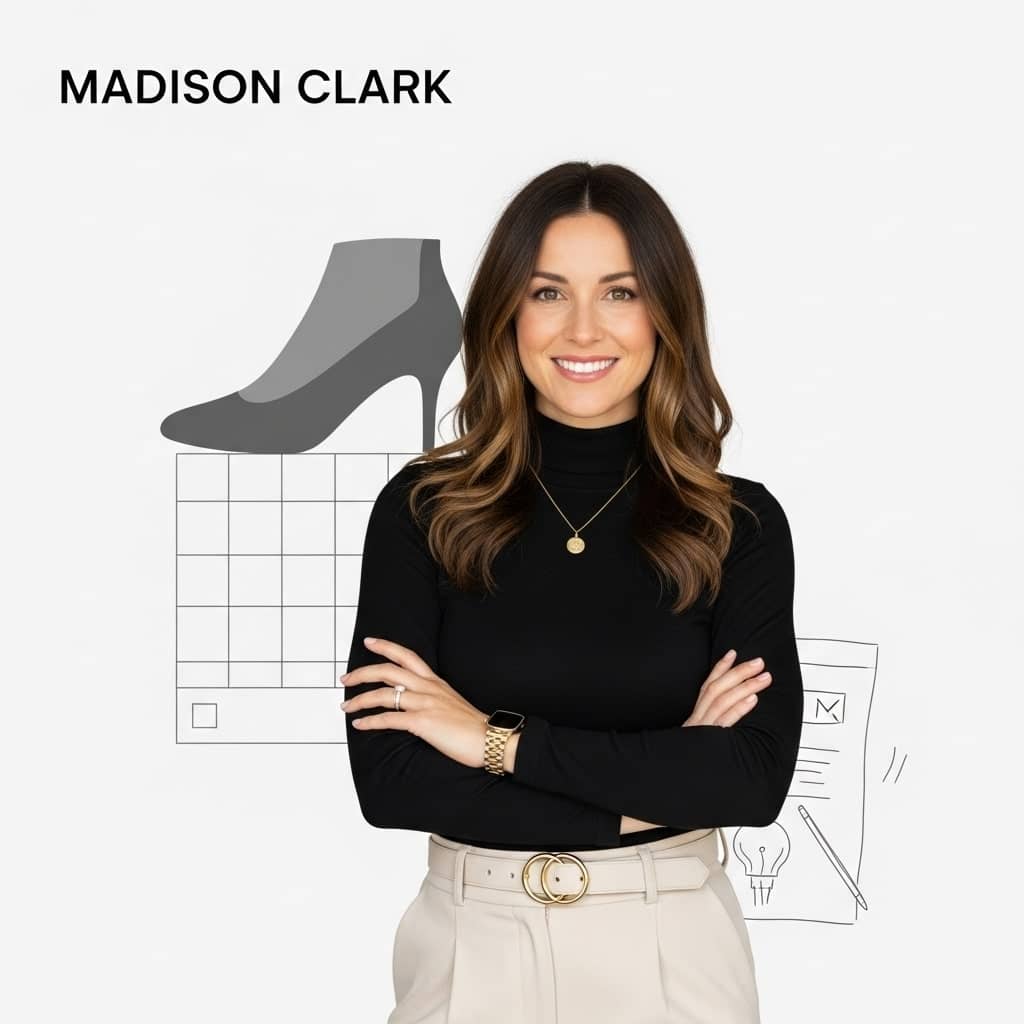
Madison Clark is a footwear expert and the voice behind MyStyleGrid.com. She specializes in honest shoe reviews, style tips, and practical guides to help readers find the perfect pair for any occasion. With years of experience in blogging and content creation, Madison makes footwear knowledge simple, stylish, and easy to follow.