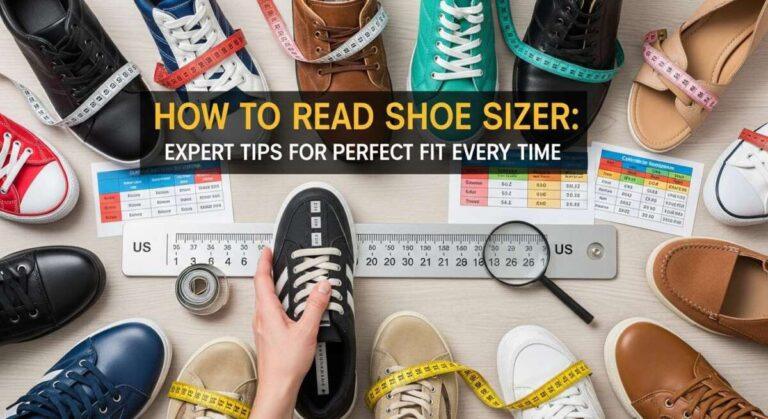
Have you ever bought shoes online only to find they don’t fit right? Understanding how to read shoe sizes can save you from that frustrating experience.
When you know exactly what those numbers and letters mean, you can pick the perfect fit every time. You’ll learn simple tips to decode shoe sizes with confidence. By the end, you’ll feel ready to shop for shoes without second-guessing your size.
Keep reading to discover the secrets behind shoe sizing and make your next purchase a perfect match.
Shoe Size Basics
Shoe size basics help you find the right fit for your feet. Shoes that fit well feel comfortable and support your feet. Understanding shoe sizes helps avoid buying shoes that are too tight or too loose. This guide explains key points about shoe sizes to make shopping easier.
Different Measurement Systems
Shoe sizes use different systems worldwide. The US, UK, and Europe each have their own size scales. The US system measures men’s and women’s sizes differently. European sizes use numbers without separate categories. Japan uses a system based on foot length in centimeters. Knowing these systems helps you choose shoes across countries.
Understanding Width And Length
Shoe size includes length and width. Length is the distance from heel to toe. Width shows how wide the shoe is at its widest point. Width uses letters like B, D, or E. A correct width prevents pinching or slipping. Both length and width must fit well for comfort.
Common Size Conversions
Size conversions help compare sizes from different systems. For example, a US 9 often equals a UK 8 and EU 42. Women’s sizes are usually one size smaller than men’s in the US. Conversion charts list sizes side by side. Using these charts reduces mistakes when buying shoes online or from other countries.

Credit: www.selectfas.com
Measuring Your Feet
Measuring your feet correctly is the first step to finding shoes that fit well. Shoes that fit perfectly feel comfortable and prevent foot problems. Many people wear shoes that are the wrong size because they do not measure their feet properly. A simple foot measurement can help you choose the right shoe size every time.
Tools You Need
Gather a ruler or tape measure with centimeters or inches. Use a piece of paper larger than your foot. Have a pen or pencil ready to mark the paper. A hard, flat surface like a floor is best for measuring. Wear the socks you plan to wear with the shoes.
Step-by-step Measuring Process
Place the paper on the flat surface. Stand on the paper with your full weight. Make sure your foot is flat and steady. Mark the longest part of your foot (heel to toe). Draw a line at the back of your heel. Mark the tip of your longest toe. Use the ruler to measure the distance between the marks. Write down the length in centimeters or inches. Repeat with the other foot, as sizes may differ.
When To Measure For Best Accuracy
Measure your feet at the end of the day. Feet tend to swell after walking or standing. Measuring then gives the most accurate size. Also, measure while wearing the socks you plan to use. This helps ensure a better fit. Avoid measuring your feet in the morning. Your feet may be smaller and give wrong results.
Interpreting Shoe Size Labels
Understanding shoe size labels helps find the right fit quickly. Shoe sizes vary by country and brand. Knowing how to read size labels avoids buying shoes that don’t fit well. This section explains how to interpret shoe size labels effectively.
Reading Size Charts
Size charts show measurements for feet and shoe sizes. They usually list length in inches or centimeters. Match your foot measurement to the chart to find the size. Look carefully for the unit used in the chart. Some charts include width sizes too. Use size charts for better fitting shoes.
Decoding Brand Variations
Different brands may use different sizing systems. Some brands run small or large compared to standard sizes. Check the brand’s size guide before buying. Brands may also label sizes by region, like US, UK, or EU. Always compare the brand’s size to your foot measurement. This reduces surprises when the shoes arrive.
Spotting Inconsistencies
Shoe sizes can vary even within the same brand. Changes in shoe design affect the fit. Look for customer reviews about sizing accuracy. Notice if shoes run narrow or wide. Check return policies for size exchanges. Spotting these issues helps avoid discomfort and returns.

Credit: www.reddit.com
Tips For Trying Shoes On
Trying shoes on is an important step to find the right fit. Shoes that fit well feel comfortable and support your feet. Follow these simple tips to make sure your shoes fit perfectly before buying.
Ideal Time Of Day
Try shoes on later in the day. Feet swell a bit after walking and standing. Shoes that fit in the morning may feel tight in the evening. Testing shoes when your feet are their largest helps avoid discomfort.
Testing Fit And Comfort
Walk around the store or room to check comfort. Shoes should feel snug but not tight. There should be about half an inch of space in front of your longest toe. Make sure the heel does not slip when you walk.
Considering Socks And Inserts
Wear the socks you plan to use with the shoes. Thick or thin socks change how shoes fit. If you use inserts or orthotics, bring them along. Test shoes with inserts inside to check true fit and comfort.
Adjusting For Different Shoe Types
Different shoe types fit differently. Adjusting your shoe size for each type helps ensure comfort and support. Each shoe style has its own shape and purpose. This affects how the shoe fits your foot. Knowing these differences stops discomfort and foot pain.
Athletic Vs Casual Shoes
Athletic shoes often need extra space. Your feet swell during exercise. Choose a size slightly bigger than casual shoes. Casual shoes fit snug but not tight. They have less padding and support than athletic shoes. Always try on shoes with the socks you plan to wear.
Boots And Formal Shoes
Boots usually have a wider fit around the ankle. They need room for thicker socks in cold weather. Formal shoes are often narrower and less flexible. Pick a size that allows a small gap at the toes. Tight formal shoes cause blisters and discomfort after long wear.
Children’s Shoe Sizing
Children’s feet grow fast. Measure their feet often to find the right size. Kids need extra room for growth but not too loose. Shoes that are too big cause tripping. Pay attention to width as children’s feet can be narrow or wide. Comfort supports healthy foot development.

Credit: brannock.com
Common Fit Problems And Fixes
Shoe fit problems can cause discomfort and affect how you walk. Finding the right size is important, but sometimes shoes still feel tight or loose. Fixing these common issues helps you enjoy your shoes more. Here are easy ways to handle tight or loose shoes and improve fit with simple tools.
Dealing With Tight Shoes
Tight shoes pinch your feet and cause pain. Wearing them can lead to blisters or sore spots. Try wearing thick socks and gently stretch the shoes at home. Use a hairdryer on low heat while flexing the shoe to soften the material. Another option is using a shoe stretcher to widen the tight areas. Always stretch slowly to avoid damaging the shoe.
Handling Loose Shoes
Loose shoes slip off and cause instability. They can cause blisters from rubbing. Add heel grips or cushioned inserts to improve fit. Thick socks can also fill extra space. You can try tightening the laces or using tongue pads to prevent slipping. These simple fixes help your feet stay secure inside the shoe.
Using Insoles And Stretchers
Insoles add comfort and improve shoe fit. They lift your foot to reduce extra space in loose shoes. Insoles come in many types, like gel, foam, or arch support. Shoe stretchers expand the shoe’s width or length gently. Use them carefully and check fit often. Combining insoles with stretchers can solve many fit problems.
Maintaining Shoe Fit Over Time
Maintaining the right shoe fit over time helps keep feet comfortable and healthy. Shoes can change shape after wear. Feet also change size with age and activity. Paying attention to fit can prevent pain and injury. Regularly checking shoes helps avoid problems before they start.
Breaking In New Shoes
New shoes may feel stiff at first. Wear them for short periods to soften materials. Walk on different surfaces to help shoes mold to feet. Avoid wearing new shoes for long hours immediately. This process reduces discomfort and blisters.
Foot Changes And Resizing
Feet naturally grow and shrink over time. Weight gain or loss affects shoe fit. Swelling can happen after exercise or long walks. Measure your feet every few months. Choose shoes that allow room for slight changes.
When To Replace Shoes
Shoes lose support and cushioning after long use. Worn soles can cause slipping or pain. Check for holes or tears in the material. Replace shoes if they feel uncomfortable or cause aches. Fresh shoes protect feet and improve walking comfort.
Frequently Asked Questions
What Does Shoe Size Number Mean?
Shoe size numbers represent the length and width of your foot. Different sizing systems exist, like US, UK, and EU. Knowing your size helps find comfortable shoes that fit well. Sizes may vary by brand, so always check their specific size chart.
How To Measure Foot Length For Shoe Sizing?
Place your foot on a ruler or measuring tape. Measure from the heel to the longest toe. Record the length in inches or centimeters. Compare this measurement with the shoe size chart to find your correct size.
Why Do Shoe Sizes Differ Between Brands?
Brands use different sizing standards and lasts. Manufacturing variations affect shoe length and width. Always try shoes on or check brand-specific size guides. This helps avoid buying shoes that are too tight or too loose.
What Is The Difference Between Us And Eu Shoe Sizes?
US and EU use different numbering systems for shoe sizes. US sizes are typically smaller numbers than EU sizes. Always convert your size using a reliable chart when shopping internationally. This ensures a better shoe fit.
Conclusion
Reading shoe sizes is easier than you think. Just know your measurements and the sizing chart. Different brands may use different scales, so check each time. Pay attention to length and width for a good fit. Remember, trying shoes on helps avoid mistakes.
Understanding shoe sizes saves time and money. Now, you can choose shoes with confidence. No more guessing or buying the wrong size. Simple steps make shoe shopping stress-free and clear. Keep practicing, and it will become second nature.

Madison Clark is a footwear expert and the voice behind MyStyleGrid.com. She specializes in honest shoe reviews, style tips, and practical guides to help readers find the perfect pair for any occasion. With years of experience in blogging and content creation, Madison makes footwear knowledge simple, stylish, and easy to follow.