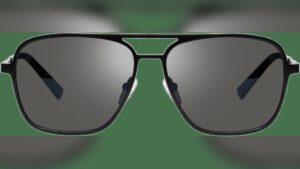
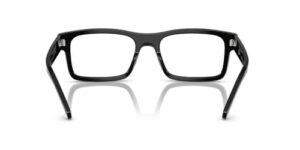
Use a precision screwdriver and a matching replacement screw to fix the loose or missing hinge screw quickly.
I’ve fixed dozens of pairs of sunglasses, from cheap fashion frames to higher-end polarized glasses. I’ll guide you step by step on how to replace missing screw in sunglasses, how to pick the right parts and tools, and when to hand the job to a pro. This guide is practical, tested, and written so you can get your shades back on your face fast.
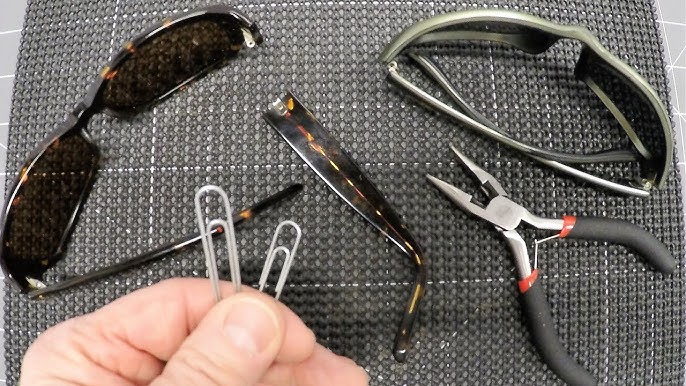
Why sunglasses screws fall out
Screws can back out over time. Heat, sweat, and daily wear loosen threads. Poor initial fit or tiny parts that weren’t tightened well also cause loss.
Common causes include:
- Small vibrations from putting glasses on and off
- Corrosion from sweat or saltwater
- Plastic frames that wear out screw holes
- Improper or worn screws from low-quality frames
Knowing the cause helps you fix the issue right and avoid repeats. I’ve seen plastic frames strip faster than metal ones, so check the material before choosing a repair method.

Tools and materials you’ll need
Having the right tools makes the job fast and safe. Use small, precise tools to avoid scratching lenses or damaging the frame.
Essentials:
- Precision screwdriver set with flat and Phillips bits
- Replacement screw kit sized for eyewear (tiny hex, Phillips, or slotted screws)
- Tweezers for handling small screws
- Magnifying glass or head loupe for tiny work
- Optical threadlocker or a tiny dab of clear nail polish (optional)
- Microfiber cloth to protect lenses
- Small container to keep screws safe
Optional helpful items:
- Eyeglass repair kit that includes pads, nose screws, and spare screws
- Matchstick or toothpick for applying threadlocker or polish

Step-by-step: how to replace missing screw in sunglasses
These steps work for most hinge screws and screws holding lenses. Work on a soft surface. Keep parts organized.
- Inspect the area
- Check whether the screw is truly missing or just loose.
- Look at the screw hole threads and the hinge for damage.
- Choose the right screw
- Match screw diameter and length. Use the original if you have it.
- If unsure, try screws from a small eyewear kit until one fits snugly.
- Prepare the workspace
- Lay a microfiber cloth down. This protects lenses and keeps parts from rolling away.
- Insert the screw carefully
- Use tweezers to hold the screw. Start threading by hand if possible.
- Use a small screwdriver and turn slowly. Tighten until snug. Do not over-tighten.
- Secure the screw (optional)
- Add a tiny dab of optical threadlocker or clear nail polish to the screw head. Let dry fully.
- This prevents the screw from backing out while still allowing later removal.
- Test the hinge and fit
- Open and close the temples a few times. Check for play or resistance.
- Make small adjustments if required.
- Final cleanup
- Wipe lenses and frame clean. Store leftover screws in a labeled container.
If a hole is stripped in plastic, use a tiny bit of super glue in the hole, let it cure, then reinsert the screw. For metal threads that are damaged, a slightly larger screw or professional re-tapping may be needed.

How to match the right screw size and type
Screws vary by thread, head style, and length. Matching these factors prevents damage.
Things to check:
- Thread type: Fine threads are common in eyewear.
- Head style: Phillips, slotted, or hex; choose the correct screwdriver.
- Diameter and length: A screw that’s too long will poke through; too short won’t hold.
How I match screws quickly:
- Compare the hole and hinge thickness side-by-side with screws from a kit.
- Use a magnifier to inspect thread pitch.
- When in doubt, start one size up in diameter and check fit. Avoid forcing screws.

Quick fixes when you’re on the go
You don’t need a bench to stop a loose hinge from falling apart. Use simple tricks to keep sunglasses wearable until a proper repair.
Fast fixes:
- Replace with a tiny screw from a multi-kit or a compact eyeglass kit in your bag.
- Use a tiny piece of clear tape wrapped across the hinge as a temporary hold.
- Apply a spit-and-hold method for emergency only: place screw and hold temple closed until you reach a safe place (not a long-term solution).
- Carry a small eyeglass repair kit in your travel bag or car for emergencies.
These fixes are temporary. Schedule a proper fix as soon as possible.

When to seek professional repair or replacement
Some problems need expert tools or parts. Go to a professional when you see any of these issues:
Signs to get pro help:
- Stripped or damaged screw holes in plastic frames
- Broken hinges or missing hinge pins
- Screws that break inside the frame
- High-value or branded sunglasses with warranty considerations
A pro can re-tap threads, install inserts, or replace a hinge. For expensive frames, professional work is often cheaper than risking permanent damage.

Maintaining your sunglasses to avoid lost screws
Prevention keeps small parts in place. Regular care helps frames last longer.
Maintenance tips:
- Check screws monthly and tighten lightly if needed.
- Avoid leaving glasses in hot cars where heat loosens adhesives and screws.
- Clean frames gently and avoid chemical exposure to small metal parts.
- Store sunglasses in a hard case when not in use.
A quick weekly look can save a lost day and replacement cost.

Replacement screw sources and costs
Screws are cheap but vary by quality and fit. Here’s where to look and what to expect.
Where to buy:
- Eyeglass repair kits: usually contain multiple screw sizes and cost around $5–$15.
- Optical stores: more precise matches and professional help; cost varies.
- Online specialty shops: offer OEM screws for specific brands; prices vary by part.
Cost expectations:
- Single replacement screws are often under $1 each.
- A small repair kit is a good value and usually under $15.
Buying a kit is the best choice if you own more than one pair of glasses.
People also ask (PAA-style questions)
Q: How tight should eyewear screws be?
A: Tight enough that the hinge is stable but not so tight that the frame binds or strips. A gentle snug is ideal.
Q: Can I use super glue instead of a screw?
A: Super glue can hold in a pinch but is not a durable or adjustable solution. It can complicate future repairs.
Q: How often should I check sunglasses screws?
A: Check screws monthly or after heavy use, such as sports or travel.
Frequently Asked Questions of how to replace missing screw in sunglasses
How do I find the correct screw size for my sunglasses?
Measure the hole size or compare screws from a kit. Try a few tiny sizes until one fits snugly without forcing.
Will threadlocker damage my sunglasses?
No, a small amount of optical-grade threadlocker or clear nail polish is safe when used sparingly. Avoid excess near lenses.
Can I replace a screw if the hole is stripped?
Yes. For stripped plastic, you can use a tiny drop of glue, a toothpick with glue, or have a pro install a thread insert. Metal repairs need re-tapping.
Is it safe to use generic screws on branded sunglasses?
Generic screws often work fine. For high-end frames, consider OEM parts or professional service to preserve fit and finish.
How long does a proper screw repair last?
A correct repair lasts months to years if done well. Using threadlocker and proper torque extends the life of the repair.
Can I do this repair without tools?
A small eyeglass kit or basic screwdriver set is strongly recommended. Trying to force screws without proper tools risks damage.
Conclusion
You can replace a missing screw in sunglasses quickly and safely with the right tools, a matched screw, and a steady hand. Regular checks and small fixes prevent larger damage. Try the steps above on your next loose screw, and carry a tiny repair kit so you’re never stranded.
Take action: tighten a loose screw today, or pick up a small repair kit for future use. If you found this helpful, leave a comment or share your repair story.

Rubel Miah is the Senior Editor at MyStyleGrid.com, where he brings a sharp editorial eye and an unshakable love for fashion to everything he does. A true style addict, Rubel lives and breathes trends, from streetwear to high fashion, and has a knack for turning inspiration into impactful stories. With years of experience in fashion journalism and digital media, he curates content that empowers readers to express themselves through style. When he’s not editing features or forecasting the next big thing, you’ll find him hunting down vintage pieces or capturing street style moments around the city.