Are your favorite leather shoes looking tired, scuffed, or worn out? You don’t have to toss them aside or spend a fortune on a new pair.
Imagine bringing back that smooth shine and fresh feel with just a few simple steps. In this guide, you’ll discover easy and effective ways to restore your leather shoes, making them look almost brand new again. Keep reading, and you’ll learn how to save your shoes and keep them lasting longer—because your shoes deserve a second chance.
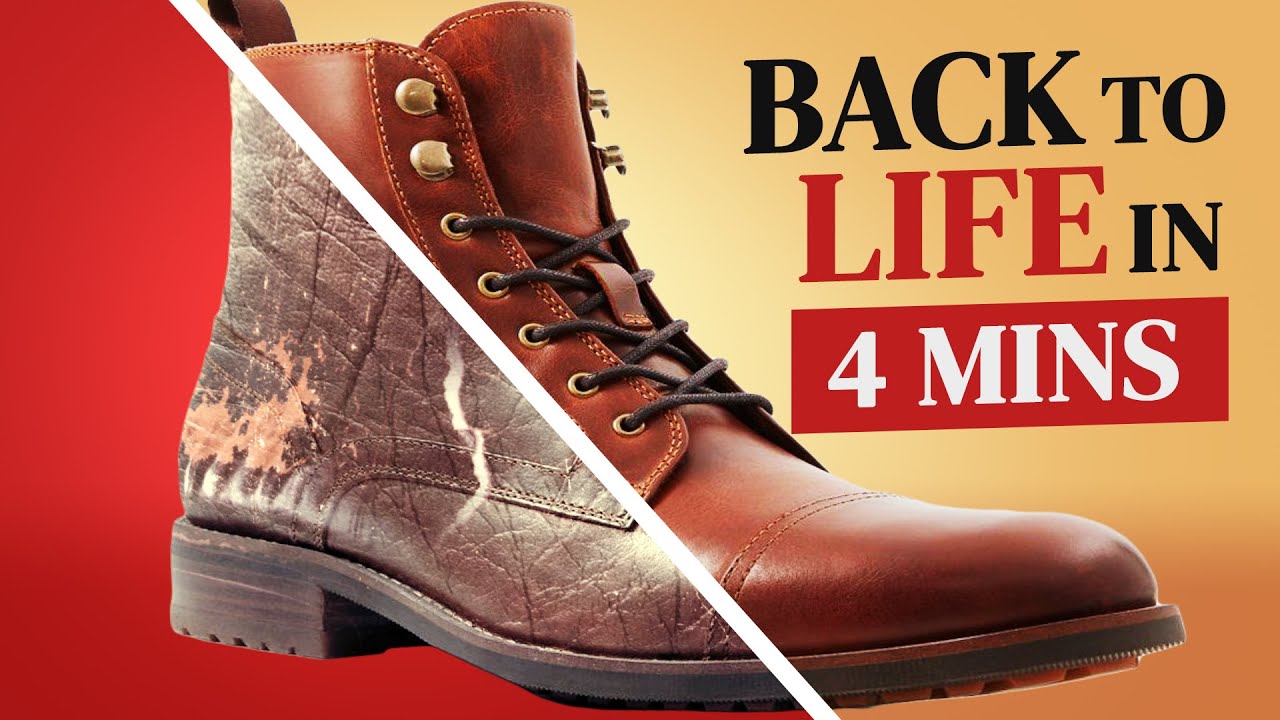
Credit: www.youtube.com
Assessing Leather Shoe Damage
Assessing leather shoe damage is the first step in restoring their look and feel. It helps to know what kind of problems your shoes have. This knowledge guides the restoration process. Careful inspection can reveal small issues before they become big problems.
Identifying Common Wear And Tear
Leather shoes often show signs of wear on the soles and heels. The edges may scuff or rub off color. Look for areas where the leather feels thinner or rough. These signs show normal use and aging. Noticing these early helps in planning repair steps.
Spotting Stains And Discoloration
Stains on leather can come from water, dirt, or spills. Check for dark spots or patches that look different. Discoloration may appear as faded or uneven color. These marks affect the shoe’s appearance. Knowing the stain type helps choose the right cleaning method.
Checking For Cracks And Dryness
Leather can dry out and crack over time. Look closely for fine lines or splits on the surface. Dry leather feels stiff and rough instead of soft and smooth. Cracks reduce the shoe’s lifespan if left untreated. Moisturizing and conditioning prevent further damage.
Gathering Restoration Supplies
Restoring leather shoes starts with having the right supplies. Good tools and products make the process easier and more effective. Preparing these items first saves time and helps avoid mistakes. Choose items that suit your shoe type and condition. This section lists key supplies needed for a smooth restoration.
Essential Cleaning Tools
Cleaning is the first step in restoration. Use a soft brush to remove dirt and dust. A damp cloth helps wipe away surface stains. Avoid harsh scrubbing, which can damage leather. Use a gentle leather cleaner to break down grime. Clean shoes dry before moving to the next step.
Recommended Leather Conditioners
Leather conditioners restore moisture and flexibility. Pick a conditioner made for your shoe’s leather type. Apply conditioner evenly with a soft cloth. Let it absorb to prevent cracks and dryness. Regular conditioning keeps leather soft and extends shoe life.
Choosing The Right Polishes And Dyes
Polishes protect and shine leather shoes. Choose a polish color close to your shoe shade. Wax-based polishes provide a strong shine and protection. Cream polishes nourish leather and add color. Dyes help fix deep scratches or color loss. Test dyes on a small spot first.
Cleaning Leather Shoes
Cleaning leather shoes is the first step in restoring their shine and durability. Dirt and dust settle on the surface every day. Removing these particles helps keep the leather healthy and looking good. Proper cleaning also prepares the shoes for deeper treatment and conditioning.
Removing Dirt And Dust
Start by brushing off loose dirt with a soft brush. Use gentle strokes to avoid scratching the leather. A dry cloth can wipe away dust in hard-to-reach areas. Always clean shoes after each use to prevent buildup. This simple habit extends the life of your leather shoes.
Treating Stubborn Stains
Stains need special care to avoid damage. Dab the stained area with a damp cloth. Avoid rubbing, which can spread the stain. For oil or grease marks, sprinkle talcum powder or cornstarch and let it sit. After a few hours, brush off the powder gently. Repeat if needed but avoid harsh scrubbing.
Using Appropriate Cleaning Agents
Choose cleaners made specifically for leather. Harsh soaps or detergents can dry out the material. Use a mild leather cleaner with a soft cloth. Apply in small amounts and test on a hidden spot first. Always follow the product instructions carefully. Proper cleaning agents keep leather supple and prevent cracking.

Credit: www.youtube.com
Conditioning And Moisturizing
Leather shoes need care to stay soft and strong. Conditioning and moisturizing bring life back to old leather. They stop cracks and keep the material smooth. This step is key to making shoes last longer and look better.
Applying Leather Conditioner Correctly
Clean shoes before applying conditioner. Use a soft cloth or sponge for the task. Apply a small amount of conditioner evenly. Work it into the leather with gentle circles. Let the shoes rest for 10 to 15 minutes. Wipe off any extra conditioner to avoid buildup.
Restoring Flexibility And Softness
Conditioning adds moisture that leather loses over time. It makes leather soft and easy to bend again. Dry leather can crack and break if not treated. Regular moisturizing keeps the texture smooth and supple. This process brings back comfort to your shoes.
Preventing Future Dryness
Condition leather shoes every few months to avoid dryness. Store shoes in a cool, dry place away from sunlight. Use shoe trees to keep shape and absorb moisture. Avoid wet conditions that harm leather quality. Proper care prevents damage and extends shoe life.
Repairing Scratches And Cracks
Leather shoes often show signs of wear, such as scratches and cracks. Repairing these flaws can bring back their smooth, fresh look. Small cracks and scratches do not need professional help. Simple tools and materials can fix them at home. This section explains easy steps to repair scratches and cracks, making your shoes look new again.
Filling Minor Cracks
Start by cleaning the cracked area with a soft cloth. Use a leather filler to fill the cracks. Apply a thin layer with a spatula or your finger. Let the filler dry completely, usually for a few hours. After drying, gently sand the area with fine sandpaper. This smooths the surface and blends the repair.
Smoothing Scratches
Light scratches can be smoothed using leather conditioner. Apply a small amount on the scratched area. Rub it in with a soft cloth in circular motions. This restores moisture and helps the scratch fade. For deeper scratches, use a leather balm to fill and hide the marks. Buff the shoe afterward to restore shine.
Using Leather Repair Kits
Leather repair kits include tools and materials for fixing cracks and scratches. Kits usually have filler, adhesive, and color compounds. Follow the instructions carefully for the best results. Match the color of the repair compound to your shoe color. These kits make repairs easier and help your shoes look uniform again.
Polishing For Shine And Protection
Polishing leather shoes brings back their original shine and protects them from damage. It fills tiny scratches and adds a smooth layer on the surface. This step helps shoes look fresh and last longer.
Polishing is not just about shine. It also keeps leather soft and stops it from drying out. A good polish creates a barrier against water and dirt. Regular polishing keeps shoes in great condition.
Choosing The Right Polish Color
Select a polish color that matches your shoe leather. Use neutral polish if unsure. Dark shoes need dark polish to cover scuffs. Light shoes need lighter polish for a natural look. The right color keeps shoes looking even and clean.
Applying Polish Evenly
Use a soft cloth or brush to apply polish. Spread it thin and smooth over the entire shoe. Avoid thick layers; they take longer to dry. Work in small circles for full coverage. Let the polish dry before moving on.
Buffing Techniques For A Glossy Finish
Buff shoes with a clean, soft cloth after polish dries. Use quick, light strokes to bring out shine. Focus on the toe and heel for extra gloss. Buffing warms the polish, making it smooth and bright. Repeat if more shine is needed.
Dyeing And Restoring Color
Restoring the color of leather shoes brings them back to life. Dyeing is a key step in this process. It covers scratches, fades, and worn spots. Proper dyeing makes shoes look fresh and new. This section guides you through choosing and applying dye.
Selecting Suitable Leather Dyes
Choose a dye made for leather only. Leather dyes penetrate and color deeply. Avoid fabric or acrylic paints. Pick a color close to the shoe’s original shade. Test the dye on a small hidden spot first. This prevents surprises in color results.
Preparing Shoes For Dyeing
Clean shoes thoroughly before dyeing. Remove dirt and old polish with a leather cleaner. Let shoes dry completely. Use sandpaper lightly on rough or cracked areas. Wipe off dust with a soft cloth. This prep helps the dye stick well and look even.
Applying Dye For Uniform Coverage
Apply dye with a sponge or brush. Use thin, even coats for best results. Work in small sections to avoid streaks. Let each coat dry before adding the next. Multiple coats create a richer color. Finish with a leather conditioner for shine and protection.

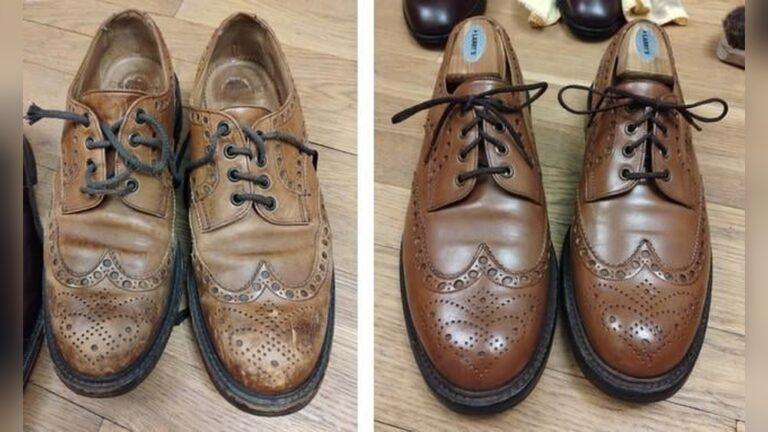
Credit: www.nushoeinspectandcorrect.com
Maintaining Restored Leather Shoes
Restoring leather shoes takes effort and care. Keeping them looking good needs regular attention. Proper maintenance helps your shoes last longer and stay comfortable.
Simple habits can protect the leather and keep it soft. Clean shoes and store them right. Use the right products to shield from water and dirt. These steps keep your shoes fresh and strong.
Regular Cleaning Routines
Brush off dirt with a soft brush after each wear. Use a damp cloth for light stains. Avoid soaking leather in water. Clean shoes gently to keep the leather healthy.
Apply leather cleaner sometimes to remove deeper grime. Let shoes dry naturally, away from direct heat. This prevents cracks and damage.
Proper Storage Tips
Store shoes in a cool, dry place. Avoid spots with direct sunlight or moisture. Use shoe trees to keep shape and prevent wrinkles. If no shoe trees, stuff with paper to hold form.
Keep shoes in cloth bags or boxes to block dust. Good storage stops mold and fading over time.
Using Waterproofing Sprays
Spray waterproofing products designed for leather. This adds a protective layer against rain and spills. Use sprays regularly, especially before wet seasons.
Test spray on a small area first. Let shoes dry fully before wearing. Waterproofing keeps leather clean and prevents stains.
Frequently Asked Questions
How Do I Clean Leather Shoes Before Restoring?
Use a soft brush or cloth to remove dirt. Apply a mild leather cleaner with a damp cloth. Avoid soaking the leather. Let shoes dry naturally before starting restoration.
What Products Are Best For Leather Shoe Restoration?
Use leather conditioner, shoe polish, and mink oil. Choose products matching your shoe’s color. Always test on a small area first. These restore shine, softness, and protect leather.
Can I Restore Cracked Leather Shoes At Home?
Yes, use a leather filler or conditioner for minor cracks. For deep cracks, professional repair might be needed. Regular conditioning helps prevent future cracking.
How Often Should I Restore My Leather Shoes?
Restore shoes every 3-6 months, depending on use. Frequent wear or exposure to elements requires more care. Regular maintenance extends shoe life and appearance.
Conclusion
Restoring leather shoes takes time and care. Clean them gently and use the right products. Keep your shoes dry and polish often. Small repairs prevent bigger damage later. Well-maintained shoes last longer and look better. Try these steps to bring life back to your leather shoes.
Your efforts will show with every wear. Enjoy the comfort and style of fresh, restored shoes.

Madison Clark is a footwear expert and the voice behind MyStyleGrid.com. She specializes in honest shoe reviews, style tips, and practical guides to help readers find the perfect pair for any occasion. With years of experience in blogging and content creation, Madison makes footwear knowledge simple, stylish, and easy to follow.