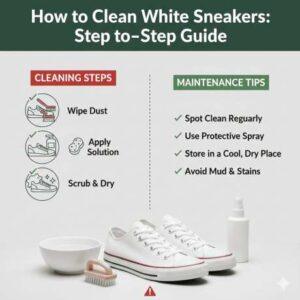
Use baking soda, white vinegar, and a soft brush to restore white rubber toe caps.
I’ve spent years cleaning shoes for friends and clients, and I’ll walk you through how to restore white rubber toe caps step by step. This guide explains why toe caps yellow, which methods work best, and how to avoid damage so your shoes look like new again.
Why rubber toe caps yellow
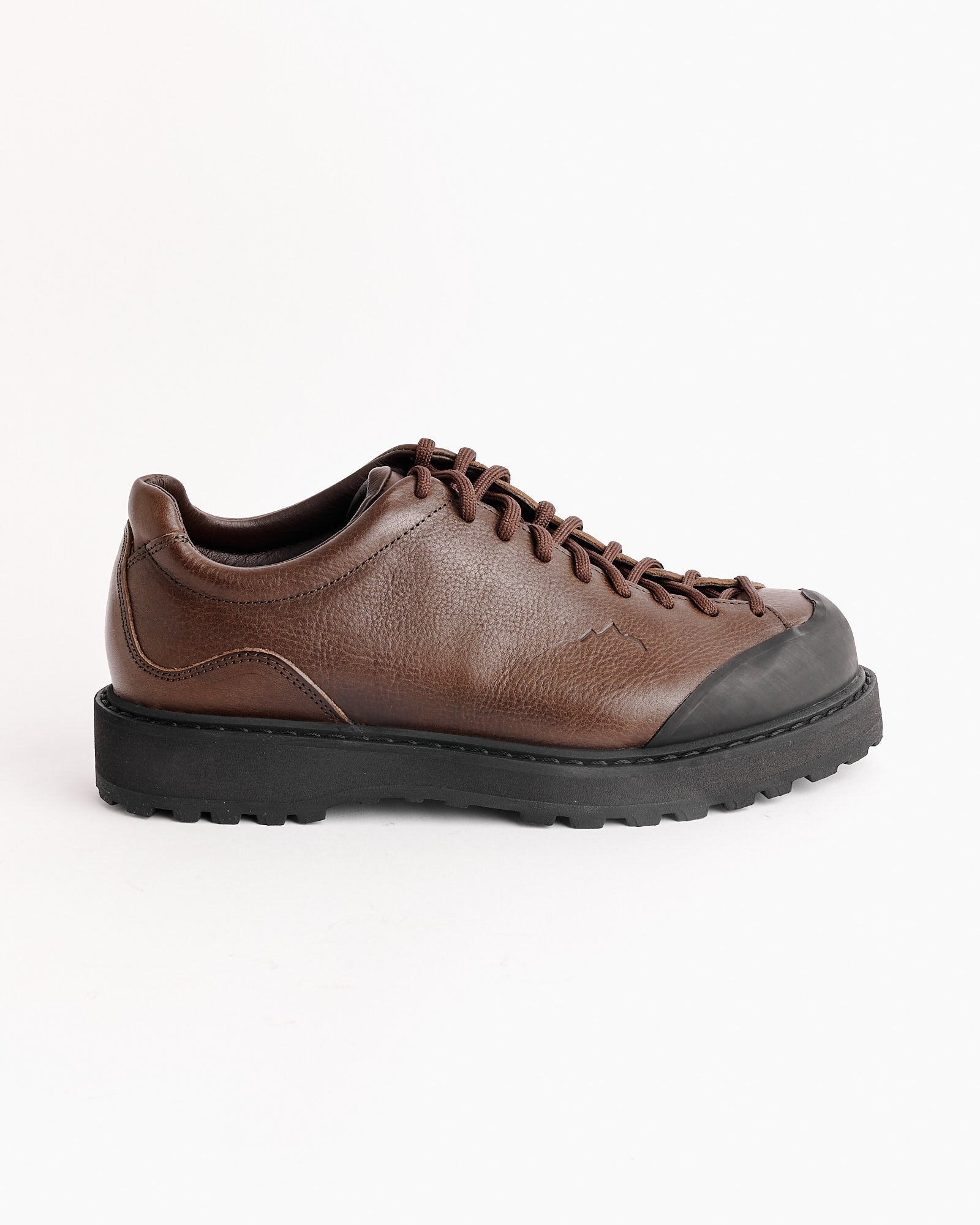
Rubber toe caps yellow from dirt, oils, sun, and chemical breakdown. Sweat and skin oils soak into the rubber, then sunlight and time make the rubber oxidize and darken.
Knowing why they yellow helps you pick the right cleaners. When you learn how to restore white rubber toe caps, you treat the cause, not just the stain.

Tools and supplies you'll need
- Baking soda: A mild abrasive that lifts grime without heavy chemicals.
- White vinegar: Breaks down oils and brightens rubber.
- Non-gel toothpaste: Works as a gentle scrub for small scuffs.
- Magic eraser: Melamine foam for light surface stains.
- Soft brush: Toothbrush or small shoe brush for scrubbing.
- Microfiber cloths: For wiping and drying without scratching.
- Rubber gloves: Protect your hands from cleaners.
- Isopropyl alcohol: Removes sticky residues.
- Bleach (diluted) or hydrogen peroxide: For stubborn deep stains only.
- Fine-grit sandpaper and rubber paint (optional): For severe damage or repainting.

How to restore white rubber toe caps: step-by-step methods
Below are proven methods from simple to stronger. Start mild and move up only if needed. Always test a hidden spot first.
Mild cleaning: everyday dirt and scuffs
- Remove laces and loosen shoe tongue. This gives better access.
- Mix warm water and a little dish soap. Dip a soft brush and scrub toe caps gently.
- Wipe with a damp microfiber cloth and dry. Repeat if needed.
This is the first step when learning how to restore white rubber toe caps. Most light stains come off here.
Deep cleaning with baking soda and vinegar
- Make a paste: 2 parts baking soda to 1 part white vinegar.
- Apply paste to toe cap and scrub with a toothbrush in small circles for 2–3 minutes.
- Let sit 5–10 minutes, then rinse with warm water and dry.
This method lifts oil and embedded dirt safely. Use it sparingly on colored midsoles to avoid color loss.
Magic eraser for surface stains
- Wet the magic eraser and squeeze out excess water.
- Gently rub the toe cap in short strokes.
- Wipe away residue and dry.
Magic erasers are abrasive at the microscopic level. They work fast but can dull glossy finishes if overused when restoring white rubber toe caps.
Using diluted bleach or hydrogen peroxide for deep yellowing
- Mix 1 part bleach to 5–10 parts water, or use 3% hydrogen peroxide directly.
- Apply with a cotton swab or brush. Avoid soaking the shoe fabric.
- Rinse thoroughly and dry in shade.
Bleach and peroxide remove deep oxidation. Use gloves and good ventilation. Test first and do not mix chemicals.
Sanding and repainting for severe damage
- Lightly sand the toe cap with fine-grit sandpaper to remove flaking or stains.
- Clean dust with isopropyl alcohol and let dry.
- Apply rubber-safe paint in thin layers, letting each dry fully.
This is a last-resort approach when learning how to restore white rubber toe caps that are structurally or cosmetically damaged.
Protecting and maintaining restored toe caps
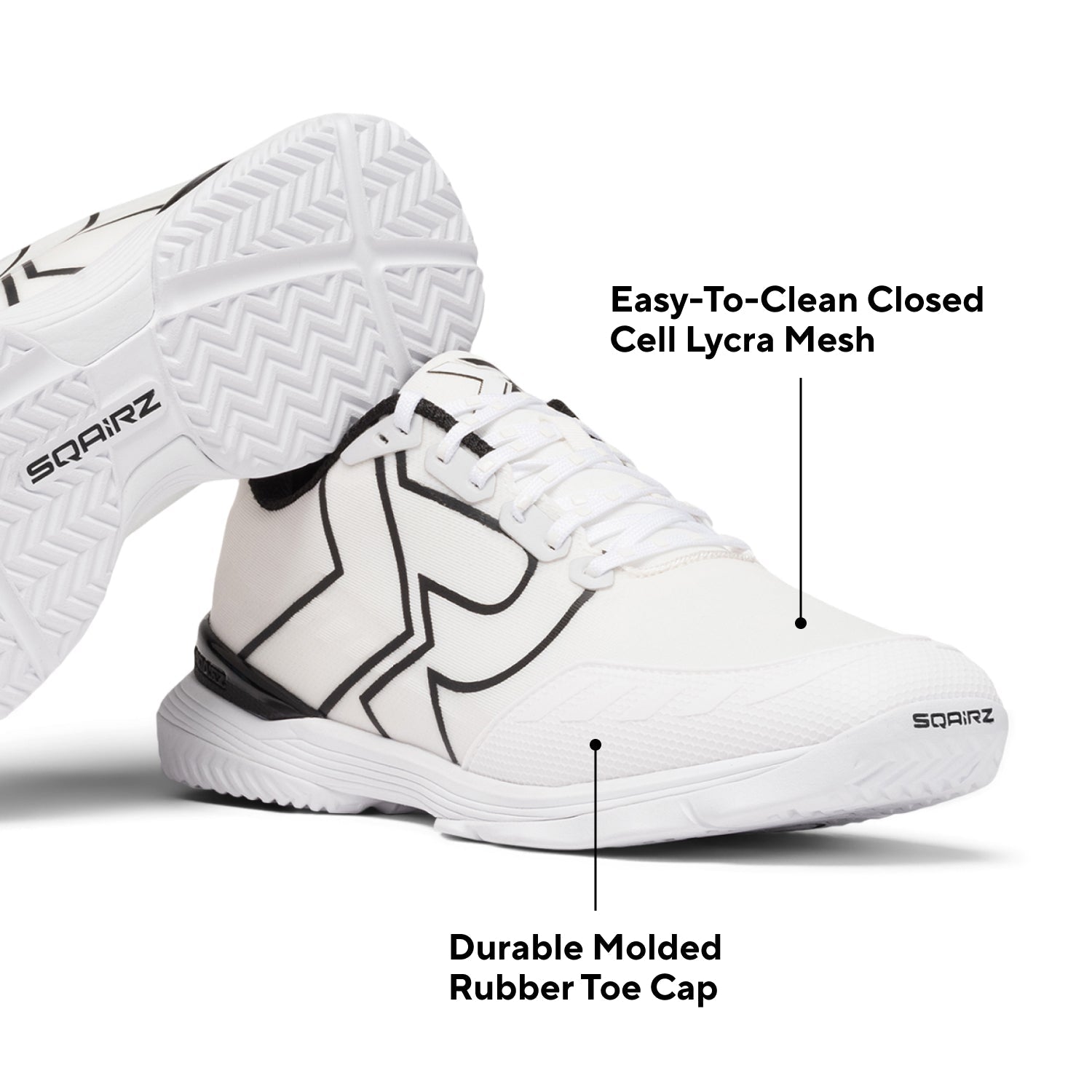
- Apply a thin coat of clear rubber protector to block dirt and UV.
- Wipe shoes after use to remove surface grime.
- Store shoes away from direct sun and heat to slow yellowing.
- Rotate shoes to limit wear and sweat buildup.
- Reapply touch-ups with toothpaste or baking soda as needed.
Preventing re-yellowing is easier than deep restoration. Little actions save time and keep your shoes bright.
Tips, mistakes to avoid, and real-life lessons
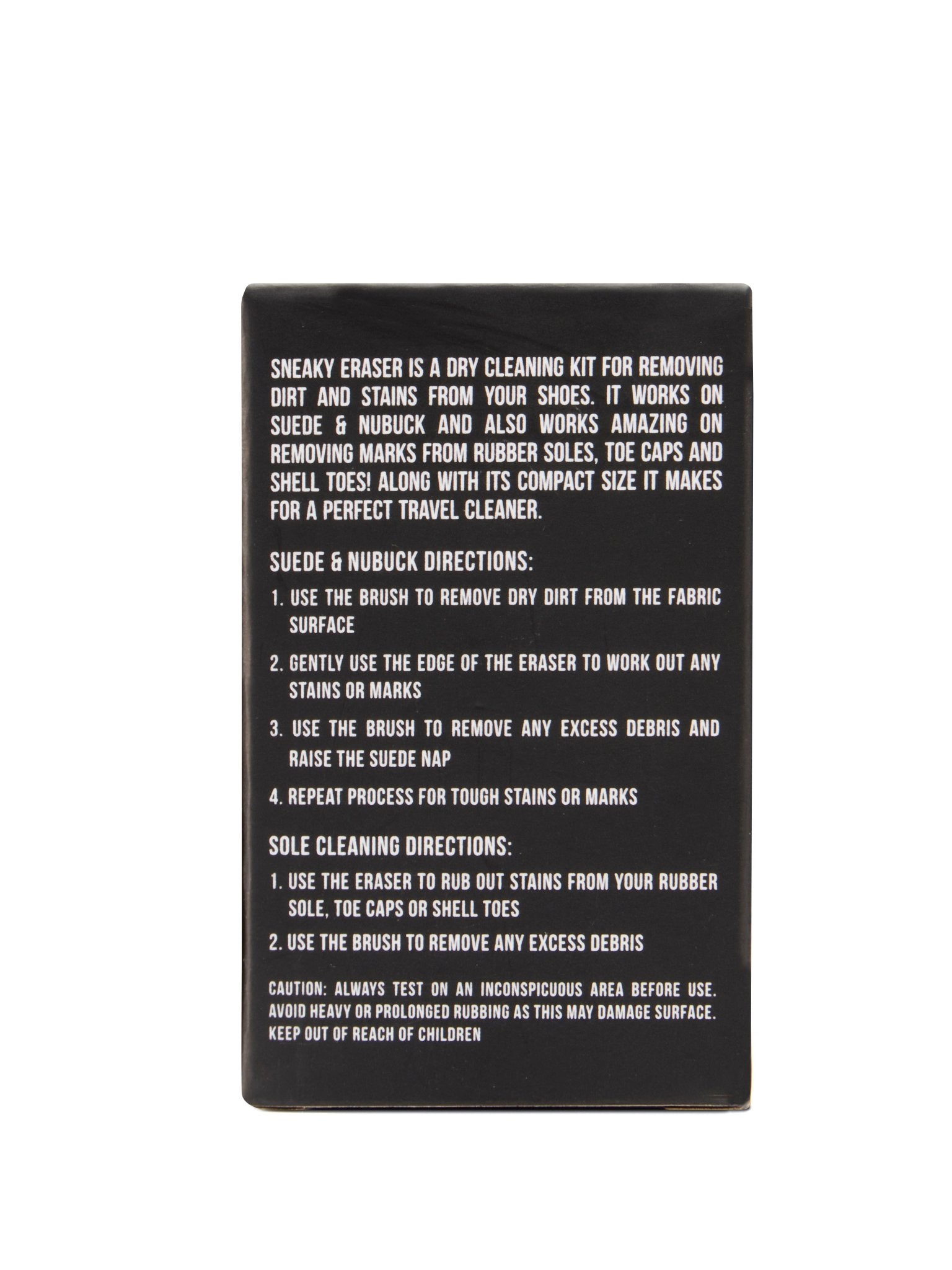
- Avoid harsh scrubbing on canvas near the rubber; it can fray the fabric.
- Don’t soak shoes in bleach. That warps glue and fabric.
- Test cleaners on a hidden area first to check colorfastness.
- I once used straight bleach on a pair of sneakers and lost the shoe’s rubber sheen. I learned to always dilute and test.
- For glued rubber that peels, restore color first, then use a rubber-safe adhesive to reattach edges.
These tips come from hands-on experience and from testing multiple cleaners across many shoe types when restoring white rubber toe caps.

Quick questions people ask (short PAA-style answers)
Can I use toothpaste to restore white rubber toe caps?
Yes. Non-gel white toothpaste can remove light scuffs. Apply, scrub with a toothbrush, then wipe clean and dry.
Is bleach safe for white toe caps?
Diluted bleach or hydrogen peroxide can work on deep yellowing. Use sparingly, test first, and rinse well to avoid damage.
How long does restoration take?
Simple cleaning takes 10–20 minutes. Deep methods can take 30–60 minutes plus drying time for best results.

Frequently Asked Questions of how to restore white rubber toe caps
How often should I clean toe caps to prevent yellowing?
Clean toe caps after heavy use or when you see dirt build-up. Regular light cleaning every 1–2 weeks helps prevent deep stains.
Will baking soda damage my shoes?
Baking soda is mild and safe for most rubber. Use gentle pressure and avoid prolonged friction on fabric parts.
Can I use a dishwasher to clean rubber toe caps?
No. Dishwashers use high heat and strong detergents that can warp glue and fade fabrics. Hand cleaning is safer.
What if the yellowing returns after cleaning?
Yellowing can return due to oxidation and UV exposure. Use UV-protective sprays and store shoes in shade to slow it down.
Are commercial shoe whiteners better than DIY methods?
Commercial products can be effective, but many DIY methods like baking soda and peroxide are cheaper and safe when used correctly. Choose products with clear instructions and test first.
Can I restore vintage sneakers without harming them?
Yes, but be cautious. Use the gentlest methods first and avoid bleach on fragile materials. When in doubt, consult a pro restoration service.
Conclusion
You can successfully learn how to restore white rubber toe caps with the right tools and steps. Start with mild cleaners, move to stronger methods only when needed, and protect your shoes after restoration. Try one method this week on an old pair and note the difference. Share your results, ask questions below, or subscribe for more shoe-care tips.

Rubel Miah is the Senior Editor at MyStyleGrid.com, where he brings a sharp editorial eye and an unshakable love for fashion to everything he does. A true style addict, Rubel lives and breathes trends, from streetwear to high fashion, and has a knack for turning inspiration into impactful stories. With years of experience in fashion journalism and digital media, he curates content that empowers readers to express themselves through style. When he’s not editing features or forecasting the next big thing, you’ll find him hunting down vintage pieces or capturing street style moments around the city.