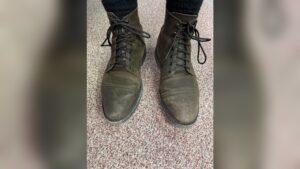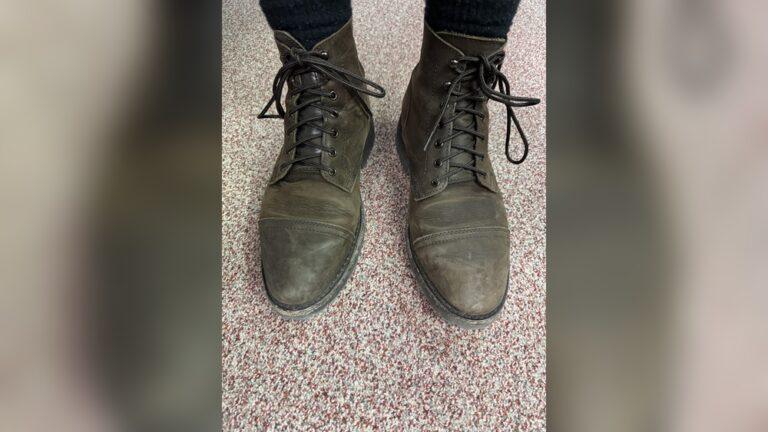
Many people love wearing boots, whether for hiking, working, or just for fashion. But a common and annoying problem is when the boot tongue keeps sliding to the side. It does not sound like a big deal, but this little issue can make your boots uncomfortable. It can cause pressure points, blisters, and even change how your boots fit. If you have ever had to stop in the middle of a walk to adjust your boots, you know how frustrating it is. The good news is you can fix this problem. You do not need to buy new boots. With the right methods, you can keep the tongue straight and enjoy every step.
This guide will show you why the boot tongue slides, how to stop it, and tips that even boot experts use. You will learn about simple tricks, things you can buy, and even how to fix older boots. Some solutions are quick, and some need a little more work.
But all are easy to understand, even if you are new to boots. By the end, you will have everything you need to make your boots comfortable again.
Why Boot Tongue Slides To The Side
Understanding why the boot tongue slips is the first step. There are several reasons, and knowing them helps you pick the right solution.
- Boot Shape: Some boots are made with wide openings or loose tongues. This makes the tongue move more as you walk.
- Lacing Pattern: If you do not tie your laces tight enough, or use the wrong method, the tongue can shift.
- Tongue Material: Thin or slippery tongues, often found in cheaper boots, slide more easily.
- Worn Padding: Old boots lose their padding. The tongue does not stay in place as well.
- Foot Shape: Everyone’s feet are different. Wide or narrow feet can make the tongue move to one side.
- Missing Tongue Loops: Many tongues have a small loop for the laces to go through. If this loop is missing or broken, the tongue is free to slide.
These causes are common, but you can fix each one with the right steps.
Choosing The Right Lacing Technique
The way you lace your boots is one of the biggest reasons the tongue slides. Luckily, you can use special lacing methods to keep the tongue centered.
Standard Criss-cross Lacing
Most boots use criss-cross lacing. This is the usual “X” pattern. It works for many people, but if your tongue slips, you may need a better method.
Loop Lock (surgeon’s Knot)
This is a simple way to hold the tongue in place.
- Lace your boots as usual until you reach the area where the tongue begins to slip.
- Make a loop knot (like tying a shoelace, but do not finish the bow) on each side.
- Pull the laces tight. This holds the tongue in place.
- Continue lacing as normal.
This knot adds extra grip. Many hikers use this, and it works well for most boots.
Tongue Loop Method
Many boots come with a small loop on the tongue. If your boots have this, always use it.
- When lacing, pass one lace through the tongue loop.
- Continue lacing as normal.
This loop keeps the tongue centered. If your boots do not have a loop, do not worry—later in this article, you will learn how to add one yourself.
Ladder Lacing
This method is strong and keeps the tongue from moving.
- Lace both ends of the lace straight across the bottom two eyelets.
- Feed each end up the side and across into the next eyelet above.
- Keep going, making a “ladder” pattern.
This holds the tongue tightly, but it may feel stiffer than criss-cross lacing.
Skip Eyelet Trick
Sometimes, skipping one eyelet at the point where the tongue starts sliding can help.
- Lace your boots as normal until you reach the trouble spot.
- Instead of threading the lace through the next eyelet, skip it and lace into the following one.
- Continue as usual.
This creates a tighter hold on the tongue, stopping it from slipping.
These lacing methods are simple, but they can make a big difference. Try them and see which works best for you.

Credit: www.wikihow.com
Adding Or Repairing A Tongue Loop
If your boots do not have a tongue loop, or the old one broke, you can add your own. This is a small fabric loop attached to the tongue that the laces go through.
How To Add A Tongue Loop
You need:
- A short piece of strong ribbon or shoelace (about 2 inches)
- Needle and thread (or fabric glue)
- Scissors
Steps:
- Cut a piece of ribbon about 2 inches long.
- Fold the ribbon into a small loop.
- Place the loop at the center of the tongue, about halfway up.
- Sew both ends of the loop to the tongue. Use strong thread and go through the fabric several times.
- If you do not want to sew, you can use fabric glue, but sewing is stronger.
- Let it dry (if you use glue).
- Thread your boot laces through the loop every time you lace up.
This simple fix keeps the tongue centered for good.
Repairing A Broken Loop
If the original loop is torn:
- Remove any old, loose threads.
- Use a new piece of fabric or ribbon, and sew it over the damaged spot.
- Make sure the new loop is strong and secure.
Many shoe repair shops can do this for a small fee if you do not want to try it yourself.
Using Aftermarket Boot Tongue Pads
If the tongue slides because it is too thin or worn out, you can add a tongue pad. These are small pads that stick to the inside of the tongue.
- They add thickness and grip.
- They stop the tongue from moving around.
- They add comfort if your boots feel loose.
You can find tongue pads online or in shoe stores. They are often made of foam or felt.
How To Apply A Tongue Pad
- Clean the inside of the tongue.
- Peel off the backing from the pad.
- Stick the pad to the inside of the tongue, where it touches your foot the most.
- Press down to make sure it sticks well.
Tongue pads are cheap and easy to use. They can also help if your boots are slightly too big.
Choosing The Right Socks
Many people do not think about socks, but they can help stop the boot tongue from sliding. The right socks do two things: add grip and fill extra space in the boot.
How Socks Help
- Thicker socks fill more space. This holds the tongue in place.
- Grippy socks (with rubber dots or textured bottoms) can reduce slipping.
- Socks made of wool or cotton grip the tongue better than slippery synthetic socks.
Try different socks with your boots. Sometimes, a simple change in socks can solve the problem.
Checking Boot Size And Fit
If your boots do not fit right, the tongue will move no matter what you do. It is important to check if your boots are the right size.
Signs Your Boots Are The Wrong Size
- Your heel lifts when you walk.
- Your toes touch the end of the boot.
- The tongue slides a lot, even with good lacing.
If your boots are too big, your foot will move inside and push the tongue to the side. If they are too small, the tongue may not sit in the right spot.
How To Check Boot Fit
- Take out the insole and stand on it. Your foot should fit with a little space at the toe.
- Put the insole back and try the boots with your normal socks.
- Walk around. Your heel should not slip. The sides of your foot should not feel squeezed.
If your boots are the wrong size, no trick will fix the tongue completely. You may need a better-fitting pair.
Using Boot Tongue Stabilizers
Some companies sell special boot tongue stabilizers. These are small, sticky patches or straps that keep the tongue in place.
Types Of Stabilizers
- Self-adhesive patches: Stick on the tongue or inside the boot.
- Strap systems: Wrap around the tongue and attach to the laces.
- Insert pads: Go under the tongue or inside the boot.
These products are easy to find online. They are not expensive, and they work well for many people.
How To Use A Stabilizer
- Read the instructions for your stabilizer.
- Clean the area where you will stick or attach it.
- Place the stabilizer as directed.
- Lace your boots as normal.
If you want a ready-made solution, stabilizers are a good choice.
Customizing The Boot Tongue
Sometimes, the tongue itself is the problem. It may be too thin, too wide, or made from slippery material. You can make simple changes to help.
Adding Grip Tape
A quick fix is to use grip tape (the type used on stairs or skateboards).
- Cut a small piece of grip tape.
- Stick it to the underside of the tongue.
- The rough surface will help hold the tongue in place.
Grip tape is cheap and easy to find.
Using Double-sided Tape
Another trick is to use double-sided tape.
- Stick a small strip of tape on the underside of the tongue.
- Press the tongue down when you put on your boots.
This keeps the tongue from sliding during the day. Replace the tape as needed.
Changing The Tongue Shape
If the tongue is too wide, you can trim the sides with sharp scissors. Be careful not to cut too much. Only do this if you are sure the tongue is the problem.
If the tongue is too thin, you can sew or glue extra fabric to it.
These custom fixes can save a favorite pair of boots.
Credit: www.reddit.com
Professional Boot Repair Options
If you have tried everything and the boot tongue still slides, it may be time to see a shoe repair expert.
What A Professional Can Do
- Sew a new tongue loop or stabilizer
- Add padding to the tongue
- Replace the tongue with a better one
- Adjust the boot shape or size
Professional repair may cost more, but it can make old boots comfortable again.
When To Choose Professional Help
- If your boots were expensive
- If you cannot fix the problem yourself
- If you want your boots to last many more years
A good shoe repair shop can solve almost any boot problem.
Comparing Popular Boot Tongue Solutions
Let’s look at how different solutions compare for cost, effort, and how well they work.
| Solution | Cost | Skill Needed | Lasts How Long? | Best For |
|---|---|---|---|---|
| Lacing Tricks | Free | Easy | As long as you relace | Most boots |
| Add Tongue Loop | Low | Basic sewing | Years | Boots with no loop |
| Tongue Pad | Low | Easy | Months to years | Thin tongues |
| Stabilizer | Low | Easy | Months | Quick fix |
| Professional Repair | High | Expert | Years | Expensive boots |
As you can see, most fixes are cheap and easy to do yourself.

Credit: www.wikihow.com
Common Mistakes People Make
Even if you try to fix your boots, some mistakes can make the boot tongue keep sliding. Here are things you should avoid:
- Ignoring the tongue loop: If your boots have one, always use it.
- Loose laces: Not tightening your laces enough makes the tongue move more.
- Wrong sock choice: Thin or slippery socks can make the problem worse.
- Skipping eyelets: Sometimes people skip too many, making the fit worse.
- Using glue only: Glue is not strong enough for a new tongue loop. Sewing is better.
- Not checking boot size: Fixing the tongue will not help if the boots do not fit your feet.
- Not cleaning boots: Dirt can make the tongue slip more.
Learn from these mistakes to get the best results.
Real-life Example: Fixing A Hiking Boot
Let’s look at a real example. John loves hiking. His favorite boots always had the tongue slide to the left. He tried pulling it back every few miles, but it never stayed.
Here’s what he did:
- He checked the lacing and switched to the loop lock method.
- He noticed his boots did not have a tongue loop, so he sewed one on with a piece of old shoelace.
- John also added a tongue pad for extra grip.
- He started wearing thicker wool socks.
After these simple changes, his boot tongue stayed in place for his whole hike. No more stopping to adjust!
How To Prevent Boot Tongue Sliding In New Boots
If you are buying new boots, you can avoid this problem from the start.
- Check if the tongue has a loop for the laces.
- Try on boots with the socks you plan to wear.
- Walk around the store. Does the tongue stay in the center?
- Choose boots with a padded, wide tongue.
- Make sure the boots fit well, with no heel slip.
If you start with the right boots, you will not have to fix them later.
How Boot Tongue Sliding Affects Your Feet
Some people think a sliding tongue is just annoying. But it can cause real problems.
- Blisters: The tongue can rub your skin, making blisters.
- Foot pain: If the tongue moves, the boot fits badly and causes pain.
- Uneven wear: The inside of your boot can wear out faster on one side.
- Balance issues: A bad fit can change how you walk.
Fixing the tongue is not just about comfort. It keeps your feet healthy and your boots lasting longer.
How Long Do These Fixes Last?
Not all fixes are the same. Some last for years, some for weeks. Here is a simple table for how long each fix usually lasts.
| Fix | How Long? | Easy to Redo? |
|---|---|---|
| Lacing Tricks | Every time you lace up | Yes |
| Tongue Loop | Years | Yes, if sewn well |
| Tongue Pad | Months to years | Yes, just stick on a new one |
| Grip Tape | Weeks to months | Yes, replace as needed |
| Professional Repair | Years | No, needs a repair shop |
Try quick fixes first. If they do not work, you can try something more permanent.
Non-obvious Tips Most People Miss
Here are two tips most people do not know:
- Try the boots at the end of the day: Your feet swell as the day goes on. If you try boots in the morning, they may fit differently later. Always try on boots when your feet are biggest.
- Use a hairdryer for stubborn tongues: If your tongue is stiff or keeps folding, heat it gently with a hairdryer and shape it by hand. Let it cool while holding it in the right spot. This can help “train” the tongue to stay centered.
These small tricks can make a big difference.
When It’s Time To Replace Your Boots
Sometimes, boots are just too old. The tongue, padding, and support all wear out. Here’s when you should think about new boots:
- The sole is worn flat.
- The inside padding is gone.
- The tongue is torn or cannot be fixed.
- Your feet hurt even after trying all fixes.
Good boots can last for years, but if nothing works, a new pair may be the best answer.
Frequently Asked Questions
Why Does My Boot Tongue Always Slip To One Side?
The tongue slides because of loose laces, missing tongue loops, thin padding, or boots that do not fit. Even your foot shape can cause this problem. Fixing one or more of these issues can help.
Is It Bad To Keep Walking With A Sliding Boot Tongue?
Yes, it can cause blisters, foot pain, and make your boots wear out faster. It also makes walking less comfortable. It is best to fix the problem.
Can I Fix A Sliding Tongue Without Sewing?
Yes. You can use lacing tricks, tongue pads, or sticky stabilizers. For the strongest fix, sewing a tongue loop is best, but there are many no-sew options.
Are There Boots That Never Have This Problem?
Some boots are made with wide, padded tongues and good loops. Hiking and work boots often have better designs. Always check reviews before buying. Trusted brands often last longer and fit better.
Where Can I Learn More About Boot Repair?
You can find more advice on boot care at Wikipedia. There are also many shoe repair videos online.
Taking care of your boots makes every walk better. With the right steps, you can stop the boot tongue from sliding and enjoy each step in comfort. Try these methods, and your feet will thank you.

Madison Clark is a footwear expert and the voice behind MyStyleGrid.com. She specializes in honest shoe reviews, style tips, and practical guides to help readers find the perfect pair for any occasion. With years of experience in blogging and content creation, Madison makes footwear knowledge simple, stylish, and easy to follow.