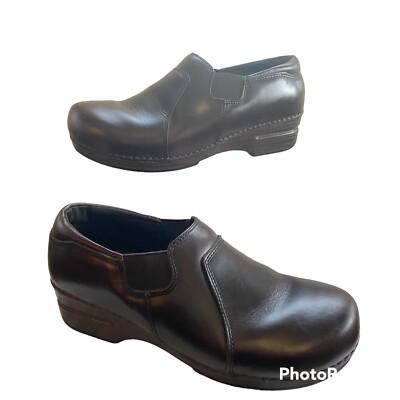
Are your Dansko clogs feeling a bit tight and uncomfortable? You’re not alone.
I’ve broken in more pairs of Danskos than I can count—on long clinic days, in busy kitchens, and on hospital floors. They can feel stiff at first. That’s normal. The good news: with a few smart, safe tricks, you can stretch your Dansko clogs at home and dial in a custom fit. I’ll show you what actually works, what to avoid, and how to keep that comfort all day long.
Keep reading to learn how to make your shoes feel like they were made just for you.

Credit: www.uniformadvantage.com
Why Dansko Clogs Might Feel Tight
Dansko clogs are popular for comfort and support. Still, they might feel tight at first. I hear this a lot from nurses, chefs, and retail workers. Understanding why helps you fix it fast.
Material And Construction
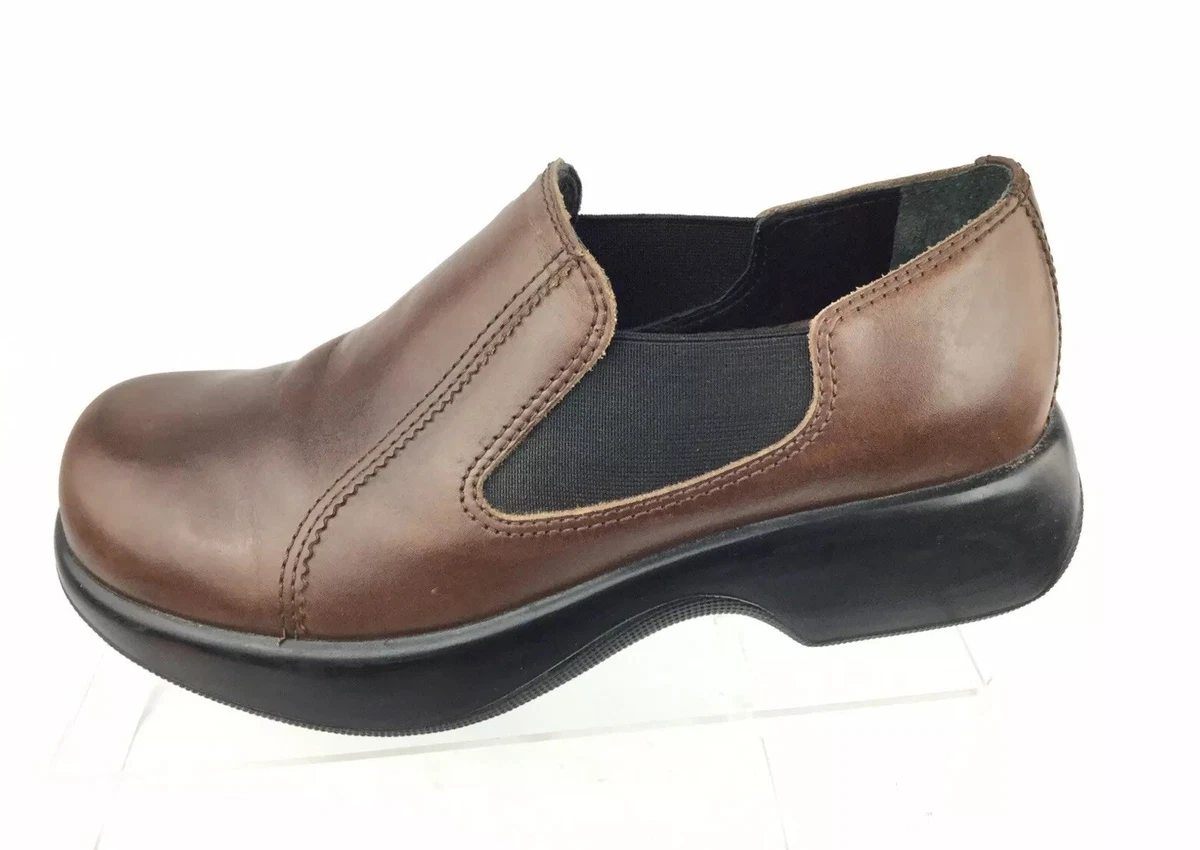
Dansko clogs use thick leather or synthetic material. These materials can be stiff at first. The PU outsole and firm midsole add support and a rocker bottom. That structure can feel snug until it molds to your foot. Stapled clogs (like the Professional) have a roomy toe box but a secure instep. XP 2.0 styles add cushioning and a removable insole. Leather types matter too: oiled leather softens faster. Nubuck and suede need care. Patent leather is stiff and needs gentle methods only.
Over time, leather relaxes and shapes to you. Break-in speed varies by model, your foot shape, and how long you wear them each day.
Common Fit Issues
Feet are unique. Some are wide, some narrow, some with high insteps or bunions. Standard widths do not fit everyone. A snug toe box can press on the big toe joint. A tight instep can rub the top of your foot. Heel fit and arch height also change comfort. Sock thickness, swelling at the end of a shift, and orthotics can change the feel too. Knowing your pressure points guides where and how to stretch.
Credit: www.izkonfet.ee
Simple At-home Stretching Techniques
Stretching Dansko clogs at home can save time and money. Use light, even pressure. Go slow. Check the fit as you go. These are my go-to methods from years of trial and error.
Using Thick Socks And Heat
Pull on a pair of thick socks. Put on your clogs. Aim a hairdryer at tight areas for 20–30 seconds at a time. Keep the dryer moving and 6–8 inches away. Flex your feet and wiggle your toes while the leather is warm. Walk for 5–10 minutes. Let them cool on your feet so they set to your shape. Repeat in short rounds until the fit feels right.
Pro tip: This works best on oiled or smooth leather. Be gentle with patent or synthetic finishes. Avoid high heat.
Employing A Hairdryer For Targeted Stretching
Find the exact pressure spot first. Warm only that zone with the hairdryer. Bend and flex the shoe gently with your hands. You can also press out on the leather from the inside with your fingers or a rounded tool wrapped in a sock. Work in short cycles. Do not overheat seams or staples.
Freezing Water In Bags Inside The Clogs
Fill two sturdy plastic bags with water and seal well. Double-bag to prevent leaks. Tuck one bag into each clog where you need space. Place the shoes in the freezer overnight. Water expands as it freezes and pushes the material out from the inside. In the morning, let the ice thaw before removing the bags. Wipe away any moisture fast.
Note: Keep water away from leather edges and staples. Do not use this on patent leather.
Using Shoe Trees With Conditioner
Insert a cedar shoe tree or a two-way stretcher on a low setting. Apply a small amount of leather conditioner to the tight area. Let it sit for a few hours or overnight. The conditioner relaxes fibers as the tree holds gentle tension. This method is slow but very safe.
Tools To Help Stretch Dansko Clogs
Stretching Dansko clogs can make them more comfortable and better fitting. Using the right tools helps the clogs stretch evenly and safely. These tools soften the material and gently widen the shoe without damage.
Some tools are easy to use at home. Others professionals use for precise stretching. Both types improve comfort and reduce pressure points.
Shoe Stretchers And Inserts
Shoe stretchers are devices placed inside the clogs. They push the shoe outward to widen or lengthen it. Many stretchers adjust to different shoe sizes and shapes. A two-way stretcher lets you increase width and length at once. A boot/instep stretcher lifts the top for high insteps.
Wooden or plastic stretchers work best for Dansko clogs. They help expand tight areas gently. Use them for several hours or overnight for best results. Add bunion plugs to target hot spots.
Inserts can also help stretch specific spots. Gel or foam inserts soften the shoe material. They create space and reduce tightness around toes or heels. After stretching, a thin forefoot pad can fine-tune the fit.
Professional Stretching Sprays
Stretching sprays soften the shoe material quickly. They make leather or synthetic clogs more flexible. This helps the shoe stretch without cracking or damage.
Apply the spray on tight areas before using a stretcher. The spray soaks into the material and relaxes the fibers. This allows the shoe to stretch easier and stay comfortable.
Use sprays designed for shoe stretching only. Household sprays can harm the clog material or cause discoloration. Spot-test first on a hidden area.
Ball-and-Ring Stretchers For Bunions
If your bunion or fifth-toe joint rubs, a ball-and-ring stretcher is gold. The tool presses a small dome into the leather right where you need space. A few minutes of pressure makes a big difference. I use this for patients with hallux valgus or tailor’s bunions who love clogs.
Tips For Stretching Specific Areas
Stretching Dansko clogs can make them more comfortable. Focus on the areas that feel tight or painful. Different parts of the clog may need different stretching methods. This guide helps you stretch the toe box, heel, and arch areas safely.
Widening The Toe Box
The toe box often feels tight and squishes your toes. Use a shoe stretcher made for the front part of the shoe. Insert it and turn the knob slowly to expand the area. Wear thick socks and heat the clog with a hairdryer for one minute. Walk around in the clogs until they cool down. Repeat this process to increase the width gradually.
Extra tip: For a single pressure point, use a bunion plug on the stretcher or a ball-and-ring tool. For sensitive skin, add moleskin or a gel toe cap while you break them in.
Loosening The Heel Area
The heel can cause blisters if it is too tight. Use a heel stretcher or place a small piece of leather inside. This cushions the heel and helps stretch the material. Apply a leather conditioner to soften the clog. Wear the shoes with thick socks and press the heel area gently. This reduces pressure and makes the heel fit better over time.
Heel slipping? Add a thin heel grip or tighten the instep stretch slightly to secure your foot without rubbing.
Adjusting The Arch Fit
The arch may feel too high or too low. Use an insole with arch support to improve fit. Insert the insole and test the comfort by walking. For minor stretching, gently bend the clog in the arch area. Avoid harsh bending as it can damage the shoe. Adding a padded insert can also help balance the fit and reduce foot pain.
If you have plantar fasciitis, a supportive insole with a deep heel cup often helps more than stretching alone.
When To Seek Professional Help
Stretching Dansko clogs can usually be done at home with simple methods. But some issues need expert care. Knowing when to seek professional help saves time and protects your shoes.
Professional shoe stretchers have special tools. They can stretch hard-to-reach areas without damaging the leather. Some problems are too tough for home remedies.
Signs You Need A Cobbler
Your clogs feel very tight after home stretching. You notice deep creases or cracks forming. The leather does not soften or stretch at all. You feel pain or blisters after wearing them. The clog shape looks uneven or distorted. These signs show a cobbler should handle the job.
A cobbler can also adjust length slightly, spot-stretch bunion areas, and condition dry leather. Bring your socks and insoles so they can fit you right.
What To Expect From Professional Stretching
A cobbler uses machines and special sprays to soften leather. They stretch specific spots with precision. The process usually takes a few days. Professionals can also fix minor damages during stretching. Expect improved comfort and a better fit. Your clogs will last longer with expert care.
Costs vary by region, but it’s often cheaper than replacing a pair that hurts.
Maintaining Comfort After Stretching
Maintaining comfort after stretching Dansko clogs is key to enjoying them daily. Proper care helps your feet feel good and prevents pain. Keep your feet happy by following simple steps. These tips support your feet and keep the clogs fitting well.
Breaking In Your Clogs Gradually
Wear your clogs for short times at first. Start with 30 minutes, then add more time each day. This gentle approach lets the leather soften and shape to your feet. Avoid wearing them all day right away. This reduces the chance of blisters or soreness.
My routine: 30 minutes on day one, one hour on day two, then add one hour per day. By week two, most pairs feel like “mine.”
Using Insoles For Added Support
Insoles add extra comfort and cushion for your feet. Choose soft, cushioned insoles that match your clog size. They help absorb shock and reduce foot fatigue. Replace insoles if they wear out or lose support. Good insoles keep your feet comfortable and stable.
For long shifts, moisture-wicking socks plus a supportive insole can be a game-changer.

Credit: www.schulershoes.com
Sizing And Fit Guide For Dansko Clogs
Getting the right size first makes stretching easy and safe. Dansko uses EU sizing. If you are between sizes, many people size up for the Professional and fine-tune with socks or an insole.
- Length: Your heel should lift slightly when you walk. That is normal for clogs.
- Width: Toes should wiggle. No pinch at the big toe joint.
- Instep: Snug but not tight over the top of your foot.
- Socks: Try the socks you plan to wear at work when you fit-test.
If your feet swell by evening, measure then. A fit that feels perfect in the morning may be tight at 5 p.m.
Material-Specific Advice: Leather, Nubuck, Patent, And Vegan
Not all uppers stretch the same way. Match your method to the material.
- Oiled or Smooth Leather: Responds best to heat plus thick socks. Conditioning helps.
- Nubuck/Suede: Use a dedicated nubuck cleaner/conditioner. Avoid heavy heat. Brush nap after.
- Patent Leather: Very stiff. Avoid heat and freezing. Use spot stretching at low force only.
- Synthetics/Vegan: Can soften with gentle heat. Test first. Some do not stretch much.
Safety Precautions And What Not To Do
- Do not soak clogs in water. It can warp leather and loosen staples or glue.
- Do not overheat. If the leather is too hot to touch, you went too far.
- Keep water bags sealed and double-bagged when freezing.
- Spot-test any spray or conditioner on a hidden area first.
- Stop if you feel sharp pain. Adjust the plan or seek a cobbler.
Real-World Break-In Plan For 12-Hour Shifts
I coach many nurses and chefs through this plan. It works.
- Day 1–2: 30–60 minutes at home with thick socks. Use light heat on tight spots.
- Day 3–4: Two hours on easy errands. Add an insole if you need support.
- Day 5–7: Half shift at work. Rotate with your old pair.
- Week 2: Full shift. Keep moleskin or blister patches handy, just in case.
Rotate pairs if you work back-to-back days. Let leather dry and rebound between wears.
Care And Conditioning To Aid Stretching
Conditioned leather stretches better and lasts longer.
- Use a small amount of leather conditioner or mink oil on tight zones.
- Brush nubuck and suede with the right tool to lift the nap.
- Air dry away from heat if shoes get damp.
- Store with cedar shoe trees to maintain shape and manage odor.
Troubleshooting: If Stretching Isn’t Working
- Still tight at the instep: Try an instep stretcher or ask a cobbler to lift that area.
- Bunion pain: Use a ball-and-ring stretcher for a targeted bubble.
- Heel slip: Add a thin heel grip or a slightly thicker insole to raise your foot.
- Toe pinch at the end of day: Switch to thinner socks in the afternoon or size up and pad.
Frequently Asked Questions
How Can I Stretch Dansko Clogs At Home?
You can stretch Dansko clogs using thick socks and a hairdryer. Wear thick socks, put on the clogs, and warm tight areas with a hairdryer. Move your feet while heating to loosen the material and create a better fit.
Are Dansko Clogs Stretchable Without Damaging Them?
Yes, Dansko clogs can be stretched safely using gentle heat and pressure. Avoid excessive force or water to prevent damage. Using a professional shoe stretcher or visiting a cobbler ensures safe and effective stretching.
How Long Does It Take To Stretch Dansko Clogs?
Stretching Dansko clogs at home typically takes a few hours to overnight. For gradual stretching, wear them with thick socks multiple times until you feel comfort. Professional stretching may take less time and deliver precise results.
Can I Use Shoe Stretchers For Dansko Clogs?
Yes, shoe stretchers are effective for Dansko clogs. Insert the stretcher and turn the knob to widen tight areas. Use stretchers designed for clogs or wooden shoes for best results without damaging the clog shape.
What’s the best method for high insteps?
Use an instep stretcher or a two-way stretcher set to lift the top. Pair with a leather stretching spray. Short, repeated sessions work best.
Will stretching help plantar fasciitis pain?
Stretching can ease pressure points, but support matters more. Use a quality insole with arch support and a deep heel cup. Combine with gentle calf and foot stretches.
Conclusion
Stretching Dansko clogs can make them more comfortable to wear. Small steps like wearing thick socks or using a shoe stretcher help. Warm water or a hairdryer also softens the material. Take your time and stretch gently to avoid damage.
I rely on these exact tips for my own pairs and for clients who live on their feet. Comfortable clogs mean happy feet all day long. Try these easy methods, protect your leather with light care, and enjoy your Dansko shoes more. Keep your feet happy and avoid pain or blisters. Simple care makes a big difference in how they fit.

Madison Clark is a footwear expert and the voice behind MyStyleGrid.com. She specializes in honest shoe reviews, style tips, and practical guides to help readers find the perfect pair for any occasion. With years of experience in blogging and content creation, Madison makes footwear knowledge simple, stylish, and easy to follow.