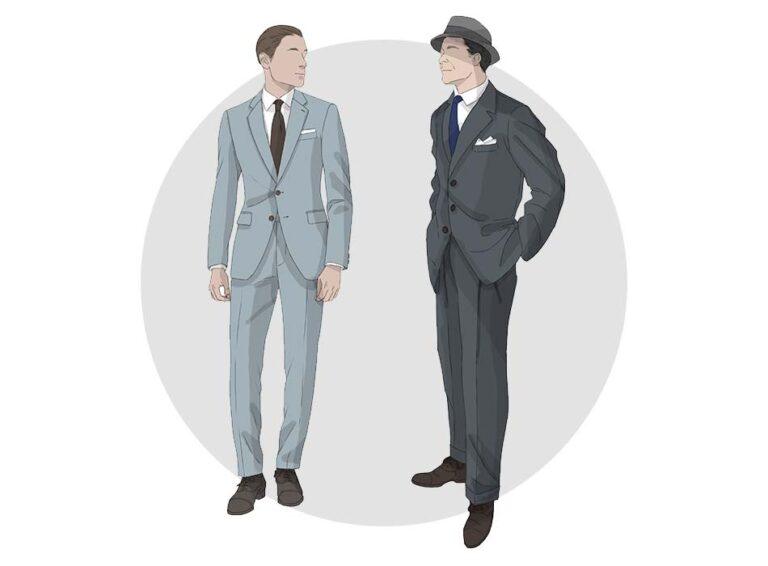
Business pants are usually called dress pants, slacks, suit trousers, or tailored trousers.
The exact name depends on the fabric, cut, and setting. Dress pants may belong in a formal office, while chinos or wool trousers may suit a business-casual workplace. Knowing these terms makes shopping easier and helps you choose pants that look polished without feeling stiff.

What Are Business Pants Called?
The most common name for business pants is dress pants. In the United States, people also use the terms slacks, trousers, suit pants, and tailored pants.
These names overlap, but they are not always exact matches. For example, suit pants are made to match a suit jacket. Dress pants can be worn with a dress shirt and blazer, even when no matching jacket exists.
Here are the main terms you may see:
• Dress pants: A broad term for neat pants worn in professional or formal settings.
• Slacks: A casual American term for non-denim pants, often made from wool, polyester, cotton, or a blend.
• Trousers: A more formal term that is common in retail, fashion writing, and British English.
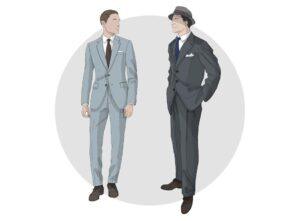
• Suit pants: Pants designed to match a suit jacket in fabric, color, and pattern.
• Tailored pants: Pants with a clean shape and structured fit, whether they are part of a suit or not.
• Work pants: A general term that may include dress pants, chinos, or durable pants worn at work.
So, if you search online for business pants, try terms such as “men’s dress pants,” “women’s work trousers,” “office slacks,” or “tailored business pants.”

Dress Pants vs. Slacks vs. Trousers
Dress pants, slacks, and trousers often describe similar clothing. The difference usually comes from regional usage, fashion context, and the level of formality.
Dress pants usually sound more formal. They often have a smooth finish, a pressed crease, belt loops, pockets, and a refined cut. You might wear them with a button-down shirt, blouse, blazer, or dress shoes.
Slacks sound slightly more relaxed. In everyday American speech, someone may call nearly any neat, non-jean pants “slacks.” The word does not always tell you the exact fabric or formality.
Trousers sound more polished and traditional. Clothing brands often use “trousers” to describe pants with a tailored cut, pleats, a flat front, or a more formal fabric.
A simple way to remember the difference is this:
• Dress pants describe the purpose.
• Slacks describe common everyday usage.
• Trousers describe a formal style category.
Business pants can fit into all three groups. The right term depends on the workplace and the garment itself.

Common Types of Business Pants
Business pants come in several styles. Each type works best in a different setting.
Suit Pants
Suit pants are made from the same fabric as a suit jacket. They often include a flat front, belt loops or side adjusters, and a matching color or pattern.
Wear suit pants with the matching jacket for a formal look. You can sometimes wear them separately, but frequent separate use may create a slight color difference between the jacket and pants.
Wool Dress Pants
Wool dress pants are a classic choice for offices, interviews, conferences, and formal events. Wool breathes well, resists wrinkles, and drapes nicely.
Lightweight wool works well in warmer months. Flannel wool feels warmer and softer in cold weather. A wool blend may cost less and offer easier care.
Cotton Chinos
Chinos are cotton or cotton-blend pants with a simple, clean design. They usually have slanted front pockets and a less formal appearance than wool dress pants.
Chinos are a strong choice for business-casual offices. Choose navy, khaki, gray, olive, or stone for easy styling.
Twill Work Trousers
Twill trousers have a diagonal weave that gives the fabric strength and texture. They look more polished than jeans but may feel more relaxed than traditional dress pants.
They can work well in creative offices, schools, retail management, and workplaces with a practical dress code.
Ponte or Stretch Dress Pants
Ponte and other stretch fabrics are common in women’s business clothing. They offer comfort, shape retention, and easy movement.
These pants can look professional when they have a smooth finish, a neat waistband, and a structured cut. Avoid very thin fabric or shiny finishes if the setting is formal.
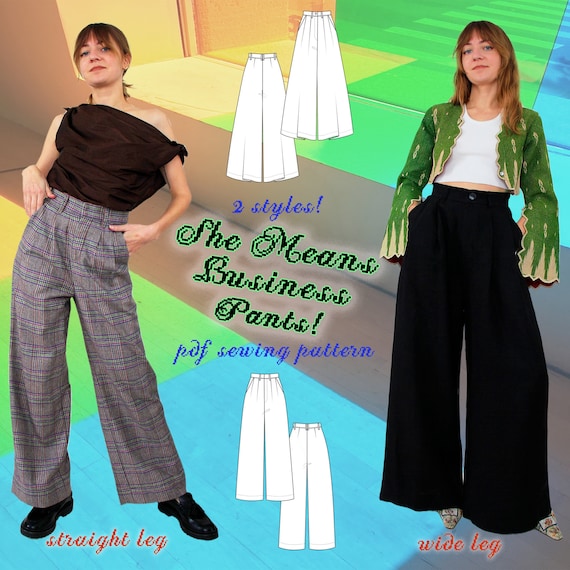
Wide-Leg and Pleated Trousers
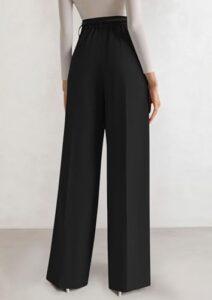
Wide-leg pants and pleated trousers can look highly professional when the fabric has good drape and the waist fits well.
The key is balance. Pair fuller pants with a neat top or fitted jacket so the outfit looks intentional rather than oversized.

What Are Business Pants Called in Business Casual Dress?
In a business-casual setting, business pants may be called chinos, khakis, dress trousers, ankle pants, or smart trousers.
Business casual has no single national rule. One office may allow dark jeans, while another may require wool trousers every day. Always check the written dress code and observe what trusted coworkers wear.
Good business-casual options include:
• Navy chinos with a light blue button-down shirt
• Gray trousers with a knit polo
• Black ankle pants with a blouse and cardigan
• Khaki chinos with a tucked-in Oxford shirt
• Dark brown trousers with a cream sweater
Avoid assuming that every comfortable pant is suitable for work. Sweatpants, athletic joggers, cargo pants, and distressed denim usually look too casual unless your workplace clearly allows them.
The safest test is simple: Does the garment look neat, opaque, clean, and intentional? If the answer is yes, it may work for business casual.

How Formal Are Different Business Pants?
The formality of business pants depends on more than their name. Fabric, color, fit, details, and the rest of the outfit all matter.
Formal Business Pants
Formal business pants usually include:
• Matching suit trousers
• Dark wool dress pants
• Structured black or charcoal trousers
• Pressed pants with a sharp crease
Wear these with a suit jacket, dress shirt, conservative blouse, leather dress shoes, or polished loafers.
Standard Office Pants
Standard office pants may include:
• Gray or navy dress pants
• Tailored chinos
• Dark brown trousers
• Simple ankle pants
• Wool-blend slacks
These pants suit many office environments. A blazer can make them look more formal, while a knit top can create a softer business-casual outfit.
Relaxed Business Pants
Relaxed business pants may include:
• Colored chinos
• Textured cotton trousers
• Corduroy pants in some workplaces
• Clean, dark jeans where allowed
These styles work best in creative offices or casual professional settings. They may not be suitable for interviews, courtrooms, banking offices, or formal client meetings.

How Should Business Pants Fit?
Fit is often more important than the label. Expensive business pants can look poor if they are too tight, too loose, too long, or poorly shaped.
Use this fit checklist:
• The waistband should sit securely without digging into your skin.
• You should be able to sit and walk without pulling at the hips.
• The front should lie flat unless the pants are designed with pleats.
• The pockets should not gape.
• The seat should follow your shape without clinging.
• The rise should feel comfortable when you sit.
• The hem should meet your shoes neatly.
For men’s dress pants, a slight break creates a traditional look. No break gives a sharper, modern line. A full break looks more relaxed and may create extra fabric near the ankle.
For women’s business pants, the hem may fall at the ankle, just above the shoe, or near the top of the foot. The best length depends on the cut and the shoes.
A useful shopping lesson is to judge pants while sitting, not only while standing. Many fit problems appear when the waistband presses, the pockets open, or the knees pull during movement.
Best Colors for Business Pants
Neutral colors offer the most flexibility. They also make it easier to build a small work wardrobe.
The most useful colors include:
• Navy: Professional, versatile, and less severe than black
• Charcoal gray: Formal and easy to pair with many shirts
• Medium gray: A strong choice for daily office wear
• Black: Clean and formal, especially for women’s workwear
• Khaki: Relaxed and useful for business casual
• Brown: Warm and stylish with cream, blue, and green
• Olive: Appropriate for some casual professional settings
If you are buying your first pair, choose navy, charcoal, or medium gray. These colors work with white, blue, pink, cream, burgundy, and patterned tops.
Be careful with very bright colors, large checks, and bold stripes. They can be stylish, but they offer fewer outfit combinations.

Choosing the Right Fabric
Fabric affects comfort, appearance, durability, and care.
Wool is breathable and has a natural drape. It is one of the best choices for formal business pants, but it may need dry cleaning or careful pressing.
Cotton is comfortable and easy to wear. It wrinkles more than wool, especially in lightweight forms. A small amount of stretch can improve comfort, but too much stretch may make the pants look casual.
Polyester blends resist wrinkles and often cost less. They can be practical for travel, but low-quality blends may feel warm or look shiny.
Linen is cool and breathable but wrinkles easily. It may suit relaxed summer offices, but it is not always ideal for formal meetings.
Ponte and knit fabrics feel comfortable and move well. Look for a thick, smooth fabric that keeps its shape.
Check the fiber label and care label before buying. In the United States, textile labels provide useful information about fiber content and care. These details help you compare products and avoid buying pants that need more maintenance than you can manage.
How to Style Business Pants
The easiest way to style business pants is to match their formality with the top and shoes.
For a formal office, try:
-
Charcoal dress pants
-
A white or pale blue dress shirt
-
A navy blazer
-
Black or brown leather shoes
For a business-casual office, try:
-
Navy chinos
-
A patterned button-down shirt
-
A brown belt
-
Loafers or clean leather sneakers, if allowed
For a women’s professional outfit, try:
-
Black ankle pants
-
A tucked-in blouse
-
A structured blazer
-
Flats, loafers, or low heels
For a relaxed creative workplace, try:
-
Olive or tan trousers
-
A fine-gauge sweater
-
A simple belt
-
Minimal leather shoes
Match your belt and shoes when possible. Also, keep the visual balance in mind. Loose trousers look best with a clean, structured top, while slim pants can pair well with a softer blouse or relaxed jacket.
Common Mistakes to Avoid
Even well-chosen business pants can lose their polished look because of small details.
Avoid these mistakes:
• Wearing pants that are too long and bunch heavily over the shoes
• Choosing fabric that is too thin or transparent
• Wearing wrinkled pants to an important meeting
• Mixing a black jacket with faded black pants
• Selecting a low-rise cut that feels uncomfortable when sitting
• Overfilling the pockets and distorting the shape
• Wearing pants with stains, loose threads, or missing buttons
• Treating “business casual” as permission to wear gym clothes
One mistake I often see in professional dressing is buying for the changing-room mirror alone. Walk, sit, bend slightly, and check the back view before deciding. Comfort is not a luxury; it helps you look more confident because you are not adjusting your clothes all day.
How to Buy Business Pants
Use this step-by-step process when shopping.
1. Identify the Dress Code
Decide whether you need formal business pants, standard office pants, or business-casual pants. If you are shopping for an interview, choose a slightly more formal option than the everyday office norm.
2. Choose a Flexible Color
Start with navy, charcoal, gray, or black. These shades work with many shirts and jackets.
3. Check the Fabric
Look for a fabric that fits the season and your schedule. If you travel often, wrinkle-resistant fabric may be more useful than delicate wool.
4. Test the Fit
Sit, walk, and raise your knees slightly. Check the waistband, pockets, seat, and hem.
5. Plan for Alterations
A tailor can usually adjust the hem and waistband. Some garments can also be altered through the seat or leg, but major changes may not be possible.
6. Try Them With Your Shoes
Pant length changes the way the whole outfit looks. Bring the shoes you expect to wear most often.
A modest pair of well-altered business pants will usually look better than an expensive pair with poor fit. Tailoring is often the quiet difference between “fine” and “professional.”
Caring for Business Pants
Proper care keeps business pants looking sharp and extends their useful life.
Follow these habits:
• Read the care label before washing or dry cleaning.
• Hang pants by the waistband or use a proper trouser hanger.
• Let wool pants rest between wears.
• Remove small stains quickly with gentle treatment.
• Use a steamer or iron at the correct heat.
• Avoid washing structured pants more often than needed.
• Rotate several pairs instead of wearing one pair every day.
For travel, fold pants along the existing crease and place them near the top of your bag. A garment steamer can remove light wrinkles without creating harsh shine.
Do not assume every pair marked “washable” can handle hot water or high heat. Heat may shrink natural fibers, damage stretch fibers, or change the shape of the waistband.
Frequently Asked Questions About What Are Business Pants Called
Are business pants and dress pants the same thing?
They are often used to mean the same thing. However, “business pants” is a broad phrase, while “dress pants” usually suggests a more polished and formal style.
What are women’s business pants called?
Women’s business pants are commonly called dress pants, work trousers, ankle pants, slacks, or tailored pants. The best term depends on the cut, fabric, and level of formality.
Are chinos considered business pants?
Chinos can be business pants in a business-casual workplace. Choose a clean, well-fitted pair in navy, khaki, gray, or another muted color.
Can you wear suit pants without the jacket?
You can wear suit pants separately, especially when the color and condition still look consistent. Avoid pairing them with a jacket that almost matches but has a noticeably different shade or fabric.
What is the difference between slacks and khakis?
Slacks is a broad term for neat non-jean pants, while khakis usually refers to cotton twill pants in a tan or khaki color. Khakis are generally less formal than wool dress slacks.
What pants should you wear to a job interview?
Choose clean, well-fitted dress pants or matching suit trousers in navy, charcoal, gray, or black. Pair them with polished shoes and a simple shirt, blouse, or blazer.
Are black jeans business pants?
Black jeans may count as business pants only in a casual workplace that allows denim. They are not a safe choice for formal offices, interviews, or conservative professional events.
Conclusion
Business pants are most often called dress pants, slacks, trousers, suit pants, or tailored pants. The best name depends on the fabric, cut, and workplace dress code.
For formal settings, choose wool dress pants or matching suit trousers. For business casual, chinos and neat cotton trousers often work well. Focus on fit, color, fabric, care, and the full outfit rather than the label alone.
Start with one versatile pair in navy, charcoal, gray, or black. Try it while sitting and walking, then have the hem adjusted if needed. Explore more workplace style guides, and share your favorite business-pants tips in the comments.

Madison Clark is a footwear expert and the voice behind MyStyleGrid.com. She specializes in honest shoe reviews, style tips, and practical guides to help readers find the perfect pair for any occasion. With years of experience in blogging and content creation, Madison makes footwear knowledge simple, stylish, and easy to follow.