Sandals are made from leather, rubber, foam, plastic, fabric, cork, wood, and other materials.
The answer to what are sandals made of depends on the sandal’s purpose, design, price, and expected use. A beach sandal needs water resistance, while a hiking sandal needs grip, support, and strong straps. This guide explains each common material, how sandal parts work together, and how to choose the best pair for your feet.
What are sandals made of?
Most sandals combine several materials rather than using one material from top to bottom. The upper may use leather or fabric, the sole may use rubber, and the footbed may contain foam or cork.
Manufacturers choose each material for a specific job. Some materials add comfort, some improve grip, and others help sandals last longer.
Common sandal materials include:
• Leather for strength, comfort, and a classic look
• Rubber for traction and water resistance
• EVA foam for light cushioning
• Cork for a firm, molded footbed
• Plastic for low-cost, water-friendly designs
• Nylon and polyester for straps and outdoor use
• Suede for soft, casual uppers
• Wood for traditional or fashion sandals
• Recycled materials for lower-impact designs
So, when asking what are sandals made of, it helps to look at each part of the shoe instead of the sandal as one solid item.

Main parts of a sandal
A sandal has several main parts. Each part affects comfort, fit, support, and durability.
Upper
The upper is the part that holds the foot in place. It can include straps, panels, buckles, or a toe post.
Common upper materials include:
• Full-grain leather
• Suede
• Synthetic leather
• Nylon webbing
• Polyester fabric
• Mesh
• Rubber
• Thermoplastic polyurethane, also called TPU
Leather uppers often soften with wear. Fabric uppers are usually light and breathable. Synthetic uppers can resist water and cost less, but their breathability varies.
Footbed
The footbed is the surface under your foot. It may be flat, shaped, padded, or molded to support the arch.
Common footbed materials include:
• EVA foam
• PU foam
• Cork
• Leather
• Rubber
• Memory foam
• Molded plastic
A soft footbed can feel comfortable at first. However, very soft foam may flatten over time. A firmer footbed can offer better support for walking, especially when it matches the natural shape of your foot.
Outsole
The outsole touches the ground. It protects the footbed and controls traction.
Rubber is common because it grips well on many surfaces. EVA is lighter, but it may wear faster on rough pavement. Hard plastic can last a long time, though it may feel stiff and slippery on wet floors.
Midsole
Some sandals have a separate midsole between the footbed and outsole. This layer often contains EVA, polyurethane, cork, or another cushioning material.
The midsole works like a shock pad. It helps reduce the force that travels from the ground to your feet, knees, and hips.
Straps and fasteners
straps may use leather, nylon, polyester, rubber, or synthetic leather. Fasteners may include hook-and-loop tape, buckles, snaps, or elastic.
A strong strap is important, but the attachment point matters just as much. A well-made strap should connect to the sole with firm stitching, strong bonding, or both.
Leather sandals
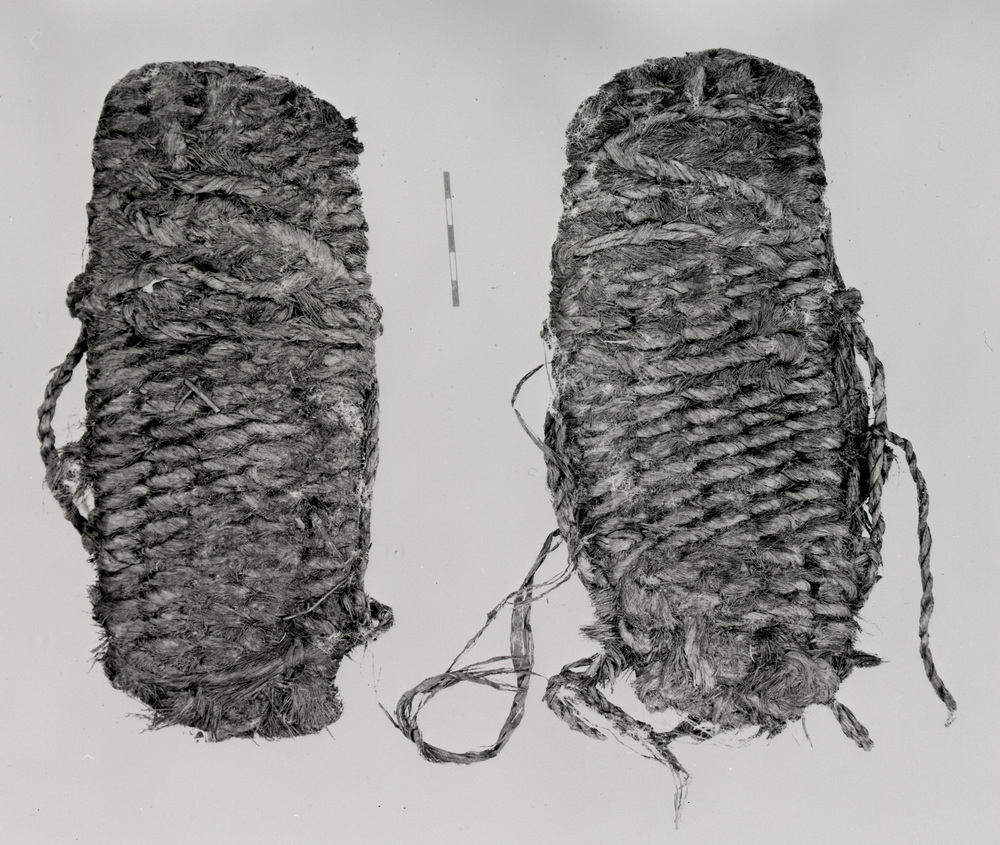
Leather is one of the oldest and most popular sandal materials. It can feel warm, flexible, and natural against the skin.
Full-grain leather keeps the outer surface of the hide. It is usually strong and may develop a rich patina over time. Top-grain leather is also durable but may have its surface changed or smoothed.
Other leather types include:
• Suede, which has a soft, brushed surface
• Nubuck, which has a fine, lightly sanded surface
• Corrected-grain leather, which has more surface treatment
• Bonded leather, which contains leather fibers mixed with binders
Leather can mold to the shape of your foot. This is one reason leather sandals often become more comfortable after several wears.
Still, leather has limits. It can absorb water, stain, crack when neglected, and require more care than synthetic materials. Avoid soaking leather sandals unless the maker says they are water-safe.
From my own sandal comparisons, the biggest mistake is wearing new leather sandals for a full day at once. Short sessions help the leather soften while reducing blisters and pressure spots.

Rubber sandals
Rubber is widely used for outsoles, flip-flops, slides, and water sandals. It offers good flexibility and grip.
There are two main types:
• Natural rubber comes from latex found in rubber trees.
• Synthetic rubber is made through chemical processes and can be designed for specific performance needs.
Rubber sandals often handle wet areas better than leather sandals. They are useful around pools, beaches, locker rooms, and rainy streets.
The quality of rubber varies. A thin, soft sole may feel comfortable but wear quickly. A dense rubber outsole may last longer and provide better protection, though it can weigh more.
Some people have latex allergies. If that is a concern, check the product details and look for latex-free materials.
Rubber can also become less flexible with age, heat, or long exposure to sunlight. Store rubber sandals in a cool, shaded place.
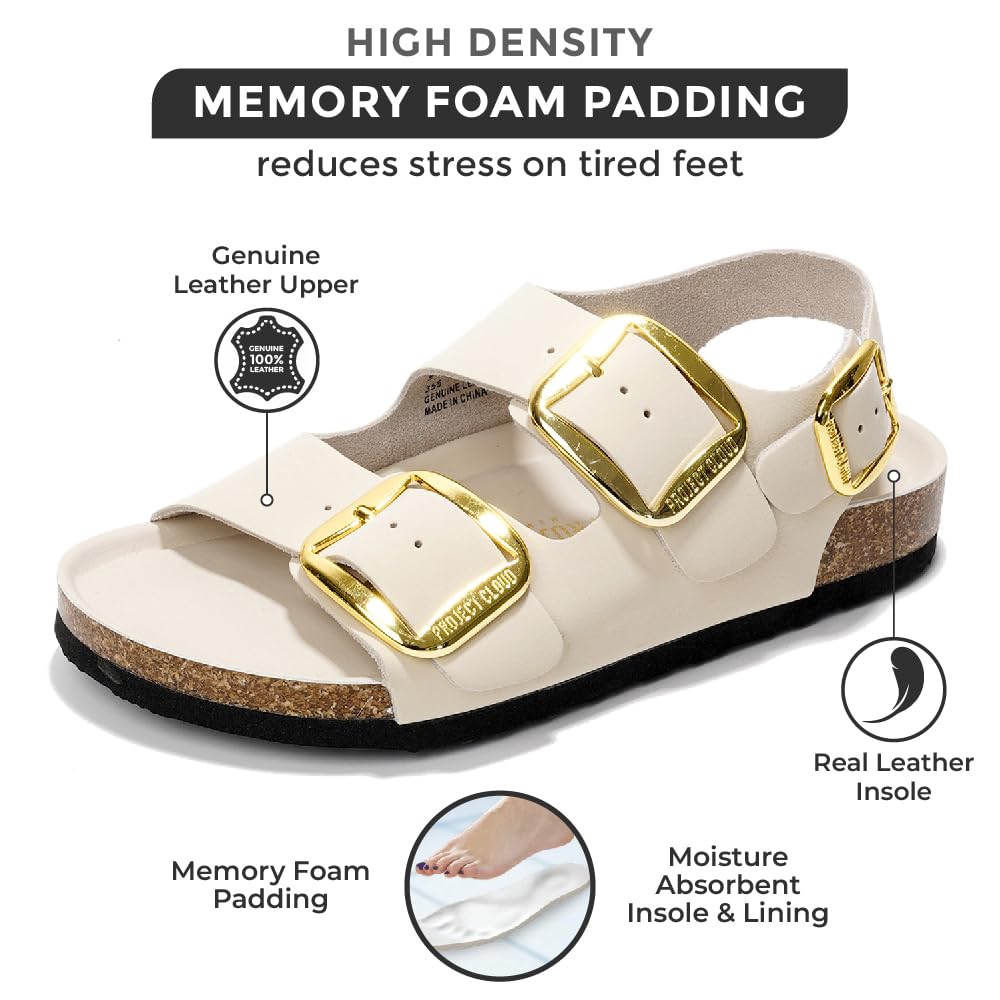
Foam and plastic sandals
Many modern sandals use foam and plastic because these materials are light, affordable, and easy to shape.
EVA foam
Ethylene-vinyl acetate, or EVA, is a common foam in midsoles, footbeds, and outsoles. It feels light and provides soft cushioning.
EVA is common in:
• Sport sandals
• Recovery sandals
• Pool slides
• Children’s sandals
• Lightweight travel sandals
Its main weakness is compression. After repeated use, the foam can become flatter and less supportive.
Polyurethane
Polyurethane, or PU, is denser than EVA. It often provides a more stable feel and can resist wear well.
PU may appear in footbeds, midsoles, and outsoles. It is useful when a sandal needs both cushioning and structure.
PVC and other plastics
Polyvinyl chloride, or PVC, is used in inexpensive slides, jelly sandals, and water-friendly footwear. It resists water and is easy to clean.
However, PVC can feel less breathable. Some plastic sandals may also rub the skin if the edges are rough or the fit is too tight.
TPU
Thermoplastic polyurethane is flexible and strong. It is often used in straps, outsoles, and molded parts.
TPU can offer a useful balance between rubber-like flexibility and plastic-like durability. It is common in outdoor and athletic sandal designs.
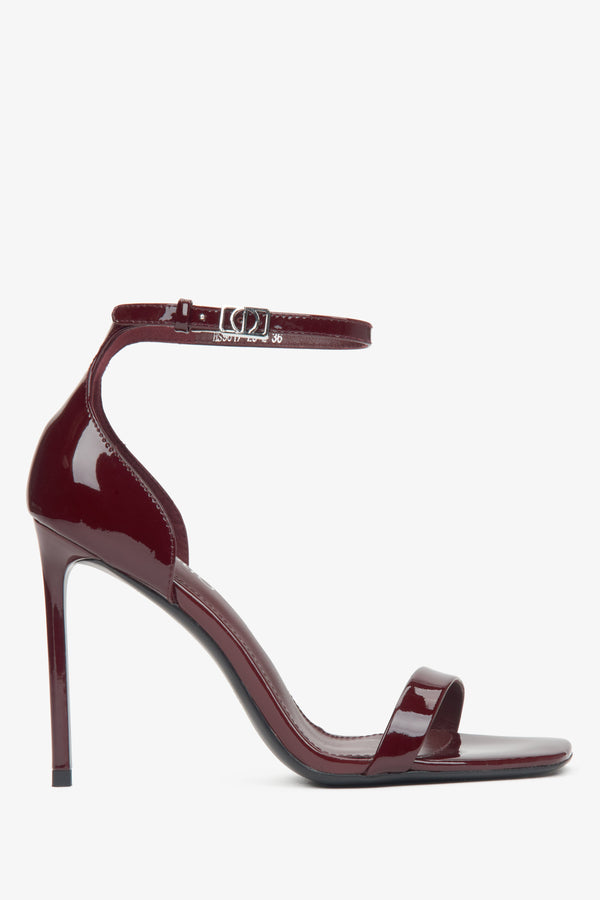
Cork, wood, and natural materials
Cork is popular in footbeds because it is light, firm, and moldable. Some cork footbeds become shaped by repeated use, which can make them feel personal and supportive.
Cork is not fully waterproof. Water can weaken the material or damage the adhesive layers. Keep cork sandals dry and clean them with a lightly damp cloth.
Wood is used in clogs, platform sandals, and traditional footwear. It provides a firm base and can create a distinctive style.
Other natural materials may include:
• Jute
• Cotton
• Hemp
• Linen
• Raffia
• Woven palm fibers
These fibers often appear in straps or decorative uppers. They can feel breathable, but they may not tolerate heavy rain or rough use.
Natural materials are not automatically more sustainable. Their environmental effect depends on farming, tanning, processing, transport, product life, and disposal. A long-lasting sandal may be a better choice than a poorly made sandal made from a natural material.

How sandal materials affect comfort
The materials used in sandals change how they feel during walking. Comfort comes from the full design, not just one material.
Soft materials can reduce pressure. Firm materials can improve stability. Breathable materials can help manage heat and moisture.
Consider these points:
• A padded footbed may help with comfort during short walks.
• A firm footbed may feel better during long walks.
• Flexible straps can reduce rubbing.
• Wide straps can spread pressure across the foot.
• A textured outsole can improve grip.
• A shaped footbed may support the arch.
• A heel cup can help keep the foot aligned.
A very soft sandal is not always the most supportive sandal. In my experience, sandals that feel like pillows in the store can lose their shape quickly. I look for a footbed that bends at the toes but does not fold in the middle.
Fit also matters. Even the best materials cannot fix a sandal that is too narrow, too loose, or too short.

What are sandals made of for hiking and sports?
Hiking and sports sandals usually use a mix of synthetic materials. These materials dry faster and often resist abrasion better than untreated leather.
A typical outdoor sandal may contain:
• Nylon or polyester webbing straps
• EVA foam in the midsole
• Rubber or durable synthetic rubber in the outsole
• TPU support pieces
• Quick-drying mesh
• Hook-and-loop closures
• Reinforced stitching
The outsole should match the surface. Deep lugs can help on dirt and loose ground. A flatter tread may feel better on pavement.
Water sandals often use closed-cell foam or synthetic materials. Closed-cell foam does not absorb much water, so it dries faster than many open-cell materials.
For outdoor use, check the strap adjustment, heel hold, toe protection, and outsole pattern. A sandal that looks rugged may still lack enough support for long trails.
What are sandals made of for beaches and pools?
Beach and pool sandals often use rubber, EVA, PVC, or other synthetic materials. These materials handle water better than untreated leather, suede, and many natural fibers.
Good water sandals should have:
• A non-slip outsole
• Fast-drying straps
• Secure foot retention
• Smooth edges
• Materials that do not absorb much water
• Easy cleaning
Do not assume that every rubber sandal is slip-proof. Pool surfaces can be very smooth, and soap or algae can reduce traction.
Rinse sandals after exposure to salt water or chlorine. Salt can dry some materials, while chlorine may affect color and flexibility. Let sandals air-dry away from direct heat.
Are sandals made from sustainable materials?
Some sandals use recycled rubber, recycled polyester, plant-based foam, cork, or responsibly sourced leather. These materials may reduce certain impacts, but sustainability is complex.
A material claim should be specific. “Made with recycled content” does not mean the whole sandal is recycled. It may refer only to the straps, footbed, or packaging.
When comparing options, look for:
• Recycled content percentages
• Repairable construction
• Durable materials
• Clear care instructions
• Responsible supply information
• Minimal unnecessary packaging
• Take-back or recycling programs
The best environmental choice is often a sandal that fits well and lasts for years. Replacing cheap sandals several times can create more waste than buying one durable pair.
There are also trade-offs. Leather can last a long time but uses animal hide and chemical processing. Synthetic materials avoid animal leather but may rely on fossil-based plastics. No material is perfect in every measure.
How to choose the right sandal material
Start with the activity, climate, and amount of walking you expect to do. Your needs matter more than a material label.
Use this simple guide:
- Choose leather for a classic look and a sandal that can soften with wear.
- Choose rubber or EVA for beaches, pools, and easy cleaning.
- Choose nylon or polyester for hiking and active use.
- Choose cork for a firm, shaped footbed.
- Choose foam for light weight and soft cushioning.
- Choose sturdy rubber for better outdoor traction.
- Choose breathable mesh for hot weather and active movement.
Then inspect the construction. Check whether the straps feel secure, the sole bends in the right place, and the footbed supports your arch.
Try sandals later in the day, when feet are often slightly larger. Walk on a safe surface for several minutes. Your heel should stay on the footbed, and your toes should not hang over the front.
How to clean and protect sandal materials
Care depends on what the sandals are made of. Always follow the maker’s instructions first.
Leather
Wipe away dirt with a soft cloth. Use a leather conditioner made for footwear, and keep leather away from prolonged soaking.
Rubber and plastic
Wash with mild soap and water. Use a soft brush for the tread, then air-dry the sandals fully.
EVA foam
Clean with mild soap and a damp cloth. Avoid very hot water, which can change the shape of foam.
Cork
Wipe gently with a damp cloth. Do not saturate the footbed, and protect exposed cork with a suitable sealant if the manufacturer recommends one.
Fabric and mesh
Brush off dry dirt first. Spot-clean with mild soap, and allow the material to dry in open air.
Avoid hair dryers, radiators, and hot car trunks. Excess heat can warp foam, weaken adhesives, and dry leather.
Common mistakes when buying sandals
Many sandal problems come from choosing by appearance alone. A stylish sandal may still lack support or fit.
Avoid these mistakes:
• Buying a sandal that is too short
• Choosing a very thin sole for long walks
• Ignoring rough strap edges
• Wearing new sandals all day immediately
• Using beach sandals for serious hiking
• Assuming soft foam will last forever
• Wearing leather sandals in heavy rain
• Ignoring poor traction on wet surfaces
Another common mistake is confusing break-in with pain. Mild stiffness may improve. Sharp rubbing, numbness, or strong pressure usually means the sandal does not fit correctly.
A good sandal should feel secure without squeezing the foot. If you keep changing your stride to protect a sore spot, stop wearing that pair and reassess the fit.
Frequently Asked Questions About What Are Sandals Made Of
What are sandals made of most often?
Sandals are most often made of leather, rubber, EVA foam, synthetic leather, nylon, polyester, cork, and plastic. Many designs combine several of these materials for comfort, support, grip, and water resistance.
Are leather sandals better than synthetic sandals?
Neither material is always better. Leather can soften and last well with care, while synthetic sandals are often lighter, easier to clean, and better for wet conditions.
What are the best materials for water sandals?
Rubber, EVA foam, PVC, TPU, and quick-drying synthetic fabrics are common choices for water sandals. Look for secure straps and a textured outsole because water resistance alone does not guarantee good traction.
Are cork sandals waterproof?
Most cork sandals are not fully waterproof. Small amounts of moisture may be manageable, but soaking can damage the cork, adhesives, and other layers.
What are comfortable sandals made of?
Comfortable sandals may use molded EVA, PU foam, cork, leather, or supportive rubber. The best choice depends on fit, foot shape, cushioning, arch support, and how long you plan to wear them.
Are rubber sandals good for walking?
Rubber sandals can be good for walking when they have proper cushioning, a supportive footbed, and a secure fit. Very flat rubber flip-flops may be fine for short trips but may not provide enough support for long walks.
What are vegan sandals made of?
Vegan sandals may use synthetic leather, microfiber, recycled polyester, nylon, rubber, cork, or plant-based materials. Vegan describes the absence of animal-based materials, not a guarantee of durability or environmental performance.
How can you tell if sandals are well made?
Look for even stitching, firmly attached straps, clean edges, a stable footbed, and an outsole with suitable grip. Bend the sandal gently and check that it flexes near the toes rather than folding through the middle.
Conclusion
Sandals are made from many materials, including leather, rubber, EVA foam, cork, plastic, nylon, polyester, and wood. Each material has strengths and limits, so the best sandal depends on your activity, climate, comfort needs, and care habits.
When you shop, inspect the upper, footbed, outsole, straps, and fasteners as separate parts. Choose durable construction and a secure fit over appearance alone. Explore material labels carefully, compare care needs, and share your own sandal experience in the comments.

Madison Clark is a footwear expert and the voice behind MyStyleGrid.com. She specializes in honest shoe reviews, style tips, and practical guides to help readers find the perfect pair for any occasion. With years of experience in blogging and content creation, Madison makes footwear knowledge simple, stylish, and easy to follow.