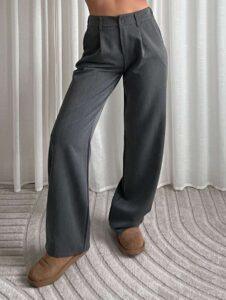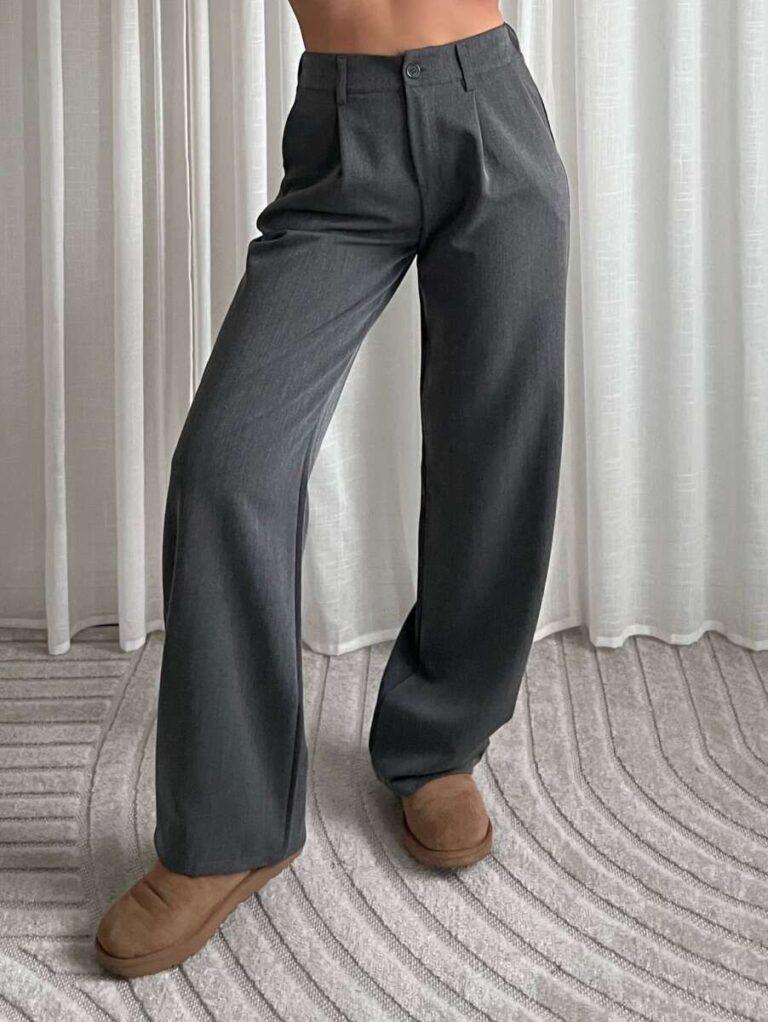
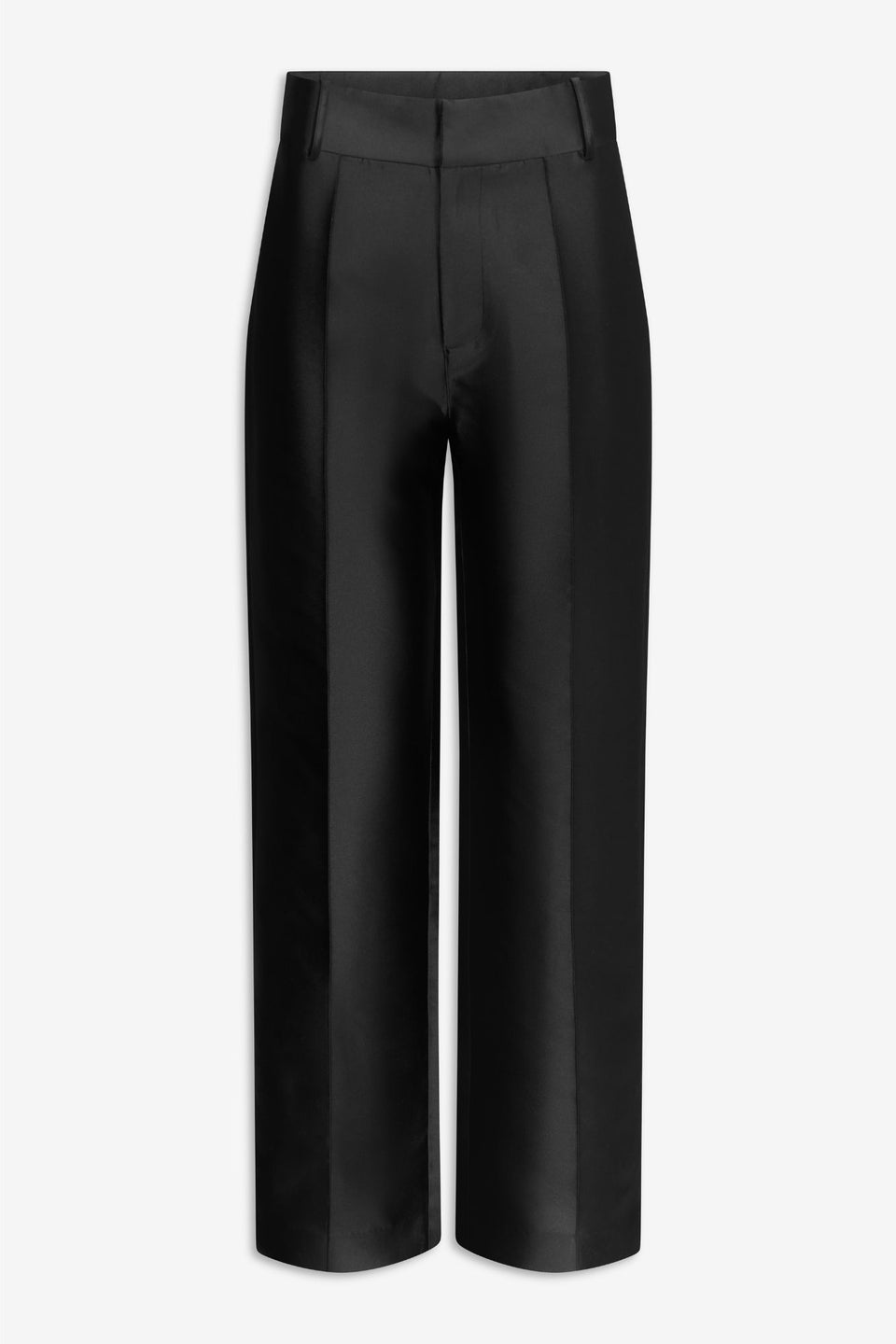
Straight leg trousers hang evenly from the hip to the hem without narrowing or widening dramatically.
If you have ever wanted a clean, balanced look without the tight feel of skinny pants or the extra width of wide-leg styles, straight leg trousers are a strong choice. This guide explains what straight leg trousers are, how they fit, how to style them, and how to choose the best pair for your body and lifestyle.
What Are Straight Leg Trousers?
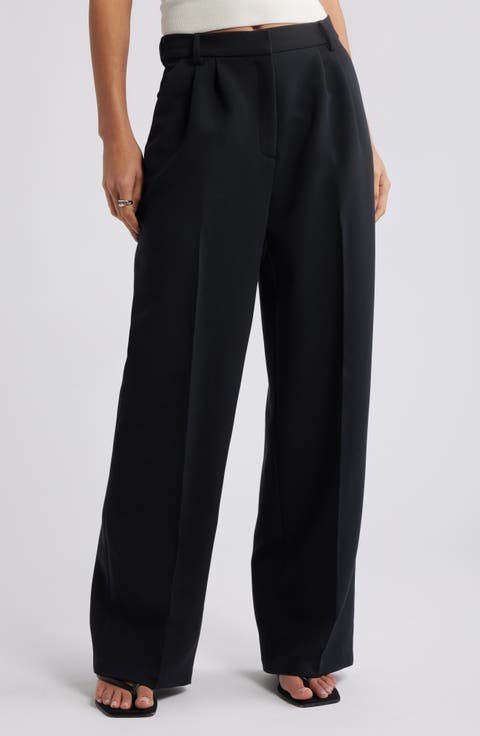
Straight leg trousers are pants with a fairly consistent width from the upper leg down to the ankle. The fabric falls in a straight line rather than tapering sharply at the calf or spreading out near the hem.
The cut may still follow the natural shape of your legs. However, the difference between the width at the thigh, knee, and ankle is usually small. This creates a neat shape that looks structured without appearing tight.
Straight leg trousers can come in many fabrics and styles, including:
- Cotton twill trousers
- Wool dress pants
- Linen trousers
- Denim jeans
- Chinos
- Corduroy pants
- Suit trousers
- Workwear pants
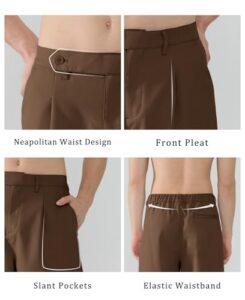
The key feature is the leg shape. Details such as the rise, waistband, pleats, pockets, fabric, and hem can vary widely.

How Do Straight Leg Trousers Fit?
Straight leg trousers usually fit close to the waist and hips, then fall in a direct line through the legs. They should not cling to the thighs, but they should also not look overly loose.
A good pair should allow you to sit, walk, and bend with ease. The waistband should feel secure without digging into your skin. Around the thigh, you should have enough room to pinch a small amount of fabric, but not so much that the trousers look baggy.
The hem depends on the style:
- A dress pair may reach the top of the shoe or create a small break.
- A casual pair may stop near the ankle.
- A cropped pair may end several inches above the ankle.
- A full-length pair may cover part of the shoe.
When I assess the fit of straight leg trousers, I look at the side view first. If the fabric hangs cleanly from the hip and does not twist around the knee, the cut is often working well. A common mistake is choosing a waist size that fits while ignoring excess fabric at the seat or thigh.
Straight Leg Trousers vs. Other Pant Styles
Understanding the difference between trouser cuts makes shopping much easier. The names can sound similar, but each style creates a different outline.
Straight Leg vs. Skinny
Skinny trousers fit closely from the hip to the ankle. Straight leg trousers leave more space through the thigh and lower leg.
Skinny styles create a narrow, fitted appearance. Straight leg trousers offer a more relaxed shape while still looking polished.
Straight Leg vs. Slim Fit
Slim trousers are narrower than straight trousers, especially around the knee and ankle. They may still have room to move, but the leg line is more fitted.
Straight leg trousers have a steadier width. They are often more comfortable for people who do not like fabric gripping the calf.
Straight Leg vs. Tapered
Tapered trousers become narrower as they move toward the ankle. Joggers and many modern chinos use this shape.
Straight leg trousers do not narrow as clearly. Their hem normally looks more balanced with the thigh.
Straight Leg vs. Wide Leg
Wide leg trousers have extra volume from the hip or thigh to the hem. They create a flowing, dramatic outline.
Straight leg trousers are more moderate. They work well when you want a classic shape that does not dominate the rest of your outfit.
Straight Leg vs. Bootcut
Bootcut trousers are fairly slim through the thigh and widen slightly from the knee to the hem. They are designed to sit over boots or larger shoes.
Straight leg trousers maintain a similar width down the leg. They can work with boots, sneakers, loafers, and dress shoes.

Why Are Straight Leg Trousers So Popular?
Straight leg trousers have stayed popular because they are simple, useful, and easy to adapt. They sit between very fitted and very loose styles, which gives them broad appeal.
Their balanced shape can make an outfit look calm and put together. The eye moves in one clean line from the waist to the shoe, rather than stopping at a sharply tapered ankle or a wide hem.
Here are some practical benefits:
- They suit casual and formal outfits.
- They work with many types of shoes.
- They offer more room than skinny trousers.
- They create a classic shape that does not rely on fast trends.
- They can balance fuller hips or broader shoulders.
- They are available in many fabrics and price ranges.
- They often layer well with sweaters, jackets, and coats.
Straight leg trousers are also useful for travel and work. A pair with a little stretch can stay comfortable during a long day, while a wool or pressed cotton pair can look professional in an office.
Still, fit matters more than the label. One brand’s straight leg cut may look slim, while another brand’s version may feel relaxed. Always check the garment measurements and read the fabric details.
What Body Types Suit Straight Leg Trousers?
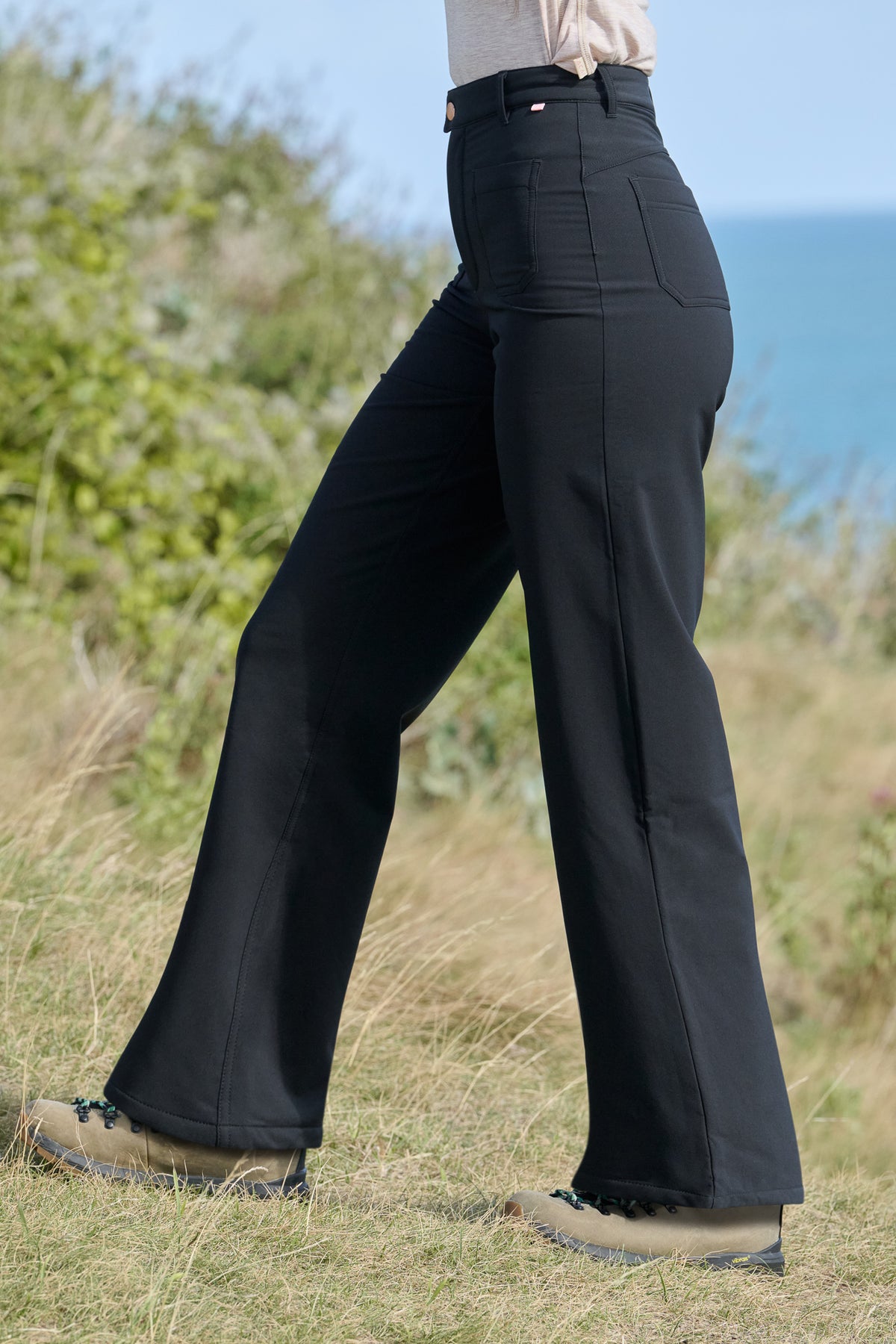
Straight leg trousers can suit every body type when the rise, fabric, and length work together. There is no single “correct” body for this cut.
If you have fuller hips or thighs, look for a smooth waistband and enough room through the seat. A mid-rise or high-rise style can create a secure fit without forcing the fabric to pull across the hips.
If you have a straighter frame, pleats or a slightly relaxed cut can add shape. A fitted shirt or tucked top can also define the waist.
If you are petite, the right length is especially important. A hem that pools at the ankle may make the legs look shorter. Try a cropped style, a clean full-length hem, or have the trousers altered.
If you are tall, check the inseam before buying. Some straight leg trousers are cut too short and may look accidental rather than intentionally cropped.
A few fit tips can help:
- Choose the rise based on comfort and torso length.
- Check for pulling near the zipper or pockets.
- Make sure the side seam hangs straight.
- Try the trousers with the shoes you plan to wear.
- Do not assume a larger size will fix a poor cut.
- Consider tailoring the waist or hem.
In my experience, hemming often makes the biggest difference. A reasonably priced pair with a clean hem can look better than an expensive pair that bunches around the shoe.

How to Style Straight Leg Trousers
Straight leg trousers are easy to style because their shape is neutral. They can support a simple outfit or provide a clean base for stronger pieces.
Casual Outfits
Wear cotton or denim straight leg trousers with a tucked T-shirt and sneakers. Add a denim jacket, cardigan, or light overshirt for extra texture.
For a relaxed weekend outfit, try:
- Straight leg jeans
- A plain crew-neck T-shirt
- Low-profile sneakers
- A canvas jacket
- A simple leather or fabric belt
Keep the top slightly fitted or neatly tucked if the trousers have a relaxed cut. This helps the outfit keep its shape.
Office Outfits
Choose wool, crepe, or pressed cotton straight leg trousers for work. Pair them with a button-down shirt, fine-knit sweater, or simple blouse.
Loafers, ballet flats, low heels, and polished ankle boots all work well. A blazer can make the same trousers look more formal without changing the base outfit.
Neutral colors such as black, navy, gray, tan, and cream are easy to repeat. Deep green, burgundy, and chocolate brown can add color while remaining professional.
Evening Outfits
For evening wear, choose a fluid fabric or a sharp, high-waisted design. Add a silky top, fitted jacket, or refined knit.
A pointed shoe can lengthen the visual line. A statement earring or small metallic bag can add interest without making the outfit feel busy.
Seasonal Styling
In spring and summer, try linen or lightweight cotton straight leg trousers with sandals, woven shoes, or canvas sneakers. In fall and winter, use wool, corduroy, or heavier denim with boots and layered knitwear.
The main styling principle is balance. If the trousers are relaxed, a cleaner top often works well. If the trousers are tailored, you can add a softer sweater or oversized jacket.
How to Choose the Best Straight Leg Trousers
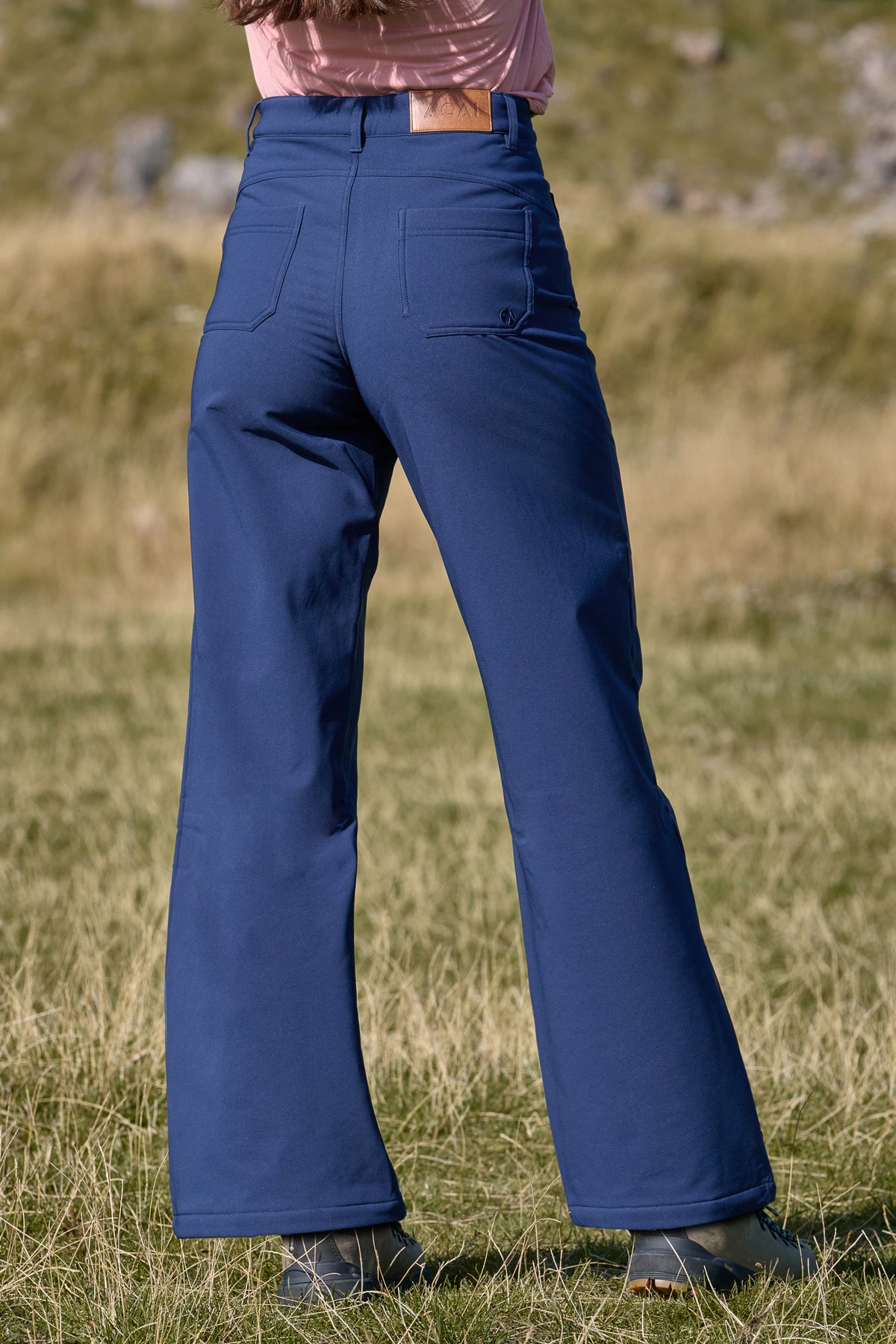
Shopping becomes easier when you check more than the size on the label. The fabric, rise, construction, and intended use all affect comfort and appearance.
Check the Fabric
Stretch fabrics can improve movement. A small amount of elastane may help trousers recover after sitting, but too much stretch can make the fabric lose its shape.
Wool offers a smooth finish and good drape. Cotton is durable and easy to wear. Linen feels cool but may wrinkle more. Polyester blends can add durability and crease resistance, though quality varies.
Consider the Rise
A low rise sits below the natural waist. A mid-rise usually sits around the waist or slightly below it. A high rise reaches closer to the narrowest part of the torso.
The best rise is the one that stays in place without pressure. If you keep pulling the waistband up, the rise may be too short or the trousers may be too loose.
Inspect the Details
Look for even stitching, secure belt loops, smooth pocket openings, and a strong zipper. On dress trousers, check whether the front crease points straight down the leg.
Deep pockets may be useful, but bulky items can change the shape of the trousers. For a smooth appearance, carry larger items in a bag rather than in the front or back pockets.
Check Transparency and Drape
Hold lighter trousers up to a window or bright light before buying. Thin fabric may become see-through, especially in pale colors.
Then watch how the fabric falls. A good pair should move with you but settle back into a clean line when you stand still.

Common Mistakes to Avoid
Even a well-made pair of straight leg trousers can look awkward if the fit or styling is off.
One common mistake is choosing trousers that are too tight at the thigh. This can create horizontal lines and make the legs look more tapered than intended.
Another mistake is wearing the wrong hem length. Too much fabric at the ankle can make the trousers look messy. A hem that ends at an unflattering point can also interrupt the leg line.
Avoid matching a very loose top with very loose trousers unless the oversized look is intentional. Add structure with a tuck, a belt, a cropped jacket, or a defined shoulder.
Do not ignore pocket placement. Slanted pockets that gape usually signal that the trousers are too tight through the hips. Tailoring may help, but changing the size or cut is often the better solution.
Finally, do not judge straight leg trousers while standing still only. Sit down, walk, and turn sideways in the fitting room. Comfort and movement reveal problems that a mirror can hide.

Are Straight Leg Trousers Comfortable?
Straight leg trousers are often comfortable because they do not grip the calf or restrict the knee as much as narrow cuts. Their comfort still depends on the fabric, waistband, rise, and fit.
A pair with a stiff waistband may feel uncomfortable even when the leg shape is roomy. Look for soft finishing, flexible fabric, and enough space across the seat.
For daily wear, a cotton blend with a small amount of stretch can be practical. For formal wear, well-cut wool trousers may feel comfortable because the fabric drapes instead of pulling.
Comfort should not mean shapelessness. The best straight leg trousers give you room to move while keeping a clear, intentional outline.
How to Care for Straight Leg Trousers
Proper care helps trousers keep their shape and color. Always read the care label because fabric blends respond differently to heat and moisture.
Useful care habits include:
- Wash dark trousers inside out.
- Use cool or lukewarm water when allowed.
- Avoid high heat in the dryer.
- Hang trousers from the waistband or use a quality hanger.
- Press them on the recommended setting.
- Remove stains quickly with gentle treatment.
- Rotate several pairs instead of wearing one pair every day.
Wool trousers often benefit from airing between wears rather than frequent washing. Linen may wrinkle, but gentle steaming can restore a neat appearance without flattening the fabric.