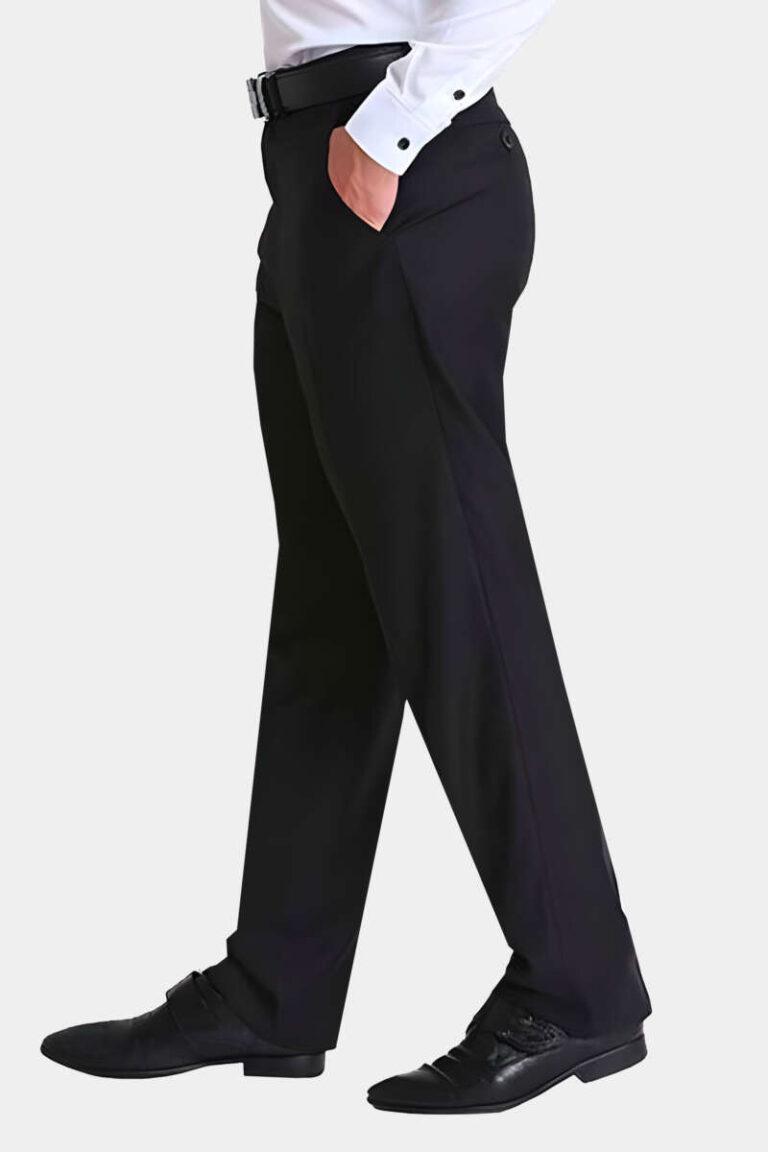
Dress pants look smooth, structured, and polished, with a tailored fit, pressed creases, and refined fabric.
Understanding what do dress pants look like helps you choose the right pair for work, weddings, interviews, dinners, and other polished settings. Their clean lines, neat waistband, and classic shape set them apart from jeans, chinos, and casual trousers. This guide explains every detail, from fabric and fit to pockets, colors, styling, and common mistakes.
What Do Dress Pants Look Like?
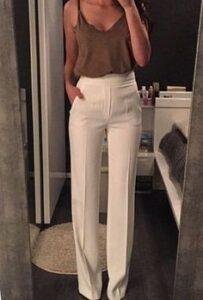
Dress pants are trousers made for neat, semi-formal, or formal outfits. They usually have a flat front or pleated front, a firm waistband, belt loops or side adjusters, and a smooth drape through the legs.
When asking what do dress pants look like, picture trousers with a clean shape and little visual clutter. They are often made from wool, wool blends, polyester blends, cotton blends, linen, or performance fabrics.
Most dress pants share these features:
• A smooth or lightly textured fabric
• A tailored waist and seat
• A straight, slim, or gently tapered leg
• A crease down the front of each leg
• Slanted side pockets
• One or two welt pockets at the back
• A hem that rests neatly over the shoe
Dress pants may look formal or relaxed based on their fabric, color, fit, and details. Black wool trousers look more formal than tan cotton dress pants, even though both have a tailored shape.
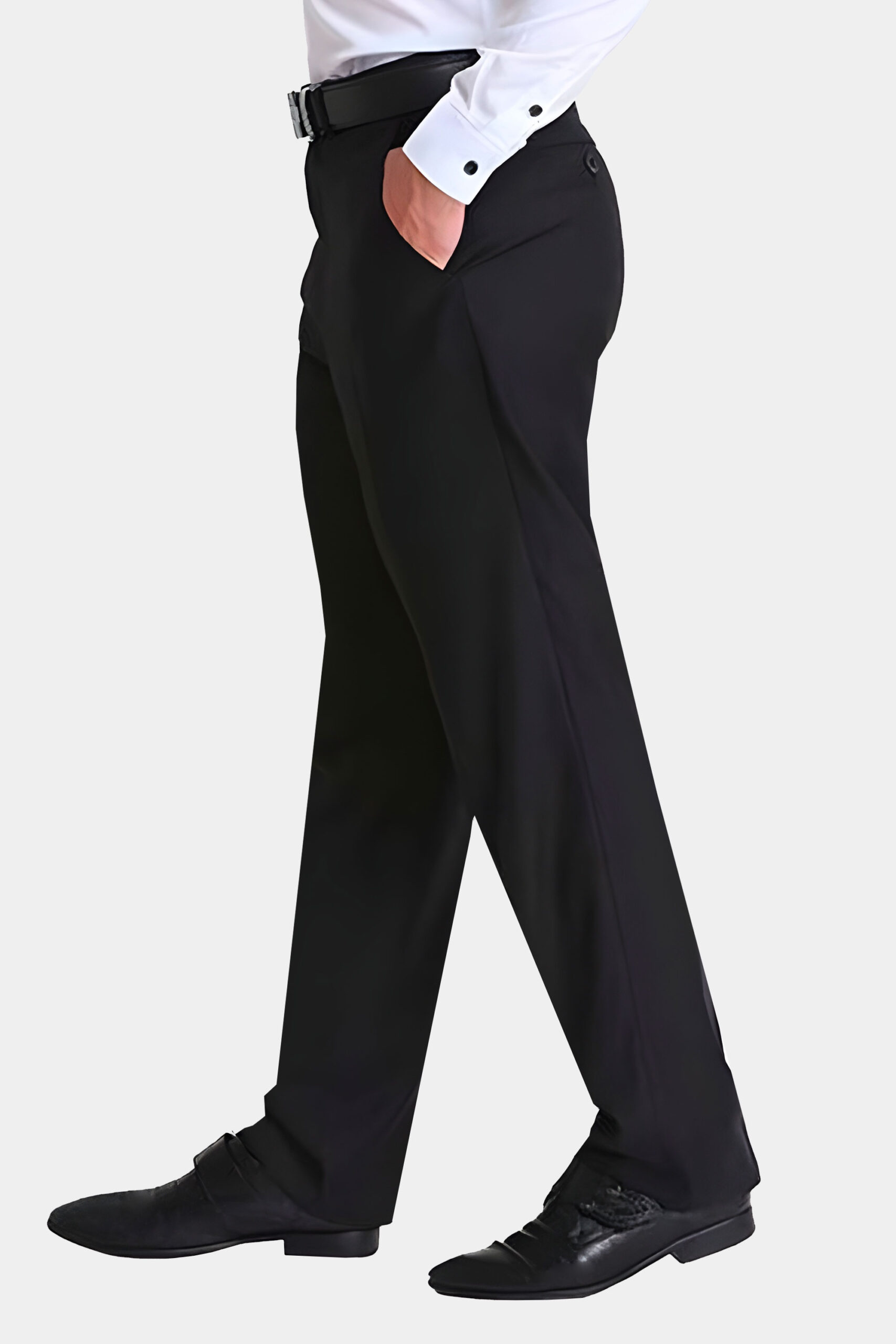
Key Features of Dress Pants
The small details explain what do dress pants look like in real life. Each part affects the way the pants fit, move, and match with other clothing.


Waistband
A dress pant waistband sits firmly around your natural waist or slightly below it. It should feel secure without digging into your skin.
Many waistbands include:
• Belt loops for a traditional belt
• Side adjusters for a cleaner look
• A hidden clasp and button
• A zipper fly
• A curtain waistband or inner lining for comfort
A well-made waistband stays flat when you sit. It should not fold, twist, or create large gaps at the back.
Front and Crease
Dress pants often have a sharp crease running from the knee to the hem. This crease makes the legs look longer and gives the pants a polished appearance.
Flat-front pants have a smooth area below the waistband. Pleated pants have one or two folds near the waist. Pleats can add comfort and room, but they may look less sleek on a slim frame.
Pockets
Most dress pants have slanted side pockets. The openings sit at an angle, which makes it easy to place your hands inside.
Back pockets are often welt pockets. A welt pocket has a narrow, clean opening instead of a large flap. Some formal trousers have no visible back buttons, while business trousers often include one button on each pocket.
Leg Shape
The leg may be slim, straight, or relaxed. It should follow the body without clinging.
A slim leg narrows slightly toward the ankle. A straight leg keeps a similar width from the knee down. A relaxed leg gives more room through the thigh and calf.
Hem
The hem is the bottom edge of the pants. It may have:


• No break, with the fabric ending just above the shoe
• A slight break, with one small fold at the front
• A full break, with more fabric resting on the shoe
A slight break is a safe choice for most business outfits. A no-break hem looks modern, while a full break gives a more traditional appearance.

How Dress Pants Differ From Other Pants
Knowing what do dress pants look like becomes easier when you compare them with familiar types of trousers.
Dress Pants vs. Suit Pants
Suit pants are designed to match a suit jacket. They usually come from the same fabric and color as the jacket.
Dress pants can be worn with many different jackets, shirts, sweaters, or blazers. A pair of navy dress pants, for example, can work with a gray blazer or a light blue shirt.
Dress Pants vs. Chinos
Chinos usually have a cotton twill fabric and a softer, more casual appearance. Their pockets may be similar to dress pants, but the fabric often looks less smooth.
Dress pants usually have a sharper crease and more formal drape. Chinos are better for smart-casual outfits, while dress pants suit business and formal settings.
Dress Pants vs. Slacks
In everyday American English, “slacks” and “dress pants” often mean the same thing. Some people use “slacks” for any tailored trousers that are not part of a suit.
The difference depends more on local usage than on a strict clothing rule.
Dress Pants vs. Jeans
Jeans are made from denim and often have visible stitching, rivets, and five-pocket styling. Dress pants use smoother fabric and cleaner pocket details.
Jeans can look neat, but they do not usually have the refined shape or formal finish of dress pants.
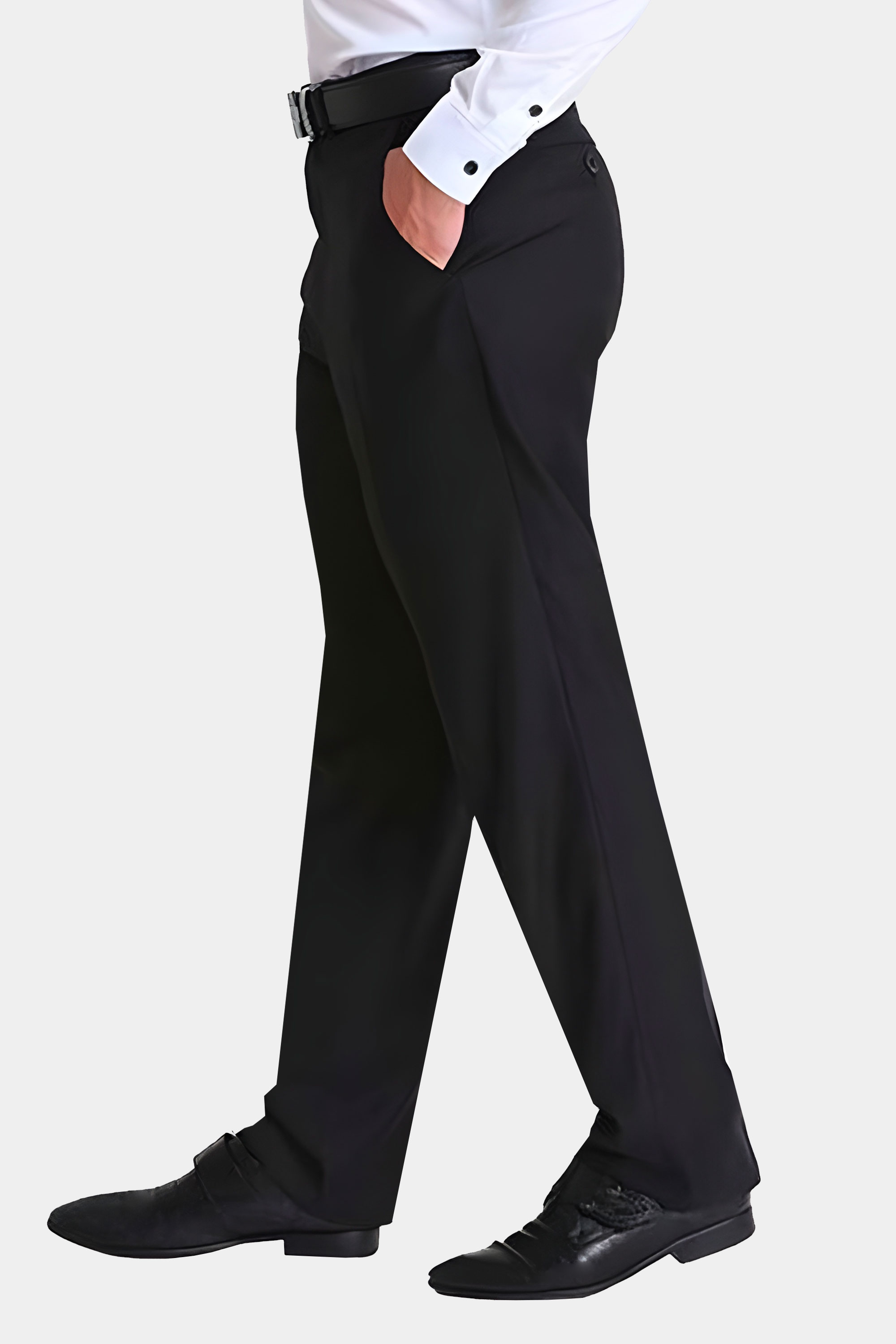


What Fabrics Do Dress Pants Use?
Fabric strongly affects what do dress pants look like. It changes their shine, weight, texture, comfort, and level of formality.
Wool
Wool is a classic choice for dress pants. It hangs well, resists wrinkles, and works across many seasons.
Lightweight wool feels suitable for warmer weather. Flannel wool feels soft and warm in cold weather. Worsted wool has a smooth surface and often appears in business trousers.
Polyester Blends
Polyester blends are common because they resist wrinkles and cost less than many wool options. They can work well for travel, uniforms, and daily office wear.
The limitation is breathability. Some polyester pants may feel warm or look shiny under bright light.
Cotton Blends
Cotton dress pants feel softer and more casual than wool trousers. They are useful for relaxed office settings, daytime events, and spring outfits.
They may wrinkle more easily. Their structure can also feel less formal.
Linen
Linen trousers are light and breathable. They are popular for summer weddings, vacations, and outdoor events.
Linen wrinkles quickly. That texture is part of its charm, but linen pants may not suit a strict corporate dress code.
Performance Fabrics
Stretch fabrics often combine polyester, rayon, nylon, or elastane. They provide comfort during travel and long workdays.
Look for a small amount of stretch rather than an overly thin fabric. Very thin performance pants may show pocket outlines or lose their shape.

Common Colors and Patterns
Color is another major clue when learning what do dress pants look like. Neutral colors offer the most flexibility.
Popular colors include:
• Black for formal events, evening outfits, and certain uniforms


• Charcoal gray for business and professional settings
• Navy for versatile office and smart-casual outfits
• Medium gray for year-round use
• Khaki or tan for relaxed daytime clothing
• Brown for autumn outfits and casual tailoring
• Cream or white for warm-weather events
Common patterns include pinstripes, windowpane checks, subtle plaids, and herringbone textures. Small patterns are usually easier to style than bold patterns.
If you want one useful pair, start with charcoal gray or navy. These shades work with white, blue, pink, gray, brown, and many patterned shirts.

How Should Dress Pants Fit?
Fit is the most important part of what do dress pants look like. Expensive fabric will not look polished if the pants pull, sag, or bunch.
Use this simple fit check:
-
Check the waistband. It should stay in place without a belt and allow comfortable movement.
-
Check the seat. The fabric should lie smoothly without tight horizontal lines.
-
Check the rise. The rise should feel comfortable when you sit, stand, and bend.
-
Check the thighs. You should have enough room to move without excess fabric.
-
Check the knees. The fabric should not twist sharply around the legs.
-
Check the hem. The bottom should meet the shoe cleanly.
A common mistake is choosing pants that are too tight because they look sharp on the hanger. In practice, a little movement room creates a better line and feels much better during a long day.
Another mistake is wearing pants that are too long. Extra fabric can create several folds at the ankle and hide the shape of the shoe.

How to Tell If Dress Pants Are High Quality
What do dress pants look like when they are well made? They usually have balanced seams, stable fabric, and details that remain neat after movement.
Check these areas before buying:
• The fabric should recover after you gently press it.
• The waistband should be straight and firmly attached.
• The zipper should move smoothly.
• The pockets should lie flat.
• The seams should have even stitching.
• The lining should not twist inside the legs.
• The crease should look intentional, not crushed.
• The fabric should not become shiny after a few wears.
You can also turn the pants inside out. Clean seam finishing and secure stitching often reveal better construction. This quick check has saved me from buying trousers that looked good under store lights but felt flimsy at home.
Quality does not always mean the highest price. A mid-priced pair with a good fit and strong fabric may serve you better than an expensive pair that needs constant adjustment.

How to Style Dress Pants
Dress pants can support many outfits. The key is to match the formality of the pants with the rest of your clothing.
For a Business Outfit
Wear charcoal or navy dress pants with:
• A white or light blue button-down shirt
• A leather belt
• Brown or black leather shoes
• A structured blazer or suit jacket
Keep the shirt tucked in. Match the belt and shoe color when possible.
For a Smart-Casual Outfit
Choose cotton, linen, or textured dress pants with:
• A knit polo
• An Oxford shirt
• A fine-gauge sweater
• Loafers, derbies, or clean leather sneakers
A tucked shirt gives a sharper look. An untucked shirt can work if the hem is short and designed for that style.
For a Formal Event
Wear dark wool dress pants with:
• A dress shirt
• A formal blazer or matching jacket
• Leather oxfords or polished loafers
• A simple belt or side adjusters
For a black-tie event, regular dress pants may not be enough. Tuxedo trousers usually have a satin stripe and should be worn with a tuxedo jacket.

How to Care for Dress Pants
Proper care helps preserve what do dress pants look like after repeated wear. Follow the care label because fabric blends can require different treatment.
Useful habits include:
• Hang pants from the waistband or a quality trouser hanger.
• Empty the pockets before hanging or washing.
• Air out wool pants after wearing them.
• Use a steamer to remove light wrinkles.
• Avoid ironing directly over a sharp crease unless the care label allows it.
• Dry-clean only when needed, unless the label gives different instructions.
• Rotate several pairs instead of wearing one pair every day.
Wool pants often benefit from rest between wears. This gives the fabric time to recover and reduces odor. A soft clothes brush can remove dust without harsh washing.
Store dark pants away from strong sunlight. Direct light can slowly fade some dyes, especially black and navy.
Dress Pants Mistakes to Avoid
Even when you know what do dress pants look like, a few styling mistakes can weaken the whole outfit.
Avoid these common problems:
• Wearing pants that are too long
• Filling the pockets until the fabric bulges
• Pairing formal wool pants with worn-out sneakers
• Choosing a shiny fabric for a professional setting
• Wearing a belt that is much wider than the belt loops
• Mixing a cool black belt with warm brown shoes
• Ignoring wrinkles before leaving home
• Wearing pleated pants that pull open at the waist
• Choosing a very slim cut that limits movement
Your shoes also matter. The pants should rest neatly on the shoe without covering most of it. A clean hem can make an affordable pair look far better.
Frequently Asked Questions About What Do Dress Pants Look Like
Are dress pants the same as trousers?
In the United States, “dress pants” and “trousers” often describe the same type of tailored pants. “Trousers” may sound slightly more formal, but the meaning depends on the setting and speaker.
Can dress pants have a slim fit?
Yes, dress pants can have a slim fit. Slim pants should follow the leg without pulling across the thighs, seat, or knees.
Do dress pants always have a crease?
Many dress pants have a front crease, but not all do. Some modern styles use a flat, clean front without a strong pressed line.
Can you wear dress pants with sneakers?
You can wear dress pants with sneakers in a smart-casual outfit. Choose clean, simple sneakers and softer pants, such as cotton or stretch fabric, rather than highly formal wool trousers.
Should dress pants be tight or loose?
Dress pants should fit close to the body while allowing easy movement. They should not pinch at the waist or thighs, and they should not hang with large folds.
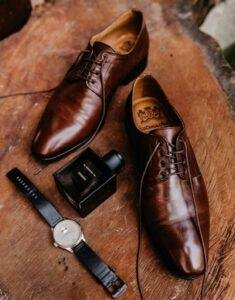
What shoes go with dress pants?
Oxfords, derbies, loafers, monk straps, and clean leather sneakers can work with dress pants. Choose the shoe based on the pants’ fabric, color, and level of formality.
Are black dress pants appropriate for a wedding?
Black dress pants can work for many evening weddings, especially with a dress shirt and blazer. For a daytime or outdoor wedding, navy, gray, tan, or lighter fabrics may look more natural.
Conclusion
Dress pants look smooth, tailored, and structured. They usually feature refined fabric, a clean waistband, slanted pockets, a pressed crease, and a hem that meets the shoe neatly. Fit matters more than brand, and fabric determines whether the pants feel formal, casual, warm, or breathable.
Start with one well-fitting pair in navy or charcoal gray. Check the waistband, seat, thighs, and hem before buying, then keep the pants clean and properly hung. Explore different fabrics and cuts as your wardrobe grows, and share your favorite dress-pant styling tips in the comments.

Rubel Miah is the Senior Editor at MyStyleGrid.com, where he brings a sharp editorial eye and an unshakable love for fashion to everything he does. A true style addict, Rubel lives and breathes trends, from streetwear to high fashion, and has a knack for turning inspiration into impactful stories. With years of experience in fashion journalism and digital media, he curates content that empowers readers to express themselves through style. When he’s not editing features or forecasting the next big thing, you’ll find him hunting down vintage pieces or capturing street style moments around the city.