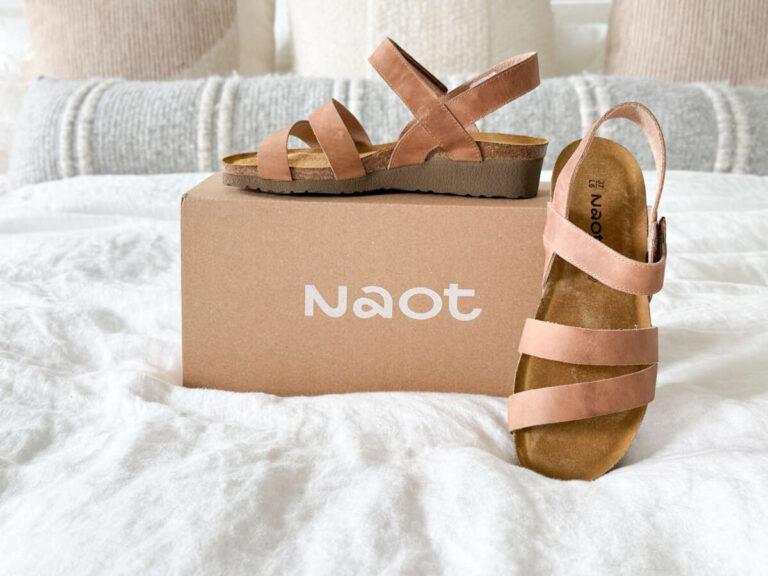
The most comfortable sandals combine supportive footbeds, soft straps, stable soles, and enough room for natural foot movement.
Finding the right pair can turn a painful walk into an easy one. After comparing footbeds, arch support, cushioning, fit, and walking performance, this guide explains what are the most comfortable sandals for daily use, travel, work, and different foot types.
What makes sandals comfortable?
The best sandals do more than feel soft in the store. They support your feet, reduce pressure, and stay secure as you walk. Comfort comes from several features working together.
Look for:
• A contoured footbed that supports the heel and arch
• Soft, adjustable straps that do not rub
• A wide enough toe box for natural toe movement
• A stable sole with good grip
• Light cushioning under the heel and forefoot
• A flexible design that bends near the toes
• Materials that manage heat and moisture
A sandal can feel plush but still cause pain if it lacks support. It is like sitting on a soft couch with no back support. It feels good at first, but your body pays for it later.
The most comfortable sandals should also match your activity. A cushioned recovery sandal may be ideal after a run but too unstable for a rocky trail. A leather walking sandal may work well for sightseeing but feel too warm at the beach.

The most comfortable sandals for everyday walking
For daily walking, choose sandals with a shaped footbed, secure straps, and a sole that can handle pavement. A flat flip-flop may be fine for a short trip to the mailbox, but it is rarely the best choice for hours on your feet.
Several sandal styles stand out:
Birkenstock Arizona
The Arizona has a firm, contoured footbed that supports the heel and arch. Its two adjustable straps help hold the foot in place, and the wide shape gives the toes more room.
The footbed may feel hard at first. That is normal for many wearers. It often takes time to break in, so start with short walks rather than wearing them all day on your first outing.
Vionic walking sandals
Vionic sandals often include structured arch support and a cushioned sole. They can suit people who prefer a softer feel than a traditional cork footbed.
The fit varies by style. Check the heel, toe area, and strap position before buying, especially if you have a narrow or wide foot.
ECCO leather sandals
ECCO is known for supportive walking shoes, and many of its sandals offer the same focus on comfort. Soft leather, a stable sole, and adjustable straps make them useful for travel and long days.
Leather can stretch slightly with wear. However, it should not feel tight or cause immediate rubbing when you try it on.
Teva Original Universal
Teva’s adjustable straps and rubber outsole make this style practical for walking, travel, and casual outdoor use. It does not have the same firm arch shape as some orthopedic sandals, but it offers a secure fit and reliable traction.
For many people, the most comfortable sandals are the ones that stay on the foot without gripping the toes. Teva’s strap system helps achieve that.

The most comfortable sandals for people with wide feet
Wide feet need space, not just softer foam. A sandal can have excellent cushioning and still feel painful if the straps squeeze the forefoot or the toes hang over the edge.
Consider these features:
• A wide or roomy footbed
• Adjustable straps across the toes and midfoot
• A round or square toe shape
• No hard seams near the little toe
• A flat, stable base
Brands such as Birkenstock, Keen, and some Teva models offer roomier shapes. Keen sandals often protect the toes with a rounded front, which can help during outdoor walks.
Do not assume that a “wide” label guarantees comfort. Foot shapes differ, and some people have a wide forefoot with a narrow heel. In that case, adjustable straps matter more than the label.
Try sandals later in the day. Feet often swell after hours of standing, and this gives you a more realistic fit. Your toes should rest flat, and the straps should feel secure without leaving deep marks.

The most comfortable sandals for plantar fasciitis
People with plantar fasciitis often need better heel cushioning, arch support, and a stable base. However, no sandal can treat every cause of heel pain, so persistent pain deserves an evaluation from a podiatrist or other qualified clinician.
The most comfortable sandals for plantar fasciitis often include:
• A supportive arch that matches your foot
• A deep heel cup
• Moderate cushioning
• A firm midsole that does not collapse
• Secure straps
• A slight heel lift or balanced platform
OOFOS recovery sandals are popular because their foam feels soft and absorbs impact. Vionic and Birkenstock styles may appeal to people who prefer more structure.
A common mistake is choosing the softest sandal available. Very soft foam can feel pleasant, but it may not control foot movement well. Support should feel steady, not painful or rigid.
If a sandal increases heel pain, arch pain, numbness, or tingling, stop wearing it. Comfort should improve your movement, not force your foot to adapt to a poor design.

The most comfortable sandals for travel
Travel sandals need to handle long walks, changing surfaces, and warm weather. They should also be easy to adjust and durable enough for repeated use.
The most comfortable sandals for travel usually have:
- A secure heel strap
- A cushioned but stable footbed
- A non-slip outsole
- Lightweight construction
- Quick-drying or breathable materials
- Straps that do not create hot spots
ECCO sandals are a strong choice for city travel because they often balance a polished look with walking support. Teva and Chaco sandals are useful for casual outdoor travel and uneven paths.
Avoid packing brand-new sandals for a major trip. Wear them around your home first. Then take short walks and check for rubbing near the heel, little toe, and strap edges.
One practical lesson is simple: a sandal that feels perfect for 10 minutes may fail after three hours. Test it on stairs, sidewalks, and indoor floors before trusting it on vacation.

The most comfortable sandals for standing all day
Standing places steady pressure on the heels, arches, and forefoot. For work or long events, choose sandals with a firm base and enough cushioning to reduce fatigue.
Good options may include:
• Vionic sandals with structured support
• Dansko sandals with a stable platform
• Birkenstock sandals with a contoured footbed
• ECCO sandals with supportive construction
• Cushioning recovery sandals for breaks and low-impact use
A slight heel elevation may feel comfortable for some people, but very high platforms can reduce stability. Avoid sandals that make you grip with your toes to keep them attached.
The most comfortable sandals for standing all day should feel secure from heel to toe. If your foot slides forward, your toes may claw the footbed, which can cause fatigue and pain.
Alternate footwear when possible. Even a supportive sandal may become uncomfortable if worn every day without rest or rotation.

The most comfortable sandals for outdoor activities
Outdoor sandals need grip, protection, and a secure fit. They should stay attached when you walk over wet ground, gravel, or uneven trails.
Chaco sandals
Chaco sandals are known for adjustable straps and durable soles. They provide a stable fit for walking, camping, and casual water activities.
Their soles can feel firm and their straps may take time to adjust. Once fitted correctly, they can provide strong support for active use.
Keen water sandals
Keen water sandals cover the toes and offer protection from rocks and roots. They work well for hiking near water, kayaking, and light trail use.
They are less airy than open sandals, so they may feel warm in hot weather. They also need time to dry after soaking.
Teva outdoor sandals
Teva sandals are often lighter and more flexible than heavy hiking sandals. They can be a good middle ground for travel, walking, and outdoor errands.
For serious hiking, compare the outsole, heel security, and foot protection with a hiking shoe. Sandals leave more of the foot exposed, even when the sole is strong.

How to choose the right sandal for your feet
Sandal comfort depends on fit more than brand name. Use this simple process when shopping.
Check the length
Your heel should sit fully on the heel area. Your toes should not hang over the front. Leave a small amount of space around the foot without letting it slide.
Check the width
The foot should rest inside the sole. If the little toe hangs over the edge, the sandal is too narrow. If straps leave painful marks, try a wider style or a design with more adjustment.
Check the arch
The arch support should meet your foot naturally. If it presses into the wrong spot, it may cause pain instead of support.
Check the straps
Straps should hold the foot without squeezing it. Walk for several minutes and watch for rubbing, slipping, or toe gripping.
Check the sole
A useful sole should bend near the toes but not fold in the middle. It should also provide enough traction for the surfaces you use most.
When considering what are the most comfortable sandals, think about your feet at the end of a long day, not only when they are rested in a store.

Common sandal comfort problems and solutions
Even good sandals can cause problems when the fit or use is wrong.
• Blisters: Choose softer straps, adjust them gradually, and avoid long first walks.
• Heel slipping: Use a heel strap or select a more secure shape.
• Toe pain: Look for a wider toe area and avoid tight front straps.
• Arch pain: Try a different footbed shape rather than simply adding more cushioning.
• Foot fatigue: Choose a stable sole and alternate shoes during long days.
• Sweaty feet: Select breathable materials and let sandals dry fully between uses.
• Ankle rubbing: Adjust the strap or choose a smoother edge and better heel fit.
Do not keep wearing sandals that cause pain in hopes that they will eventually improve. A short break-in period is normal, but sharp pain, numbness, and lasting redness are warning signs.

Are expensive sandals more comfortable?
Price can reflect better materials, stronger construction, and more precise support. It does not guarantee comfort.
A costly sandal may still fail if its shape does not match your foot. A lower-priced sandal may work well if it has good adjustability, a stable sole, and the right width.
Consider value instead of price alone:
• How long the sole should last
• Whether replacement insoles are available
• How easily the straps adjust
• Whether the sandal suits your main activity
• How your feet feel after one hour of wear
Read return policies before buying online. Comfort is personal, and even accurate size charts cannot show every detail of a footbed.
How to break in new sandals safely
Many supportive sandals need a short break-in period. This is especially true for firm leather or cork footbeds.
Follow these steps:
- Wear the sandals indoors for 20 to 30 minutes.
- Check your skin for red spots or rubbing.
- Adjust the straps without making them overly tight.
- Increase wear time slowly over several days.
- Avoid long hikes or travel until the sandals feel reliable.
Do not use a long walk to test unbroken sandals. That is one of the fastest ways to create blisters and ruin a good day.