The warmest men’s boots combine deep insulation, waterproof shells, heat-trapping liners, and a snug, breathable fit.
When people ask what are the warmest mens boots, they usually need more than a long product list. They need boots that match a real setting, such as deep snow, icy job sites, winter hiking, or daily city use. After comparing insulation types, sole designs, waterproof materials, and cold-weather fit, this guide explains which boots hold heat best and how to choose without wasting money.
What are the warmest mens boots?
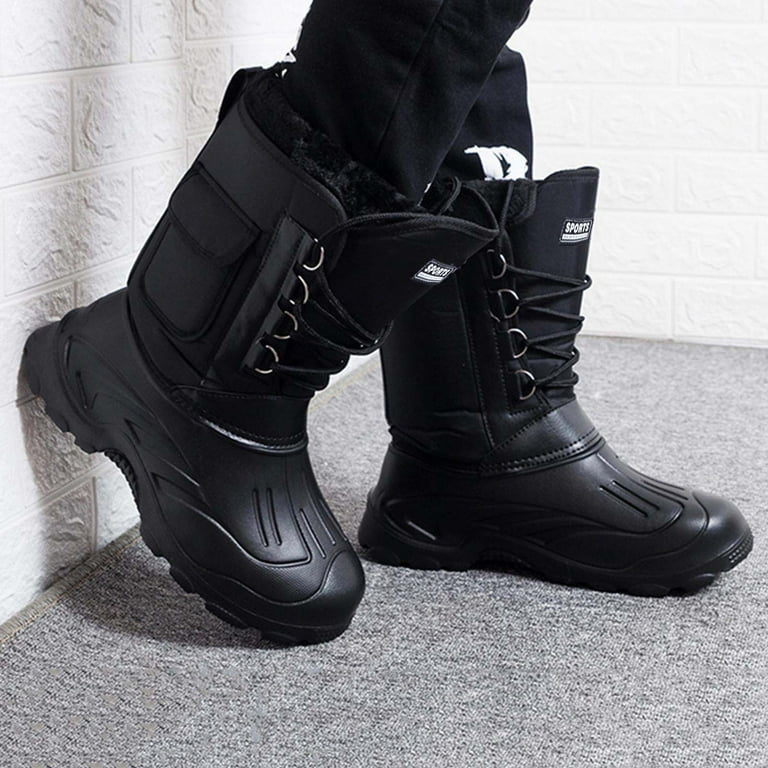
The warmest men’s boots are usually built for extreme cold, not mild winter weather. They often use 400 to 1,200 grams of synthetic insulation, thick felt or wool liners, waterproof uppers, and tall shafts that block snow.
For most people, the best warm winter boots fall into four groups:
• Extreme cold boots for very low temperatures and deep snow
• Pac boots with removable felt liners
• Insulated rubber boots for wet snow, slush, and outdoor work
• Insulated hiking or work boots for walking, chores, and mixed winter use
There is no single warmest boot for every man. A boot that feels perfect at a frozen job site may feel too bulky for walking downtown. A very warm boot can also make your feet sweat, and damp socks quickly become cold socks.
The warmest men’s boots usually share these features:
• High levels of insulation
• A waterproof or water-resistant outer shell
• A tall design that keeps snow out
• A thick midsole that separates your foot from frozen ground
• A roomy toe box for warm air and thick socks
• A sole with strong traction on snow and ice
Best types of warm men’s boots
Understanding boot categories makes shopping much easier. Each style solves a different winter problem.
Extreme cold boots
Extreme cold boots are made for long exposure to very low temperatures. Brands such as Baffin, Muck, Kamik, and LaCrosse make models designed for hunting, ice fishing, snowmobiling, and hard outdoor work.
These boots often use thick foam insulation, multilayer liners, waterproof shells, and tall shafts. Some are rated for temperatures far below zero, but temperature ratings are not universal tests. Your activity level, socks, circulation, and exposure time all affect how warm the boots feel.
Pac boots
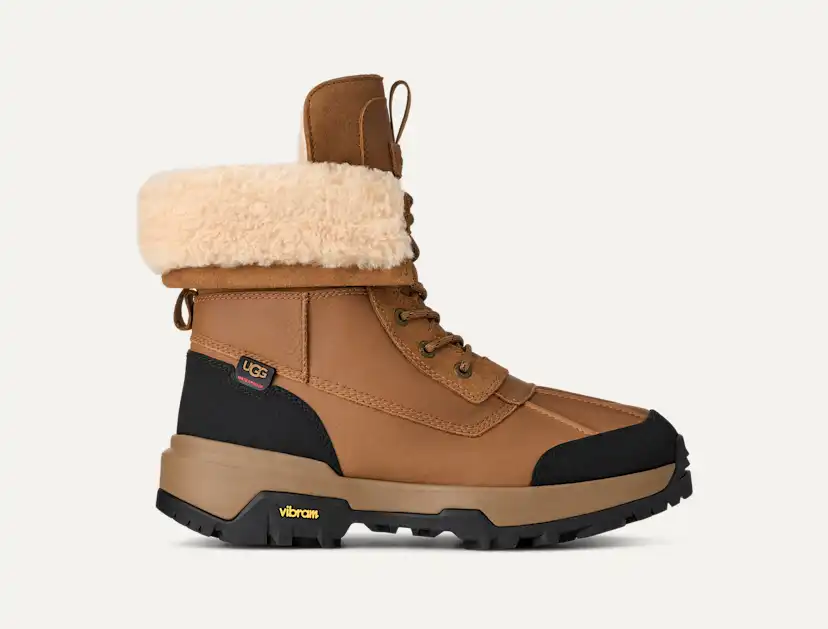
Pac boots combine a waterproof lower section with a leather or textile upper. Many include a removable felt liner that dries more easily than a permanently attached lining.
Classic examples include the Sorel Caribou, Kamik Nation Plus, and similar winter pac boots. They are strong choices for snow shoveling, casual winter use, hunting, and cold walks.
A removable liner is a major benefit. If the liner gets wet from sweat or melted snow, you can remove it and dry it overnight. That simple feature can add comfort and extend the boot’s life.
Insulated rubber boots
Insulated rubber boots are excellent for wet snow, muddy trails, and slushy conditions. Muck, Bogs, and LaCrosse are well known for this type of boot.
Rubber blocks water better than many leather materials, but it does not breathe as well. These boots can feel hot during active work, then cold when sweat builds up inside. Choose them for wet conditions, not automatically for every winter day.
Insulated work boots
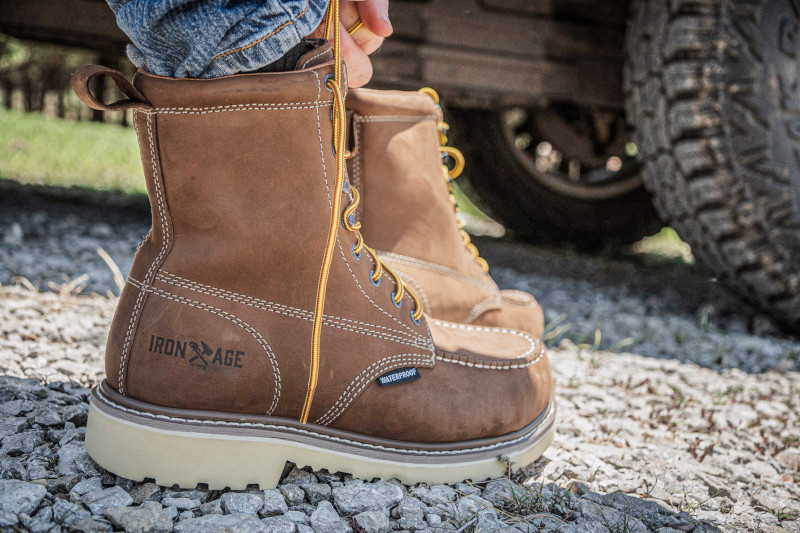
Insulated work boots are made for people who stand, walk, lift, or work outdoors. They may include safety toes, electrical hazard protection, waterproof leather, and aggressive outsoles.
A 400 gram insulated work boot can be warmer for active labor than a bulky 1,000 gram boot. Movement creates body heat, so workers often need a balance between insulation, flexibility, and moisture control.
Insulated winter hiking boots
Winter hiking boots are lighter than extreme cold boots. They usually have waterproof membranes, moderate insulation, deep lugs, and flexible midsoles.
These boots work well for walking trails, commuting, and active snow play. They may not be warm enough for sitting still on a frozen lake or spending hours in deep Arctic cold.

The warmest men’s boots for extreme cold
If you spend long periods outside in severe cold, look for boots with thick insulation and a proven cold-weather design. The warmest men’s boots for extreme cold often have removable liners, oversized construction, and a waterproof lower shell.
Good examples include:
• Baffin Impact for very cold outdoor use
• Muck Arctic Sport for wet and cold conditions
• LaCrosse Ice King for hunting and stationary outdoor use
• Kamik Nation Plus for snow, chores, and general winter wear
• Sorel Glacier XT for deep snow and heavy winter conditions
These models differ in fit and purpose. Some are better for walking, while others are designed for standing still. A boot with a very low temperature rating may feel stiff, heavy, or excessive for daily errands.
When selecting extreme cold boots, check these details:
• Insulation amount and material
• Temperature rating and how the brand tests it
• Liner design and drying options
• Shaft height
• Weight per pair
• Outsole grip
• Room for winter socks
Do not treat a temperature rating as a guarantee. A person standing still in wind at minus 10 degrees may need more warmth than someone hiking at the same temperature. Wind, moisture, circulation, and activity can change the result.

Insulation: what makes a boot warm?
Insulation traps air around your foot. Since still air is a poor conductor of heat, trapped air slows heat loss. This is similar to how a sleeping bag keeps your body warm.
Synthetic insulation
Synthetic insulation is common in winter boots because it performs well when damp. Thinsulate is one widely used material, but many brands use their own foam or fiber systems.
Insulation is often listed in grams, such as 200g, 400g, 600g, or 1,000g. More grams usually mean more warmth, but the number does not tell the whole story.
A 400g boot with a waterproof shell and thick rubber sole may feel warmer than a poorly sealed 800g boot. Fit and construction matter just as much as the insulation number.
Felt and wool liners
Felt liners are thick, warm, and common in pac boots. Wool can manage moisture well and continues to insulate better than cotton when slightly damp.
Removable liners offer another advantage: they can be taken out to dry. This is especially useful for people who wear boots all day or sweat heavily.
Foam insulation
Some extreme cold boots use molded foam. Foam can provide strong warmth and support, but it may feel less flexible. It also can take longer to dry if moisture enters the boot.
Why cotton socks fail in winter
Cotton absorbs sweat and stays wet. That moisture pulls heat away from your skin.
For cold weather, choose:
• Merino wool socks for warmth and moisture control
• Synthetic winter socks for fast drying
• A thin liner sock under a thicker wool sock when the boot has enough room
Avoid wearing several thick socks in a tight boot. Compression reduces circulation and leaves less air space for insulation.
How waterproofing affects warmth
Waterproofing is one of the most important answers to what are the warmest mens boots. Wet feet lose heat much faster than dry feet, even when the boot has thick insulation.
Common waterproof materials include:
• Rubber shells
• Waterproof leather
• Waterproof breathable membranes
• Sealed seams
• Gusseted tongues
A boot can be made from waterproof material and still leak through the tongue, seams, laces, or collar. Deep snow can also enter from the top if the shaft is too short.
For wet snow and slush, rubber boots offer excellent protection. For long walks, waterproof leather or a breathable membrane may feel more comfortable because it allows some vapor to escape.
Remember that breathable does not mean fully ventilated. Every waterproof boot can become damp inside during hard activity. Open the boot and dry the liner after use.
Warmth versus comfort and mobility
The warmest men’s boots are not always the best men’s boots for everyday life. Very warm models can be heavy and stiff. They may also make driving, climbing stairs, or walking on dry pavement less comfortable.
Choose based on your main use: