A loafer shoe is a slip-on style with no laces, a low heel, and a structured upper.
If you have ever wondered what is a loafer shoe, you are not alone. The style looks simple, yet its history, shape, fit, and uses are surprisingly rich. After studying classic footwear and trying loafers in work, travel, and casual settings, I have found that the right pair can feel as easy as a sneaker while looking far more polished.
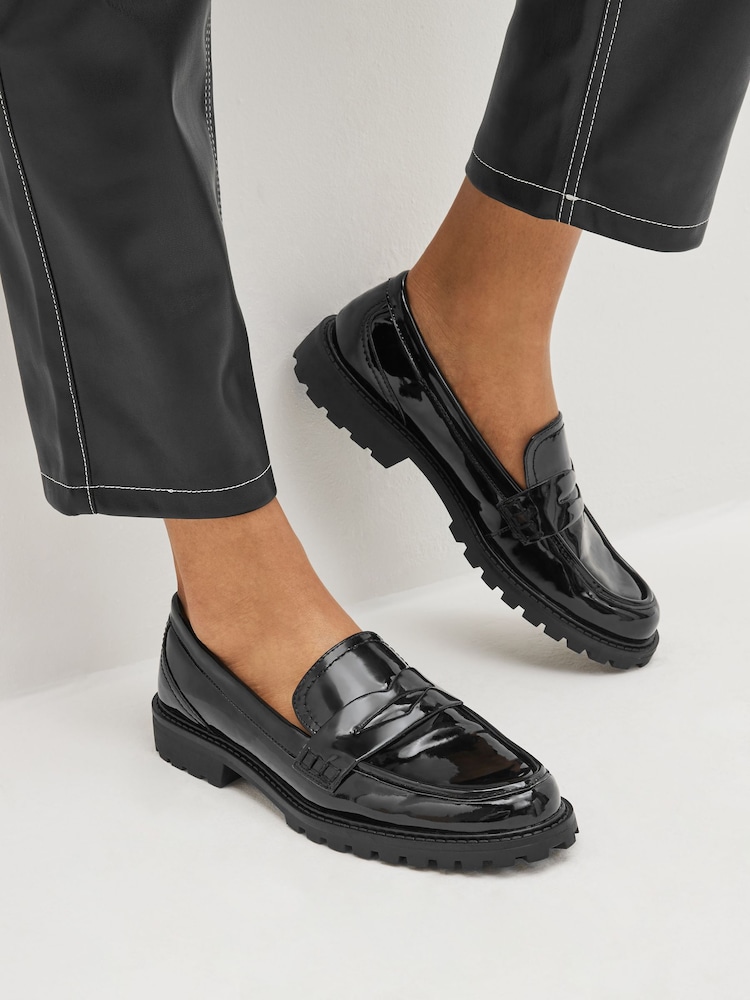
What Is a Loafer Shoe?
A loafer shoe is a low-cut, slip-on shoe without laces, buckles, or other fasteners. It usually has a firm sole, a low heel, and an upper that covers the foot without rising far above the ankle.
The main appeal is ease. You can put on a loafer shoe in seconds, yet it can still suit an office, dinner, wedding, or weekend outfit. Think of it as the bridge between a dress shoe and a casual slip-on.
Most loafers include these parts:
• Vamp: The front section that covers the top of the foot.
• Apron: The stitched or raised shape around the toe on many loafer designs.
• Heel counter: The firm part that supports the back of the heel.
• Outsole: The bottom layer that touches the ground.
• Heel: A low stacked, leather, rubber, or synthetic section under the rear of the shoe.
Unlike a mule, a loafer shoe normally has a closed heel. Unlike a moccasin, it often has a more structured sole and a sharper shape. Still, some loafers borrow soft construction and hand-sewn details from moccasins.

The History of the Loafer Shoe
The modern loafer shoe developed from slip-on footwear made in Europe and North America. One important influence came from Norwegian farm shoes, especially soft slip-on shoes linked to the Aurland region. These shoes later influenced American casual footwear.
The penny loafer became one of the most famous versions. G.H. Bass introduced the Weejuns in the 1930s, based on Norwegian-inspired designs. The name “penny loafer” came from the small slot across the saddle, where students once placed a coin.
Other styles gained fame over time:
• Gucci horsebit loafers appeared in the 1950s and added a metal bar across the vamp.
• Tassel loafers became popular as a refined but less formal choice.
• Belgian loafers brought a slim shape and soft construction.
• Driving loafers added rubber nubs for comfort and pedal control.
A loafer shoe has moved far beyond its student and country-club roots. Today, designers make loafers in leather, suede, canvas, vegan materials, and technical fabrics.

Common Types of Loafer Shoes
Not every loafer shoe has the same purpose. The details can change the mood, comfort, and level of formality.
Penny Loafers
Penny loafers have a leather strap across the vamp. The strap often includes a small diamond or oval opening.
They are among the most versatile loafers. Wear them with chinos, jeans, wool trousers, school uniforms, or relaxed suits. A black leather pair looks neat and formal, while brown suede feels more casual.
Tassel Loafers
Tassel loafers have decorative leather tassels on the front. They often use a leather sole and a narrow, elegant shape.
This loafer shoe works well with dress trousers and smart-casual clothing. The tassels add visual interest without making the shoe look loud.
Horsebit Loafers
Horsebit loafers feature a metal bar shaped like a small horse bit. The design is strongly linked with luxury Italian footwear.
A horsebit loafer shoe can look polished with a suit, but it also works with straight-leg jeans. Choose a simple metal finish if you want a quieter style.
Driving Loafers
Driving loafers have small rubber nubs on the sole and heel. These nubs improve grip on a vehicle’s pedals and create a soft, flexible feel.
They are excellent for driving and casual travel. However, they may wear faster if you use them for long walks on rough pavement.
Gucci-Style Loafers
This term often describes loafers with a horsebit detail inspired by the famous Italian design. The shape may be sleek, chunky, leather-lined, or modern.
The label does not always mean the shoe is made by Gucci. Check the maker, materials, and construction before assuming a designer loafer shoe is genuine.
Slipper Loafers
Slipper loafers have a soft, low-cut shape. Velvet versions are common for evening wear, while leather and suede versions can suit relaxed outfits.
They look elegant, but they may offer less support than a firmer penny or horsebit loafer.

Loafers Compared With Similar Shoes
Understanding the difference between a loafer shoe and related styles makes shopping easier.
Loafers vs. Moccasins
Moccasins traditionally use soft leather and may have a flexible sole. Many show visible stitching around the toe or sides.
A loafer shoe usually has more structure. It may use a firm leather sole, rubber outsole, or stacked heel. Some modern loafers are moccasin-inspired, so the two categories can overlap.
Loafers vs. Boat Shoes
Boat shoes often have side laces, nonmarking rubber soles, and siping for wet surfaces. They have a distinctly nautical design.
A loafer shoe is usually more versatile for office and evening wear. Boat shoes are better suited to warm-weather casual outfits.
Loafers vs. Oxfords
Oxfords use closed lacing. Their eyelet panels are stitched under the vamp, which gives them a formal appearance.
A loafer shoe has no laces and is easier to wear. Oxfords are often the safer choice for strict business dress, formal ceremonies, or conservative workplaces.
Loafers vs. Slip-On Sneakers
Slip-on sneakers usually have rubber soles, stretch panels, and a sporty upper. They focus on flexibility and comfort.
A loafer shoe has a more structured look. It can give an outfit a sharper finish without the weight of a traditional lace-up dress shoe.
Are Loafer Shoes Formal or Casual?
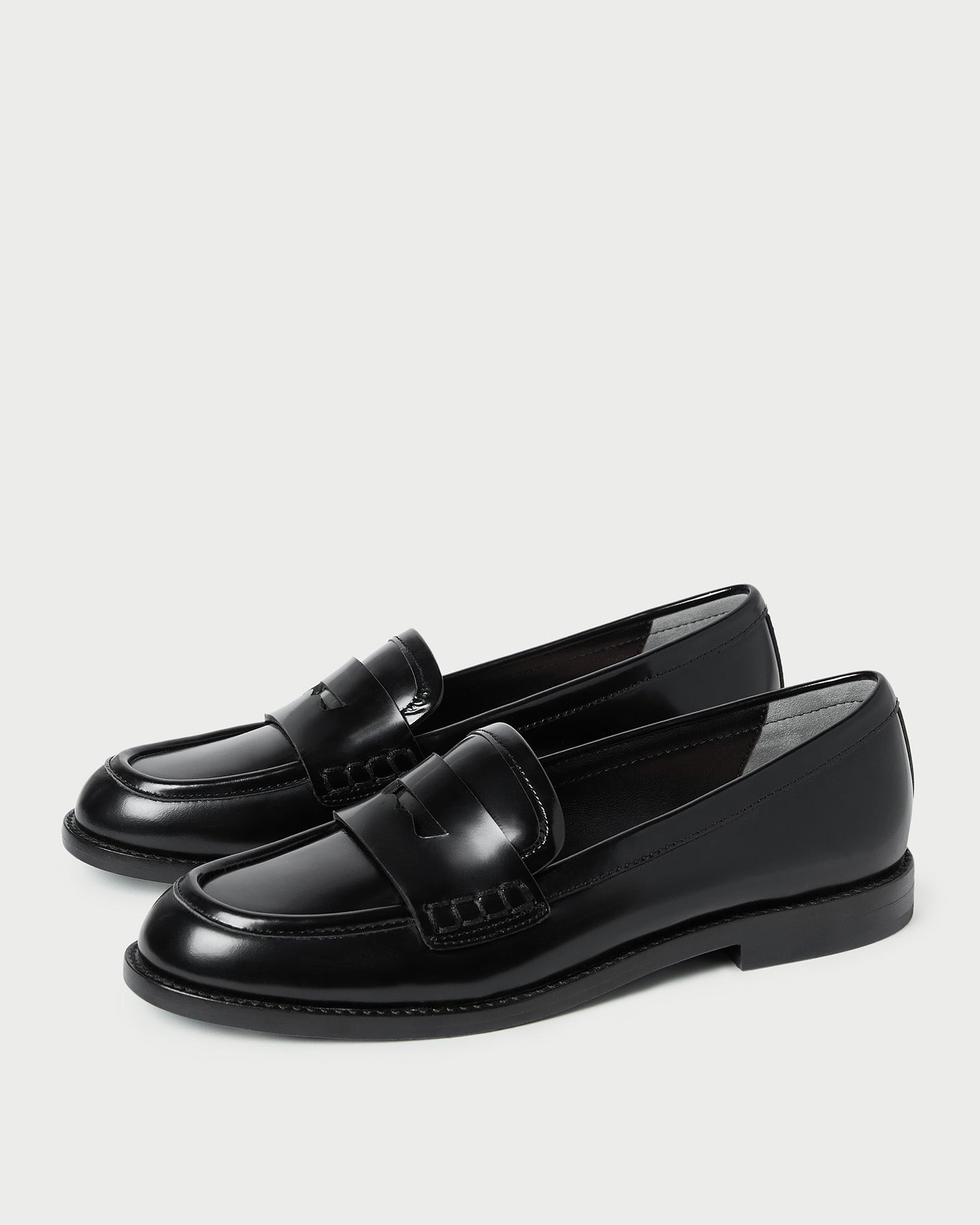
A loafer shoe can be formal, casual, or somewhere between the two. Its formality depends on the material, color, sole, shape, and decoration.
Use these simple guidelines:
• Black leather loafers are usually the most formal.
• Dark brown leather loafers work well for business and smart-casual outfits.
• Suede loafers look softer and more relaxed.
• Chunky rubber soles create a modern, casual feel.
• Thin leather soles create a dressier appearance.
• Tassels, horsebit hardware, and strong stitching add style but may reduce formality.
For a formal event, choose a sleek black or dark brown loafer shoe with a clean upper. For everyday wear, try suede loafers with chinos, jeans, or cotton trousers.
One mistake I often see is wearing very casual loafers with a highly formal suit. The mix can work, but the proportions must match. A chunky sole may look better with a wider trouser leg than with narrow, sharply tailored pants.
How Should a Loafer Shoe Fit?
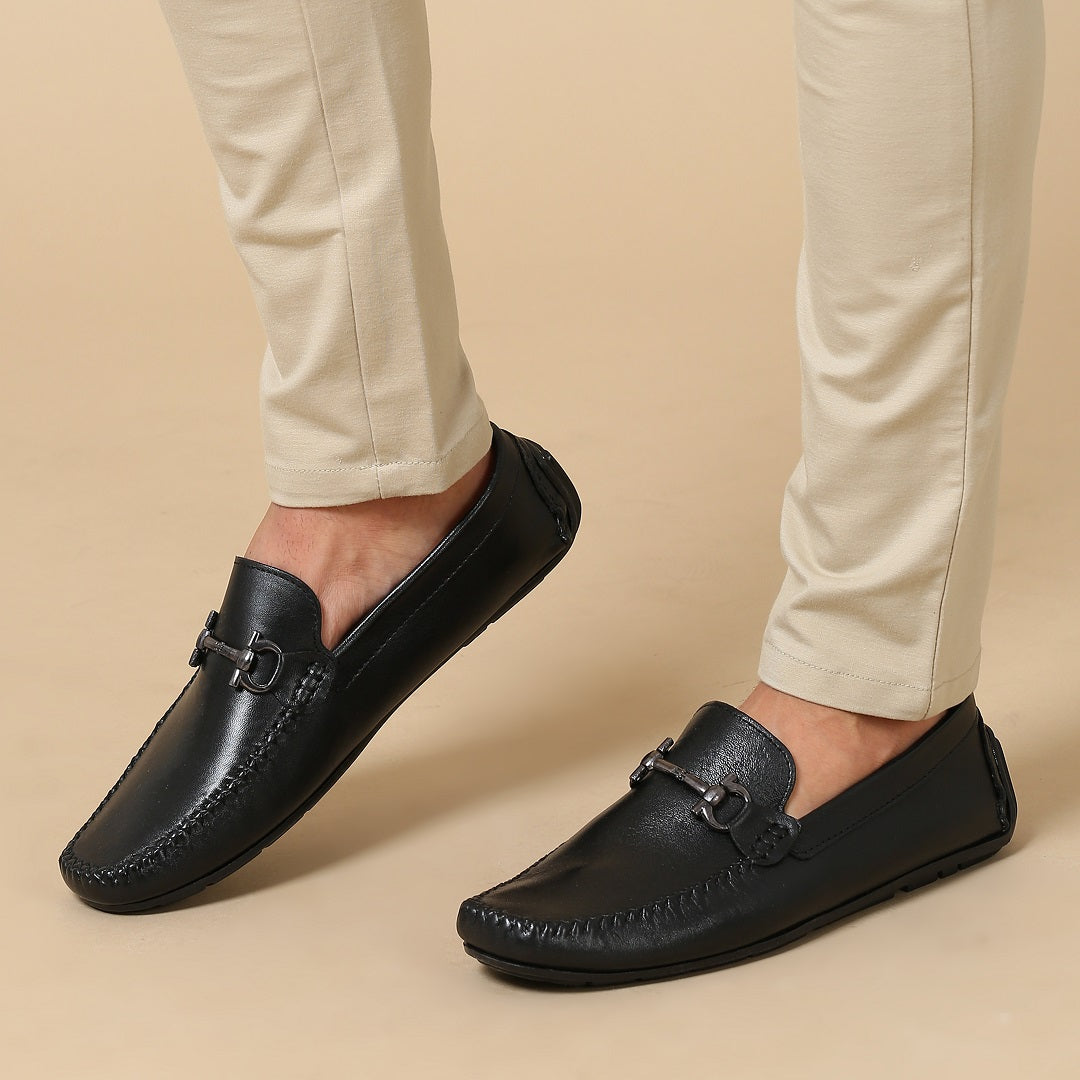
Fit matters more than the brand name. Since a loafer shoe has no laces, it must hold your foot through its shape and grip.
A well-fitting loafer should meet these points:
• Your heel should stay in place with only slight movement.
• Your toes should have room to spread.
• The widest part of your foot should sit over the widest part of the shoe.
• The vamp should feel secure but not painful.
• Your toes should not touch the front when you walk downhill.
Some heel movement is normal when a new loafer shoe is stiff. Excessive slipping is not. It can cause blisters, rubbing, and poor walking control.
Try loafers at the end of the day, when feet are often a little larger. Wear the socks or hosiery you plan to use. Walk on a clean indoor surface for several minutes before deciding.
A common mistake is buying loafers too loose because they feel comfortable at first. Leather can stretch, but it rarely becomes smaller. If the shoe already slips badly in the store, choose another size or shape.

What to Wear With Loafers
A loafer shoe works with more outfits than many people expect.
For men, classic combinations include:
• Penny loafers with chinos and an Oxford shirt.
• Brown suede loafers with jeans and a knit sweater.
• Black horsebit loafers with tailored trousers.
• Tassel loafers with a relaxed suit.
For women, try these pairings:
• Chunky loafers with straight-leg jeans.
• Sleek leather loafers with wide-leg trousers.
• Penny loafers with a pleated skirt.
• Suede loafers with a knit dress.
• Platform loafers with cropped pants.
Socks change the look. No-show socks create a clean summer style, while ribbed socks add warmth and contrast. Bare ankles can look attractive, but moisture can build inside the shoe. A breathable no-show sock often protects both your feet and the loafer.
Color also matters. Black is easy to dress up. Brown adds warmth. Burgundy, navy, cream, and green can make a simple outfit more distinctive.
Benefits and Limitations of Loafer Shoes
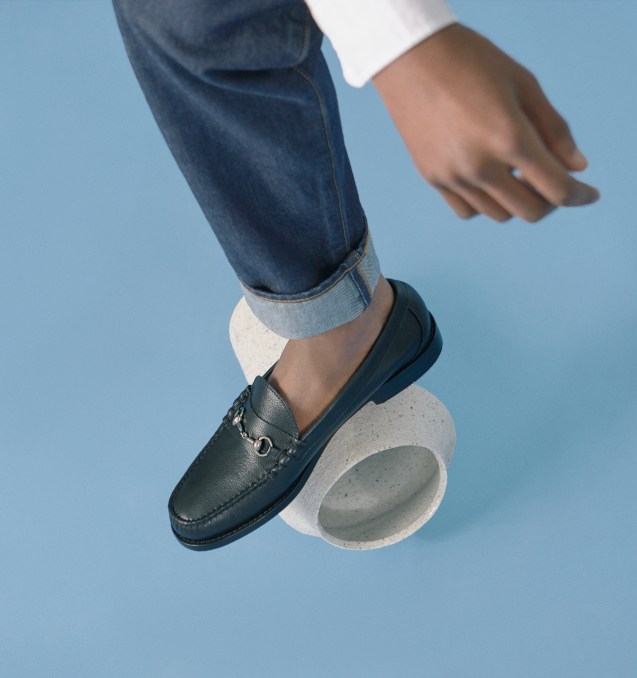
A loafer shoe offers clear benefits, but it is not ideal for every person or activity.
Benefits
• Fast to put on and remove.
• Works with both casual and dressy outfits.
• Often lighter than lace-up dress shoes.
• Available in many materials and shapes.
• Can look polished without feeling overly formal.
• Offers a useful alternative to sneakers.
Limitations
• Loose loafers may slip at the heel.
• Soft driving loafers may not last on rough streets.
• Smooth leather soles can slide on wet surfaces.
• Some narrow designs may not suit wide feet.
• Very flat styles may provide limited arch support.
• New leather can cause rubbing until it softens.
If you need a shoe for running, hiking, heavy labor, or long hours on hard floors, a loafer shoe may not be the best choice. Look for cushioning, support, and traction before choosing style alone.
Materials Used in Loafer Shoes
Material affects comfort, appearance, price, and care.
Full-Grain Leather
Full-grain leather keeps the natural outer surface of the hide. It can develop a rich patina with age and proper care.
It is durable, but it may feel stiff at first. Use a shoe tree and a suitable conditioner to help maintain its shape.
Suede
Suede has a soft, brushed surface. It creates a relaxed look and often feels comfortable from the first wear.
Suede can stain and react badly to water. Use a suede brush and protective spray made for the material.
Patent Leather
Patent leather has a glossy finish. It is common in formal shoes and evening styles.
It looks sharp but can crease visibly. Avoid folding or bending the shoe more than needed.
Synthetic Materials
Synthetic loafers can cost less and may resist some forms of moisture. Quality varies widely.
Check the lining, seams, insole, and sole. A low price does not always mean poor quality, but weak construction often shows in uneven stitching and thin materials.
How to Care for a Loafer Shoe
Good care can extend the life of a loafer shoe and improve comfort.
-
Let the shoes rest between wears when possible.
-
Use cedar shoe trees to reduce creasing and absorb moisture.
-
Brush away dust after each few wears.
-
Condition smooth leather when it looks dry.
-
Use a suede brush instead of leather polish on suede.
-
Dry wet shoes at room temperature.
-
Avoid direct heat from radiators, hair dryers, or heaters.
-
Replace worn heel tips or soles before the damage reaches the upper.
Do not wear the same loafer shoe every day if you can avoid it. Leather needs time to release moisture and recover its shape. This small habit made a noticeable difference in the pairs I have used for frequent office travel.
How to Choose the Best Loafer Shoe
Start with your main use. A shoe for the office needs different features than one for driving, travel, or weekend wear.
Use this checklist:
• Choose leather for a polished, long-term wardrobe staple.
• Choose suede for a softer and more casual appearance.
• Choose rubber soles for better grip and daily walking.
• Choose a flexible construction for travel and relaxed use.
• Choose a firmer structure for office wear and tailored clothing.
• Check the return policy before ordering online.
• Read reviews for width, heel slip, and sizing.
• Measure both feet because one foot may be slightly larger.
Look at the inside as well as the outside. A beautiful upper cannot make up for a rough seam, weak heel counter, or poor insole. When possible, try the loafer on both feet and walk up and down a hard surface.
Frequently Asked Questions About What Is a Loafer Shoe
What is a loafer shoe used for?
A loafer shoe is used for work, travel, social events, and everyday outfits. Its slip-on design makes it convenient, while its structured shape gives a cleaner look than most casual sneakers.
Are loafers comfortable for walking?
Many loafers are comfortable for light and moderate walking when they fit well. For long walks, choose a pair with cushioning, arch support, and a rubber outsole.
Should you wear socks with loafers?
You can wear loafers with regular socks, no-show socks, or no socks, depending on the style and weather. No-show socks are often the most practical because they reduce moisture and friction.
Can loafers be worn with a suit?
Yes, a sleek leather loafer shoe can work with a suit in many modern settings. For very formal events or conservative offices, polished Oxfords may still be the more traditional choice.
Are loafers good for wide feet?
Some loafers suit wide feet, but narrow designs can create pressure across the toes and forefoot. Look for wide sizing, a rounded toe, and a flexible upper rather than sizing up in a narrow shoe.
What is the difference between a loafer and a slip-on?
A loafer is a specific type of slip-on with a refined, structured design and usually a low heel. “Slip-on” is a broad term that can include loafers, sneakers, sandals, mules, and other shoes without laces.
Do loafers stretch over time?
Natural leather loafers may relax slightly with wear, especially across the vamp and forefoot. They should not be bought painfully tight with the hope that they will stretch into a perfect fit.
Conclusion
A loafer shoe is a lace-free, low-cut shoe that combines easy wear with a polished appearance. Penny, tassel, horsebit, driving, suede, and chunky styles each offer a different balance of comfort and formality.
The best choice depends on your foot shape, daily needs, clothing, and walking habits. Start with a well-fitting pair in a versatile color, care for the material, and match the sole to your routine. Explore more footwear guides, compare trusted brands, and share your favorite loafer style in the comments.

Madison Clark is a footwear expert and the voice behind MyStyleGrid.com. She specializes in honest shoe reviews, style tips, and practical guides to help readers find the perfect pair for any occasion. With years of experience in blogging and content creation, Madison makes footwear knowledge simple, stylish, and easy to follow.