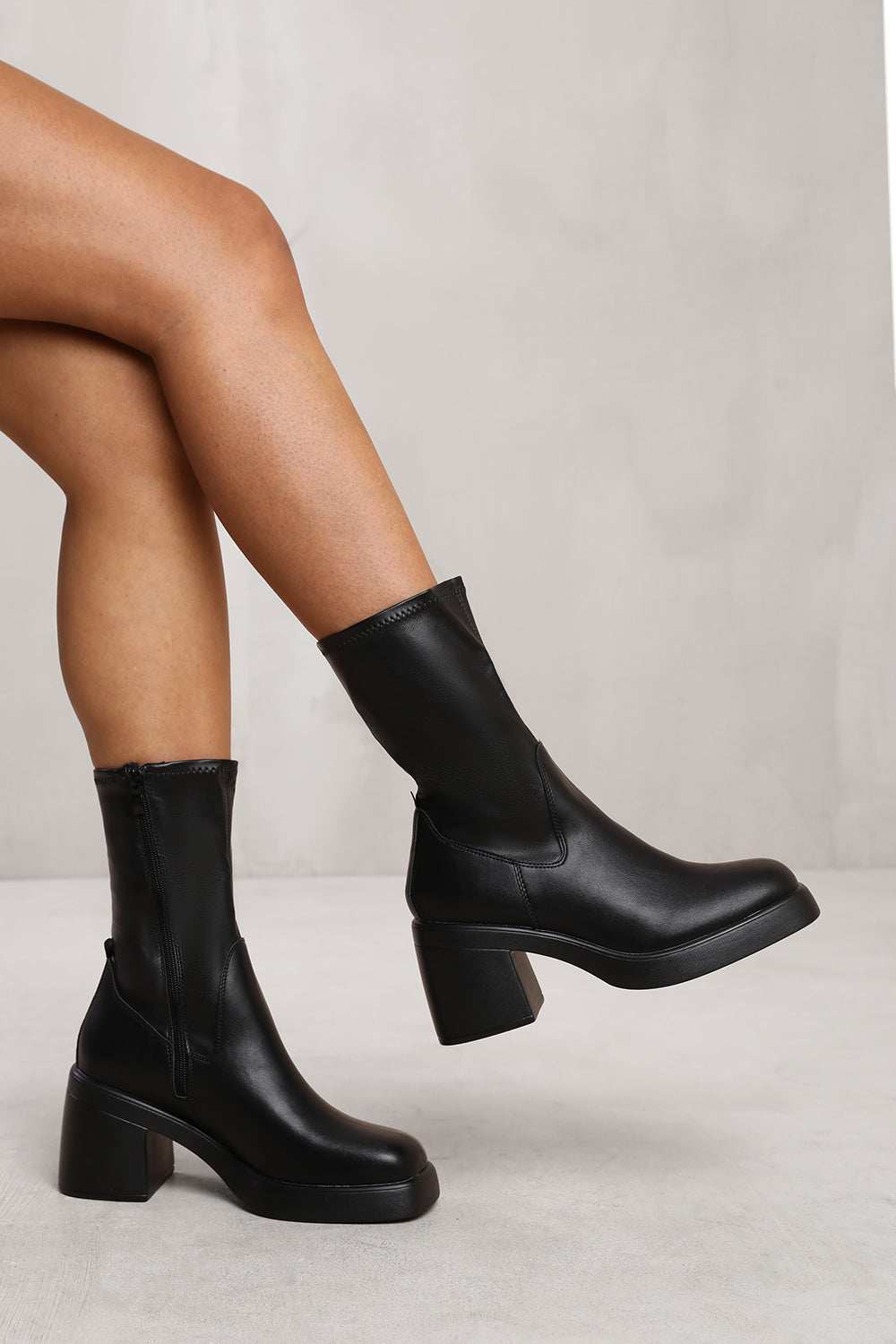
A mid calf boot reaches the middle of your lower leg, offering more coverage than ankle boots and less than knee-high styles.
If you have ever wondered what is a mid calf boot, the answer involves more than height alone. This versatile footwear style combines a tall shaft, steady support, and strong weather protection in a shape that works with jeans, dresses, outdoor clothing, and workwear. After comparing boot fits, shaft designs, materials, and everyday comfort, I have found that the best pair depends on your calf shape, clothing, climate, and planned use.
What Is a Mid Calf Boot?
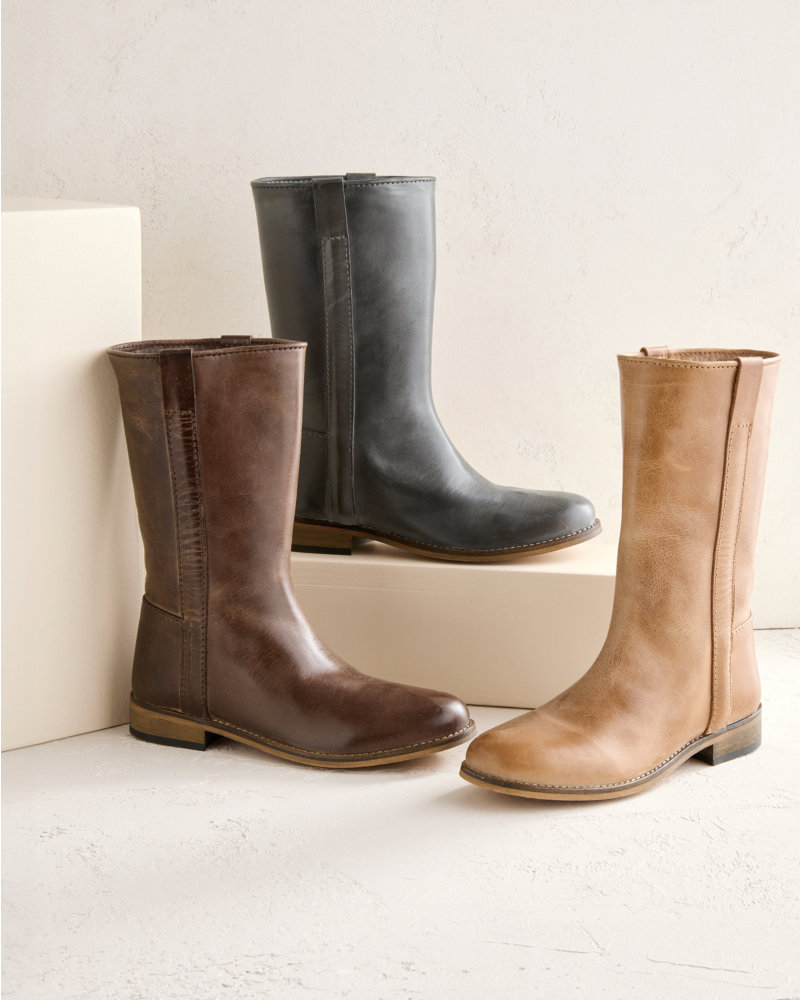
A mid calf boot is a boot with a shaft that rises from the foot to the middle area of the lower leg. It sits above the ankle but below the knee. The exact height can vary by brand, boot size, and design, so “mid calf” describes a general position rather than one fixed measurement.
Most mid calf boots reach about 10 to 14 inches above the heel, though some styles may be shorter or taller. The shaft may fit closely around the leg, remain loose, or include adjustable features such as laces, buckles, elastic panels, or side zippers.
A mid calf boot can have many different shapes, including:
• Flat riding boots for daily wear
• Heeled fashion boots for a dressier look
• Waterproof boots for rain and light snow
• Work boots with reinforced toes and strong soles
• Western boots with angled heels and decorative stitching
• Winter boots with insulation and soft lining
• Hiking boots with extra ankle and lower-leg support
The main feature is the shaft height. Details such as the heel, toe shape, lining, outsole, and material can change the boot’s purpose.
How Tall Is a Mid Calf Boot?
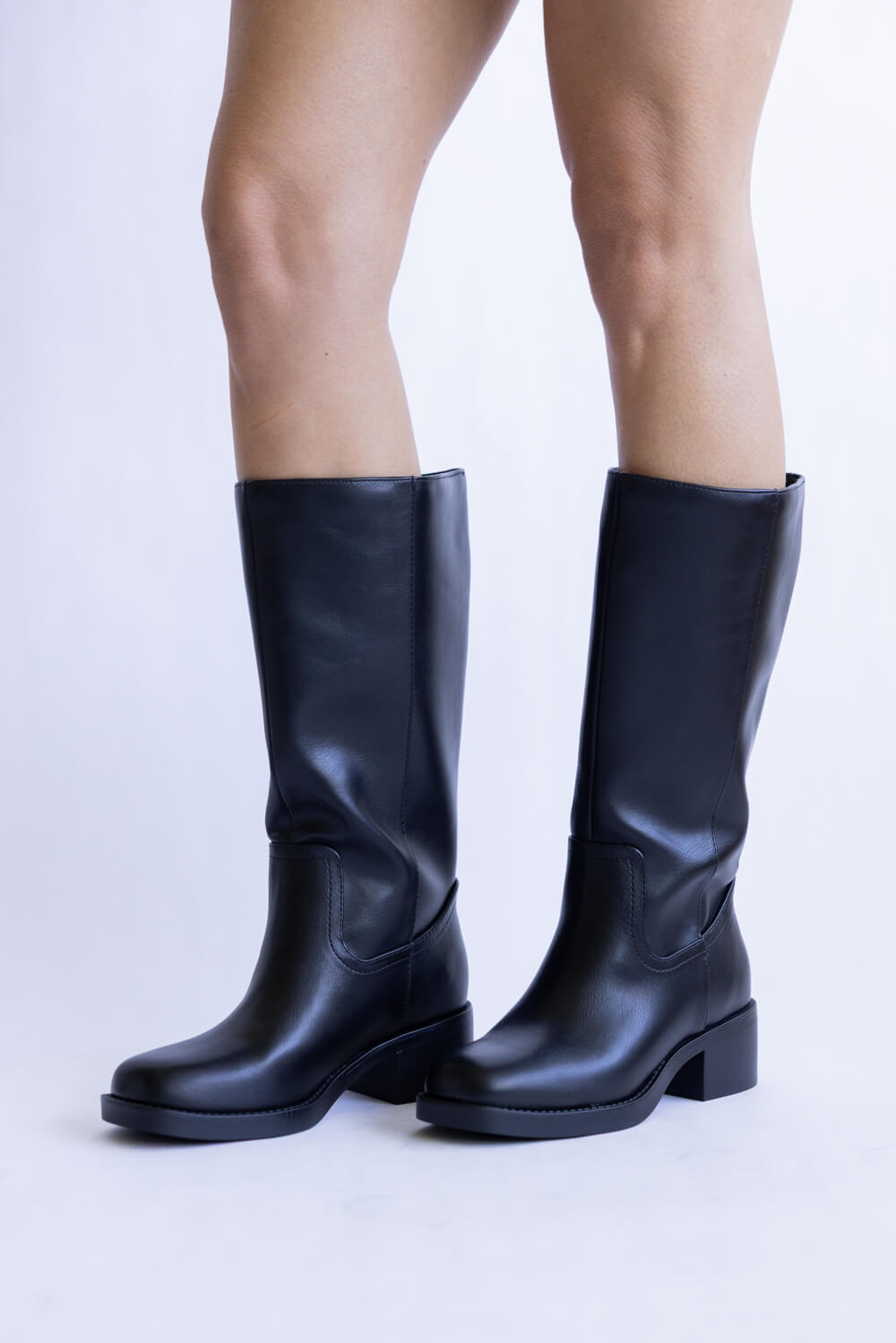
A mid calf boot usually ends around the widest or central part of the calf. On many adults, this means the top of the boot sits several inches below the knee. However, leg length differs from person to person, so the same boot may look mid calf on one person and slightly lower or higher on another.
When shopping online, check the product measurements instead of relying only on the label. Look for:
• Shaft height: The distance from the top of the boot shaft to the sole or heel area
• Calf circumference: The width around the top of the shaft
• Boot opening: The usable space where your leg enters
• Heel height: The distance from the ground to the heel seat
• Foot width: The space across the widest part of the foot
Brands may measure shaft height from different points. Some measure from the top of the heel, while others measure from the footbed. This can make two boots with the same listed height fit differently.
A simple way to compare measurements is to measure your leg while wearing the socks or pants you plan to use. Sit with your foot flat, measure from the floor to the point where you want the boot to end, and measure around the same part of your calf.
Mid Calf Boots compared With Other Boot Heights
Understanding boot height helps you choose the right style. A mid calf boot fills the space between short everyday boots and tall boots that reach the knee.
Ankle boots
Ankle boots stop at or just above the ankle bone. They are often easier to pull on and pair well with cropped pants, straight-leg jeans, and skirts. They offer less warmth and lower-leg coverage than a mid calf boot.
Mid calf boots
A mid calf boot covers more of the lower leg. It can block wind, rain, mud, and cold air better than an ankle boot. It also creates a stronger visual line with skirts, dresses, leggings, and slim pants.
Knee-high boots
Knee-high boots rise close to the knee. They provide more coverage but may feel warmer, heavier, and more restrictive. Some people also find them harder to fit because the boot must match both the foot and the full calf.
Over-the-knee boots
Over-the-knee boots extend above the knee. They are mainly fashion styles, although some cold-weather designs provide extra warmth. They require more attention to fit and outfit balance than a mid calf boot.
In practical terms, a mid calf boot is a middle-ground choice. It gives more protection than a short boot without covering as much of the leg as a knee-high style.

Why Wear a Mid Calf Boot?
A mid calf boot offers a useful balance of coverage, style, and movement. It can be practical for daily errands, travel, work, and outdoor activities.
Key benefits include:
• More warmth: The shaft covers part of the lower leg, which can help in cool weather.
• Better protection: The boot can shield your legs from wet grass, light rain, dirt, and splashes.
• Style flexibility: It works with jeans, leggings, skirts, dresses, and casual shorts in cooler seasons.
• Stable support: A firm shaft may help the boot feel more secure than a low-cut shoe.
• Seasonal use: Many designs work across fall, winter, and spring.
• Visual balance: The height can create a clean transition between footwear and clothing.
A mid calf boot is also useful when you want a boot that feels less formal than a knee-high style. A flat leather pair can look polished without feeling like dress footwear. A rugged pair can handle outdoor tasks while still looking suitable for casual plans.
In my experience, the most useful pairs are the ones that match several parts of your routine. A boot that works with work pants, jeans, and a weekend coat often earns more wear than a pair chosen only for one outfit.
Types of Mid Calf Boots
The phrase “mid calf boot” describes height, not a single design. You can find this boot style in many materials and construction types.
Leather mid calf boots
Leather boots are known for durability, structure, and a classic look. Full-grain leather often develops a natural patina over time, while smooth finished leather is easier to clean with a damp cloth.
Leather may need a break-in period. Wear the boots for short periods at first, especially if the shaft or heel feels firm.
Suede mid calf boots
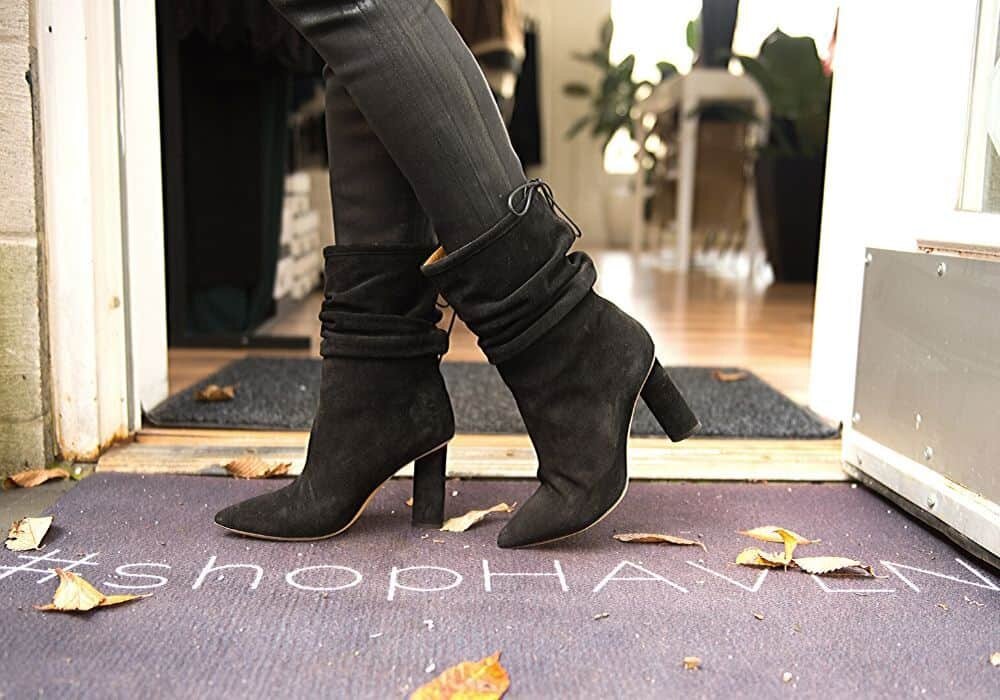
Suede has a soft, brushed surface. It looks stylish but can mark more easily than smooth leather. Use a suede brush and a product made for suede rather than regular leather polish.
Waterproof mid calf boots
Waterproof boots use sealed seams, treated materials, or waterproof membranes. They are useful in rain and wet conditions, but “waterproof” does not always mean the boot is designed for deep water.
Check the tongue, seams, gusset, and opening. Water can enter through the top even when the lower boot is fully waterproof.
Western mid calf boots
Western boots often have pointed or rounded toes, angled heels, and decorative stitching. Their shaft may be loose, and many pull on without a zipper.
They can look great with denim, skirts, and simple dresses. Make sure the heel feels stable and the toe leaves enough room for your toes to move.
Work and safety boots
Work boots may include a safety toe, slip-resistant outsole, oil-resistant rubber, or electrical hazard protection. These features are specific to the job and should match workplace requirements.
Do not assume every work boot protects against every hazard. Check the product’s safety rating and employer guidelines before using it on a job site.
Winter mid calf boots
Winter boots often include insulation, fleece lining, waterproof materials, and deep tread. A wider fit may be helpful because thick socks need more room.
Avoid buying winter boots so tight that your toes cannot move. Tight boots may reduce comfort and make your feet feel colder.
style=”max-width: 100%; height: auto; border: 2px solid black; border-radius: 10px; display: block; margin: 0 auto;”
loading=”lazy”
/>
How Should a Mid Calf Boot Fit?
A well-fitting mid calf boot should feel secure without squeezing your foot or calf. Your heel should stay mostly in place, and your toes should have room to move.
Use this basic fit check:
- Try the boots on late in the day, when feet may be slightly larger.
- Wear the socks you expect to use with the boots.
- Walk on a safe indoor surface for several minutes.
- Check that your toes do not touch the front.
- Confirm that the widest part of your foot sits in the widest part of the boot.
- Make sure the shaft does not pinch your calf.
- Bend your ankle and knee to check for rubbing.
- Test the zipper, laces, or pull tabs before leaving the store.
The calf opening deserves special attention. A shaft that is too tight can press into the leg and feel uncomfortable when you sit. A shaft that is too loose may let in rain, cold air, or debris.
Some brands offer wide-calf mid calf boots. Others use elastic panels, stretch fabric, adjustable buckles, or lace-up shafts. These features can improve fit, but they do not replace accurate measurements.
One mistake I have made with boots is focusing too much on foot length and ignoring the shaft. The foot felt fine in the store, but the upper rubbed after a longer walk. Now I check both the foot and calf fit before deciding.
How to Style a Mid Calf Boot
A mid calf boot can change the shape and balance of an outfit. The goal is to create a clear line between the boot, clothing, and leg.
Try these combinations:
• Wear flat mid calf boots with skinny jeans or leggings tucked inside.
• Pair leather boots with a sweater dress for a simple fall outfit.
• Match western boots with straight-leg denim and a relaxed shirt.
• Wear heeled boots with a midi skirt for a taller, polished look.
• Use waterproof boots with a raincoat and cuffed jeans.
• Pair winter boots with insulated pants or thick leggings.
• Choose a narrow shaft with a flowing dress to create contrast.
The hem of your clothing matters. A skirt or dress that ends near the widest part of the boot can sometimes make the leg look visually shorter. Moving the hem above the boot or choosing a longer midi hem may create a smoother line.
Color also affects the look. Black boots often create a long, simple line with dark pants. Brown boots can soften an outfit and work well with denim, tan, olive, and cream.
Do not feel limited by fashion rules. Comfort and confidence matter more than a fixed formula. If an outfit feels balanced when you look in the mirror and move around, it is working.
Are Mid Calf Boots Comfortable for Walking?
A mid calf boot can be comfortable for walking, but comfort depends on design and fit rather than height alone. A flexible upper, supportive footbed, stable heel, and cushioned outsole can make a major difference.
Look for:
• A heel that feels steady on the ground
• A sole with traction suited to the surface
• Enough toe room for natural movement
• Padding around the collar and tongue
• A shaft that bends without digging into your leg
• A footbed that supports your arch without creating pressure
• Materials that allow reasonable moisture control
Heavy boots may feel tiring during long walks. High heels can also increase pressure on the front of the foot and change your stride. For travel or daily walking, a low heel or flat sole is often the safer comfort choice.
Break in new boots slowly. Wear them at home for 20 to 30 minutes, then increase the time over several days. Thick socks, blister pads, and proper lacing can help, but they should not be used to force a poor fit.
If you feel numbness, sharp pain, persistent rubbing, or unusual pressure, stop wearing the boots and reassess the fit.
How to Choose the Best Mid Calf Boot
Start with the conditions in which you will wear the boot. A fashion boot for indoor use has different needs from a boot for wet trails or long outdoor shifts.
Use this buying guide:
Choose the right material
Select leather for structure and long-term wear, suede for a soft fashion look, synthetic materials for lower cost and easy care, or waterproof fabric for wet conditions.
Match the outsole to the ground
A smooth sole may work well indoors and on dry pavement. A lugged rubber outsole is usually better for mud, gravel, and slick outdoor surfaces.
Consider the heel
A flat heel supports casual walking. A low block heel adds height while staying fairly stable. A narrow high heel looks formal but may be less suitable for long periods of standing.
Check the closure
Zippers are easy to use. Laces offer more adjustment. Pull-on boots look clean but may need the right opening size. Buckles and elastic panels can help adjust calf fit.
Think about socks
Bring the socks you plan to wear. A boot that fits over thin socks may feel too tight over wool or thermal socks.
Read care and return policies
A return policy is useful when buying online. Check whether the store allows returns after indoor fitting and whether the brand provides detailed measurements.
Common Problems With Mid Calf Boots
Mid calf boots are versatile, but they are not perfect for everyone or every setting.
Common limitations include:
• They may feel warmer than ankle boots in mild weather.
• The shaft can rub if it does not match your calf shape.
• Some styles are difficult to wear with wide-leg pants.
• Tall shafts may feel restrictive while driving or sitting.
• Heavy soles can cause fatigue during long walks.
• Poorly treated materials may stain or absorb water.
• The boot may crease at the ankle if the shaft is stiff or too tall.
The best solution is often to match the boot to the activity. A flexible pair may work for errands, while a structured pair may suit riding or outdoor work. No single boot design is ideal for every person.
How to Care for Mid Calf Boots
Good care helps a mid calf boot keep its shape and appearance. Start by following the care instructions for the exact material.
For most boots:
• Brush off dirt after each outdoor use.
• Let wet boots dry at room temperature.
• Keep boots away from direct heat, radiators, and hair dryers.
• Use shoe trees or clean paper to support the shape.
• Condition smooth leather when it looks dry.
• Use a suede brush on suede surfaces.
• Clean salt marks quickly during winter.
• Store boots upright to reduce shaft creasing.
• Apply waterproofing products only when they suit the material.
Do not use ordinary soap or polish on suede. Do not soak leather boots unless the manufacturer says they can handle it. When in doubt, test any cleaner on a hidden area first.
Rotating between two pairs can also help. The boots get time to dry, and each pair may last longer.
What Is a Mid Calf Boot Best Used For?
A mid calf boot is best used when you want more lower-leg coverage than an ankle boot but less height than a knee-high boot. It suits everyday outfits, cool weather, light outdoor use, travel, and many casual work settings.
Its best use depends on the boot’s construction. A waterproof pair may be ideal for rainy commutes. A fashion leather pair may work better for offices and dinners. A safety-rated pair may be necessary for industrial work.
Always match the boot to the task. Fashion tread is not the same as slip-resistant work tread, and water-resistant leather is not the same as a fully waterproof boot.
What is a mid calf boot?
A mid calf boot is footwear that rises above the ankle and ends around the middle of the lower leg. Its shaft height usually falls below the knee, but the exact measurement varies by brand, boot size, and leg length.
Is a mid calf boot the same as a knee-high boot?
No. A mid calf boot ends around the center of the lower leg, while a knee-high boot reaches close to the knee. A mid calf boot usually feels less covering and may be easier to style and move in.
Can you wear a mid calf boot with jeans?
Yes. Slim jeans and leggings can usually fit inside the shaft, while straight-leg jeans may sit over a roomier boot. The best choice depends on the boot opening and the width of your jeans.
Are mid calf boots good for winter?
Some are. Insulated, waterproof mid calf boots with warm lining and good traction can work well in winter, but fashion boots without insulation may not provide enough warmth or grip for snow and ice.
How should a mid calf boot fit around the calf?
The shaft should feel secure but should not pinch, leave painful marks, or restrict movement. You should be able to sit, walk, and bend your leg without pressure at the top of the boot.
Can short people wear mid calf boots?
Yes. People of any height can wear mid calf boots. A streamlined boot in a similar color to your pants or tights can create a smooth visual line, but comfort and personal style should guide the final choice.
Can you wear a mid calf boot in the rain?
You can wear a waterproof or properly water-resistant style in the rain. Check the materials, sealed seams, tongue design, and care instructions because not every mid calf boot protects against heavy water.
How do you measure for a mid calf boot?
Measure your foot length and width, then measure around your calf where the boot will end. Compare both measurements with the brand’s size chart while wearing the socks you expect to use.
Conclusion
A mid calf boot reaches the middle of the lower leg and offers a practical balance between ankle boots and knee-high styles. It can provide warmth, coverage, support, and flexible styling, but the right choice depends on shaft height, calf circumference, material, sole, heel, and intended use.
Before buying, measure your calf, check the boot’s construction, and walk in it long enough to notice pressure points. Choose comfort and function first, then enjoy the many ways this versatile boot can complete your wardrobe. Explore different styles, compare fit details, and share your favorite mid calf boot outfit or buying tip in the comments.

Madison Clark is a footwear expert and the voice behind MyStyleGrid.com. She specializes in honest shoe reviews, style tips, and practical guides to help readers find the perfect pair for any occasion. With years of experience in blogging and content creation, Madison makes footwear knowledge simple, stylish, and easy to follow.