Who Makes The Best Sunglasses
Sunglasses do more than just make you look cool. They protect your eyes from the sun, cut glare, and can even help you see better outdoors. But with so many brands out there, how do you know who makes the best sunglasses?
If you’re like most people, you want something that lasts, fits well, and really shields your eyes. You also want to avoid wasting money on a pair that breaks or scratches fast. If you’ve ever wondered which sunglasses brands truly stand out, you’re in the right place.
I’ve spent years trying different sunglasses and talking to people who care about eye safety and style. In this guide, I’ll walk you through what makes a great pair of sunglasses, the top brands today, and how you can pick the right pair for you.
I’ll also share some surprising facts that most buyers miss. Ready to find out who makes the best sunglasses? Let’s get started.
What Makes A Great Pair Of Sunglasses?
Before we look at brands, let’s talk about what really matters in sunglasses. A lot of people just look at the price or the brand, but there’s more to it. Here are the things that make a real difference:
- UV Protection: Good sunglasses should block 99% to 100% of UVA and UVB rays. If they don’t, your eyes are at risk, even on cloudy days.
- Lens Quality: The best lenses are clear, with no tiny bubbles or waves. Polarized lenses are even better if you spend a lot of time near water or snow.
- Durability: You want a frame that won’t snap if you drop it. Look for strong materials like acetate or stainless steel.
- Comfort and Fit: Sunglasses that pinch your nose or slip off won’t get worn. The right fit is key.
- Style: Let’s face it—looks matter. You want sunglasses that fit your face and your personality.
Many people forget to check for UV protection or think all dark lenses are safe. That’s not true. Even clear lenses can block UV if they’re treated right. Also, some expensive designer brands focus more on style than safety. Don’t be fooled by price alone.
Top Sunglasses Brands: Who Really Stands Out?
Now, let’s look at the brands that make the best sunglasses today. This isn’t just about who’s famous. It’s about who delivers on quality, protection, and value. I’ll give you details on why each brand stands out, plus some facts that might surprise you.
1. Ray-ban
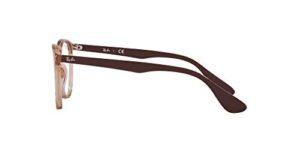
Ray-Ban is a classic name in the world of sunglasses. They’ve been around since 1937, first making shades for U.S. pilots. The Aviator and Wayfarer styles are their most famous, and you’ll see them everywhere.
- UV Protection: Almost all Ray-Bans block 100% of UVA and UVB rays.
- Lens Options: You can get polarized, mirrored, or photochromic lenses.
- Durability: Frames are strong, but some plastic models scratch easily if not cared for.
- Style: Iconic and never goes out of fashion.
Non-obvious insight: Not all Ray-Bans are made in Italy. Some are made in China, but both meet the same strict quality checks.
2. Oakley
If you’re into sports, you probably know Oakley. They make sunglasses for athletes, cyclists, and people who need tough gear.
- UV Protection: Every pair blocks 100% of harmful rays.
- Lens Tech: Oakley’s Prizm lenses boost colors and contrast. Great for sports.
- Durability: Frames are nearly unbreakable. The O Matter material is light and strong.
- Style: Sporty and bold.
Non-obvious insight: Many Oakleys use impact-resistant lenses. That means they’re less likely to crack if a ball or branch hits you.
3. Maui Jim
Maui Jim started in Hawaii, so it’s no wonder they know how to handle sun and glare. Their sunglasses are favorites for fishing, boating, and beach days.
- UV Protection: All lenses block 100% of rays.
- Polarization: Every pair is polarized, which cuts glare from water.
- Lens Quality: Colors look bright, and details pop.
- Comfort: Lightweight and good for wearing all day.
Non-obvious insight: Maui Jim’s SuperThin Glass lenses are clear and scratch-resistant, but still lighter than most glass lenses.
4. Persol
Persol is an Italian brand known for style and craftsmanship. If you like classic looks, this is a great choice.
- UV Protection: Yes, across all models.
- Materials: Uses acetate and metal for a premium feel.
- Details: The unique Meflecto temples make the arms flexible for comfort.
- Style: Timeless and elegant.
Non-obvious insight: Each pair is hand-finished in Italy, so you get a touch of old-world skill.
5. Costa Del Mar
Costa Del Mar is a favorite for people who spend time on the water. Their sunglasses are made for fishing, sailing, and boating.
- UV Protection: Complete protection every time.
- Polarized Lenses: Standard on all models.
- Durability: Saltwater-resistant frames and screws.
- Style: Sporty, with wrap-around shapes.
Non-obvious insight: Costa uses 580 lens technology to block yellow light, which reduces haze and helps you see under the water.
6. Warby Parker
Warby Parker is a newer brand, but they’ve made a big splash. They focus on trendy styles at fair prices.
- UV Protection: All sunglasses block UVA and UVB.
- Lens Options: Polarized is standard for most.
- Try-On: You can try five pairs at home for free.
- Style: Modern and fun.
Non-obvious insight: For every pair sold, Warby Parker gives a pair to someone in need.
7. Prada
Prada is known for high fashion, but their sunglasses are about more than looks.
- UV Protection: Yes, always.
- Frame Design: Bold, statement shapes.
- Materials: Premium acetate and metal.
- Style: Fashion-forward.
Non-obvious insight: Prada sometimes uses special coatings to make frames last longer and resist scratches.
8. Randolph Engineering
Randolph started by making aviator sunglasses for the U. S. military. If you want tough, functional shades, they deliver.
- UV Protection: 100% on all lenses.
- Build: Handcrafted in the USA.
- Materials: Strong metals, often with a lifetime warranty.
- Style: Classic aviator and military-inspired shapes.
Non-obvious insight: Each pair takes over 200 steps to make, and you can see the quality in the details.
9. Gucci
Gucci is a leader in luxury, and their sunglasses are bold and stylish.
- UV Protection: Always included.
- Details: Unique colors, logos, and gold trim.
- Materials: High-end acetate and metal.
- Style: Eye-catching, sometimes oversized.
Non-obvious insight: Gucci frames are often made in small batches, so some designs become collector’s items.
10. Smith Optics
Smith Optics is popular with skiers and outdoor lovers. They focus on protection and clarity.
- UV Protection: 100% UVA/UVB.
- Lens Tech: ChromaPop lenses make colors stand out.
- Durability: Frames handle cold and impact well.
- Style: Sporty, with wrap-around and classic options.
Non-obvious insight: Smith’s lenses are tested for both impact and clarity, so you get both safety and sharp vision.
11. Tom Ford
Tom Ford sunglasses are known for luxury and unique design. If you like to stand out, check these out.
- UV Protection: Yes, full coverage.
- Frame Shapes: Big, bold, and often retro-inspired.
- Materials: High-quality plastics and metals.
- Style: Fashionable and attention-grabbing.
Non-obvious insight: Many Tom Ford styles have the signature “T” at the temple, making them easy to spot.
12. Serengeti
Serengeti sunglasses are top picks for driving and travel. Their lenses adapt to the light.
- UV Protection: Complete protection.
- Photochromic Lenses: Darken or lighten as the sun changes.
- Polarization: Most models include this.
- Style: Sleek and professional.
Non-obvious insight: Serengeti’s lenses filter blue light, which reduces eye fatigue on long drives.
13. Polaroid
Polaroid was one of the first brands to use polarized lenses. They still focus on glare reduction and value.
- UV Protection: Yes, on all models.
- Polarization: Always included.
- Price: Very affordable compared to luxury brands.
- Style: Simple and classic.
Non-obvious insight: Polaroid sunglasses are a smart pick for people who want good protection but don’t want to spend a lot.
14. Armani
Armani sunglasses blend Italian style with function. They’re known for elegance and comfort.
- UV Protection: Yes, always.
- Frame Materials: Acetate, titanium, and metal.
- Style: Refined, with classic and modern options.
Non-obvious insight: Armani often uses lighter materials, so their sunglasses feel comfortable even after hours of use.
15. Bollé
Bollé is great for sports and outdoor use. Their sunglasses are strong and built for action.
- UV Protection: Yes.
- Lens Tech: Anti-fog and anti-scratch coatings.
- Durability: Made for cycling, skiing, and running.
- Style: Athletic and practical.
Non-obvious insight: Bollé’s lenses are tested for high-speed impacts, making them a safe pick for fast sports.
16. Carrera
Carrera started in racing and car sports. Their sunglasses are bold and built for speed.
- UV Protection: Yes.
- Design: Large lenses for better coverage.
- Materials: Tough plastic and metal.
- Style: Sporty and urban.
Non-obvious insight: Carrera often works with car brands on special editions, so you can find some unique designs.
17. Randolph
Not to be confused with Randolph Engineering, this is a legacy brand known for strong, simple designs.
- UV Protection: Yes.
- Build: Made to last.
- Materials: High-grade metal and acetate.
- Style: Understated and classic.
Non-obvious insight: Randolph sunglasses have adjustable nose pads, making them fit almost any face comfortably.
18. Versace
Versace sunglasses are bold, flashy, and full of personality.
- UV Protection: Yes.
- Design: Big shapes, gold details, and the famous Medusa logo.
- Materials: Premium plastics and metals.
- Style: Glamorous and trendy.
Non-obvious insight: Versace uses special hinges to keep large frames from getting loose over time.
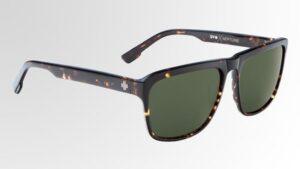
19. Spy Optic
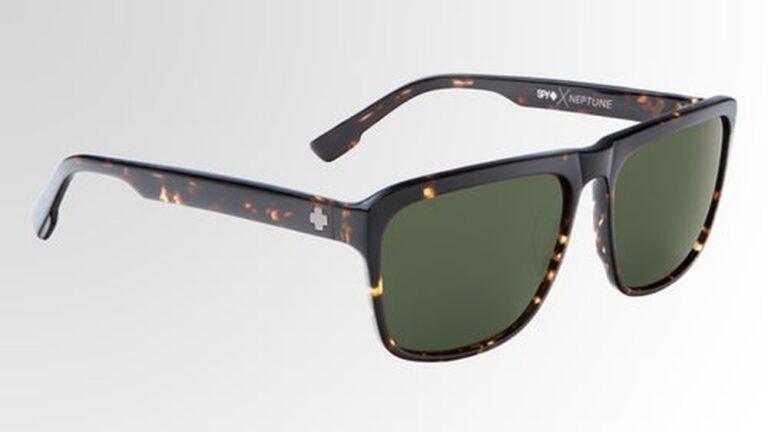
Spy Optic is known for fun styles and good value. They focus on action sports and everyday wear.
- UV Protection: Always included.
- Lens Tech: Happy Lens technology claims to boost mood by letting in good light.
- Durability: Built for active use.
- Style: Youthful and energetic.
Non-obvious insight: Spy’s lenses are one of the few that let in some long-wave blue light, which some studies say can help your mood.
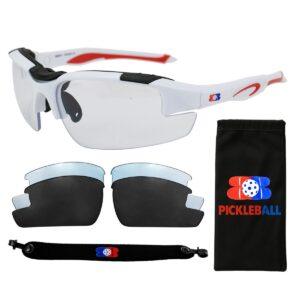
20. Tifosi
Tifosi makes affordable sports sunglasses that don’t skimp on quality.
- UV Protection: 100%.
- Lens Options: Interchangeable lenses for different sports.
- Durability: Tough frames, good for biking and running.
- Style: Sleek and athletic.
Non-obvious insight: Tifosi is a favorite for people who want several lens options without paying a premium price.
Comparing The Top Sunglasses Brands
To help you see how these brands stack up, here’s a simple comparison on a few key features:
| Brand | UV Protection | Polarized Lenses | Average Price ($) | Main Strength |
|---|---|---|---|---|
| Ray-Ban | Yes | Optional | 150-250 | Iconic Style |
| Oakley | Yes | Optional | 120-250 | Sports Performance |
| Maui Jim | Yes | Always | 200-350 | Clarity/Polarization |
| Warby Parker | Yes | Always | 95-145 | Value/Style |
| Gucci | Yes | Optional | 300-600 | Luxury Design |
| Polaroid | Yes | Always | 30-80 | Affordability |
As you can see, some brands focus on sports, others on fashion, and a few on both. Maui Jim and Polaroid always offer polarized lenses. Gucci and Prada are about high fashion, while Oakley and Smith are for serious athletes.
Key Lens Technologies Explained
Not all sunglasses lenses are the same. Here are some main types you’ll see when shopping:
| Lens Type | What It Does | Best For |
|---|---|---|
| Polarized | Reduces glare from flat surfaces | Fishing, driving, water sports |
| Photochromic | Darkens in sunlight, lightens indoors | All-day wear, changing light |
| Mirrored | Reflects light, hides eyes | Snow, high-glare areas |
| Gradient | Darker at top, lighter at bottom | Driving, style |
| ChromaPop/Prizm | Boosts color and contrast | Sports, outdoor activities |
Polarized lenses are a must if you’re on the water a lot. Photochromic lenses are great for people who move between indoors and outdoors. Mirrored lenses help in super-bright places, and gradient lenses are stylish for driving.

Credit: www.compuformas.com
How To Choose The Best Sunglasses For You
Knowing the top brands is a good start, but picking the right sunglasses is personal. Here’s how you can find the perfect pair:
1. Think About Your Main Use
Ask yourself: Where will you wear them most? If you’re often at the beach, go for brands like Maui Jim or Costa Del Mar. For driving, Serengeti or Ray-Ban are smart choices. If you play sports, look at Oakley, Smith Optics, or Bollé.
2. Match Frame Shape To Your Face
Some people buy sunglasses that don’t fit their face shape, then wonder why they look odd or slip off. Here’s a quick guide:
- Round face: Go for square or rectangular frames (Ray-Ban Wayfarer, Oakley Holbrook).
- Square face: Try round or oval frames (Persol, Maui Jim).
- Oval face: Most shapes work well.
- Heart-shaped face: Bottom-heavy frames (Smith Optics, Carrera) balance your look.
A fun tip: Try on sunglasses in-store or use online virtual try-on tools. Fit is more important than you think.
3. Check The Fit And Comfort
Even the best sunglasses won’t get used if they pinch or slide off. Look for:
- Adjustable nose pads (Randolph, Persol)
- Spring hinges (Versace, Ray-Ban)
- Flexible temples (Persol Meflecto)
If you’ll wear them for hours, lighter frames like those from Armani or Warby Parker help prevent headaches.
4. Don’t Forget The Details
Many people forget small things that make a big difference. For example, look at the hinges—metal ones last longer than plastic. Check for lens coatings that resist scratches and smudges. If you sweat a lot, rubberized nose pads (Oakley, Bollé) help keep sunglasses in place.
5. Set Your Budget—but Don’t Go Too Cheap
Cheap sunglasses from street stalls may not protect your eyes, even if they look dark. Always check for a UV400 label or proof of UV protection. If you’re on a budget, Polaroid and Tifosi offer good safety at a low price.
6. Watch For Common Mistakes
- Thinking darker lenses mean better protection: Not true. Only the UV filter matters.
- Ignoring fit: Poor fit means less protection and more discomfort.
- Buying by brand only: Expensive doesn’t always mean better.
- Forgetting about warranty: Some brands (Randolph, Maui Jim) offer strong warranties, which save you money long term.
The Truth About Designer Vs. Sport Sunglasses
You might wonder if luxury brands like Gucci or Prada are “better” than sports brands like Oakley. The answer is: it depends on what you need. Fashion sunglasses often focus on looks and bold designs. Sports sunglasses focus on performance, fit, and safety.
Here’s something most people don’t realize: Many designer sunglasses are made by the same big companies, like Luxottica. So you might pay more for the brand name, not the materials.
Sports brands use special tech, like impact-resistant lenses and non-slip grips. If you’re active, this matters more than a logo. If you care most about style and statement, designer brands will make you stand out.

Credit: jordanianschoolqatar.com
Sunglasses Care: Make Them Last Longer
A great pair of sunglasses is an investment. Here’s how you can keep them looking and working like new:
- Use a Hard Case: Always store your sunglasses in a hard case to avoid scratches and bending.
- Clean Lenses with a Microfiber Cloth: Paper towels can scratch. Use the right cloth for clear vision.
- Avoid Leaving in Hot Cars: Heat can warp frames and damage coatings.
- Rinse After Saltwater: If you use them at the beach, rinse off salt to prevent corrosion.
Most people clean their lenses with their shirt, but this can leave fine scratches over time.
What The Experts Say
Eye doctors agree: protecting your eyes from UV rays is as important as protecting your skin. Long-term sun exposure can cause cataracts, macular degeneration, and even cancer of the eyelids. Choose sunglasses that block both UVA and UVB, even on cloudy days.
According to the American Academy of Ophthalmology, children’s eyes are even more at risk. So if you have kids, get them used to wearing sunglasses early.
Credit: jordanianschoolqatar.com
Should You Buy Online Or In-store?
Both options have pros and cons. Online shopping gives you more choices and often better prices. But in-store shopping lets you try before you buy. If you shop online, make sure the site is official or well-known. Watch out for fake sunglasses—they often skip real UV protection.
Data: Most Popular Sunglasses Brands Worldwide
Here’s a look at worldwide popularity based on online searches and sales.
| Brand | Global Search Volume (monthly) | Estimated Annual Sales (millions) |
|---|---|---|
| Ray-Ban | 1,500,000 | 6.5 |
| Oakley | 680,000 | 3.0 |
| Gucci | 550,000 | 2.3 |
| Maui Jim | 290,000 | 1.1 |
| Prada | 250,000 | 1.0 |
| Polaroid | 180,000 | 0.7 |
Ray-Ban and Oakley lead in both searches and sales. This shows trust and strong brand history.
Why Polarization Matters More Than You Think
Many people skip polarized lenses because they cost more. But polarization can make a huge difference if you drive a lot or spend time near water. Polarized lenses cut glare, which reduces eye strain and helps you see more clearly in bright light.
One thing beginners miss: polarized lenses can make it hard to read some digital screens, like car dashboards or phones. If you use these a lot, try them out before you buy.
How To Spot Fake Sunglasses
The market is full of fake sunglasses. Fakes may look real but don’t have the same lens tech or UV protection. Here’s how you can spot them:
- Check for a UV400 label or certificate.
- Look at the hinges: Cheap sunglasses often have weak or uneven hinges.
- Feel the weight: Real designer sunglasses feel heavier and more balanced.
- Check the logo: It should be sharp, not blurry.
- Buy from authorized sellers: This reduces the risk of getting a fake.
Frequently Asked Questions
What Is The Most Important Feature In Sunglasses?
The most important feature is UV protection. Sunglasses should block 99% to 100% of UVA and UVB rays. Without this, your eyes are still exposed to harmful sunlight, even if the lenses are dark.
Are Expensive Sunglasses Really Better?
Not always. Some expensive sunglasses use high-end materials and better lens tech, but price alone doesn’t guarantee protection or quality. Always check for UV protection and lens features, not just the brand name.
How Can I Tell If Sunglasses Are Polarized?
Hold the sunglasses in front of a digital screen, like your phone. Turn the sunglasses at a 60–90-degree angle. If the lenses get much darker or show a rainbow effect, they are polarized. Most brands also print “polarized” on the lens or arm.
Do Children Need Sunglasses?
Yes, children’s eyes are more sensitive to UV rays than adult eyes. It’s smart to get kids used to wearing sunglasses that offer full UV protection, especially during outdoor play or at the beach.
Can I Wear Sunglasses While Driving At Night?
No, you should not wear regular sunglasses at night. They block too much light and make it harder to see. Some brands offer special clear or yellow-tinted driving glasses for night use, but normal sunglasses are for daytime only.
Choosing the right sunglasses is about more than just style. It’s about protecting your eyes, feeling comfortable, and enjoying clear vision outdoors. Take your time, try different pairs, and pick the brand and model that fits your needs best. With so many good options, you’re sure to find the best sunglasses for you.
Madison Clark is a footwear expert and the voice behind MyStyleGrid.com. She specializes in honest shoe reviews, style tips, and practical guides to help readers find the perfect pair for any occasion. With years of experience in blogging and content creation, Madison makes footwear knowledge simple, stylish, and easy to follow.