Most counterfeit colognes reveal themselves through packaging flaws, odd scent notes, and poor longevity.
I’ve spent years testing fragrances, working with retailers, and helping collectors spot fakes. This guide explains how to tell if cologne is fake with clear, practical checks you can do at home or in-store. Read on for step-by-step inspections, scent tests, and buying tips that save money and protect your skin.
Why counterfeit cologne exists and why it matters
Counterfeits profit from high demand for luxury scents. Makers copy bottles and labels to sell cheaper, unsafe versions. Fake colognes can smell wrong, irritate skin, and damage a collection. Knowing how to tell if cologne is fake keeps you safe and saves money.
How to tell if cologne is fake: a step-by-step checklist
Follow these simple steps when you suspect a bottle may be fake. Do them in order to avoid mistakes and to compare results easily.
- Inspect the box and cellophane. Look for uneven folds, excess glue, or thin plastic.
- Check the label and logo. Fonts, spelling, or damaged printing are red flags.
- Examine the bottle. Caps, sprayers, seams, and glass weight tell a lot.
- Smell the fragrance on a blotter and skin. Fake cologne often smells sharper, sweeter, or flat.
- Test performance. Fakes often fade fast or change unpleasantly after drying.
- Confirm batch code and serial numbers. Use online batch checks to match manufacturing info.
- Verify seller and price. Suspiciously low prices or unknown sellers often mean counterfeit.
These steps help you evaluate a purchase quickly and confidently. Practicing them makes spotting fakes almost second nature.

Packaging and bottle details to inspect
The packaging is often the easiest place to spot counterfeit cologne. Makers of genuine fragrances invest heavily in packaging quality, so small errors stand out.
- Cellophane and shrink-wrap. Real products have tight, clear wrapping with even seams. Loose, cloudy, or torn wrapping suggests a fake.
- Box print quality. Genuine boxes have sharp, consistent fonts and correct spelling. Blurry logos, off-colors, or misaligned printing are warning signs.
- Batch code and barcode. Real boxes show a clear batch code printed (not stickered) and a scannable barcode. If the code looks stamped haphazardly, be careful.
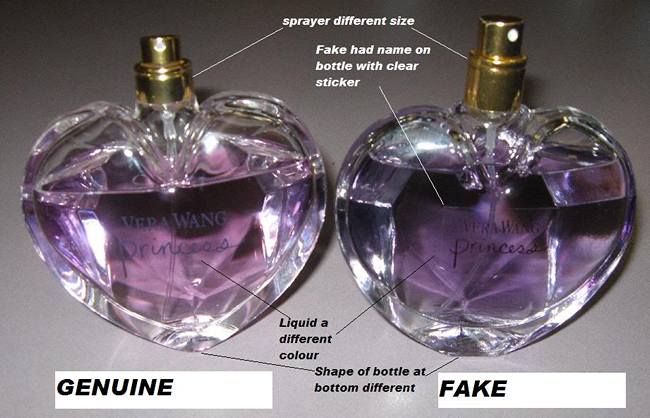
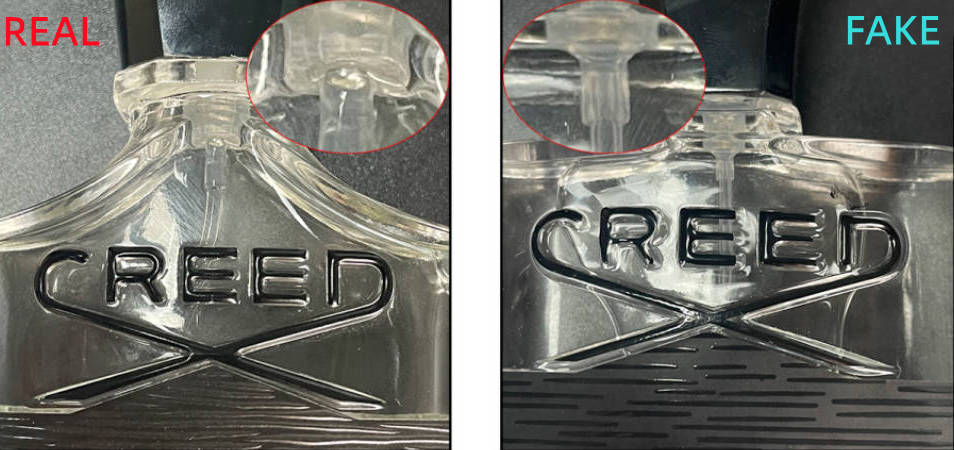
- Bottle weight and glass. Authentic bottles feel solid and well-made. Cheap glass, air bubbles, or visible mold lines often mean counterfeit.
- Cap, collar, and sprayer. Caps should fit snugly and align with the bottle design. Sprayers on fakes can be loose, spray unevenly, or leak.
When you can, compare a suspect bottle side-by-side with a confirmed genuine bottle. Differences are usually obvious.
Scent and performance: the best ways to confirm authenticity
Smell is the final judge. Even a perfect-looking fake can fail once you spray it.
- Initial spray and top notes. Genuine colognes open with a balanced burst; fakes often smell alcohol-forward or overly sweet.
- Heart notes and development. Real fragrances evolve over time. If the middle notes never emerge or become harsh, you may have a fake.
- Dry down and longevity. Authentic colognes last longer and keep their character. If the scent disappears in under an hour, it's likely counterfeit.
- Sillage and projection. Fakes may over-project weirdly at first, then vanish. Trust differences in how the scent sits on your skin and in the air.
Test on both a paper blotter and your skin. Body chemistry can change a scent, but fakes usually fail both tests.
Price, seller reputation, and where to buy
Price and source are common telltales. Smart buying reduces the risk of counterfeit cologne.
- Authorized retailers and brand stores. Buying from official sellers offers the best protection.
- Online marketplaces. Big platforms can host fakes. Check seller ratings, return policies, and images closely.
- Too-good-to-be-true prices. Deep discounts on current, popular colognes are often fake signs.
- Invoice and packaging proof. Legit sellers provide receipts and intact packaging that match the product.
When buying used or from marketplaces, ask for clear photos of batch codes, box interior, and the sprayer. If the seller hesitates, walk away.
Tools and online checks that help
Use simple tools and resources to confirm authenticity quickly.
- Batch code checkers. Enter the batch number to verify manufacture date and country.
- Barcode scanners. Confirm product identity and model details with a barcode scan.
- Magnifier or loupe. Inspect printing, microtext, and cap seams closely.
- UV light. Some brands use inks or seals visible under UV.
- Community verification. Post clear photos in fragrance forums or groups; experienced collectors can help spot fakes.
I recommend combining at least two verification methods before deciding the bottle is genuine.
Personal experience: mistakes I made and lessons learned
I once bought a rare release at a low price and discovered later it was counterfeit. The box looked fine, but the bottle cap was slightly loose and the scent flattened quickly. Since then I always check the batch code and spray test before finalizing a purchase.
Lessons learned:
- Never buy without seeing the sprayer or testing on skin.
- Ask sellers for serial numbers and matching receipts.
- Compare suspect bottles to trusted references or photos from official sources.
These habits have stopped me from losing money and helped friends avoid fakes too.
Common signs summarized: quick checklist
Use this short list when you need a fast decision in-store or online.
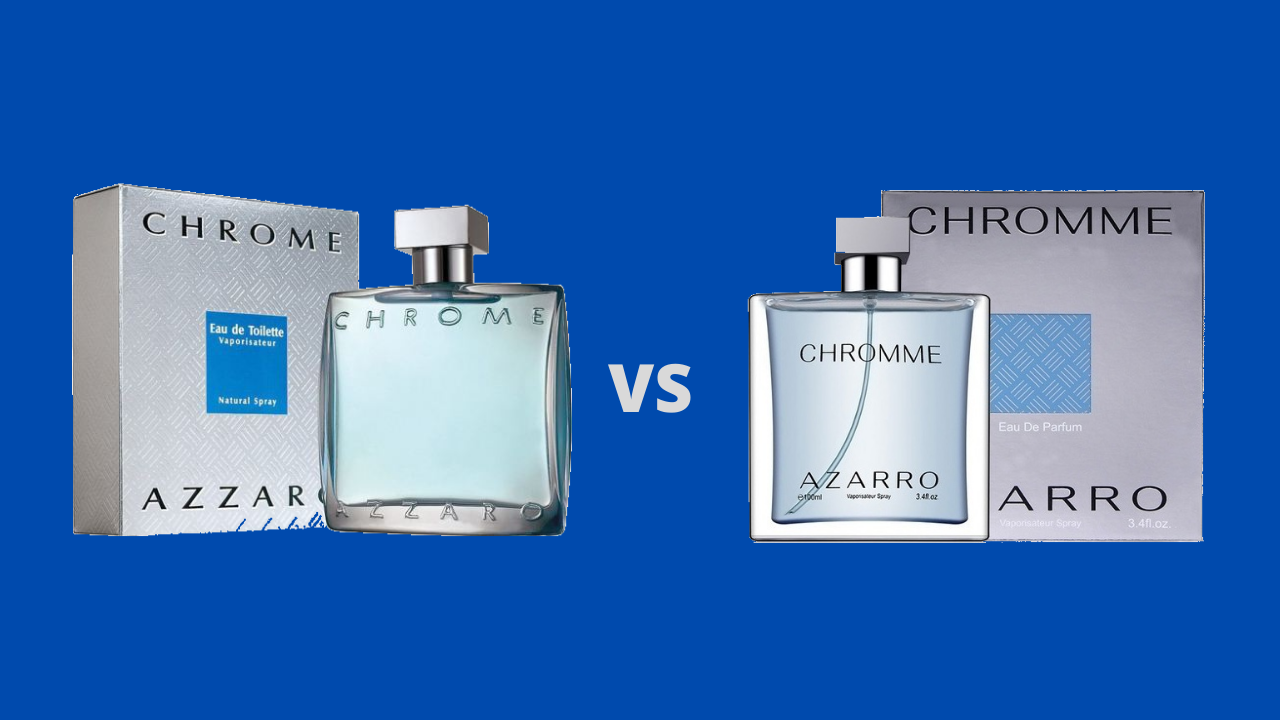
- Misspelled or blurry packaging.
- Loose or poorly fitted cap.
- Cheap-feeling glass or visible seams.
- Batch code missing or mismatched.
- Scent that smells synthetic, overly sweet, or fades fast.
- Extremely low price or untrusted seller.
If you find two or more signs, treat the bottle as suspect and dig deeper before buying.
Frequently Asked Questions of how to tell if cologne is fake
What is the quickest way to tell if cologne is fake?
Check the packaging and batch code first, then spray a small amount on a blotter. If the box print or batch code looks off or the scent fades quickly, it’s likely fake.
Can a fake cologne be harmful to my skin?
Yes, fake cologne can contain low-quality ingredients or contaminants that irritate skin or cause reactions. Avoid using suspicious fragrances on sensitive skin areas.
Is price alone a reliable indicator of authenticity?
No, price is not definitive but it’s a strong clue; extremely low prices on recent releases often mean counterfeit. Always combine price information with packaging and scent checks.
Are online reviews helpful in spotting fake cologne?
They can help, especially seller reviews that mention authenticity issues. Look for consistent complaints about fakes or missing receipts.
How accurate are batch code checkers?
Batch code checkers usually confirm manufacture dates and locations reliably, but errors happen. Use them with other checks like packaging and scent tests.
Conclusion
Spotting fake cologne is a skill anyone can learn with clear checks and a little practice. Inspect packaging and bottle details, test the scent on blotter and skin, verify batch codes, and buy from trusted sellers. Use the checklist above when shopping so you don’t waste money or risk skin irritation. Try these steps on your next purchase, share your results, or leave a comment about a suspicious bottle you found—your experience may help someone else.

Rubel Miah is the Senior Editor at MyStyleGrid.com, where he brings a sharp editorial eye and an unshakable love for fashion to everything he does. A true style addict, Rubel lives and breathes trends, from streetwear to high fashion, and has a knack for turning inspiration into impactful stories. With years of experience in fashion journalism and digital media, he curates content that empowers readers to express themselves through style. When he’s not editing features or forecasting the next big thing, you’ll find him hunting down vintage pieces or capturing street style moments around the city.