Clean, lift the nap, spot-treat stains, and protect with suede-specific products.
I’ve repaired dozens of pairs and taught others how to fix damaged suede shoes with clear, repeatable steps. This guide breaks down causes, tools, step-by-step fixes for water, scuffs, oil, tears, and nap restoration, plus prevention tips so your suede shoes stay wearable and looking sharp.

Why suede needs special care
Suede is leather with a soft, napped surface. It soaks up water, oils, and dirt easily. That makes cleaning and repairing suede different from smooth leather.
How to fix damaged suede shoes starts with understanding the material. Treat suede gently, use dry cleaning tools, and avoid harsh chemicals. I learned this the hard way after using the wrong cleaner and flattening the nap on a favorite pair.

Common types of suede damage
Suede shows wear in a few clear ways. Knowing the damage type helps you choose the right repair method.
- Water stains and ring marks — pale or dark patches after wetting.
- Surface scuffs and flattened nap — dull areas from rubbing.
- Oil and grease stains — dark, saturated marks that repel water.
- Tears, ripped seams, and separated soles — physical damage needing repair.
- Color fading and worn spots — from sun or abrasion.
How to fix damaged suede shoes depends on which of these you face. I’ll cover each in detail below.

Tools and supplies you’ll need
Using the right tools makes fixes simple and safe. Gather these before you start.
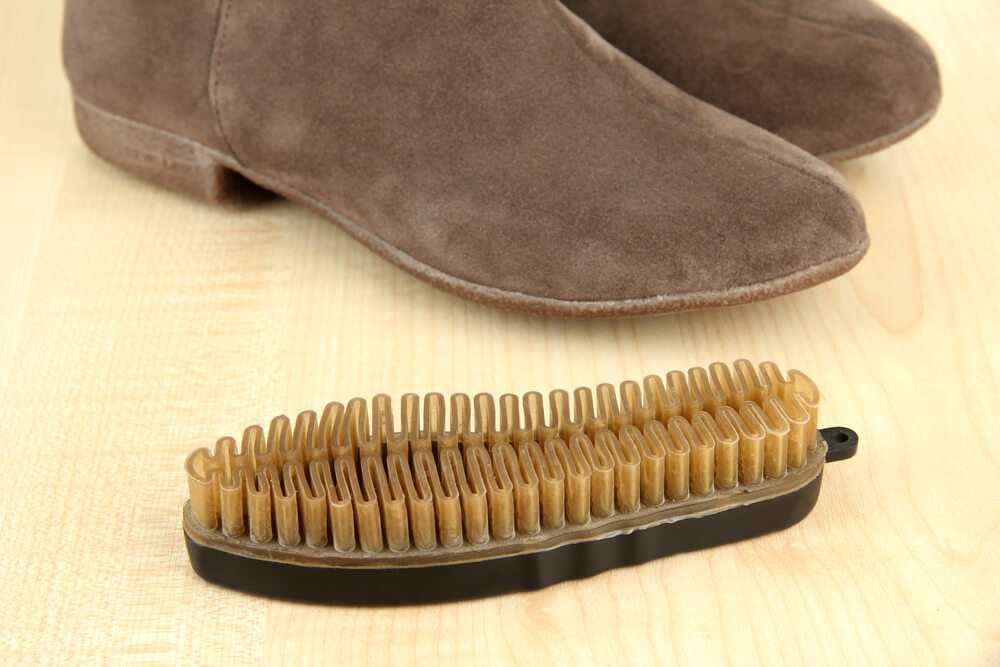
- Suede brush (rubber or crepe)
- Suede eraser or clean pencil eraser
- Soft cloths and microfiber towels
- White vinegar or rubbing alcohol (for water marks)
- Cornstarch or talc (for oil stains)
- Suede cleaner (water-based)
- Soft toothbrush
- Leather glue or fabric glue (for small tears)
- Shoe trees or crumpled paper (to keep shape)
- Suede protector spray
Having these on hand makes the question of how to fix damaged suede shoes easy to answer in practice.
:max_bytes(150000):strip_icc()/stains-on-suede-clothes-shoes-furniture-2147180-Oily-Stain-01-bc6968072594403382644c525f97ba5d.jpg)
How to fix water-stained suede shoes (step-by-step)
Water stains are common but fixable if you act carefully.
- Stuff the shoe with paper or insert shoe trees to keep shape.
- Use a suede brush to gently lift the nap and blend edges of the stain.
- Dampen the whole affected area lightly with distilled water to even out the color.
- Blot excess water with a clean cloth and let air dry away from heat.
- Once dry, brush the nap back up with the suede brush.
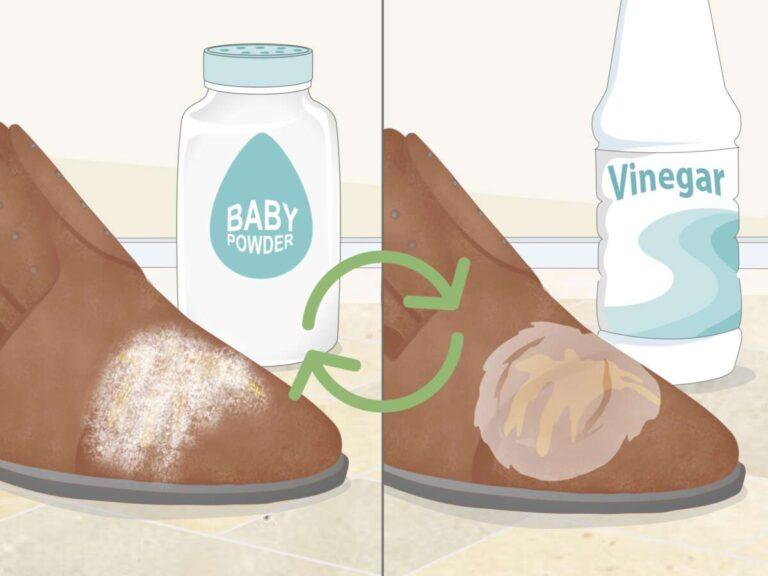
If a ring mark stays, try lightly applying white vinegar on a cloth, dab the stain, then let dry and brush. This is a key part of how to fix damaged suede shoes that have uneven water marks.
How to fix scuffs and flattened nap
Scuffs often only need mechanical treatment.
- Use a suede eraser to rub the scuff gently until the mark fades.
- Brush the area briskly with a suede brush to lift the nap.
- For stubborn scuffs, use a soft toothbrush with a little suede cleaner and then brush again.
I once fixed a suede loafer by erasing and brushing for five minutes; the result looked nearly new. Small, patient motions win here.

How to remove oil and grease stains
Oil is the toughest common stain on suede. Quick action helps.
- Blot any fresh oil with a dry cloth—do not rub.
- Sprinkle cornstarch or talc on the stain and leave overnight to absorb oil.
- Brush away powder with a suede brush the next day.
- Repeat if the stain remains, or use a small amount of suede cleaner as directed.
How to fix damaged suede shoes with oil stains often needs repeated treatments. If oil is deep, professional cleaning may be required.

Repairing tears, loose seams, and sole separation
Physical damage needs glue or stitching.
- For small tears, use a tiny amount of leather or fabric glue under the tear, press gently, and let cure on shoe trees.
- For loose seams, resew with a strong nylon thread or take to a cobbler for a clean stitch.
- For separated soles, use shoe repair adhesive and clamp or place heavy items on the joint while it cures.
I’ve resealed a sole with adhesive and a clamp; it held for months. For wide tears or structural damage, a pro repair is the safest route.
Restoring color and nap for faded suede
Faded suede can be refreshed without overdoing it.
- Use a suede brush to lift fibers first.
- Apply a suede dye or color restorer by following product directions and testing on a hidden area.
- Finish with suede protector spray after the dye fully dries.
How to fix damaged suede shoes that are faded often improves dramatically with careful dyeing. Test and build color slowly to avoid dark patches.
When to call a professional cobbler
Some issues are best left to pros.
- Big tears that need patching
- Extensive oil saturation
- Sole or heel reconstructions
- Complex re-dyeing across the whole shoe
If you’re unsure, bring one shoe in for an estimate. A pro can often save shoes that DIY methods might worsen.
Preventive care: keep suede safe and long-lasting
Prevention saves time and money.
- Apply a suede protector spray before first wear and every few months.
- Avoid wearing suede in heavy rain or snow.
- Brush shoes after each wear to remove dirt and keep the nap raised.
- Store shoes in a cool, dry place with shoe trees to keep shape.
Learning how to fix damaged suede shoes is great, but prevention means fewer repairs later.
PAA-style quick questions
Can suede be cleaned at home?
Yes. Many stains and scuffs can be handled at home with a suede brush, eraser, and mild cleaners. Deep oil stains or heavy damage may need a professional.
Will water ruin suede permanently?
Not always. Quick, gentle drying and brushing can restore suede after water exposure. Repeated soaking or harsh drying can cause permanent damage.
Is suede dye safe to use?
Yes, if you test first and follow product instructions carefully. Apply thin layers and allow full drying between coats to avoid uneven color.
How often should I use protector spray?
Apply before first wear and every 2–3 months with normal use, or after cleaning. Reapplication keeps liquid and stain resistance effective.
Can I use household cleaners on suede?
Avoid standard household cleaners that foam or contain harsh solvents. Use products labeled for suede or gentle solutions like diluted vinegar for specific stains.
Frequently Asked Questions of how to fix damaged suede shoes
What is the first step when you see a stain on suede?
Blot gently with a clean, dry cloth and avoid rubbing. Identify the stain type—water, oil, or dirt—before choosing a treatment.