Use insoles, heel grips, padding, or careful heat and stuffing to reduce loose shoes.
If you need clear, reliable ways to learn how to make shoes smaller, you’re in the right place. I’ve worked with shoes for years—repairing, fitting, and testing DIY fixes—so I’ll walk you through safe, practical options. This guide covers quick fixes, material-specific shrinking, when to call a cobbler, tools to use, risks to avoid, and real tips from my experience. Read on and you’ll know exactly how to make shoes smaller without wrecking them.

Why shoes feel too big
Shoes can feel too large for a few simple reasons. Your feet may swell and shrink through the day. You might have the wrong size from the start. Or the shoe’s design and lining can create extra room.
Common causes:
- Foot shape and width differences.
- Thin or worn insoles that reduce support.
- Stretching over time from wear and moisture.
- Buying shoes later in the day when sizing is off.
Understanding why a shoe feels loose helps decide how to make shoes smaller. For example, loose heels need heel grips. Extra length calls for insoles or toe inserts. Fit issues at the ball of the foot require different fixes than loose heels or extra width.
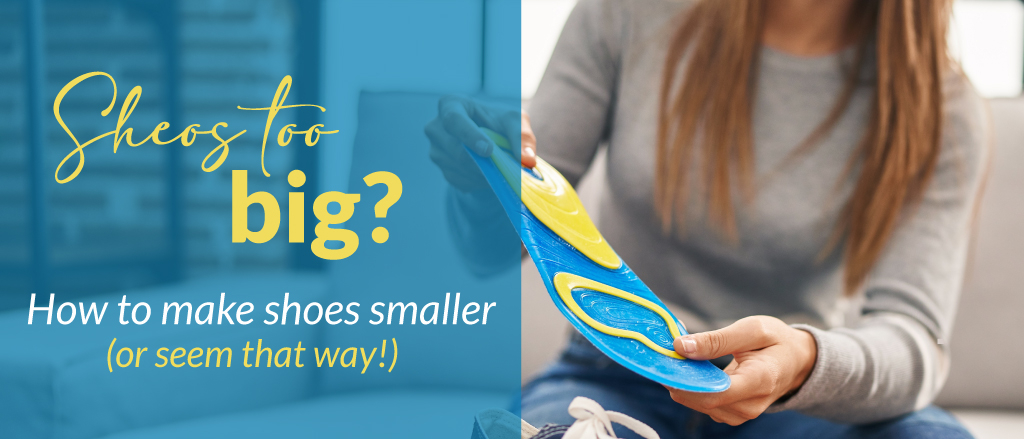
Quick at-home fixes to make shoes smaller
These are fast, low-risk ways to make shoes smaller. Try the easy ones first. They’re affordable and reversible.
Simple solutions:
- Add an insole
- Use a full-length or half insole to take up space. Insoles improve comfort and reduce length.
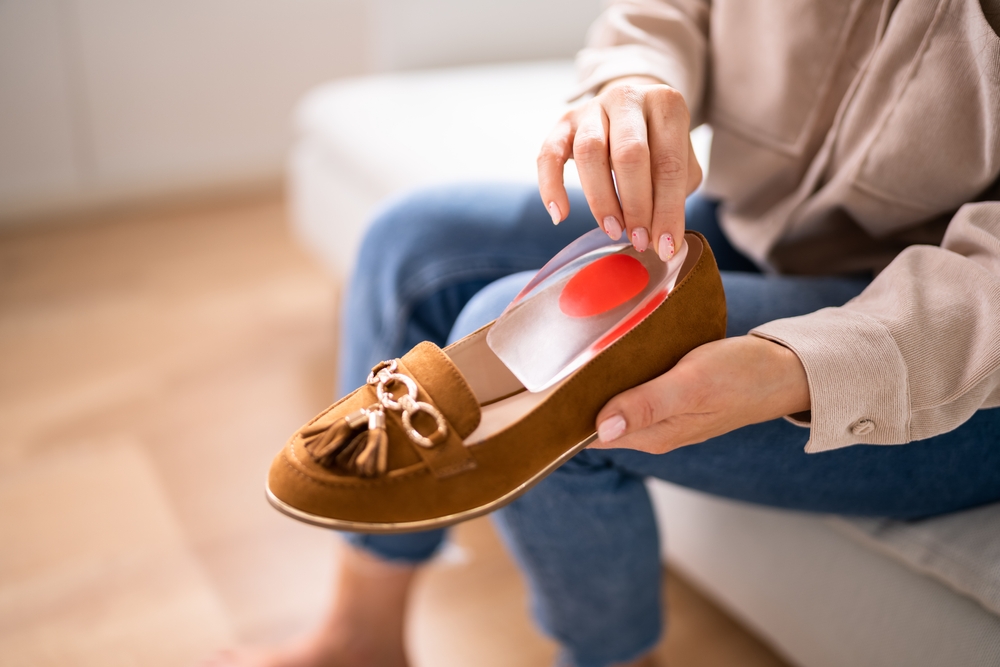
- Use heel grips
- Adhesive pads behind the heel stop slipping and pull the foot back into the shoe.
- Insert tongue pads
- A small pad under the tongue reduces volume and prevents forward slipping.
- Try gel or foam toe cushions
- These fill empty toe space and prevent sliding.
- Wear thicker socks
- Two thin socks or one thick sock can make a snug fit quickly.
- Use adhesive shoe liners
- Thin stick-on liners reduce internal length and add grip.
- Lace-lock or heel-lock lacing
- Adjust lacing to lock your heel and prevent slipping without changing length.
- Moleskin or fabric strips
- Place where shoes rub or are loose for targeted snugness.
When trying these, test a short walk to confirm comfort. These fixes are ideal when you need to make shoes smaller fast for a specific event or to extend wearability.

DIY shrinking methods by material
Not all shoes respond the same way. Material matters. Here’s how to make shoes smaller based on what they’re made of, and what to avoid.
Leather
- What works
- Leather can shrink slightly with controlled heat and moisture. Apply a damp cloth, then use a hairdryer on medium while flexing the shoe and wearing a thick sock.
- Steps
- Lightly dampen leather areas to target.
- Wear thick socks and the shoe.
- Blow warm (not scalding) air while walking or flexing for a few minutes.
- Let leather dry slowly at room temperature.
- Risks
- Too much heat dries and cracks leather. Do not use an oven or open flame.
Canvas
- What works
- Canvas shrinks well in hot water or a washing machine and a hot dryer.
- Steps
- Wash in hot water with mild detergent.
- Dry on high heat briefly, checking frequently.
- Risks
- Glue and trim can warp. Only use this for canvas sneakers without glued foam midsoles.
Synthetic materials
- What works
- Many synthetics resist shrinking. Use inserts and padding instead.
- Risks
- Heat can melt glue and deform shape. Avoid aggressive heat on synthetic uppers.
Suede and delicate fabrics
- What works
- Suede shrinks less predictably. Avoid water and heat. Use padding, heel grips, or a cobbler.
- Risks
- Water spots, stiffness, or irreversible damage.
Personal note: I once tightened a roomy leather boot with a hairdryer and thick socks; it worked after two short sessions. I stopped when I felt the leather stiffen. If you try heat methods, proceed slowly and stop if the shoe feels too hot.

Tools, materials, and step-by-step checklist
Having the right tools makes it easier to make shoes smaller safely.
Basic toolkit:
- Insoles: foam, gel, or custom orthotic.
- Heel grips and tongue pads: adhesive-backed.
- Toe cushions and metatarsal pads.
- Moleskin or fabric tape.
- Hairdryer and thick socks.
- Shoe trees and shoe stretchers (for controlled shaping).
- Mild detergent and a washer/dryer (for canvas).
Step-by-step checklist for a safe approach:
- Assess fit and identify where the shoe is loose.
- Try non-permanent fixes: insoles, heel grips, lacing tweaks.
- If needed, test a gentle heat method for leather, with short intervals.
- Reassess comfort and look for signs of stress on seams or glue.
- If unsure, consult a cobbler before stronger interventions.
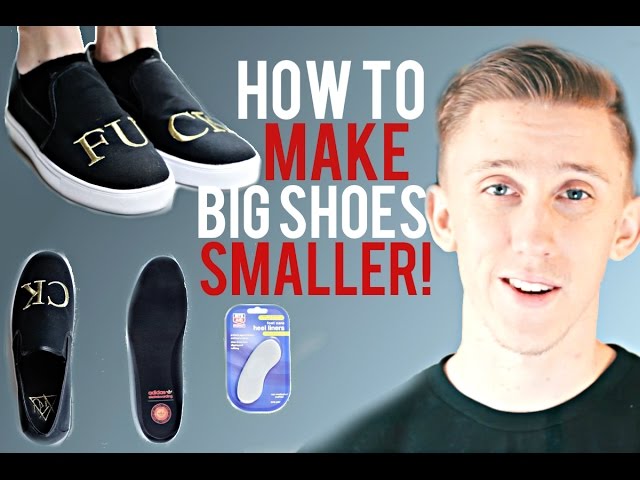
When to see a cobbler: professional resizing and limits
A cobbler can offer solutions you can’t safely do at home. They can:
- Add or replace insoles with custom orthotics.
- Rebuild the heel cup or resew parts of the upper.
- Stretch or reduce the last to change width or length in a controlled way.
- Reattach or replace glued parts damaged by at-home attempts.
Costs and turnaround
- Simple fixes (inserts, heel counters): low cost, same day.
- Structural changes or lasts: moderate cost, a few days.
- Major alterations: higher cost, depends on materials.
Limitations
- Some shoes cannot be safely reduced without damage, especially those with bonded soles or complex construction.
- High-end or heavily structured shoes may require replacement instead of alteration.
From my experience, a cobbler is worth it when the shoes are expensive, have sentimental value, or when home fixes fail.

Safety tips, common mistakes, and what to avoid
Making shoes smaller can go wrong. Here’s how to avoid common mistakes.
What to avoid:
- Using an oven or open flame to “shrink” shoes.
- Applying prolonged high heat to glued shoes or those with synthetic parts.
- Cutting soles or structural components without skill.
- Overstuffing shoes, which causes pressure points and blisters.
Safety tips:
- Work in short intervals when using heat.
- Check glue lines and stitching after any method.
- Stop immediately if material warps, smells of burning, or seams split.
- Test new padding and insoles at home before long wear.
Real lesson: I once used a too-hot dryer on a pair of mixed-fabric sneakers and loosened the glue. The shoes never recovered. That taught me to favor non-destructive fixes first.

Preventing fit problems and picking the right shoes
Prevention makes the question of how to make shoes smaller less likely to come up.
Fit tips:
- Measure feet in the afternoon when they are largest.
- Try shoes with the socks you plan to wear.
- Leave about a thumb’s width (1 cm–1.5 cm) in front of your longest toe.
- Walk at least a few minutes in-store to check heel slippage and pressure points.
- Choose shoes built for your foot type: narrow, regular, or wide.
Buying mindset
- Spend a little more time on fit than on impulse. It saves money and hassle.
- If unsure, ask for the next size or different width for comparison.
Related concepts and further reading
Understanding related concepts can help you decide how to make shoes smaller or whether to replace them.
Related ideas:
- Shoe lasts: the mold shape used in manufacturing that determines fit.
- Orthotics: custom insoles that change fit and function.
- Break-in vs. permanent resizing: some shoes loosen by design; others need structural work.
- Materials science basics: heat, moisture, and tension affect leather, canvas, and synthetics differently.

Frequently Asked Questions of how to make shoes smaller
Can I make shoes smaller without damaging them?
Yes. Use non-permanent fixes like insoles, heel grips, and padding first. These reduce size without altering structure.
Will heat shrink all shoes?
No. Heat can work on leather and canvas in controlled ways, but synthetics and glued structures often deform. Always test carefully.
How long do insoles and heel grips last?
Quality insoles and heel grips last months to years depending on wear and moisture. Replace them when they compress or lose tack.
Can a cobbler truly reduce shoe size?
A cobbler can adjust fit, add structure, or modify lasts, but major length reductions are limited. Structural changes depend on shoe construction.
Is it cheaper to alter or buy new shoes?
Minor fixes are inexpensive. Major structural alterations can approach the cost of new shoes. Consider shoe value and sentimental worth.
Conclusion
You now have a full, practical toolkit to decide how to make shoes smaller. Start with simple, reversible fixes like insoles and heel grips. Use careful heat only for leather and canvas, and call a cobbler for structural work. Test each change and watch for damage.
Try one method this week to tighten a loose pair. Share what worked or ask a question below so others can benefit. If you found this helpful, subscribe or leave a comment with the shoes you want to fix.

Rubel Miah is the Senior Editor at MyStyleGrid.com, where he brings a sharp editorial eye and an unshakable love for fashion to everything he does. A true style addict, Rubel lives and breathes trends, from streetwear to high fashion, and has a knack for turning inspiration into impactful stories. With years of experience in fashion journalism and digital media, he curates content that empowers readers to express themselves through style. When he’s not editing features or forecasting the next big thing, you’ll find him hunting down vintage pieces or capturing street style moments around the city.