Use padding, stretchers, heat carefully, and short wear sessions to break heels.
I have fixed dozens of shoes that hurt my heel. I know how to break in shoes that rub your heel without wrecking them. This guide gives clear, tested steps you can use today. Read on for simple fixes, stretching methods, padding options, and when to seek a cobbler.
Why shoes rub your heel
Shoes rub your heel when the back edge presses on the thin skin there. Poor fit, stiff materials, and wrong size all cause friction. New shoes often have firm counters that need time to soften. Socks or foot shape can change contact points and increase rubbing. Knowing the cause helps you pick the right fix for how to break in shoes that rub your heel.

Immediate fixes you can try today
These quick fixes stop pain fast and let you continue wearing the shoes while you break them in.
- Use soft heel pads
- Place foam or gel pads inside the shoe at the heel cup. They raise your foot slightly and reduce rubbing.
- Try moleskin or blister tape
- Apply moleskin where the shoe rubs. It creates a smooth, protective layer between skin and shoe.
- Wear thicker socks or double up
- Thick socks cushion and reduce movement. Try it for short trips first to check fit.
- Use anti-friction balm
- A thin layer of lubricant or balm reduces friction and prevents blisters.
- Adjust lacing or straps
- Loosen the top laces so the heel sits deeper and does not slip. For sandals, tighten straps that hold the heel.
These fixes often stop pain immediately and buy time while you learn how to break in shoes that rub your heel.

How to safely stretch and mold shoes
Stretching changes the shape of the shoe so it stops rubbing your heel. Different materials need different care.
- Leather shoes
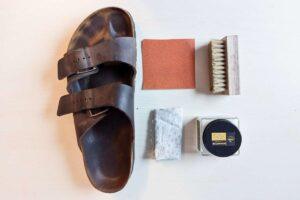
- Use a shoe stretcher or wear with thick socks and walk at home for 20–30 minutes. Apply a leather conditioner first to soften fibers.
- For a targeted spot, insert a heel stretcher or wrap the heel area with a damp cloth and use a hair dryer at low heat while flexing the shoe.
- Suede and nubuck
- Avoid water. Use a suede brush and a soft, cool steam from a kettle (not soaking) to relax fibers. Then wear with thick socks.
- Synthetics and plastic-backed shoes
- These materials are less stretchable. Use padding and heel grips instead of aggressive heat.
- Using heat safely
- Low heat from a hair dryer can help. Hold 6–8 inches away and warm for 20–30 seconds while bending the shoe. Do not overheat or focus on glue seams.
- Shoe trees and stretchers
- Use cedar shoe trees to mold leather over several days. For quick shape changes, adjustable stretchers work well.
When you stretch, go slow. Try small steps and test fit often. This prevents over-stretching and damage while you learn how to break in shoes that rub your heel.
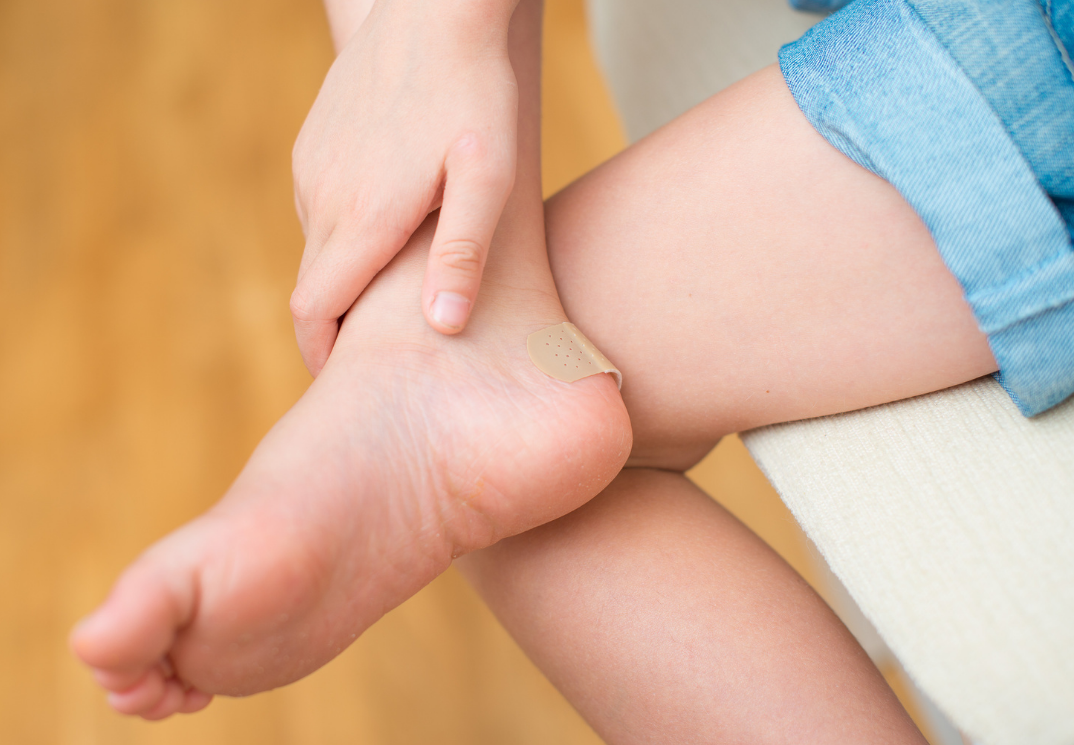
Padding, grips, and protective gear
Adding cushion or reducing movement is a safe way to stop heel rubbing without altering the shoe.
- Heel grips
- Thin adhesive pads at the back of the shoe. They prevent heel slip and reduce friction.
- Full-length insoles
- Add support and lift. They change how your foot sits and cut rubbing.
- Gel or foam heel cups
- Soften contact at the heel. Good for walking and standing.
- Blister prevention tape and moleskin
- Put these on your skin or inside the shoe to protect hot spots.
- Socks choice
- Seamless, padded socks reduce friction. Wool or synthetic blends wick moisture and keep skin dry.
I once fixed a pair of stiff loafers with heel grips and a leather conditioner. The shoes felt new in two days. Small items like these are inexpensive and effective if you want to break in shoes that rub your heel quickly.

A weekday plan to break in shoes that rub your heel
Follow a simple schedule to change shoe shape without pain.
- Day 1
- Apply heel grips and wear for 30 minutes indoors. Check hot spots.
- Day 2–3
- Wear with thick socks for 1–2 hours at home. Use an anti-friction balm.
- Day 4–7
- Use a shoe tree or stretcher overnight. Wear for short outdoor trips.
- Week 2
- Walk in the shoes for a few hours. Add or remove padding to refine fit.
Progress slowly. Stop if you get blisters. These steps teach you how to break in shoes that rub your heel in a controlled way.

When to see a cobbler or choose new shoes
Not all rubbing is fixable. See a cobbler or replace the shoe if:
- The shoe is structurally wrong for your foot shape.
- The heel counter is rigid and glued in a way that can’t be reshaped safely.
- Repeated fixes and stretching fail to solve the problem.
- You have chronic foot conditions or poor circulation that make blisters risky.
Cobblers can add or reshape heel counters and customize padding. A pro fix can be cheaper than replacing a favorite pair. Sometimes buying a better-fitting pair is the smarter, healthier choice when you want to break in shoes that rub your heel.

Quick questions people ask
How long does it take to break in shoes that rub your heel?
Most shoes need a few days to two weeks of gradual wear. Leather usually softens fastest with wearing and conditioning.
Will heating shoes ruin them?
Too much heat can melt glue or warp materials. Use low heat and direct carefully only to flexible areas.
Are heel grips permanent?
Adhesive grips can last months but may need replacing after heavy wear. They are removable and low risk.

Frequently Asked Questions of how to break in shoes that rub your heel
How can I stop new shoes rubbing my heel immediately?
Use heel grips or moleskin and wear thick socks for short periods. These stop friction and let you wear the shoes while they settle.
Is it safe to use a hair dryer to stretch shoes?
Low heat from a hair dryer is safe if used carefully. Keep a distance, avoid seams, and test frequently to prevent damage.
Can I stretch shoes with water?
Leather can be lightly dampened and then shaped, but avoid soaking. Suede and materials with glued parts should not be wet.
Will wearing socks that are too thick change shoe size?
Thicker socks raise your foot slightly and can reduce heel slip. If the shoe becomes too tight, consider other fixes or a half size up.
When should I replace shoes that keep rubbing my heel?
Replace if repeated fixes fail, if the shoe hurts your foot shape, or if blisters reappear despite padding. Long-term pain is a sign to change shoes.
Conclusion
You can stop heel pain and keep your favorite shoes. Use padding, heel grips, careful stretching, and a slow wear plan to break in shoes that rub your heel. Test methods lightly, protect your skin, and seek a cobbler if needed. Try one fix today and track what works for your feet. Share your results, ask questions, or subscribe for more foot care tips.

Rubel Miah is the Senior Editor at MyStyleGrid.com, where he brings a sharp editorial eye and an unshakable love for fashion to everything he does. A true style addict, Rubel lives and breathes trends, from streetwear to high fashion, and has a knack for turning inspiration into impactful stories. With years of experience in fashion journalism and digital media, he curates content that empowers readers to express themselves through style. When he’s not editing features or forecasting the next big thing, you’ll find him hunting down vintage pieces or capturing street style moments around the city.