Use heat, stuffing, moisture, or a stretcher to widen non-leather shoes safely.
I’ve spent years testing shoe fixes for runners, commuters, and people with picky feet. This guide shows exactly how to stretch shoes that are not leather, step by step, with safe methods for canvas, suede, knit, mesh, rubber, and synthetics. Read on for pros, limits, and real tips that work in daily life.
Understanding materials and limits when you want to stretch shoes that are not leather
Not all non-leather shoes react the same. Canvas and knit give more than rubber or plastic. Suede will stretch, but needs gentle care. Synthetics and glued shoes can break if you overdo it.
Know the material first. Look inside the tongue or box for tags or feel the fabric. If a shoe has glued seams or molded shapes, stretching has more risk.
My experience: I once tried a heavy stretch on a glued foam shoe and split the upper. Now I test a small area first. Try minor changes before big ones.
Safe home methods to stretch shoes that are not leather
These methods fit most non-leather shoes. Use them in this order: gentle to strong. Always test a small spot.
Method 1: Stuffing with socks or towels
Steps:
- Fill the toe box with rolled socks or soft towels until snug.
- Leave the stuffing in place overnight or 24 hours.
- Repeat for a few days until you feel a fit change.
Works well for canvas, knit, and mesh. It is low risk and simple. It rarely helps much with plastic or hard rubber.
Method 2: Freeze-and-water method for firm materials
Steps:
- Fill two sealable bags halfway with water and remove air.
- Place each bag in the shoe, toe-first.
- Put shoes in the freezer overnight. Water expands and gently presses the upper.
- Thaw and remove bags. Dry shoes before wearing.
This works for many synthetics and some canvas. Avoid with glued soles that may separate under wet freeze cycles.
Method 3: Heat and socks (controlled)
Steps:
- Wear a thick pair of socks and the shoe.
- Aim a hair dryer at the tight areas for 20–30 seconds while flexing foot.
- Walk around in the shoes until cool. Repeat once.
Good for knit and canvas. Do not use high heat on plastic, coated fabrics, or glued parts. Heat can warp soles or melt glue.
Method 4: Alcohol or stretch spray
Steps:
- Mix one part rubbing alcohol with two parts water in a spray bottle or use a commercial stretch spray.
- Lightly mist the inside and tight areas.
- Wear the shoe with thick socks until dry.
Alcohol relaxes fibers so they stretch. Use sparingly on printed synthetics to avoid fading.
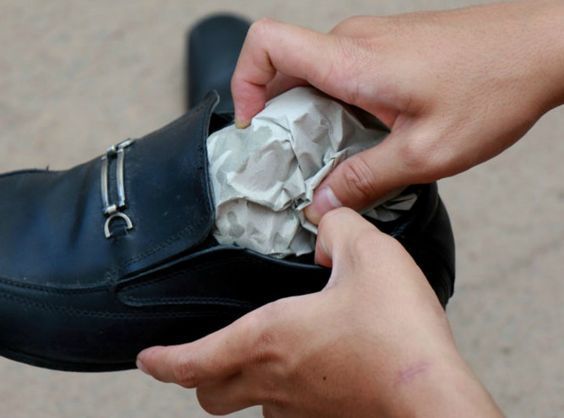
Method 5: Newspaper or paper stuffing for localized stretch
Steps:
- Wet strips of newspaper, wring lightly, and pack into tight spots.
- Let dry fully in the shoe. As paper dries, it expands slightly and molds.
- Replace and repeat as needed.
Good for small toe-box adjustments. It is gentle and cheap.
Each of these methods will help you learn how to stretch shoes that are not leather without damaging them. Start with stuffing, then move to other options if needed.

Professional tools and when to use a shoe stretcher
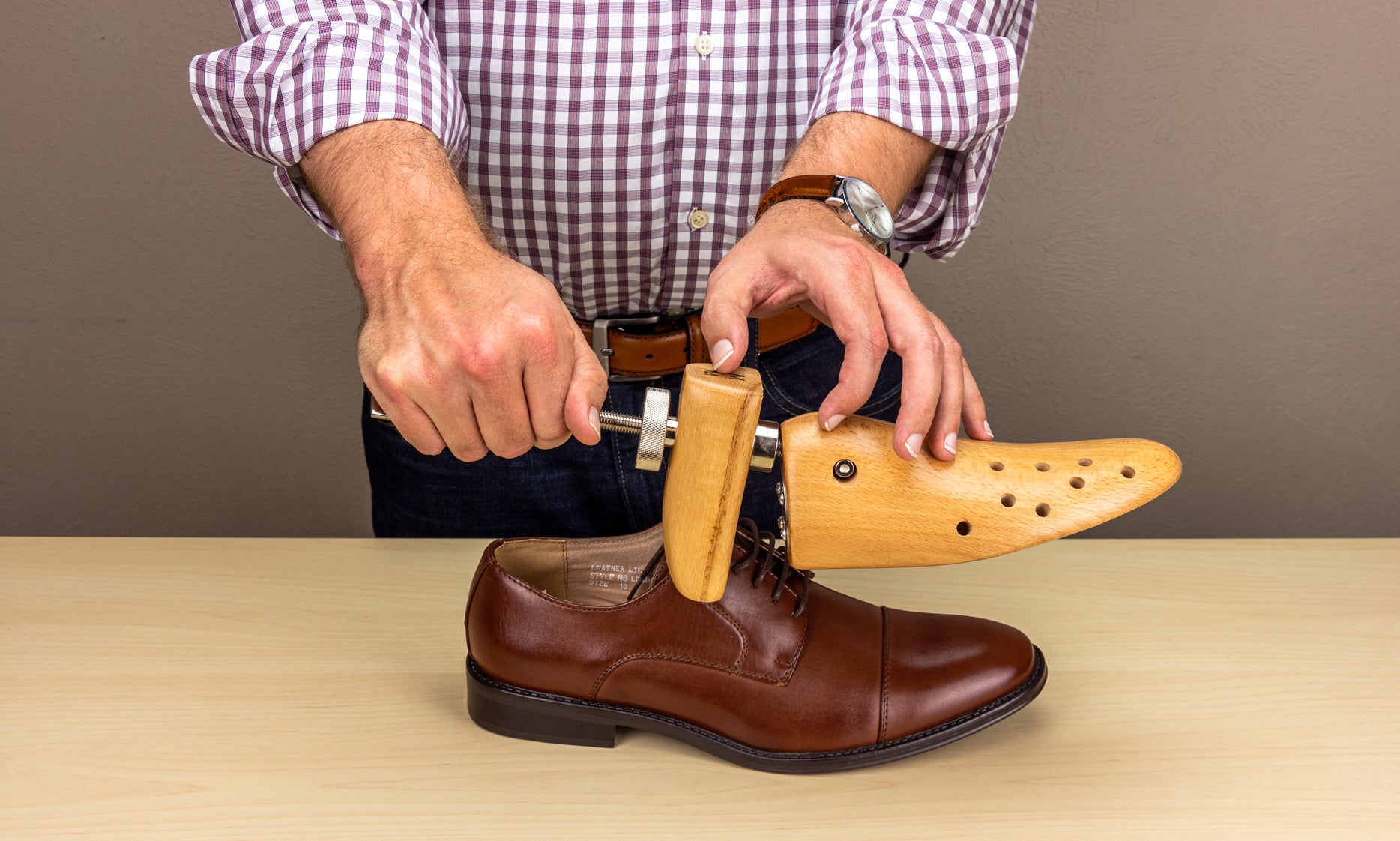
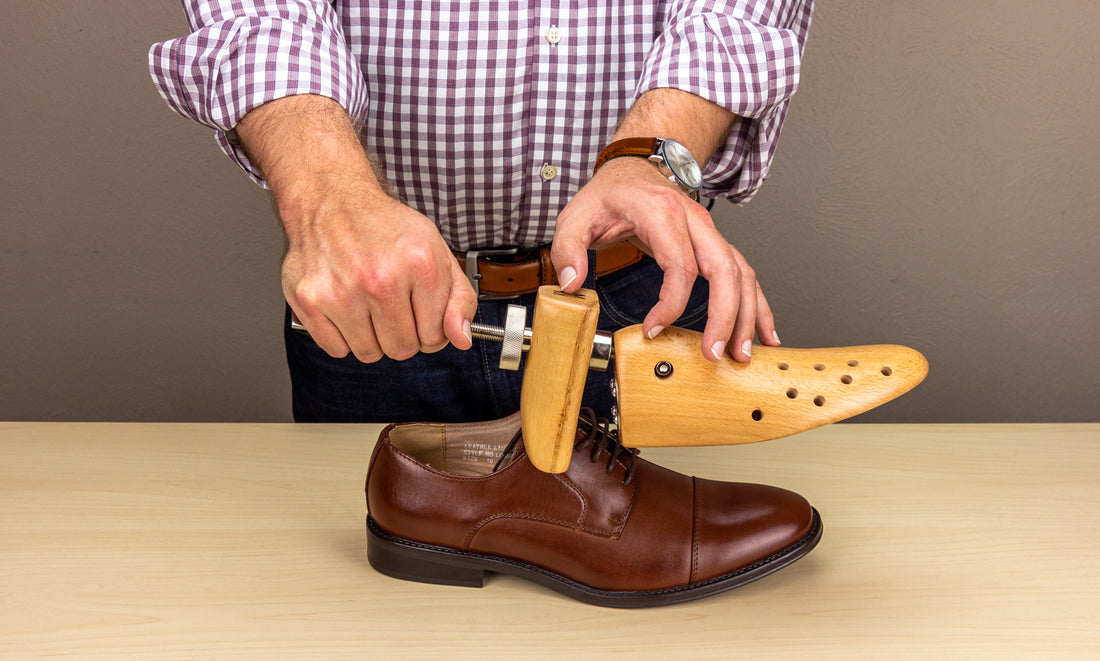
A shoe stretcher is a safe, controlled way to stretch shoes that are not leather. Use it for larger or stubborn tight spots.
Benefits:
- Targets specific areas, like bunion bulges or narrow toe boxes.
- Offers gradual, measurable stretching.
- Works for canvas, suede, knit, and many synthetics.
How to use:
- Insert the stretcher and turn the handle to expand slowly.
- Set a small tension and leave 4–8 hours. Check fit and repeat.
- For targeted stretch, attach bunion or toe plugs.
When to seek a pro:
- The shoe is expensive or has complex shaping.
- You smell glue or see molded parts that might separate.
- You’re uncertain about materials.
I’ve used a stretcher on a knit sneaker with great results. A pro shop saved a favorite pair of suede shoes when my home methods failed.
:max_bytes(150000):strip_icc()/How-to-stretch-shoes-STEP_2-979d2ed285d94bd99a30c802f26f148c.jpg)
Matching method to material: quick guide
- Canvas: Stuffing, heat, stretcher, alcohol spray.
- Knit and mesh: Socks+heat, stretcher, stuffing.
- Suede: Gentle stretcher, professional attention, light steam possible.
- Synthetic leather and coated fabrics: Light alcohol spray, stretcher with care; avoid high heat.
- Rubber and plastic: Freezer method sometimes works, but many molded plastics won't change.
- Molded sport shoes with foam: Often not stretchable. Consider insoles or different size.
This helps you pick the safest approach when learning how to stretch shoes that are not leather.

Tips, warnings, and mistakes to avoid when stretching non-leather shoes
Tips:
- Stretch slowly. Quick force causes tears.
- Test on a hidden area first.
- Use thick socks when you try heat methods.
Warnings:
- Don’t soak shoes with glue seams. The sole may detach.
- Avoid direct high heat on plastic or coated fabric.
- Overstretching can warp the shoe shape and harm support.
Common mistakes I made:
- Using boiling water on synthetics and shrinking the glue.
- Rushing the stretcher and tearing suede.
Learn from these. Move slowly and check progress.
Preventive care so you need to stretch less
- Buy shoes at the right time of day when feet are slightly swollen.
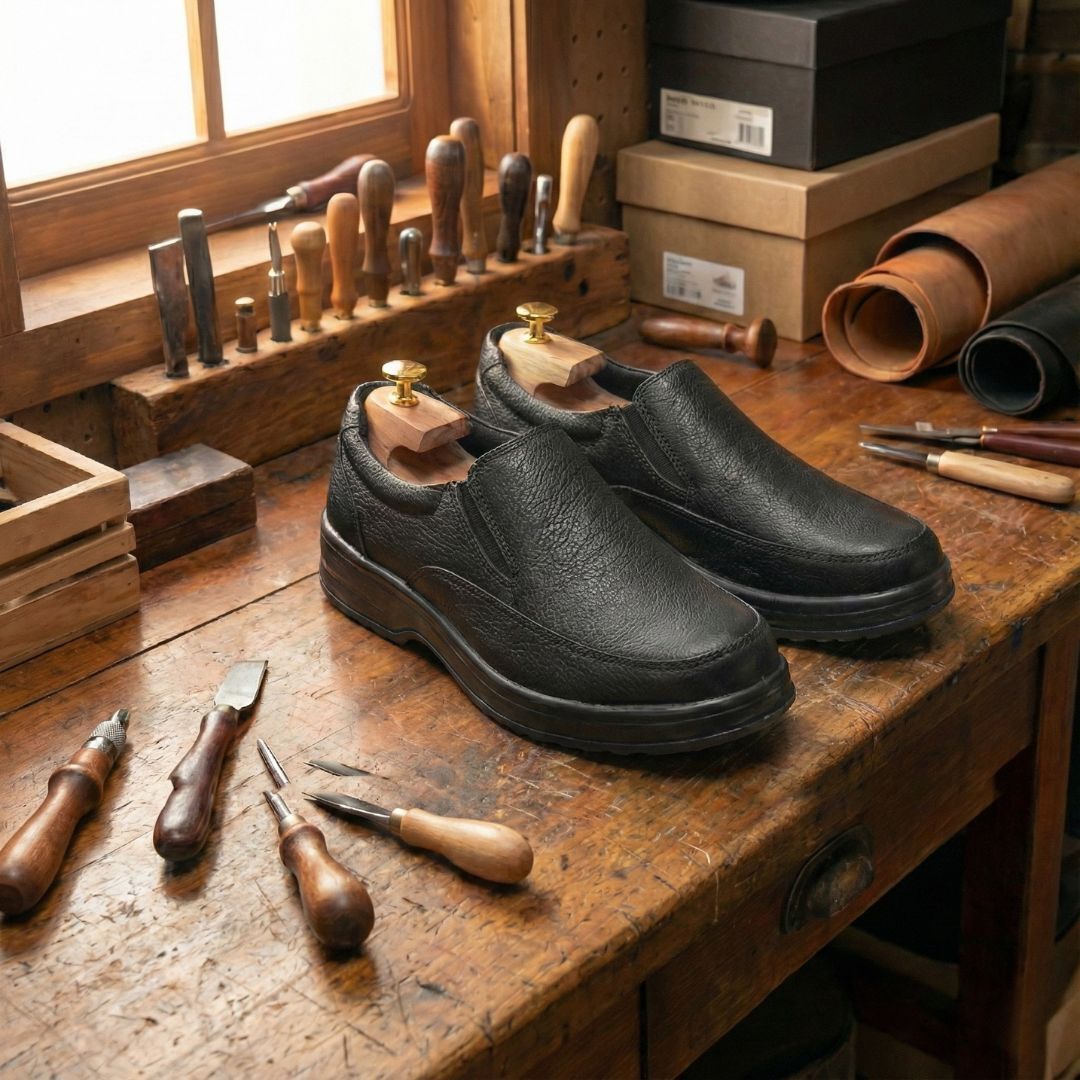
- Use shoe trees to keep shape and mild stretch.
- Rotate shoes to let foam and materials recover.
- Choose styles that match your foot width and arch.
These steps cut down on the need to learn how to stretch shoes that are not leather in the first place.

Quick PAA-style questions
Will heat ruin mesh shoes?
Low heat can help mesh stretch a little. Avoid high heat that might melt glue or warp sole shapes.
Can you stretch synthetic leather at home?
You can widen synthetic leather slightly with alcohol spray or stretcher tools, but high heat may distort the finish.
How long does it take to stretch a shoe?
Most methods show change in 1–3 days. Professional stretchers can work in hours, but gradual repeat sessions are safer.
Frequently Asked Questions of how to stretch shoes that are not leather
What is the safest way to stretch canvas shoes?
Stuffing with socks or towels and leaving them overnight is the safest. Repeat for a few days for gradual stretch.
Can I stretch knit or mesh sneakers without damaging them?
Yes. Use thick socks and a hair dryer on low while walking. Do short bursts and check fit often.