Run lab fatigue, abrasion, and outsole flex tests plus real-world wear trials.
I've spent over a decade designing, testing, and scaling footwear for small brands and major factories. This guide walks you step-by-step through how to test sneaker durability before mass production, with practical methods, test protocols, sample plans, and tips you can use right now. Read on to learn the exact tests, data analysis, and quality checks that keep returns low and customer trust high.

Why test sneaker durability before mass production?
Testing early saves time, money, and brand reputation. When you know how to test sneaker durability before mass production, you reduce costly line reworks and recalls. Durability failures hit margins and damage trust fast.
Start tests in development. Repeat tests in pre-production. Use lab data and field trials to confirm results.

Key durability tests to run
A focused test suite shows weak points fast. Here are core tests to run when you want to learn how to test sneaker durability before mass production.
- Fatigue/flex testing
- Repeats bending to simulate walking and running.
- Reveals stitching, upper, and sole breakdown.
- Abrasion testing
- Measures how materials wear against friction.
- Targets outsoles, toe caps, and heel counters.
- Tensile and seam strength
- Tests thread and glue joints under pull.
- Verifies attachment of sole to upper.
- Peel and adhesion tests
- Checks sole bonding and lamination.
- Essential for glued constructions.
- Compression and cushioning life
- Simulates repeated load on midsole foams.
- Shows when cushioning loses height and comfort.
- Water resistance and salt spray
- Evaluates finishes and adhesives in wet conditions.
- Useful for casual and outdoor lines.
When you map these tests, you get a clear picture of how to test sneaker durability before mass production. Test frequency and sample size depend on volume and price point.
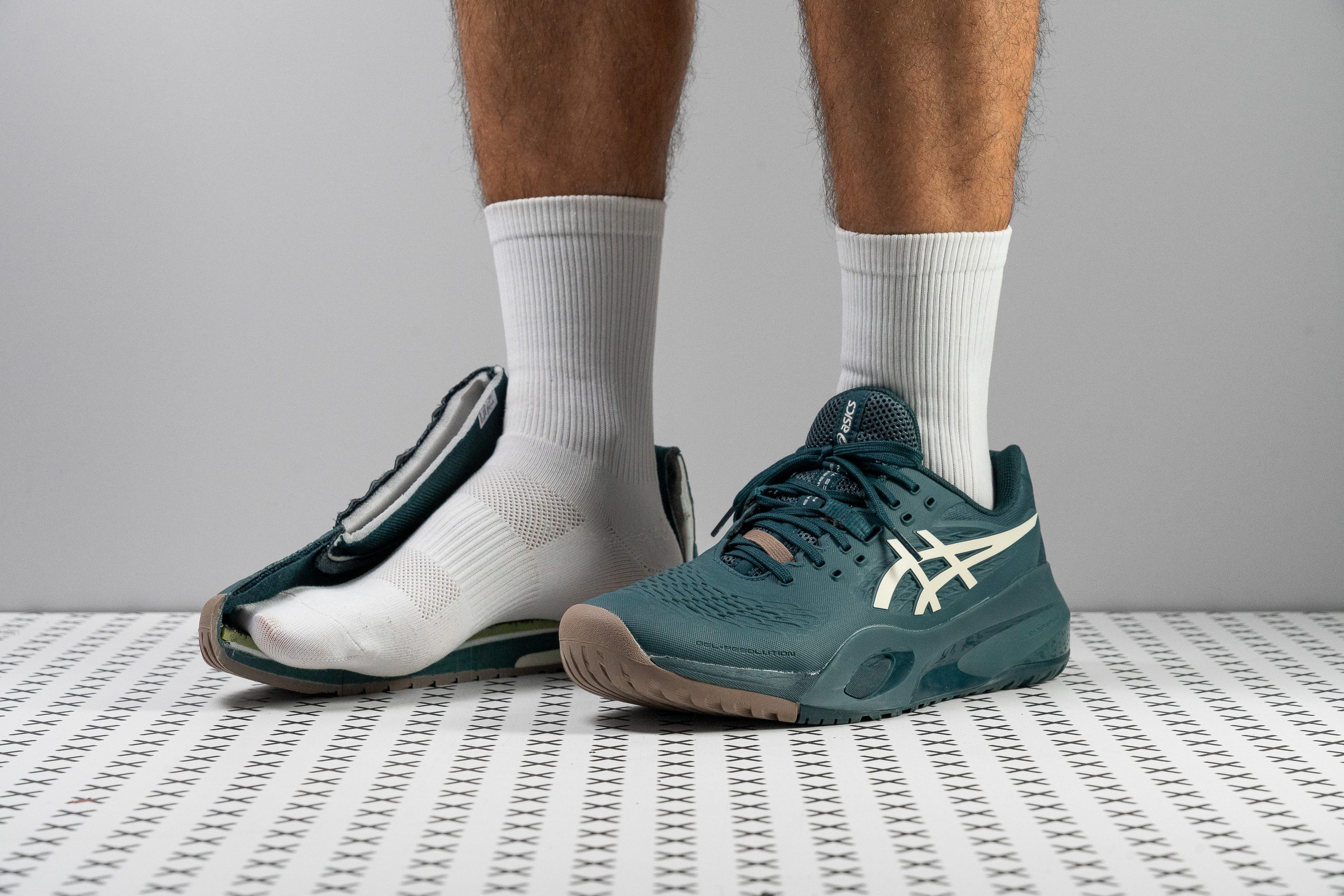
Setting up a testing plan and sample preparation
A clear plan keeps labs and factories aligned. Follow these steps to set up tests so you can learn how to test sneaker durability before mass production without surprises.
- Define product goals
- Set target life (miles or uses) and expected wear.
- Choose standards
- Pick ASTM, ISO, or industry protocols as baselines.
- Select samples
- Test 6–12 samples per run for reliable data.
- Prepare samples
- Condition to standard temperature and humidity.
- Label with batch, date, and construction notes.
- Schedule runs
- Run initial tests on prototypes.
- Repeat tests with production tooling and materials.
A disciplined plan makes data actionable and repeatable. Labs can only help if the sample prep is correct.

Laboratory and mechanical tests explained
Labs provide repeatable stress that mimics years of use. Here’s how to run the main mechanical tests you need to understand how to test sneaker durability before mass production.
- Flex fatigue machines
- Bend the shoe at forefoot and heel junction thousands of cycles.
- Watch for cracks at seams or sole separation.
- Abrasion testers
– Use standardized rub patterns and abrasive media.- Report mass loss or depth wear.
- Tensile testers
- Pull materials at a controlled rate.
- Record peak force and elongation.
- Creep and compression testers
- Apply sustained load to midsole foams.
- Measure permanent set after cycles.
Common PAA questions
What’s the minimum sample size for reliable lab tests?
Use at least 6 samples per test to catch obvious defects; 10–12 gives better statistical confidence.
How many cycles should a flex test run for daily sneakers?
Aim for 50,000 to 100,000 cycles to simulate many months of heavy use; adjust higher for performance models.

Real-world wear testing and field trials
Lab tests are critical. Real wear gives context. Combine both when you test how to test sneaker durability before mass production.
- Short pilot drops
- Send 30–100 pairs to target users for 4–12 weeks.
- Collect photos, wear logs, and ratings.
- Wear test program
- Define tasks: run, walk, gym, commute.
- Use activity trackers if precise load data is needed.
- Return analysis
- Track failure mode and time-to-failure.
- Compare field failures with lab results.
Real-world trials often find issues labs miss. Use both to build a full durability picture.
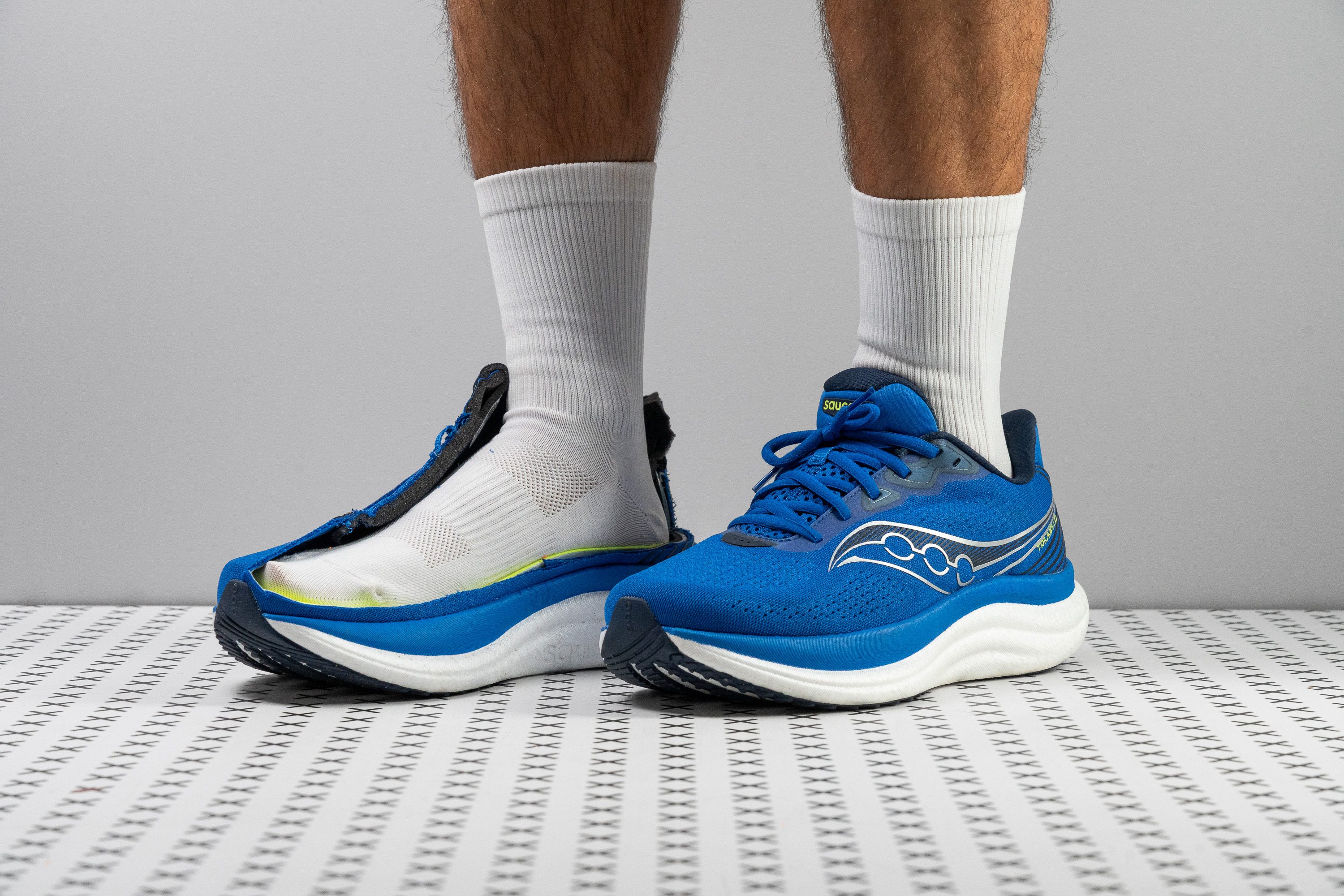
Analyzing results and setting pass/fail criteria
Data without criteria is noise. Here’s how to convert test numbers into go/no-go decisions for mass runs and how to test sneaker durability before mass production.
- Define key metrics
- Cycle counts to failure, mass loss, peel strength, compression set.
- Set thresholds by use case
- Lifestyle shoes: moderate thresholds.
- Performance shoes: stricter targets.
- Use statistical control
- Track mean and variance across runs.
- Require production batches to meet lower control limits.
- Document failure modes
- Categorize problems and root cause notes.
- Feed corrections back to design or tooling.
Keep criteria realistic. Overly strict targets can delay launch. Too loose risks returns.
Scaling tests to mass production and quality control
Testing for prototypes is one step. Scaling tests keeps every batch consistent. Learn how to test sneaker durability before mass production at scale.
- Incoming material checks
- Test raw rubber, foams, and fabrics on every new lot.
- Process validation
- Run full tests on first-run batches from each factory.
- Sample audit plan
- Pull samples from each production run for lab checks.
- Continuous monitoring
- Track field returns and link failures to lots.
- Supplier scorecards
- Rate and audit suppliers based on test performance.
A system that links lab tests, audits, and returns builds trust and lowers risk.

Cost, timing, and practical tips
Budget and time shape what you can test. Here are practical tips to balance speed, cost, and accuracy while you learn how to test sneaker durability before mass production.
- Start small
- Run focused tests on critical components first.
- Prioritize high-risk areas
- Outsole, midsole foam, seams, and adhesives.
- Use in-house rigs for early checks
- Simple flex jigs and abrasion wheels catch obvious failures.
- Outsource complex tests
- Use certified labs for standardized and repeatable data.
- Plan lead time
- Lab tests plus iterations add 4–12 weeks to development.
Practical trade-offs keep your launch on schedule and your product reliable.

Personal experience and lessons learned
I once moved from ad-hoc checks to a formal durability program. Early on, a casual outsole test missed a midsole delamination. We retooled the adhesive, added peel tests, and set a 50,000-cycle flex target. The next launch cut returns by 35%. Key lessons I learned:
- Test early and often. Small checks prevent big fixes later.
- Match tests to use case. Don’t over-test a casual slip-on.
- Treat field data as gospel. Players use shoes differently than lab machines.
- Keep clear records. That made root cause faster to find.
When you focus on how to test sneaker durability before mass production, you can turn tests into better products and fewer surprises.
Frequently Asked Questions of how to test sneaker durability before mass production
How many pairs should I test before mass production?
Test at least 6–12 samples per test type for mechanical tests and 30–100 pairs for field pilots to capture user variance.
Which tests are most predictive of real-world failure?
Flex fatigue, abrasion, and peel/adhesion tests often predict common failures like sole separation and upper wear.
Can in-house tests replace certified labs?
In-house tests are useful early. Certified labs provide standardized, reproducible data needed for supplier disputes and certifications.
How long do durability tests usually take?
Lab runs can take days to weeks depending on cycles. Field trials typically run 4–12 weeks for meaningful feedback.
What should I prioritize for a lightweight running shoe?
Prioritize midsole compression life, outsole abrasion, and upper seam strength. These areas impact performance and safety most.
Conclusion
Testing durability before wide release protects your brand and customers. Focus on targeted lab tests, real-world trials, and strong acceptance criteria to learn how to test sneaker durability before mass production effectively. Start with clear goals, test small and often, and use both lab and field data to guide decisions. Take action today: set a simple test plan for your next prototype, collect data, and refine before full production. Share your testing wins or questions below and subscribe for more practical footwear guidance.

Rubel Miah is the Senior Editor at MyStyleGrid.com, where he brings a sharp editorial eye and an unshakable love for fashion to everything he does. A true style addict, Rubel lives and breathes trends, from streetwear to high fashion, and has a knack for turning inspiration into impactful stories. With years of experience in fashion journalism and digital media, he curates content that empowers readers to express themselves through style. When he’s not editing features or forecasting the next big thing, you’ll find him hunting down vintage pieces or capturing street style moments around the city.