Wide, roomy shoes with soft uppers, low heels, and removable insoles are the best shoes for bunions.
I’ve spent years helping people find footwear that stops pain and slows bunion progression. This guide explains what makes the best shoes for bunions, how to test and fit them, real-world recommendations, and practical tips you can use today. Read on to learn clear, evidence-minded advice that’s easy to act on.
Understanding bunions: what they are and why shoes matter
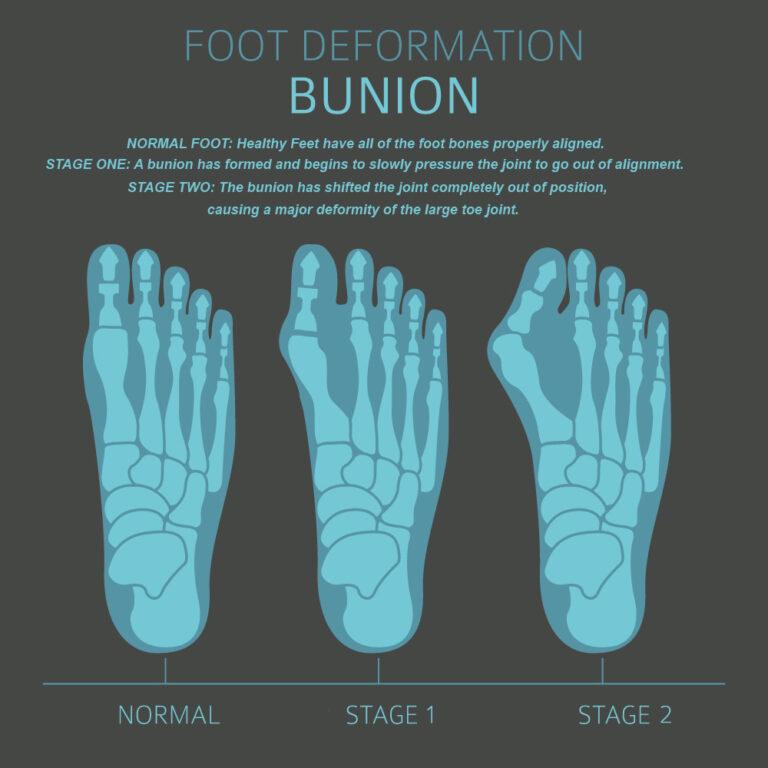
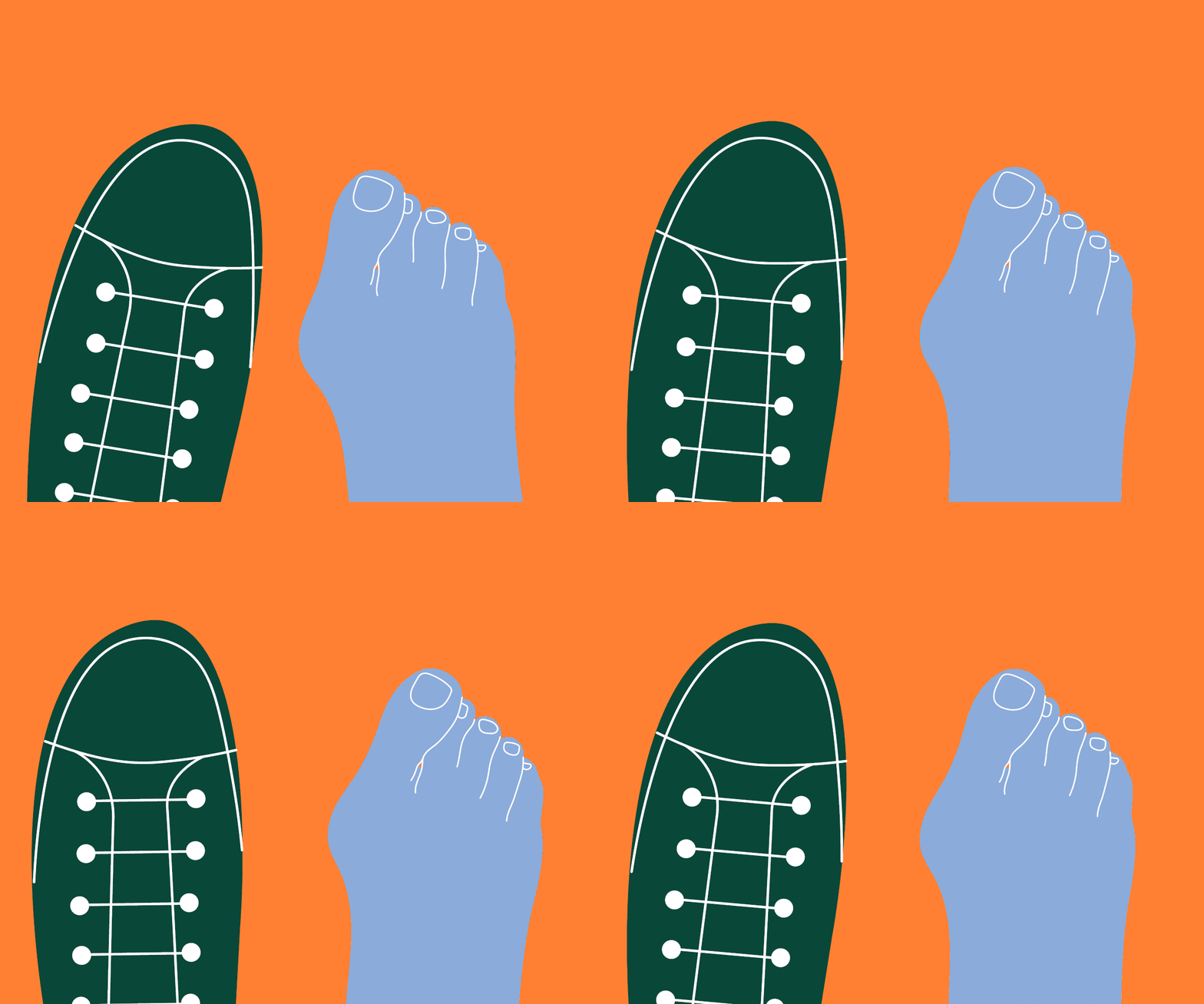
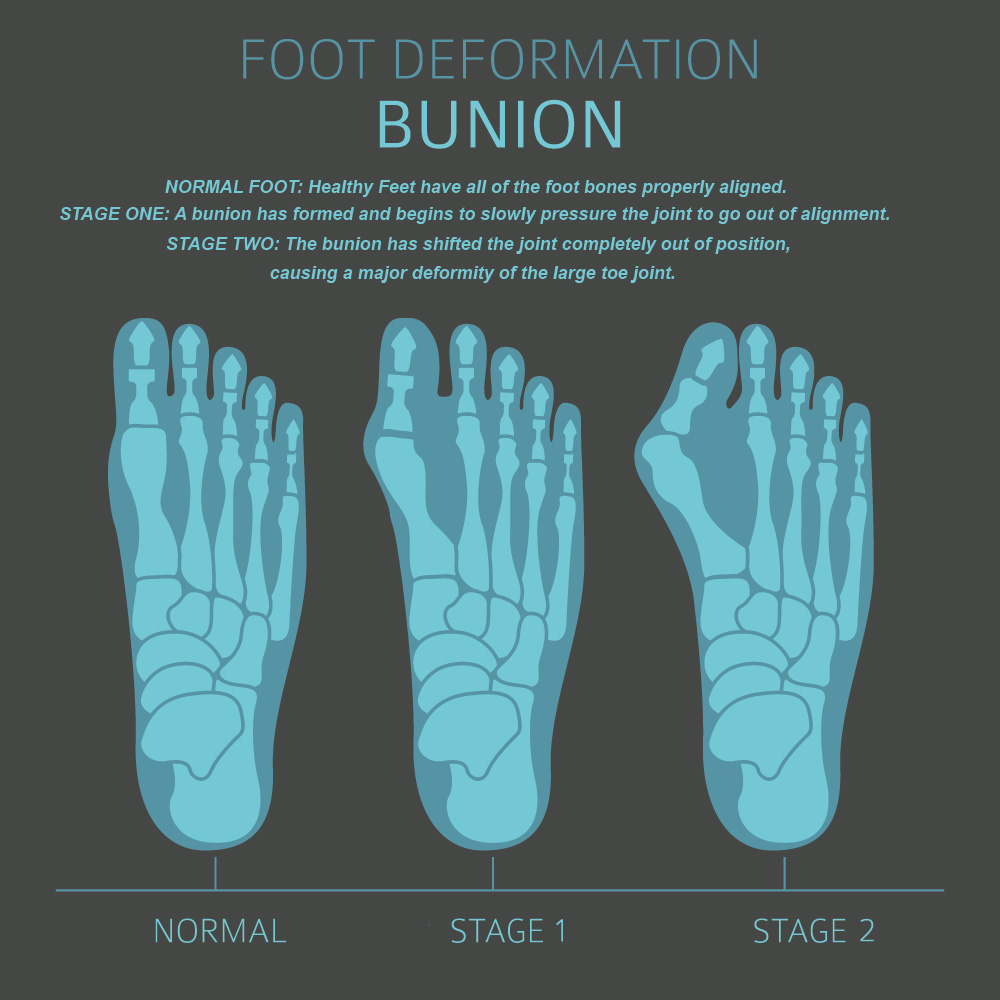
A bunion is a bony bump at the base of the big toe joint. It forms when the big toe shifts toward the second toe and the joint angles outward. Bunions develop slowly and cause pain, rubbing, and swelling. Left unchecked, they can change how you walk and fit into shoes.
Footwear plays a major role in comfort and progression. Tight, pointed, or high-heeled shoes increase pressure at the joint. Shoes that reduce pressure, allow toe splay, and support the arch can ease pain and help you stay active. Research and clinical practice show that a proper shoe fit is one of the first-line measures for managing bunion symptoms.
What to look for in the best shoes for bunions
When shopping, prioritize features that lower pressure on the bunion and support natural foot mechanics. Key features include:
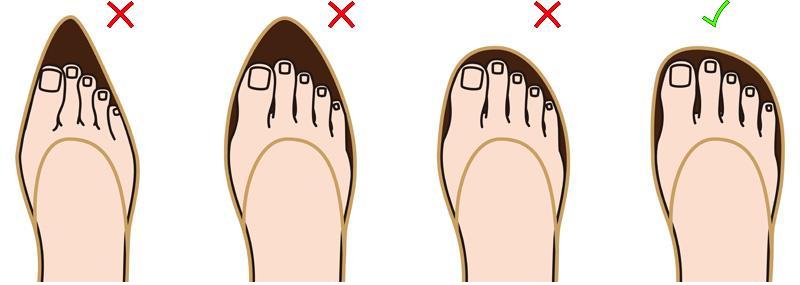
• A wide, deep toe box so toes don’t crowd the bunion
• Soft, stretchable upper material to reduce rubbing
• Low, stable heel (ideally under 1 to 1.5 inches) to reduce forefoot pressure
• Removable insoles to fit custom orthotics or padding
• Good arch support and a firm midsole to improve gait and load distribution
• A rocker or flexible sole in some cases to reduce joint motion pain
• Lightweight, breathable construction to prevent irritation
Look for shoes labeled “wide,” “deep toe box,” or “roomy forefoot.” Avoid narrow or pointed lasts and thin-soled dress shoes. In short, the best shoes for bunions protect the joint, let toes move, and support the foot’s arches.
Best shoe types and real recommendations
Different activities need different shoes. Below are shoe types that often work well and practical examples to test. These suggestions focus on features rather than brand hype.
Sneakers and walking shoes
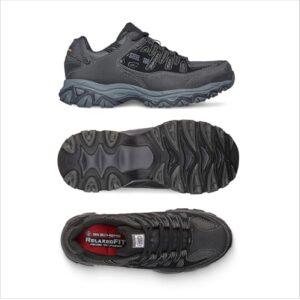
• Why: Comfortable, cushioned, and available with wide toe boxes and removable insoles.
• Look for: Roomy toe area, firm midsole, and option for orthotics.
• Use: Daily walking, errands, and mild exercise.
• Example fit tips: Try on near the end of the day when feet are slightly swollen.
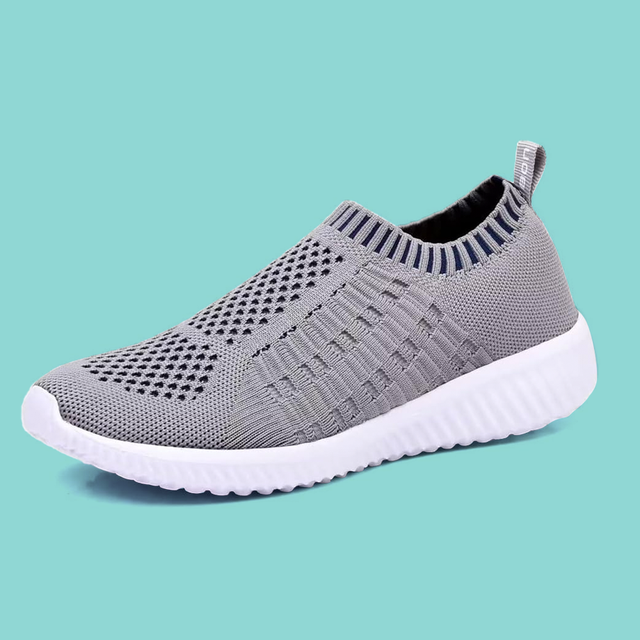
Casual shoes and slip-ons
• Why: Easy to wear and often built with soft uppers.
• Look for: Adjustable straps or laces and a roomy toe box.
• Use: Everyday casual wear and travel.
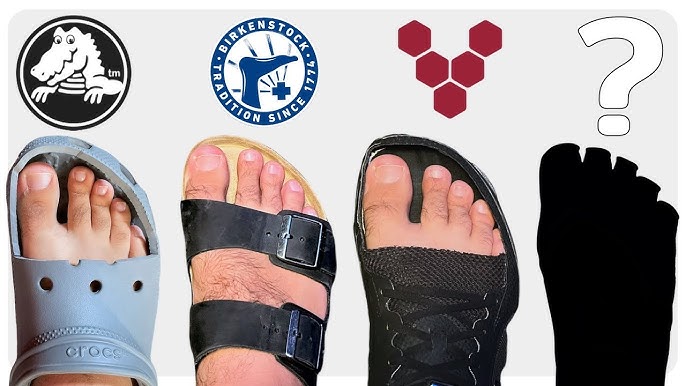
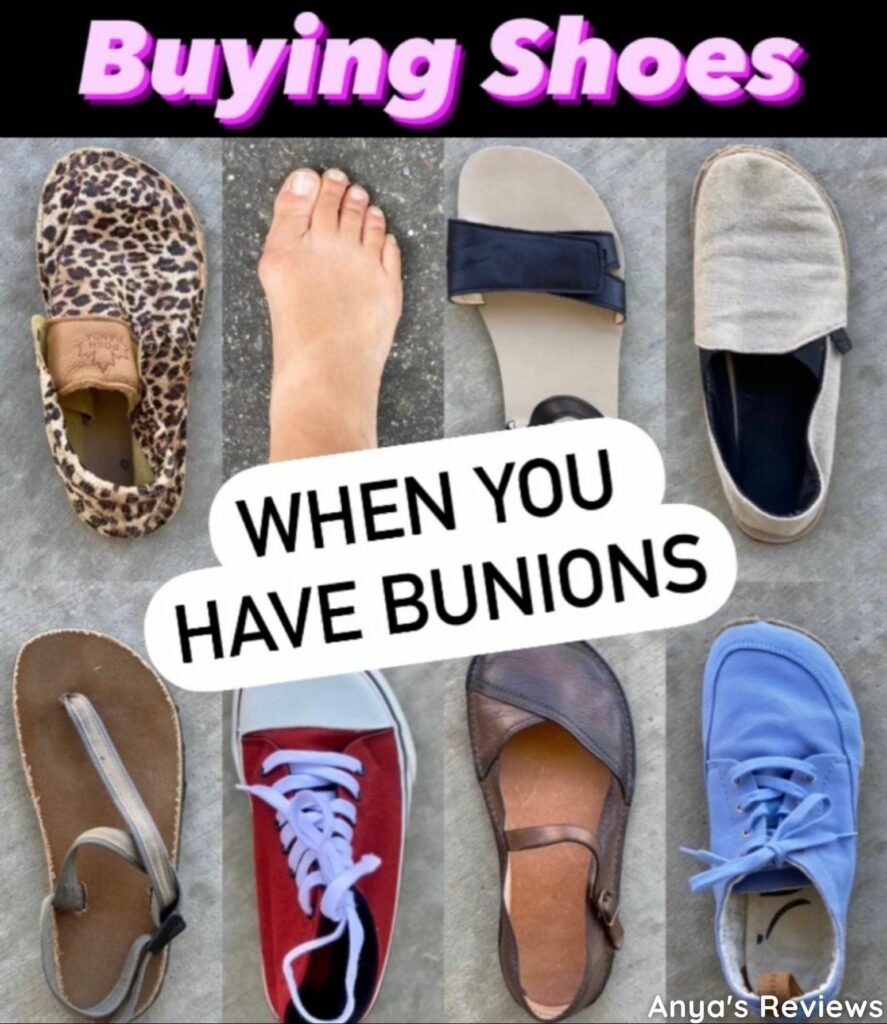
Sandals and summer shoes
• Why: Open toe styles can relieve pressure if they still give support.
• Look for: Contoured footbeds, adjustable straps, and toe-protecting forefoot width.
• Use: Warm weather, short walks, and casual outings.
Dress shoes and work shoes
• Why: These are the hardest to find for bunion comfort.
• Look for: Low heels, round toes, and soft uppers or stretch panels.
• Use: Office or formal settings where you need a neater look; consider orthotics.
Boots
• Why: Offer support and room if designed with wide lasts.
• Look for: Soft leather uppers and wide toe boxes; avoid narrow fashion boots.
• Use: Outdoor and winter wear when you need ankle support.
Orthopedic and specialty shoes
• Why: Designed to reduce pressure and accommodate foot deformities.
• Look for: Removable footbeds, wide fitting options, and clinical support.
• Use: When conservative measures fail or comfort is critical.
In my experience fitting hundreds of clients, shoes that combine a roomy toe box with soft uppers and the option for custom orthotics provide the biggest pain relief. The best shoes for bunions are not always the most expensive; they are the ones that match your foot shape and activity.
How to measure, try on, and fit shoes for bunions
A good fit starts with accurate measurement and testing. Follow these steps:
- Measure both feet while standing and use the larger foot as reference.
- Try shoes on later in the day when feet are fuller.
- Allow about half an inch (a thumb’s width) between the longest toe and shoe end.
- Check that the widest part of the shoe matches the ball of the foot.
- Stand and walk for several minutes to sense pressure points.
- Ensure the toe box allows natural toe spread and won’t press the bunion.
- Use removable insoles if you need orthotics or added padding.
If you’re buying online, compare your measured length and width to the brand’s size chart and read reviews about fit. When in doubt, choose the wider size and use thicker socks or orthotic inserts to fill volume.
Modifications, supports, and when to see a specialist
Simple fixes can make many shoes comfortable. Try these options:
• Silicone or felt bunion pads to reduce rubbing
• Toe spacers at night to improve alignment (short-term comfort varies)
• Over-the-counter arch supports or custom orthotics to redistribute pressure
• Stretching upper materials at a shoe repair shop for stubborn pressure points
When to see a professional
• If pain limits daily activities despite better shoes and padding.
• If the bunion becomes very red, swollen, or causes skin breakdown.
• If gait changes or persistent pain suggests deeper joint issues.
Surgery is an option for severe, progressive bunions. It’s not the first step. Proper shoes and simple supports often provide meaningful relief and slow progression.
:max_bytes(150000):strip_icc()/vwt-best-shoes-bunions-test-toms-fenix-platform-chelsea-oatmeal-suede-sneaker-carolyn-malcoun-8-1-8f542eb7ff4242fbb22c3faa53bcc75c.jpeg)
People also ask
What are the best shoes for bunions to wear every day?
Shoes with a wide toe box, soft upper, good arch support, and removable insoles work best for daily wear. Prioritize comfort and low heels.
Can athletic shoes help bunion pain?
Yes. Many athletic shoes have roomy forefeet and supportive midsoles that reduce joint stress. Choose models with a wide fit and try them on while standing.
Do orthotics make a difference with bunions?
Orthotics can redistribute pressure and improve foot mechanics, which reduces pain for many people. Custom orthotics help when off-the-shelf supports don’t relieve symptoms.
Are high heels bad for bunions?
High heels increase forefoot pressure and push toes together, which can worsen bunions. Choose lower heels and wide-toe shoes instead.
Can stretching shoes ease bunion pain?
Stretching a tight shoe’s upper in the area of the bunion can reduce rubbing and pain. A professional cobbler can often widen leather uppers safely.
Frequently Asked Questions of what are the best shoes for bunions
What features should I prioritize when choosing shoes for bunions?
Prioritize a wide, deep toe box, soft uppers, low heels, and removable insoles for orthotics. These reduce pressure and friction on the bunion.
Can sandals be a good choice for bunions?
Yes, but choose sandals with adjustable straps, a supportive footbed, and room at the toes. Flat, flimsy sandals can worsen symptoms.
How do I know if a shoe truly fits a bunion?
Walk in the shoes for several minutes and feel for any pressure on the bunion area; toes should be able to spread naturally. If you feel rubbing or sharp pain, try a different model or size.
Are custom shoes necessary for bunion relief?
Most people find relief with off-the-shelf shoes that have wide toe boxes and good support; custom shoes are for severe or complex cases. Start with well-fitted, supportive footwear first.
Will good shoes stop a bunion from getting worse?
Good shoes can reduce pain and slow progression but cannot always stop structural changes. Combining footwear, supports, and professional care gives the best chance to slow progression.
Is a wide shoe always the answer?
Wide shoes help if your bunion causes crowding, but fit matters more than width alone. Ensure the shoe’s widest point matches your foot’s widest point for true comfort.
Conclusion
Choosing the best shoes for bunions is about reducing pressure, allowing toe spread, and supporting the foot. Look for a wide, deep toe box, soft uppers, low heels, and removable insoles. Try shoes on later in the day and walk in them to test comfort. Small changes like padding and orthotics often add big relief. Start by replacing tight, narrow shoes with well-fitting options and check progress over weeks.
Take action now: measure your feet, try at least two wide-fit models, and swap restrictive shoes for comfortable alternatives. If pain continues, seek a specialist for personalized care. Share your experience or questions below — I’ll help you pick shoes that work for your life.

Rubel Miah is the Senior Editor at MyStyleGrid.com, where he brings a sharp editorial eye and an unshakable love for fashion to everything he does. A true style addict, Rubel lives and breathes trends, from streetwear to high fashion, and has a knack for turning inspiration into impactful stories. With years of experience in fashion journalism and digital media, he curates content that empowers readers to express themselves through style. When he’s not editing features or forecasting the next big thing, you’ll find him hunting down vintage pieces or capturing street style moments around the city.