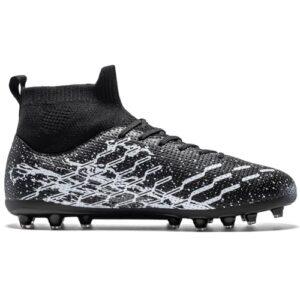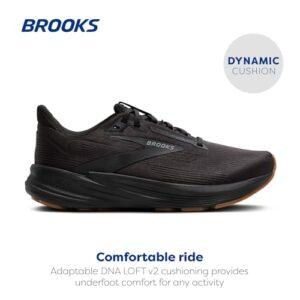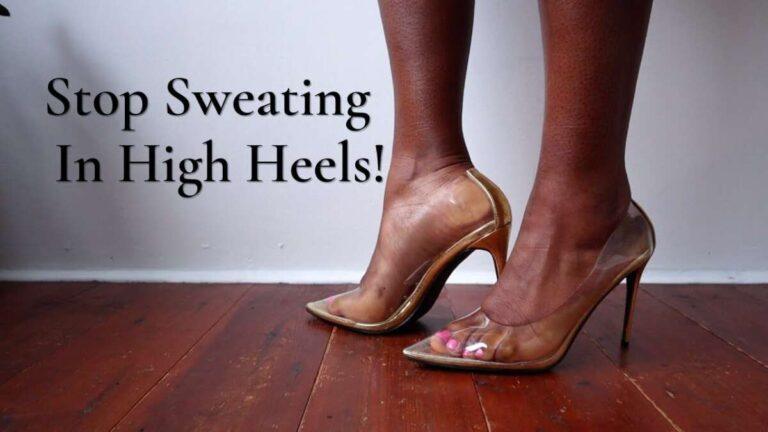
Wear breathable shoes, moisture-wicking socks, foot antiperspirant, and rotate footwear daily.
I’ve helped dozens of people and tried many fixes for how to stop feet from sweating in shoes. I write from hands-on experience and research. This guide explains causes, quick fixes, daily habits, product picks, medical options, and mistakes to avoid. Read on to get clear, usable steps you can test today to reduce sweat, odor, and shoe damage.
Why feet sweat in shoes
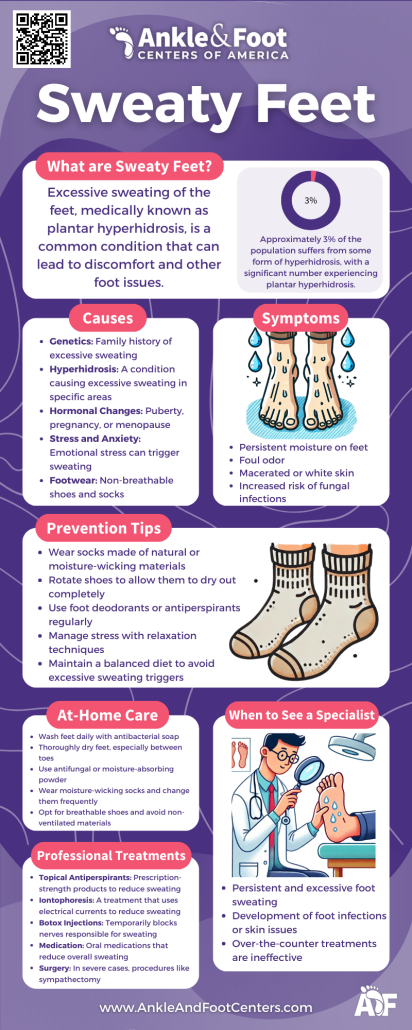
Feet sweat to cool the body. Sweat glands in the feet are dense. When feet are trapped in nonbreathable shoes, moisture builds quickly.
Common triggers include heat, activity, stress, and tight shoes. Medical issues can make sweating worse. Understanding causes helps pick the right fix for how to stop feet from sweating in shoes.

Immediate fixes to reduce sweating and odor
Try these fast steps when you need relief now.
- Apply a dry antiperspirant to clean, dry feet at night and again in the morning. This blocks sweat glands temporarily.
- Change into fresh, moisture-wicking socks. Cotton holds sweat. Synthetic or wool blends move moisture away from skin.
- Use foot powder or cornstarch inside socks and shoes to absorb moisture and reduce friction.
- Swap to ventilated or open shoes when possible. Let shoes dry fully between wears.
- Place disposable moisture-absorbing inserts or silica packs in shoes overnight to pull out dampness.
These methods are useful when you need a quick fix for how to stop feet from sweating in shoes. Test one change at a time to find what helps you most.

Daily routine and prevention
A consistent routine prevents sweat buildup and odor.
- Wash feet daily with mild soap and dry well, including between toes. Dry skin reduces bacteria.
- Rotate shoes so each pair gets 24 to 48 hours to air out. This cuts moisture that keeps bacteria alive.
- Wear socks made for activity or wool blends. Replace socks mid-day if they get soaked.
- Trim toenails and manage calluses. Rough skin traps moisture and odor-causing bacteria.
- Let shoes breathe by removing insoles after use and storing shoes in a cool, dry spot.
Stick to a simple routine. Small daily habits are often the best long-term answer for how to stop feet from sweating in shoes.

Best products and materials that help
Choosing the right gear makes a big difference.
- Socks to look for
- Merino wool blends that wick moisture and resist odor.
- Polyester-based performance socks that pull sweat away.
- Shoe materials
- Leather and mesh breathe better than synthetic plastics.
- Avoid fully plastic or vinyl interiors for everyday wear.
- Insoles and liners
- Moisture-wicking or charcoal-lined insoles reduce dampness and odors.
- Replace or wash insoles every few weeks.
- Topical products
- Over-the-counter foot antiperspirants with aluminum chloride work well.
- Antifungal powders help if athlete’s foot is present.
Choosing the right socks, shoes, and insoles is a core part of stopping sweat in shoes. Try a combo of materials that fit your lifestyle and climate.
Medical causes and clinical treatments
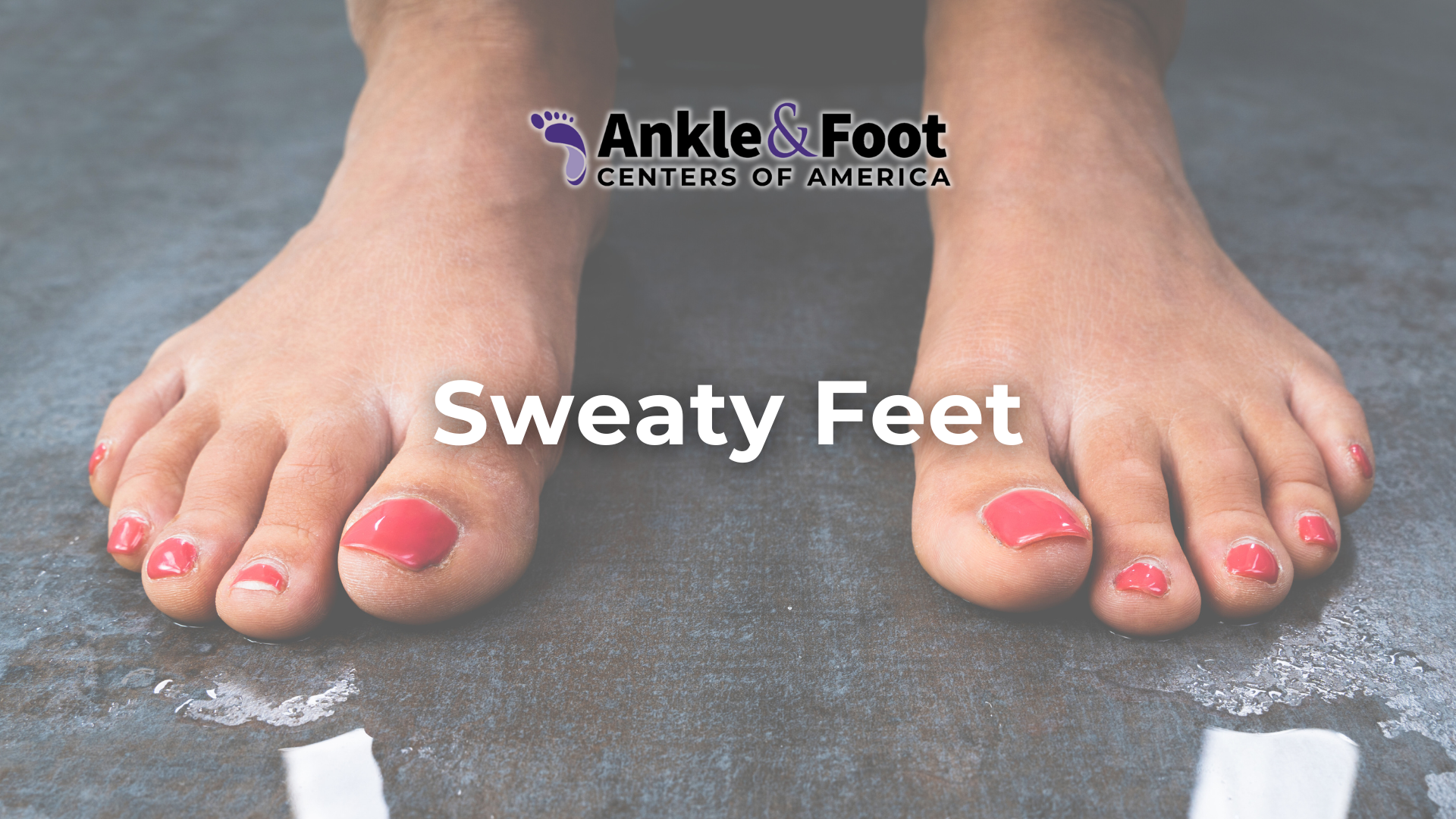
Sometimes foot sweat needs medical care.
Common medical causes
- Primary focal hyperhidrosis, where sweat glands overreact.
- Infections like athlete’s foot can increase moisture and odor.
- Medications and hormonal conditions can worsen sweating.
Clinical options
- Prescription antiperspirants with higher aluminum chloride concentration.
- Iontophoresis, which uses a mild electrical current to reduce sweat.
- Botox injections to block sweat nerves for several months.
- Oral medications that reduce sweating but can carry side effects.
- Endoscopic thoracic sympathectomy, a rare surgery for severe cases, with notable risks.
If home measures fail, see a doctor. They can test for hyperhidrosis and suggest treatments based on severity and risk.

Practical tips, mistakes to avoid, and my personal experience
Here’s what I learned after testing many fixes and helping friends.
What worked for me
- Switching to merino blend socks cut dampness and smell in half.
- Nighttime antiperspirant use with shoe rotation stopped most daily wetness.
- Using silica packs in shoes sped up drying.
Common mistakes
- Relying only on sprays that mask odor. They don’t stop sweat.
- Wearing cotton socks for long walks. Cotton stays wet and breeds bacteria.
- Not rotating shoes. Wearing the same pair two days in a row keeps them damp.
Try one change each week. Track how your feet feel. Small wins stack up and teach you how to stop feet from sweating in shoes for good.
Practical PAA-style questions
Will foot antiperspirant stain shoes?
Applying antiperspirant to feet rarely stains shoes. Let it dry fully before putting on socks to avoid residue transfer.
Can thicker socks reduce sweating?
Thicker socks can trap heat and make sweat worse. Choose moisture-wicking thickness rather than bulk.
Do shoe sprays kill odor-causing bacteria?
Some sprays reduce bacteria short-term. They rarely fix chronic sweating but help with smell between washes.
How long should shoes air out?
Aim for 24 to 48 hours between wears. That gives time for moisture to evaporate and bacteria levels to drop.
Are socks enough to stop sweating?
Socks help a lot but often need to be paired with breathable shoes and good foot care for best results.

Frequently Asked Questions of how to stop feet from sweating in shoes
How quickly will antiperspirant work on my feet?
Most people notice reduced wetness within a few days of regular use. Nighttime application tends to be most effective.
Can changing shoes stop sweating completely?
Changing shoes helps a lot but may not stop sweating entirely if you have a medical condition. Rotation and breathable materials reduce dampness and odor.
Are there home remedies that really work?
Simple home remedies like foot soaks, antiperspirant use, and powder can work for many people. Severe cases need medical treatment.
Is hyperhidrosis the only reason feet sweat a lot?
No. Hyperhidrosis is a common cause, but infection, hormone changes, medications, and heat can also increase sweating.
When should I see a doctor about sweaty feet?
See a doctor if sweating is constant, interferes with your life, causes skin infections, or doesn’t improve with home care.
Conclusion
You can make big progress on how to stop feet from sweating in shoes with focused steps. Start with breathable shoes, moisture-wicking socks, good foot hygiene, and rotation. Use antiperspirants or clinical treatments if needed. Track small changes and keep what works. Try one new habit this week and note the difference.
Take action today: test one tip from this guide, or leave a comment about what worked for you.

Rubel Miah is the Senior Editor at MyStyleGrid.com, where he brings a sharp editorial eye and an unshakable love for fashion to everything he does. A true style addict, Rubel lives and breathes trends, from streetwear to high fashion, and has a knack for turning inspiration into impactful stories. With years of experience in fashion journalism and digital media, he curates content that empowers readers to express themselves through style. When he’s not editing features or forecasting the next big thing, you’ll find him hunting down vintage pieces or capturing street style moments around the city.