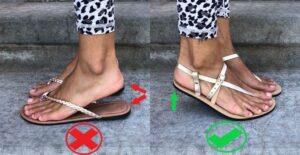
Most people need wide shoes when their toes feel cramped, pain appears, or shoes leave marks.
If you've ever wondered "do i need wide shoes," you're in the right place. I write about foot health and footwear after years of helping people find shoes that fit and feel good. This guide explains what wide shoes are, how to tell if you need them, how to measure, and which styles work best. Read on to make smarter choices and stop guessing whether do i need wide shoes applies to you.

Why foot width matters
Your foot width affects comfort, balance, and long-term foot health. A shoe that is too narrow pinches soft tissue. That can change how you walk and lead to pain in the feet, knees, hips, or back. When people ask do i need wide shoes, they often mean they want relief from pressure or recurring problems.
Foot bones and soft tissue vary a lot between people. Shoes are not one-size-fits-all. Choosing the right width preserves foot shape and reduces injury risk. Podiatrists often stress fit as much as shoe type for healthy feet.

Signs you need wide shoes
Look for these clear signs that answer do i need wide shoes for you:
- Toes feel cramped or overlap after walking
- Red marks, blisters, or calluses on the outside or top of toes
- Pain across the ball of the foot or persistent forefoot soreness
- Shoes feel tight even when the length fits
- Your foot bulges over the edge of the shoe
- Frequent bunions or corn development that worsen in narrow shoes
If several of these match your experience, do i need wide shoes is likely a question with a yes answer. Start by measuring and trying wider options.

Common causes for needing wide shoes
Understanding why you might ask do i need wide shoes helps find the right fix:
- Natural foot shape: genetics produce wider forefeet for many people
- Age-related changes: feet often widen with time and flatten slightly
- Pregnancy: fluid retention and weight shifts can broaden feet
- Medical issues: diabetes, edema, arthritis, or bunions change foot width
- Activity and weight changes: higher load or certain sports can affect foot shape
Recognizing the cause helps select a style that works now and adapts over time.
Benefits of wearing wide shoes
Choosing the right width offers clear gains if you wonder do i need wide shoes:
- Better comfort and less pain during daily activities
- Improved circulation and fewer pressure spots
- Reduced risk of blisters, calluses, and toe deformities
- Enhanced stability when the foot sits naturally in the sole
- Longer shoe life because there is less stress on seams and materials
These benefits are practical and noticeable within days of switching.

How to measure foot width and find the right fit
Follow a simple, reliable process to decide if do i need wide shoes applies to you:
- Gather materials
- Paper, pen, ruler, and a chair.
- Trace your foot
- Place the paper on a flat floor. Stand with weight on the foot and trace the outline.
- Measure width
- Measure the widest part of the tracing. Record the number in inches or centimeters.
- Compare to shoe sizing charts
- Use brand width charts. Many brands label widths as B, D, EE, or W. Each brand differs slightly.
- Try shoes later in the day
- Feet swell with activity. Try shoes in the afternoon for best fit.
- Walk and test
- Walk 5–10 minutes. Check for pressure, slipping, or rubbing.
If measurements or feel suggest your foot needs more room, that answers do i need wide shoes.

Choosing styles, materials, and features
Not all wide shoes are the same. When evaluating options for do i need wide shoes, look for:
- Roomy toe box
- Allows toes to splay and reduces pressure.
- Soft, stretchable materials
- Knit or soft leather adapts to foot shape.
- Adjustable closures
- Laces or straps let you fine-tune fit across the arch.
- Supportive sole and arch
- Wide doesn’t mean unstable; look for good midsole support.
- Removable insoles
- Allow space for custom orthotics when needed.
Try multiple models. A wide sneaker differs from a wide dress shoe. Comfort and support should both be present.
When wide shoes are not the answer
Wide shoes help many people, but they are not always the solution if you ask do i need wide shoes:
- Too loose fit can cause slipping and blisters
- Overly wide soles might reduce lateral support for sports
- If foot length, not width, is the issue, a longer shoe may be better
- Structural foot instability may require orthotics rather than just width
If you have persistent pain or unusual swelling, consult a podiatrist before making changes.

Personal experience: what I learned helping people choose width
I once worked with a client who insisted a tighter shoe was better for running. They had recurring toe pain and blisters. After measuring and trying a wide-fitting running shoe, their pain dropped within a week. They ran with less fatigue and fewer breaks.
Lessons I learned:
- Measure both feet. One foot is often wider than the other.
- Test shoes in your typical socks and activity.
- Don’t judge fit by brand alone; each maker fits differently.
- Small width changes can make big comfort differences.
If you keep asking do i need wide shoes, try a fitting session and several brands before deciding.

Frequently Asked Questions of do i need wide shoes
How can I quickly tell if I need wide shoes?
If your toes press together, you develop blisters, or shoes leave red marks, you likely need a wider fit. A quick fitting and a trace-measure will confirm it.
Are wide shoes less supportive than regular shoes?
Not necessarily. Many wide shoes include the same arch and midsole support as regular widths. Look for models labeled wide that also note stability when shopping.
Can wearing wide shoes help bunions or hammertoes?
Wider shoes reduce pressure on bunions and toes, easing pain and slowing irritation. They do not reverse structural changes, but they improve comfort.
Will wide shoes make my feet look bigger?
Wide shoes may visually look a bit broader, but they often improve posture and gait. Comfort and health usually outweigh appearance concerns.
Is it possible to make narrow shoes wider?
Some materials can be stretched by a cobbler or with in-store stretching tools. For serious width needs, buying shoes designed in wide sizes is the better choice.
Conclusion
If you have pressure, pain, or visible foot changes, the clear next step is to check whether do i need wide shoes applies to you. Measure, try different brands, and focus on toe room plus support. Small changes in width can produce large gains in comfort and foot health. Take action today: measure your feet, test wide options, or ask a professional fitter at a shoe store. Share your results, subscribe for more tips, or leave a comment about your experience with shoe fit.

Rubel Miah is the Senior Editor at MyStyleGrid.com, where he brings a sharp editorial eye and an unshakable love for fashion to everything he does. A true style addict, Rubel lives and breathes trends, from streetwear to high fashion, and has a knack for turning inspiration into impactful stories. With years of experience in fashion journalism and digital media, he curates content that empowers readers to express themselves through style. When he’s not editing features or forecasting the next big thing, you’ll find him hunting down vintage pieces or capturing street style moments around the city.