Use gentle cleaning, regular conditioning, and dry, cool storage to prevent leather boots cracking.
I have worked with boots for years and helped many owners save prized pairs. This article shows how to protect leather boots from cracking with simple daily habits, smart product choices, and easy repairs. Read on for clear steps, product tips, and real-life lessons that help leather boots last for years.

Why leather boots crack
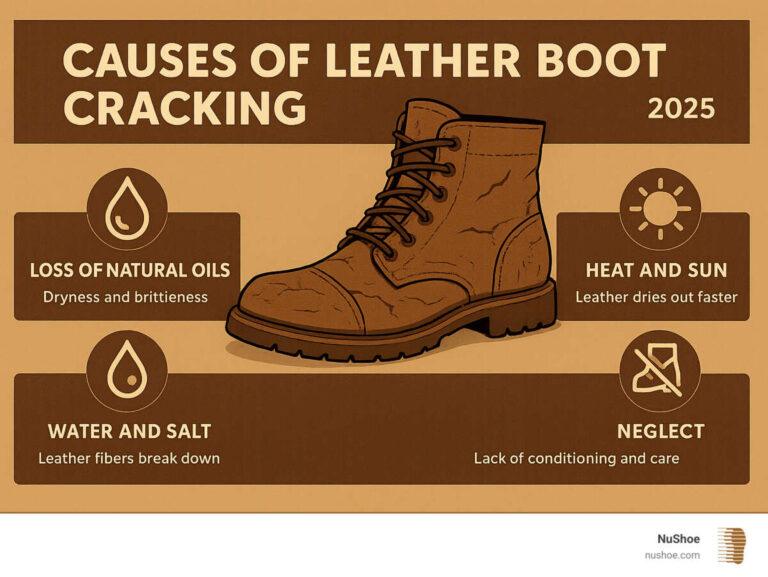
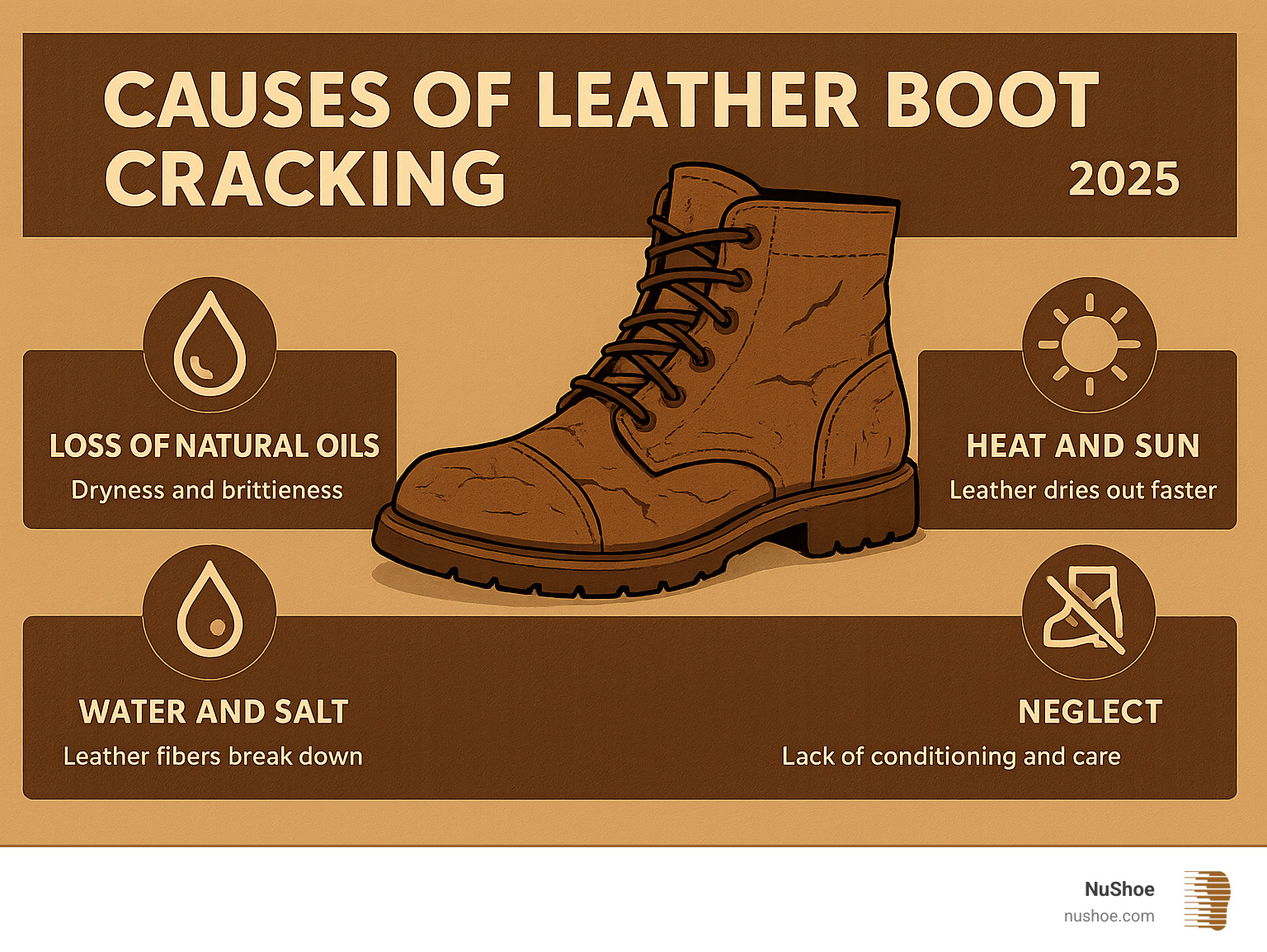
Leather is a natural material. It needs oils and moisture to stay flexible. When leather loses oils or is exposed to heat, salt, or harsh chemicals, it becomes dry and brittle. That dryness is the main reason most people face how to protect leather boots from cracking.
Common causes of cracking
Dryness and loss of natural oils
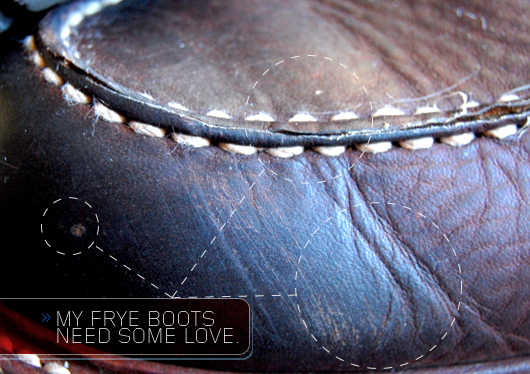
Leather dries out over time. Regular wear and sun exposure strip oils from the hide. If you skip conditioning, leather will harden and form cracks.
Water and salt damage
Water soaks into leather and then evaporates. This removes oils and leaves minerals behind. Road salt in winter speeds up this damage and causes fast cracking.
Heat, sunlight, and extreme cold
Direct sun fades leather and speeds moisture loss. Heat from heaters or dryers can warp and crack leather fast. Freezing conditions make leather stiff and more likely to split.
Poor cleaning and harmful chemicals
Strong soaps, bleach, and household cleaners strip leather. Overuse of waterproof sprays or solvent-based products can weaken the finish. These mistakes lead to damaged fibers that crack easily.
Daily care routine to protect leather boots from cracking
Keep a short and steady routine. Do these steps weekly if you wear boots often.
- Clean off dirt and salt with a soft brush or damp cloth. Wipe gently and let boots air dry.
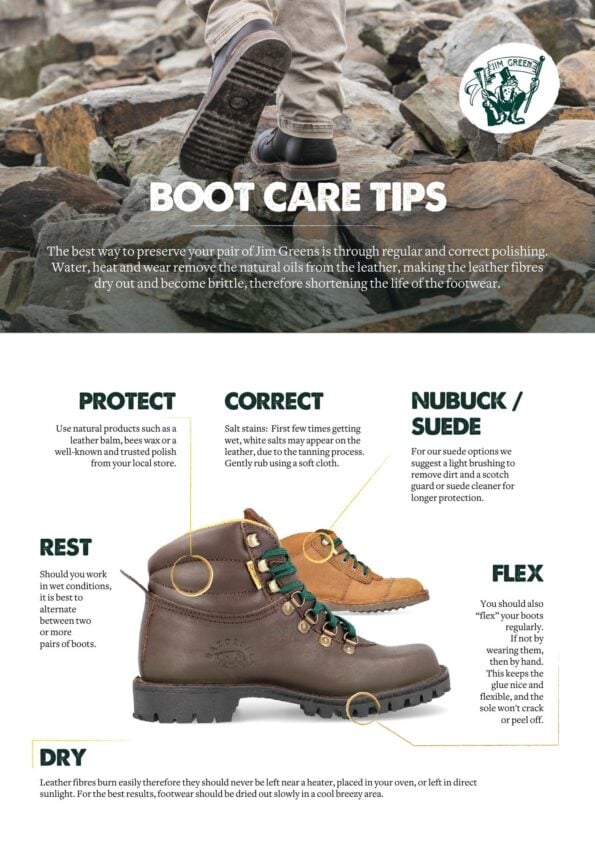
- Condition every 2–6 weeks depending on wear. Use a product made for your leather type.
- Apply a thin, even layer of conditioner. Buff with a clean cloth until the leather looks healthy.
- Use a waterproof spray when weather calls for it. Reapply after heavy rain or snow.
- Rotate boots. Give each pair a day to rest so leather can reabsorb oils and regain shape.
I learned the value of routine the hard way. I once let a favorite pair sit through winter. They cracked along the toe box. Regular care would have stopped that. Now I follow these steps and keep several conditioners on hand.
Deep conditioning and products that work
Choose products with care. Test on an inside seam first.
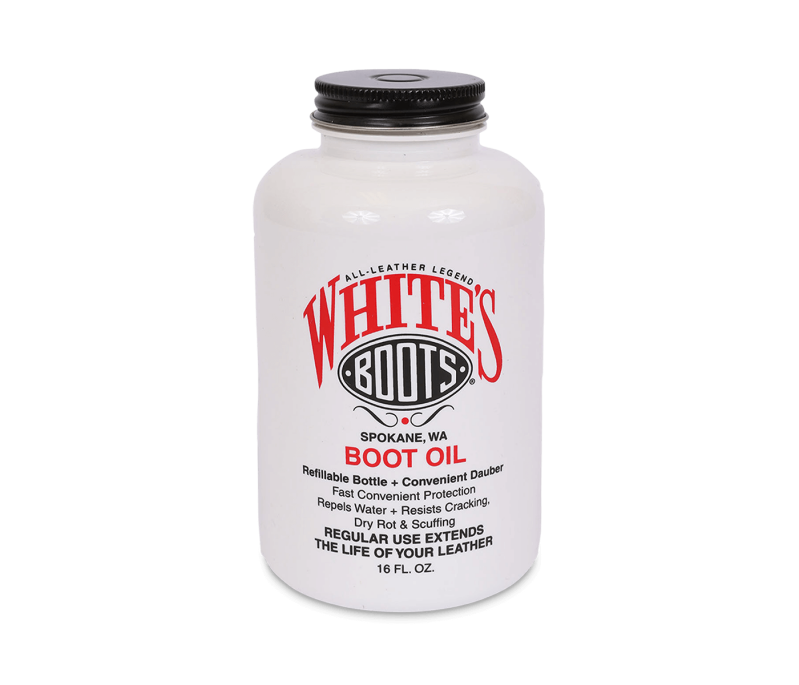
- Leather conditioner: Use a cream or oil-based conditioner for most smooth leathers. It restores oils and keeps fibers supple.
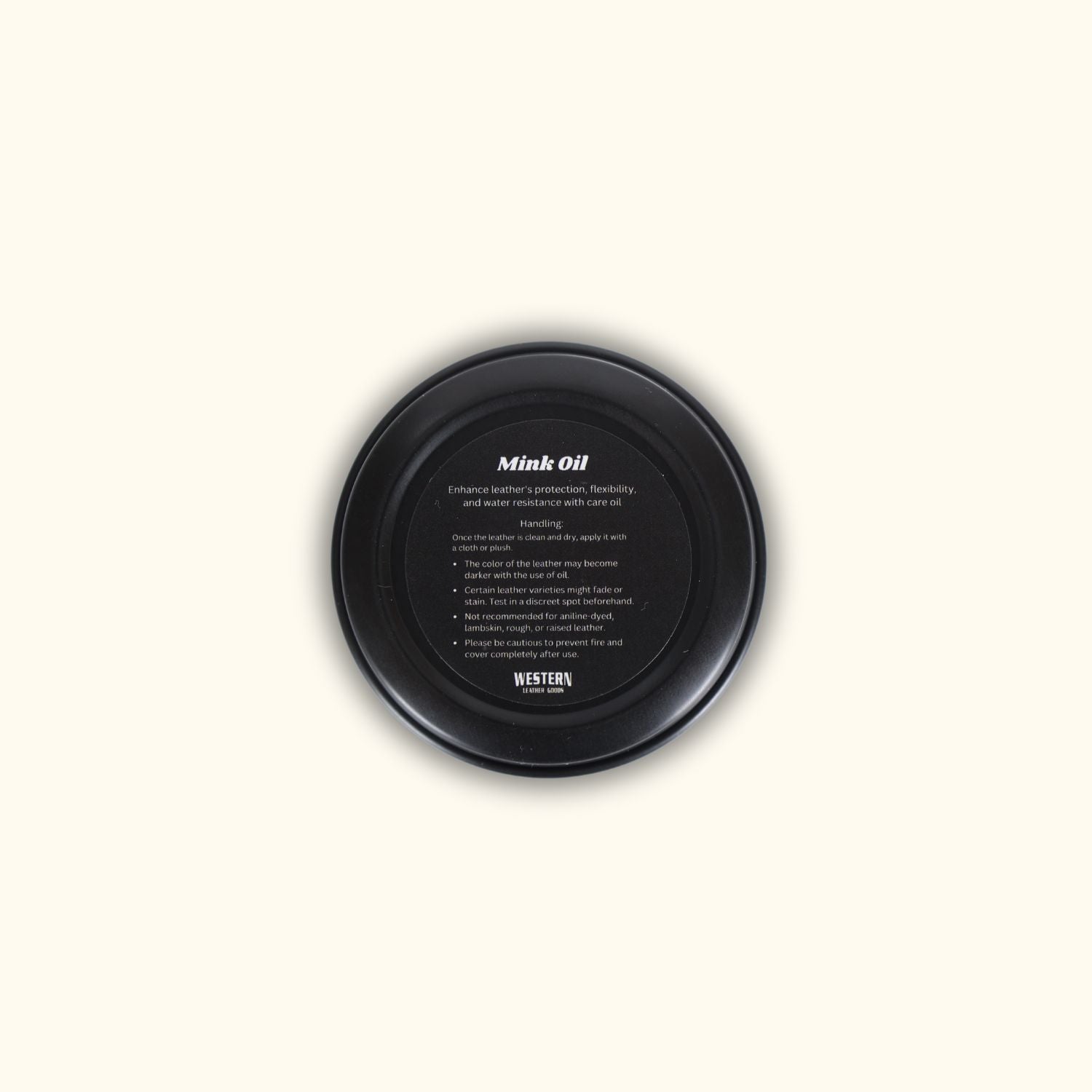
- Mink oil and neatsfoot oil: Good for rugged boots but can darken leather and soften stitching over time. Use sparingly.
- Beeswax and dubbin: Add water resistance and protect in wet weather. They can darken and stiffen if overused.
- Silicone or petroleum-based products: They give shine but can trap moisture and break down finishes in the long run.
- pH-balanced cleaners and saddle soap: Use to remove grime before conditioning. Avoid harsh detergents.
From experience, thin layers work best. I applied heavy oil once and the leather became sticky and dark. After cleaning, I used a mild conditioner in thin coats. The boots recovered and stayed crack-free for years.

Cleaning and drying best practices
Good cleaning is simple. Follow this safe method.
- Remove loose dirt with a soft brush.
- Mix a small amount of saddle soap or mild soap with water. Use a damp cloth to clean gently.
- Wipe away soap with a clean damp cloth and let leather dry slowly at room temperature.
- Do not use hair dryers, direct heat, or sunlight to speed drying.
- After dry, apply conditioner to restore oils.
For salt stains, wipe with a 50/50 water and white vinegar mix. Test first. Rinse lightly and condition after the leather dries. Quick action stops salt from causing long-term cracking.
Storage and protection strategies
Store boots where air circulates. Avoid plastic bags and tight boxes.
- Use wooden shoe trees to keep shape and absorb moisture. They prevent creases that can turn into cracks.
- Store in a cool, dry place away from direct sun and heaters.
- Rotate footwear to let leather rest and rehydrate naturally.
- Use breathable fabric bags for long-term storage to stop dust but allow air flow.
- During winter, clean boots after each outing to remove salt and slush. Condition before storage.
These small steps keep leather soft and flexible. In my shop, boots stored on shelves with shoe trees last much longer than those tossed in bins.
Repairing minor cracks and preventing further damage
Minor cracks can often be fixed at home. Deep cracks may need a pro.
- Clean the area well and let it dry.
- Apply a quality leather conditioner daily for a week to see if the crack closes or softens.
- For surface cracks, use a leather filler or repair kit. Follow product steps and finish with a proper dye or wax if needed.
- Avoid glue-only fixes on flexible areas like toe boxes. They may fail when you walk.
- If stitching or sole is damaged, see a cobbler. A pro can stabilize the boot and prevent more cracking.
I repaired thin cracks on a pair of work boots using filler and matching dye. They look good and feel stable. For deep splits, I always send boots to a skilled cobbler.

Frequently Asked Questions of how to protect leather boots from cracking
How often should I condition my leather boots?
Condition every 2–6 weeks based on use and climate. More wear or dry weather means more frequent conditioning.
Can I use household oils like olive oil to protect leather?
Avoid olive and cooking oils. They can turn rancid and attract dirt. Use products made for leather care instead.
Will waterproof sprays stop cracks?
Waterproof sprays help block water and salt but do not replace conditioning. Combine sprays with regular conditioning to prevent cracks.
How do I remove salt stains without damaging leather?
Wipe salt with a 50/50 mix of water and white vinegar, then rinse lightly. Let boots air dry and then condition.
When should I take my boots to a cobbler for repair?
See a cobbler for deep cracks, split leather, or damaged stitching. Early professional repair prevents bigger problems later.
Conclusion
Protecting leather boots from cracking is mostly about steady care. Clean gently, condition often, store well, and fix small issues quickly. Start a simple routine today and your boots will stay flexible and strong. Try one tip from this guide this week, and share your results or questions below to learn more.

Rubel Miah is the Senior Editor at MyStyleGrid.com, where he brings a sharp editorial eye and an unshakable love for fashion to everything he does. A true style addict, Rubel lives and breathes trends, from streetwear to high fashion, and has a knack for turning inspiration into impactful stories. With years of experience in fashion journalism and digital media, he curates content that empowers readers to express themselves through style. When he’s not editing features or forecasting the next big thing, you’ll find him hunting down vintage pieces or capturing street style moments around the city.