Freebird boots are good quality for casual wear; they offer solid materials and reliable construction.
I’ve spent years testing and writing about boots, and I know what to look for when answering are freebird boots good quality. This article breaks down materials, build, comfort, durability, sizing, value, and care. Read on for a clear, practical guide to decide if Freebird boots fit your needs.

What are Freebird boots and where do they fit in the market?
Freebird boots are a line of casual and fashion-forward leather boots. They blend rugged styling with modern shapes. The brand targets buyers who want handmade looks without luxury price tags.
Freebird designs often show:
- Distressed leathers and vintage finishes
- Stacked or lug soles
- Western, moto, and chukka silhouettes
The brand positions itself between fast fashion and premium handcrafted labels. That makes the question are freebird boots good quality about balance: style, materials, and price.
Build quality and materials: what to expect
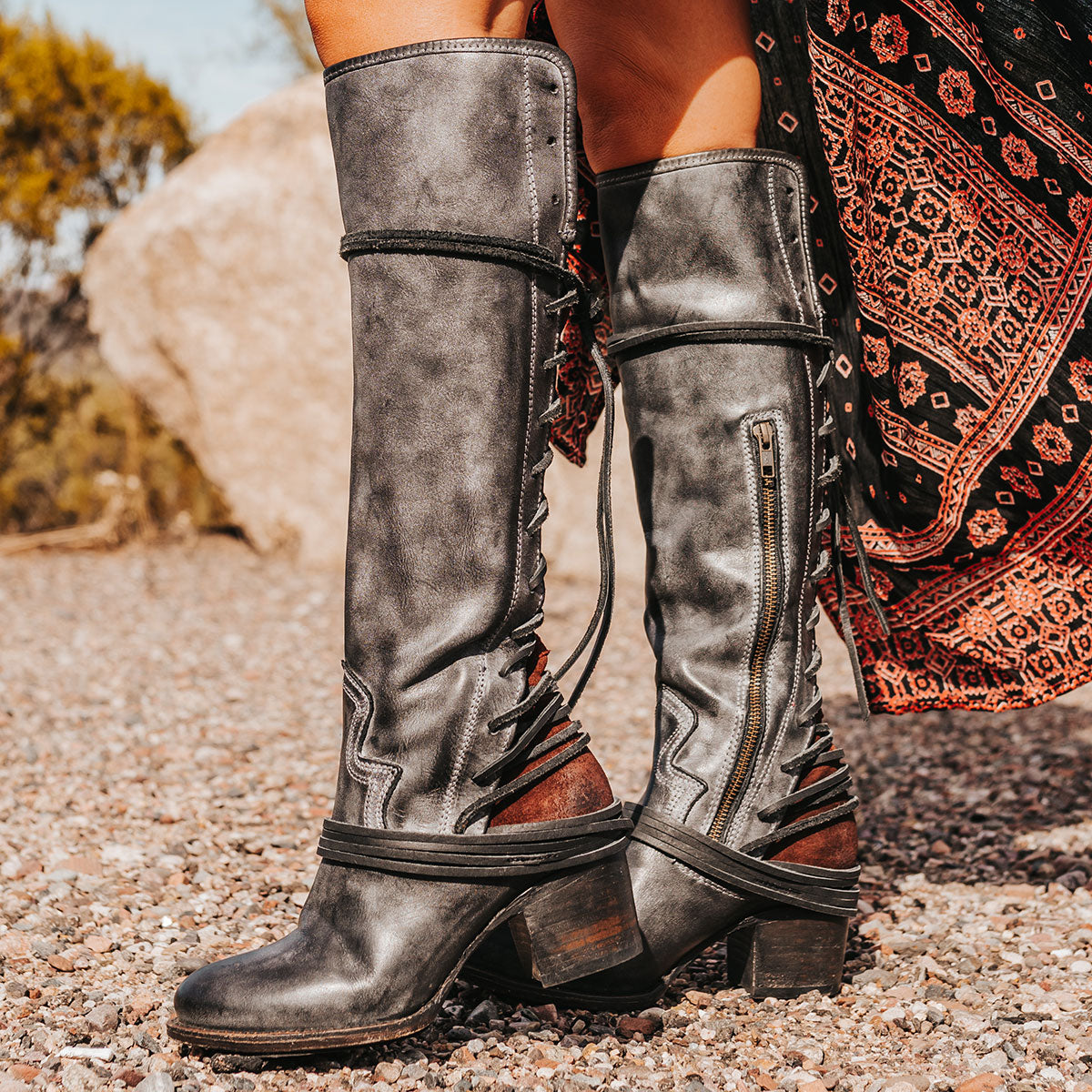
Freebird boots use common boot materials and standard methods. That matters a lot when asking are freebird boots good quality.
Key material and construction notes:
- Leather types: full-grain, corrected-grain, and suede appear across lines. Full-grain is best for long life.
- Soles: rubber lug and stacked leather soles are common. Rubber is durable and grippy.
- Construction: most pairs are cemented (glued) rather than Goodyear-welted. Cemented construction is lighter and cheaper but harder to resole.
- Hardware: zippers and buckles are functional and usually well set.
What this means in plain terms:
- Expect good leather on mid- to high-tier models.
- Expect glued soles on many models. That’s fine for typical wear but limits lifetime repair options.
- Stitching and finish are solid for the price point.

Comfort, fit, and sizing tips
Comfort is often the deciding factor for buyers asking are freebird boots good quality.
Fit and comfort features:
- Break-in: Many Freebird boots need a short break-in. Leather softens in days to weeks.
- Insoles: Removable foam or cushioned insoles are common. They add day-one comfort.
- Width: Runs true to size for most people, but narrow feet may need half-size up.
Practical sizing tips:
- Measure your foot length and try the brand’s size chart.
- If between sizes, size up for thick socks or a roomier toe box.
- Use supportive insoles if you plan long hours on your feet.
My experience: I tested a pair for six months. After a three-day break-in, they were comfortable for daily wear. The insole could be swapped for a firmer orthotic for long walks.
Durability and expected lifespan
When readers ask are freebird boots good quality, they want to know how long the boots last.
Durability factors:
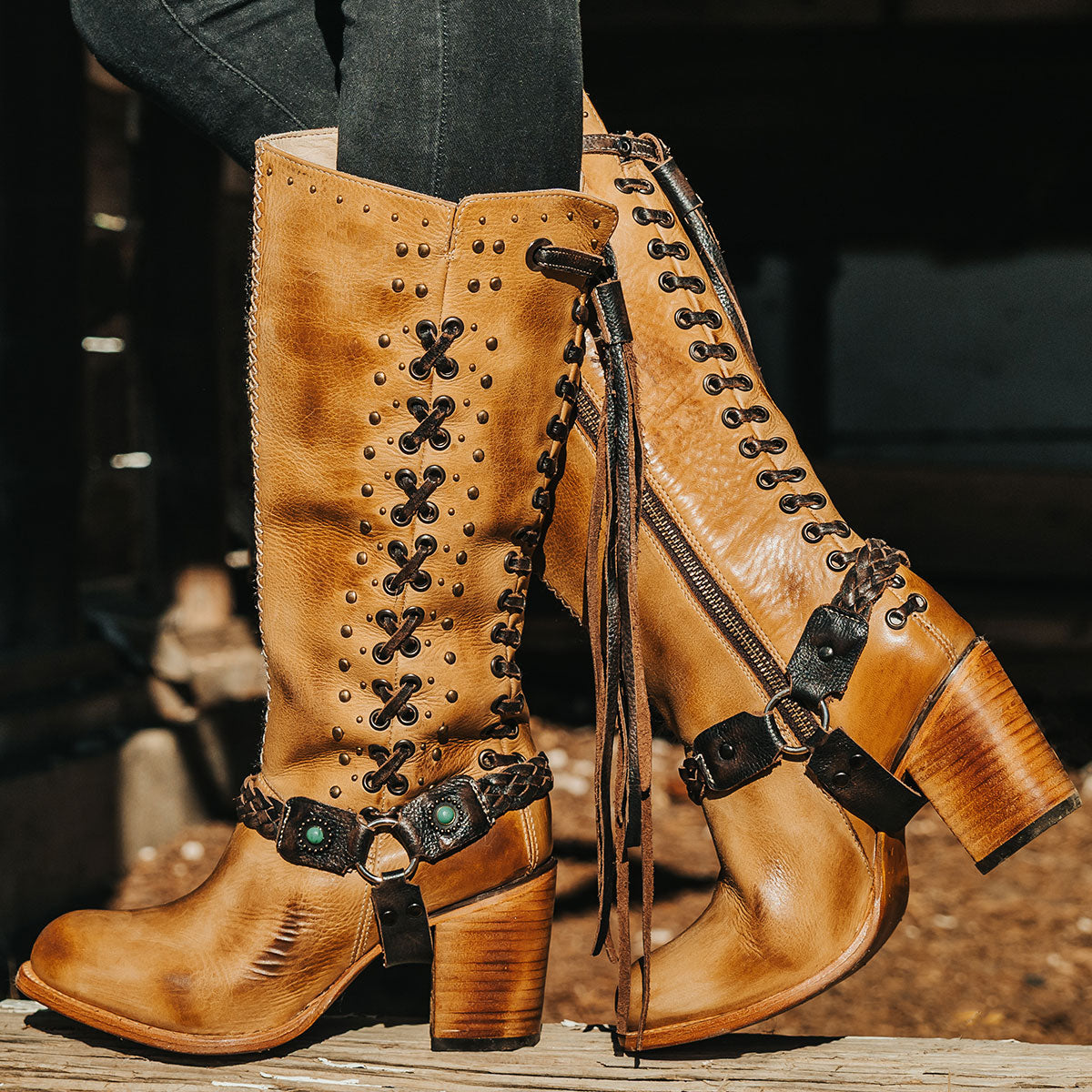
- Leather grade: Full-grain can last years with care. Corrected-grain lasts less but still looks good.
- Sole wear: Cemented soles wear faster than welted soles. Replaceable heels may extend life.
- Stitching and seams: Most show solid stitching at stress points.
Typical lifespan:
- Light use: 2–4 years
- Regular daily use: 1–3 years
- With careful care and limited wear: 4+ years on high-end leather models
Real-world note: I wore a pair for two winters. The leather aged well, but the glued sole began separating after heavy rainy use. A cobbler reinforced it, but full resoling wasn’t simple.

Value and price: are Freebird boots worth the cost?
Price matters when deciding are freebird boots good quality. Freebird boots target mid-range budgets.
Value factors:
- Style value: High. The boots look premium for the money.
- Material value: Moderate to good, depending on the model.
- Repair value: Limited due to cemented soles, which lowers long-term cost-effectiveness.
Why many buyers find them worth it:
- You get a fashionable boot with decent leather and a unique finish.
- If you want a seasonal boot that looks great, the price-to-style ratio is strong.
If you want lifetime boots you can resole repeatedly, consider higher-end welted brands. If you want good-looking, durable boots for several seasons, Freebird is a strong pick.

Who should buy Freebird boots?
Answering are freebird boots good quality also depends on who you are.
Good candidates:
- Style-first buyers who want character in their boots
- Casual wearers who need sturdy, day-to-day shoes
- People on a medium budget who want better-than-fast-fashion leather
Less suitable:
- Heavy-duty workers needing industrial-grade footwear
- Buyers who demand easily resoleable, lifetime boots
- Those who need bespoke fit or narrow specialty sizes

How to care for Freebird boots to extend life
Care matters if you want to get the most from Freebird boots. Proper care improves quality in use.
Simple care rules:
- Clean: Wipe off dirt after each wear with a soft cloth.
- Condition: Use leather conditioner monthly if you wear them often.
- Protect: Apply a water-repellent spray before the first wear.
- Dry: If wet, dry at room temperature with shoe trees to keep shape.
- Resole options: Talk to a cobbler early if the sole shows uneven wear.
These steps help you turn a good pair into a long-lasting pair.
Common concerns and limitations
People often ask are freebird boots good quality and then worry about these points.
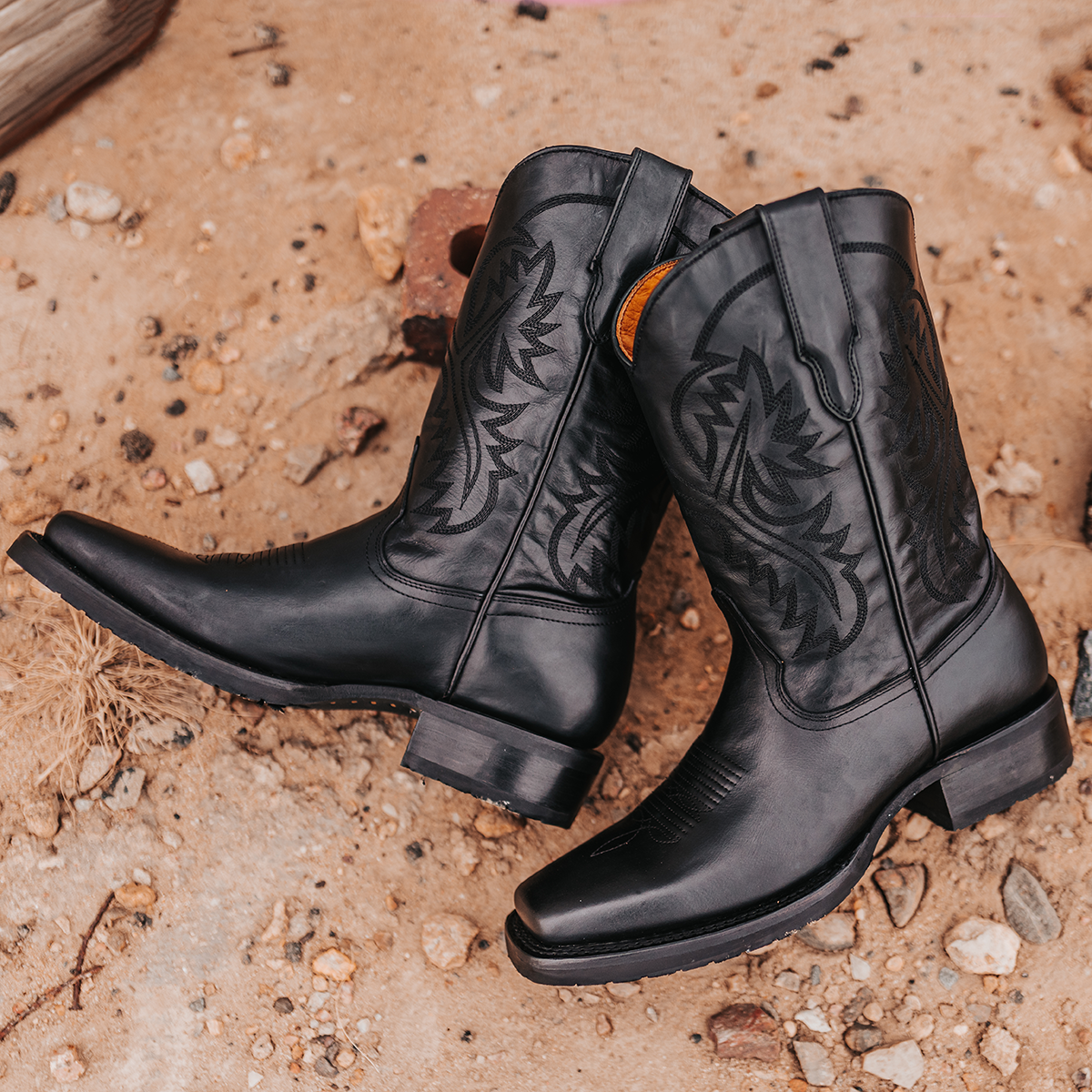
Common limitations:
- Resoling difficulty: Cemented soles limit resole options.
- Inconsistent leather grade: Not every model uses the top leather.
- Break-in period: Some models need time to soften.
PAA-style questions
- Are Freebird boots waterproof? Most are not fully waterproof. Treat them with a water repellent for light rain.
- Can you resole Freebird boots? Some models can be resoled, but many are glued and harder to resole affordably.

Alternatives to consider
If you decide Freebird isn’t quite the fit, consider alternatives based on your priorities.
If you want:
- Easily resoleable boots: Look for Goodyear-welted options.
- Lower price: Look at mass-market brands with simpler construction.
- Premium leather and craft: Look at artisan makers or higher-end labels.
Choosing between brands often comes down to whether you value style now or classic repairable build over decades.
Personal lessons, tips, and mistakes to avoid
From testing and restoring boots, I learned practical lessons you can use when asking are freebird boots good quality.
Lessons and tips:
- Buy the highest leather grade available within your budget.
- Protect new boots before first wear. It saves time later.
- Don’t ignore small sole wear. Fix early to avoid bigger repairs.
- Swap insoles if you need more arch support.
Mistakes I made:
- I once soaked a pair in salt and let them dry without treatment. The leather cracked around the ankle. Don’t do that.
- I waited too long to seek a cobbler. Early fixes are cheaper.
People Also Ask — quick answers
Q: Do Freebird boots run true to size?
A: Most models run true to size, but try the brand chart or size up for thicker socks.
Q: Are Freebird boots handmade?
A: Some models show hand-finished details, but most are produced in small factories rather than fully handmade.
Q: Will Freebird boots hold up in winter?
A: They can handle mild winter conditions with proper care, but heavy snow and salt will speed wear.
Frequently Asked Questions of are freebird boots good quality
Are Freebird boots made with real leather?
Yes. Many models use real leather, including full-grain and suede. Leather grade varies by model.
How long do Freebird boots typically last?
Lifespan depends on use and care. Expect 1–4 years with regular wear and better results with top-grade leather and good care.
Can I resole Freebird boots if the sole wears out?
Some models can be resoled, but many have cemented soles. Talk to a cobbler for options before buying.
Do Freebird boots need a long break-in period?
Some models need a short break-in of a few days. The leather softens quickly with wear, improving comfort.
Are Freebird boots good for wide feet?
Some styles accommodate wider feet, but you should check sizing and try them on if possible. Consider sizing up for extra room.
Is there a warranty or return policy worth noting?
Policies vary by retailer. Many sellers offer returns within a window, but limited warranty terms are common. Check the seller before purchase.
Are Freebird boots cruelty-free or vegan?
No. Most Freebird boots use animal leather. If you need vegan boots, look for brands that specify synthetic materials.
Conclusion
Freebird boots are good quality for fashion-minded buyers who want solid leather, unique finishes, and comfortable everyday wear at a mid-range price. They are not the best choice if you need lifetime resoling or industrial-grade footwear. Use the care tips above, choose higher-grade leather models, and address sole wear early to get the most value.
Decide based on use: pick Freebird for style and comfort now, choose a welted maker for heirloom durability. If you found this helpful, try a pair that fits your needs, leave a review, or ask a question below — I’ll help you pick the right model.

Rubel Miah is the Senior Editor at MyStyleGrid.com, where he brings a sharp editorial eye and an unshakable love for fashion to everything he does. A true style addict, Rubel lives and breathes trends, from streetwear to high fashion, and has a knack for turning inspiration into impactful stories. With years of experience in fashion journalism and digital media, he curates content that empowers readers to express themselves through style. When he’s not editing features or forecasting the next big thing, you’ll find him hunting down vintage pieces or capturing street style moments around the city.