Your longest toe should sit about a thumb's width (roughly 1/2 inch) from the shoe front.
I’ve spent years fitting shoes for friends, testing running shoes, and fixing blisters caused by poor fit. In this guide I’ll explain exactly where should your toe be in a shoe, why that space matters, how to check it, and how toe position changes by shoe type and foot shape. Read on and you’ll be able to pick shoes that protect your feet, feel great, and prevent common problems.

Why toe position in a shoe matters
Where should your toe be in a shoe matters for comfort, performance, and foot health. A small gap or too-tight toe box can cause blisters, black nails, bunions, and pain. Too much room makes the foot slide and the heel pop, which leads to rubbing.
Good toe placement helps balance, prevents pressure points, and lets toes splay naturally. It also reduces risk of injuries when walking or running. If you want shoes that last and feet that feel good, start with where should your toe be in a shoe.

How much space should be at the toe
Most experts and shoe fitters recommend a clearance of about a thumb's width between your longest toe and the front of the shoe. That equals roughly 1/2 inch or 1.3 cm. This rule answers the question of where should your toe be in a shoe in a simple way.
Quick guides to toe space
- Casual shoes and everyday sneakers: about a thumb’s width.
- Running shoes: about a thumb’s width or slightly more to allow forward motion of the foot.
- Dress shoes: same clearance, but often harder to find because they are narrow. Prioritize comfort over exact style.
- Kids: allow slightly more room to accommodate growth. Check often.
Why that space works
- It prevents toes from hitting the toe box on impact.
- It allows natural toe splay when you stand or push off.
- It reduces bruised nails and toes.

How toes should sit inside the shoe
Toes should lie flat and relaxed. The longest toe should not press the shoe front. The toes should be able to wiggle. The toes should not curl up.
Pay attention to these signs
- Toes that press the front are a sign the shoe is too short.
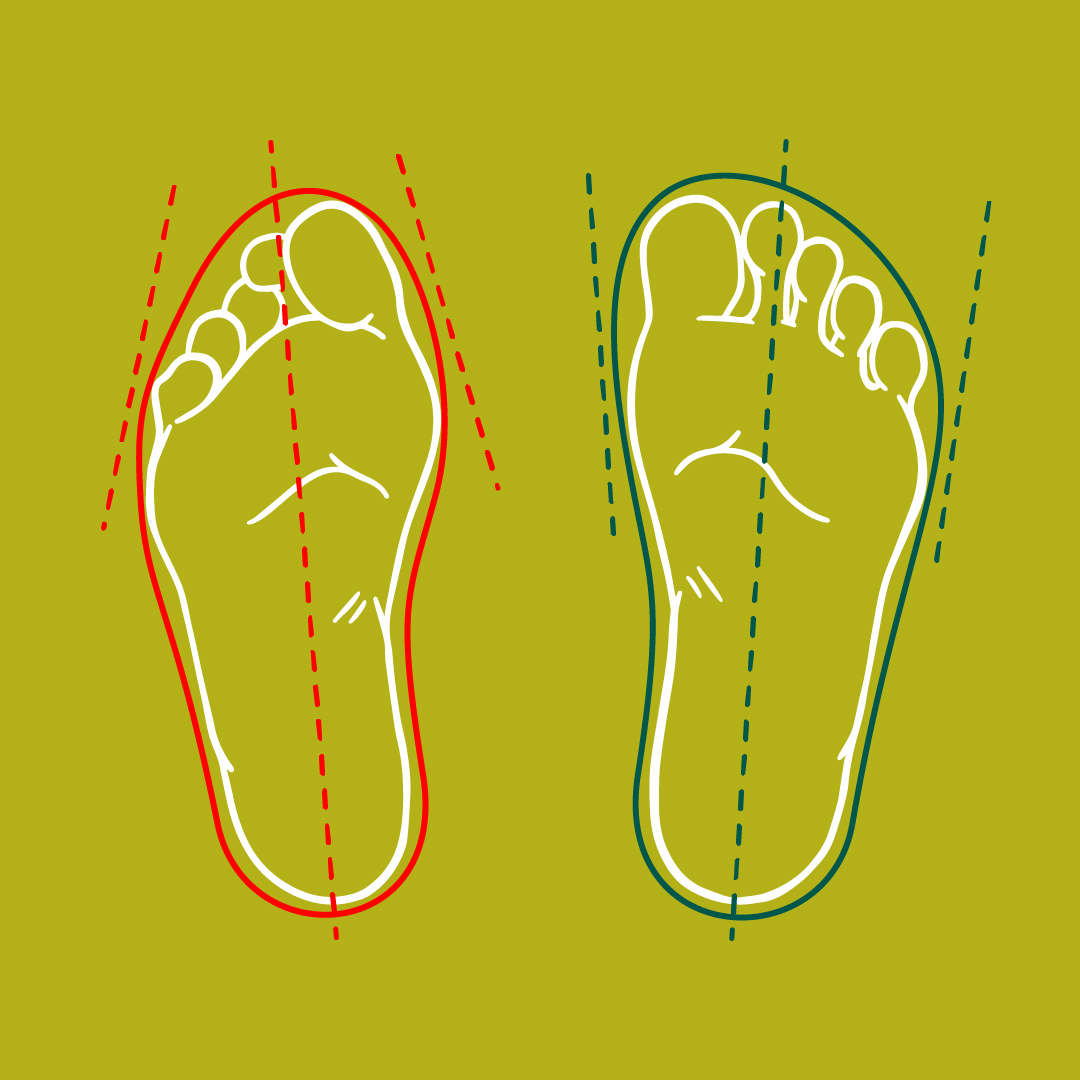
- Toes that rub the sides or overlap mean the toe box is too narrow.
- Big toe should point straight ahead, not angled inward by a narrow toe box.
When you ask where should your toe be in a shoe, picture a small gap and full toe freedom. Your toes should not feel compressed. They should feel supported.
How to measure and test fit at home or in store
Measure and test step-by-step. Doing this right helps you answer where should your toe be in a shoe without guesswork.
Measuring
- Place your foot on a piece of paper and trace it standing with equal weight.
- Measure from heel to the tip of the longest toe.
- Add about 1/2 inch (1.3 cm) to that length for clearance.
- Use the measurement to compare with the shoe’s inner length or size chart.
Trying shoes on
- Try shoes at the end of the day. Feet swell after standing.
- Wear the socks you will usually wear with the shoe.
- Stand and push your foot forward until toes touch the front. Check the gap behind the heel for slipping.
- Walk around and test toe splay. Make sure toes do not cramp.
Assessing fit quickly
– One-thumb test: Place one thumb between longest toe and shoe end while seated to check clearance.
- Wiggle test: Wiggle toes; they should move freely.

How shoe type changes ideal toe position
Different shoes need slight tweaks to where should your toe be in a shoe. The secret is the use case.
Running shoes
- Need extra room for forward glide and swelling.
- Aim for slightly more than a thumb’s width.
Dress shoes
- Often narrower. Prioritize a comfortable toe box even if it changes the look.
- Insoles can be adjusted, but don’t squeeze toes to force a size down.
Boots
- Durable boots need space for thick socks and foot heat.
- Leave about the same thumb’s width, maybe a touch more with heavy socks.
Sandals and slip-ons
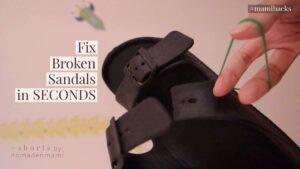
- Toe space isn’t about length only. Secure straps and toe box width matter.
- Toes should not hang over the edge. Overhang causes chafing.
Specialty shoes
- Cycling shoes are snug for power transfer, but toes still need to lie flat and not curl.
- Dance and pointe shoes follow different rules from regular footwear and should be fitted by specialists.

Common problems from wrong toe position and how to fix them
Wearing shoes with improper toe placement causes many common issues. Here’s how to spot and fix them.
Problems and fixes
- Black toenails: Caused by toes hitting the front. Fix by choosing shoes with more toe clearance.
- Blisters: Caused by rubbing from sliding. Fix with better fit and heel lockdown.
- Bunions and hammertoes: Aggravated by narrow toe boxes. Fix by choosing wider toe boxes or orthotics.
- Neuroma pain: Often due to compression between toes. Fix with wider shoes and metatarsal pads.
- Heel slippage: Too much length or loose fit. Fix with heel grip, better lacing, or a smaller size.
When to see a professional
- Persistent pain or numbness.
- Signs of infection or open wounds.
- For diabetic foot care, consult a specialist before changing shoes.
Personal tips and real-life examples
I once bought a sleek leather shoe because it looked great. The toes hit the front after a short walk. I swapped to a slightly larger size with a wider toe box. The pain went away and I enjoyed the shoes. That taught me to value fit over fashion.
My fitting lessons
- Always try shoes on both feet. Feet differ in size.
- Walk in shoes on the store floor, not just stand.
- Re-check fit after a day of wear. Some materials stretch.
Small changes I use
- Use sock thickness as a fit variable.
- Try different lacing patterns to lock the heel.
- Use thin insoles for snug fit or thicker ones if shoes feel long.
These are simple fixes that answer where should your toe be in a shoe for daily wear.
Frequently Asked Questions of where should your toe be in a shoe
How much space should be between my longest toe and the shoe tip?
Aim for about a thumb’s width or roughly 1/2 inch (1.3 cm). This gives room for natural movement and prevents hitting the toe box.
Can toes touch the front of the shoe if I only wear shoes briefly?
Even brief contact can cause friction and nail damage over time. It’s best to avoid any regular toe contact with the shoe front.
What if my feet are different sizes?
Fit to the larger foot. Measure both feet and pick the size that fits the bigger one. Use insoles or heel pads for the smaller foot if needed.
Do different activities need different toe space?
Yes. Activities with forward motion like running need slightly more toe room than casual walking. Adjust the clearance accordingly.
How often should I recheck shoe fit?
Check every few months, especially if you gain weight, switch activities, or buy new shoes. Foot shape can change with age.
Conclusion
Where should your toe be in a shoe matters more than looks. Aim for about a thumb’s width of space, let toes lie flat, and test shoes with real movement. Use the measuring and testing steps I shared to pick shoes that protect your feet and improve comfort.
Take action today: measure your feet, try the one-thumb test, and swap any shoes that crowd your toes. If you found this guide helpful, leave a comment or check more resources for proper shoe fit.

Rubel Miah is the Senior Editor at MyStyleGrid.com, where he brings a sharp editorial eye and an unshakable love for fashion to everything he does. A true style addict, Rubel lives and breathes trends, from streetwear to high fashion, and has a knack for turning inspiration into impactful stories. With years of experience in fashion journalism and digital media, he curates content that empowers readers to express themselves through style. When he’s not editing features or forecasting the next big thing, you’ll find him hunting down vintage pieces or capturing street style moments around the city.