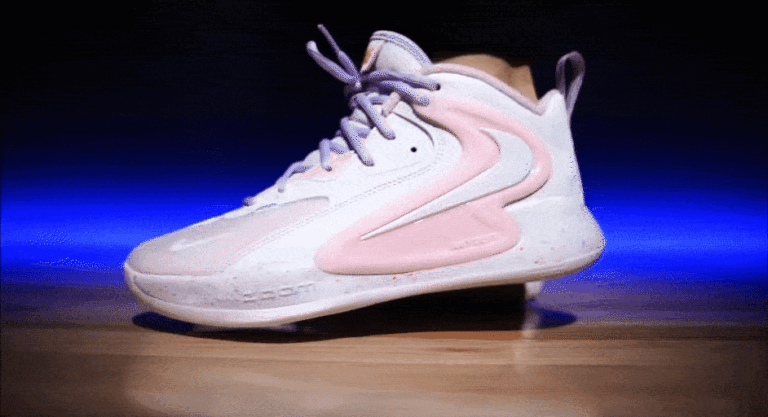
Basketball shoes can work for volleyball in casual play, but they lack key features for competitive use.
I’ve spent years playing both sports and testing footwear on indoor courts. Are basketball shoes good for volleyball is a question I hear a lot from players shopping on a budget or borrowing gear. This article gives a clear, experience-backed answer. I’ll explain technical differences, real-world pros and cons, and how to decide when a basketball shoe will do — and when it won’t. Read on and you’ll know exactly when to wear basketball shoes for volleyball and how to get the best performance and safety from them.
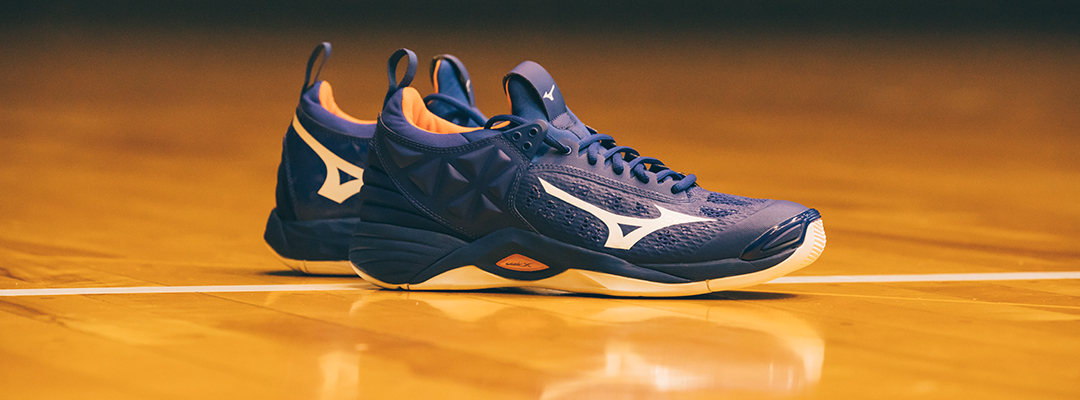
Understanding the main differences between basketball shoes and volleyball shoes
Basketball and volleyball ask different things from footwear. Knowing the differences helps answer are basketball shoes good for volleyball.
- Traction
- Volleyball shoes focus on quick forward and lateral grips on polished wood. Basketball soles often have deeper multi-directional patterns for pivots and sprinting.
- Cushioning
- Basketball shoes usually have thicker heel cushioning for running and jumping. Volleyball shoes have firmer midsoles to aid court feel and quick reps.
- Ankle support
- Many basketball shoes offer high ankle collars for contact and lateral support. Volleyball players often prefer lower collars or flexible support to allow fast ankle mobility for digs and landings.
- Weight and flexibility
- Volleyball shoes are lighter and more flexible to help rapid footwork. Basketball shoes can be heavier, which may slow quick directional changes.
- Sole material
- Both use non-marking rubber for indoor courts. But volleyball soles are tuned to limit dust buildup and to maintain grip during repeated jumps and slides.
These differences explain why people ask are basketball shoes good for volleyball. For casual play, overlap exists. For competitive performance and injury prevention, the differences matter.
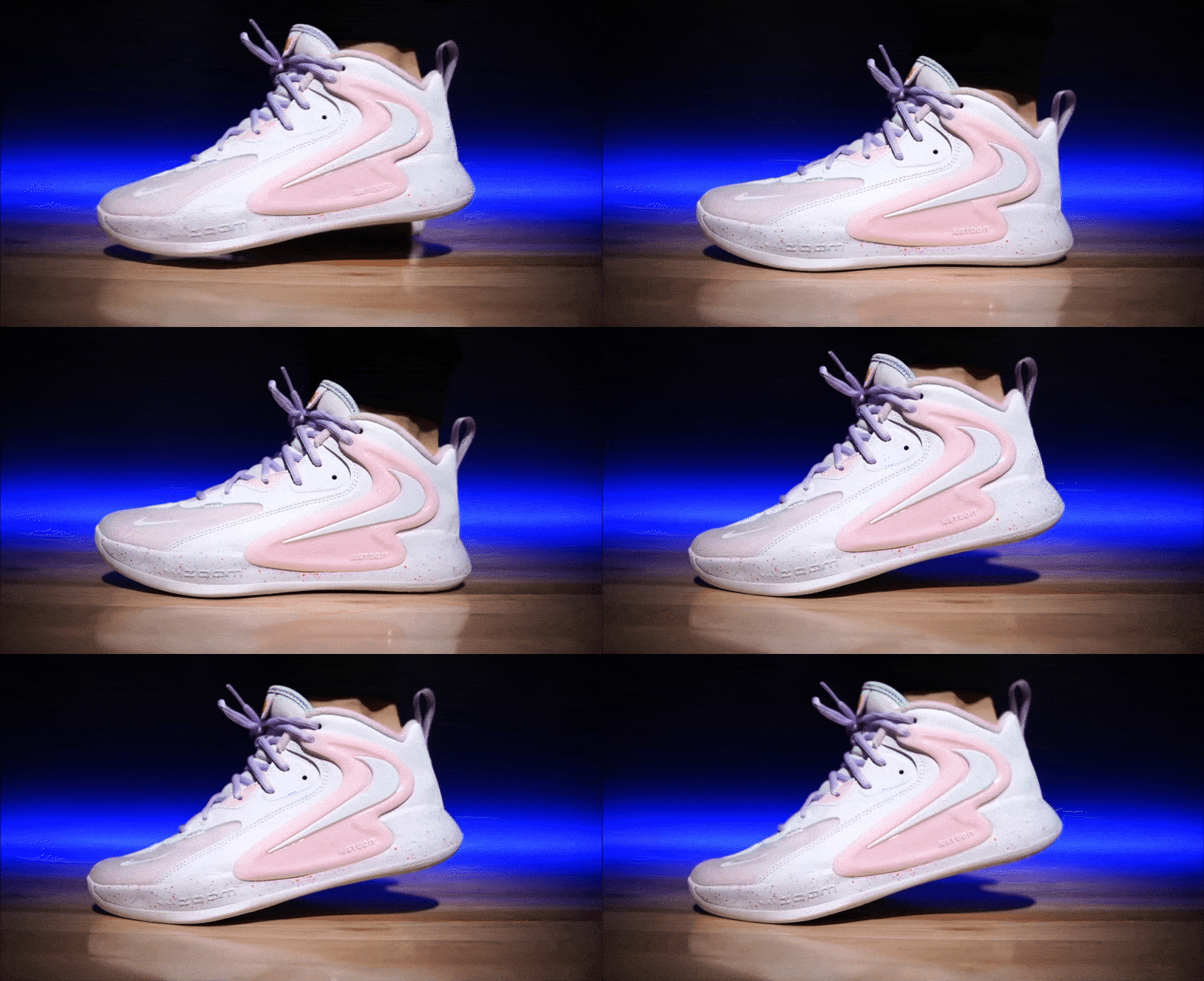
Can basketball shoes be used for volleyball?
Short answer: yes for pickup games, no as a long-term substitute for competitive play.
- Casual and recreational play
- Basketball shoes are often fine. They provide decent cushioning and ankle support for jumps and landings. If you play once or twice a week casually, basketball shoes can work.
- Competitive training and matches
- Basketball shoes are not ideal. They can limit quick court feel and may increase fatigue. Over time, using them could raise risk of ankle sprains or reduce performance.
- Surface matters
- On indoor wood courts, basketball shoes with clean non-marking soles will grip. On sand or outdoor courts, neither basketball nor indoor volleyball shoes are optimal.
When you search are basketball shoes good for volleyball, think about your level. Beginners and casual players will be fine. Club players and pros should pick volleyball-specific shoes for best results.
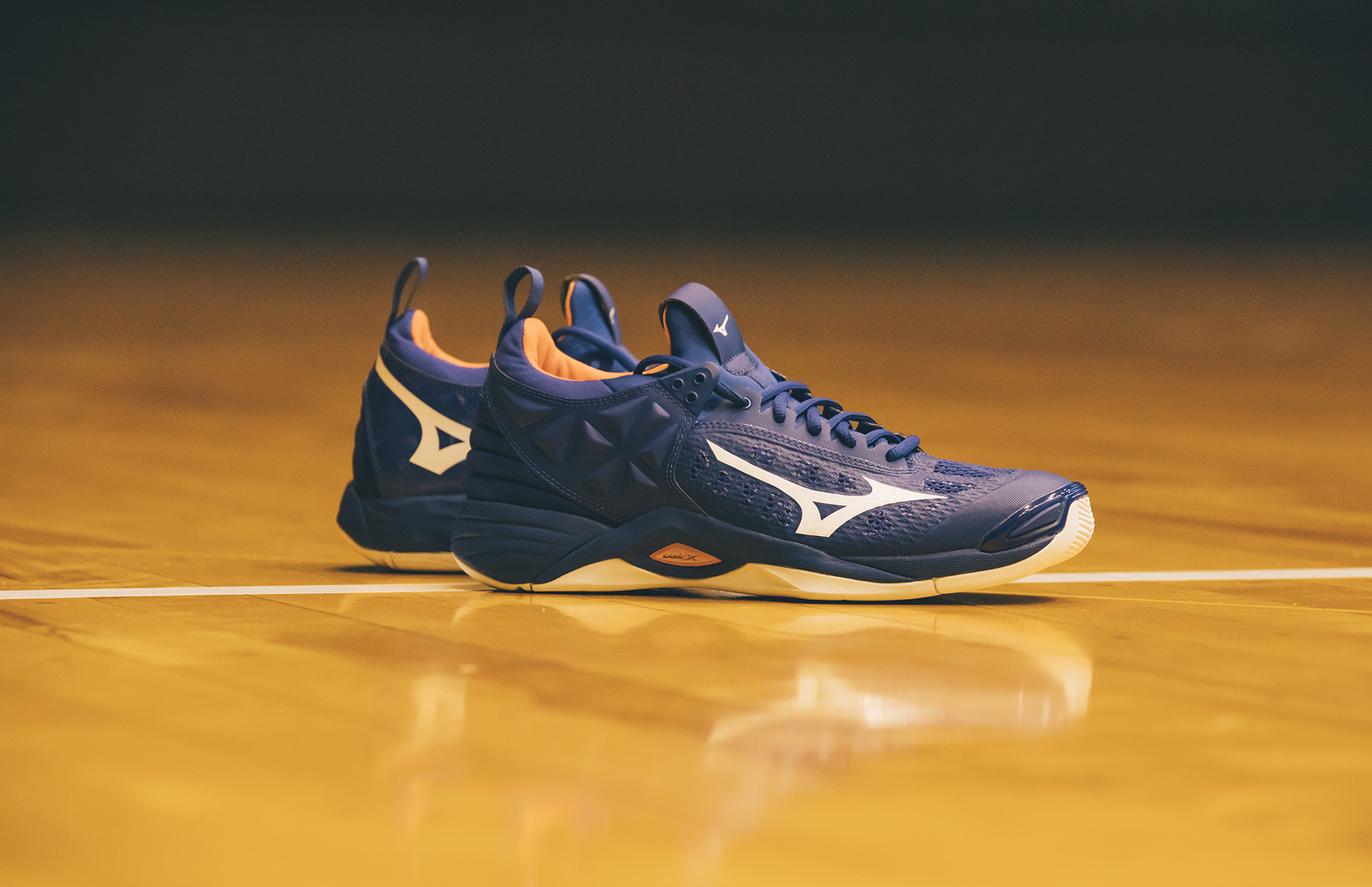
Pros and cons of using basketball shoes for volleyball
Weighing benefits and drawbacks makes the decision clear when asking are basketball shoes good for volleyball.
Pros
- Good cushioning for hard landings and repeated jumps.
- Strong ankle support in higher models, helping with contact and sudden stops.
- Durable build that can handle aggressive play and pivoting.
- Easy to find if you already own basketball shoes.
Cons
- Less court feel and flexibility for fast footwork.
- Heavier weight can slow quick direction changes.
- Sole patterns may not be optimized for repeated indoor slides.
- Possible increased fatigue and small increased injury risk for frequent volleyball players.
These points explain when basketball shoes might be a practical stopgap and when they become a handicap.

How to choose the right basketball shoe if you plan to use it for volleyball
If you decide to wear basketball shoes for volleyball, pick features that reduce drawbacks. Here’s a checklist to guide your purchase.
- Sole and traction
- Choose a flat, non-marking rubber sole with a pattern that grips forward and lateral moves.
- Weight
- Favor lighter basketball shoes to help quick footwork.
- Flexibility
- Look for flexible forefoot construction to improve court feel.
- Cushioning balance
- Avoid overly bulky heel units. Seek responsive cushioning that helps repeated jumps without sacrificing stability.
- Ankle design
- Low to mid-cut shoes often offer a better balance of support and mobility than very high collars.
- Fit and lockdown
- Secure fit matters. Good lockdown prevents foot slip during quick movements.
- Breathability and durability
- Ventilation helps control sweat. Reinforcement in high-wear areas extends shoe life.
Use this checklist to pick a basketball shoe that minimizes the common downsides when you play volleyball.

Practical tips to adapt basketball shoes for volleyball play
Small adjustments can improve performance and comfort when using basketball shoes for volleyball.
- Change insoles
- Swap in thinner, more responsive insoles to improve court feel and reduce weight.
- Lacing technique
- Use a heel-lock lacing pattern to reduce internal slip and improve lockdown.
- Clean soles regularly
- Wipe rubber to keep traction high. Dust reduces grip quickly.
- Rotate shoes
- Alternate pairs to let cushioning recover and extend shoe life.
- Break them in
- Wear shoes during light practice sessions to adapt to their weight and feel.
- Protect ankles with taping
- If you lack sport-specific ankle fit, tape or light braces can reduce risk.
These simple fixes can make basketball shoes much more suitable for volleyball in many situations.
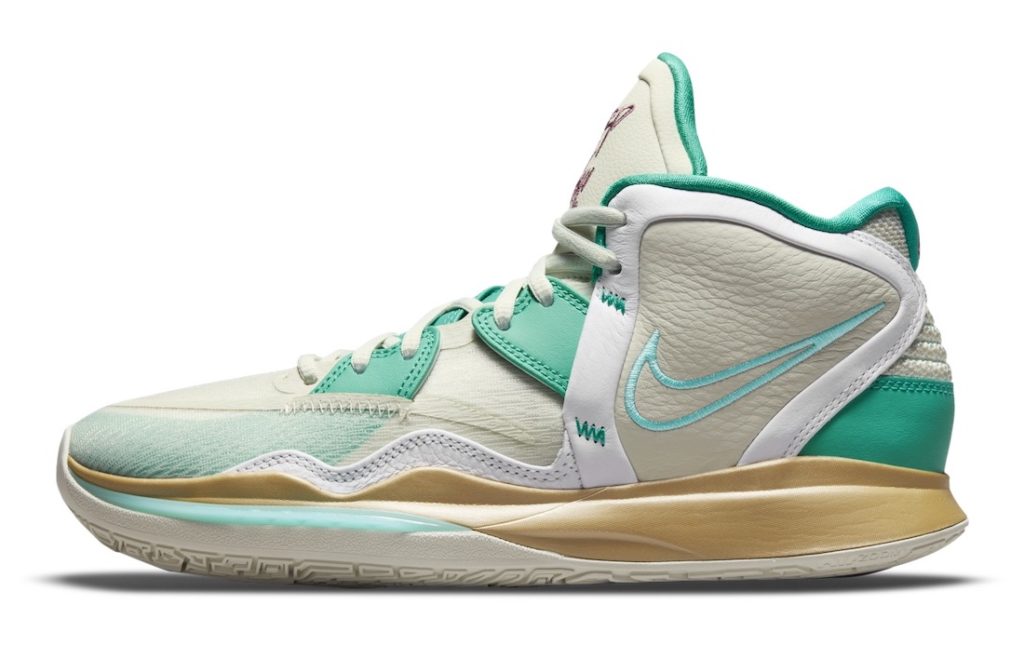
My personal experience: what I learned using basketball shoes on the court
I played college club volleyball while owning only basketball shoes for a season. I learned the hard way and adjusted.
- First weeks
- My shoes felt comfortable for jumping. But quick digs and cuts felt sluggish. I often missed split-second steps.
- Mid-season change
- I swapped to a lighter low-cut basketball model. Performance improved. I still lacked the perfect court feel of volleyball shoes, but the difference was smaller.
- Mistakes to avoid
- Don’t assume thicker cushioning equals better performance. It can hide foot placement and slow you down.
- What worked
- Heel-lock lacing and a thin responsive insole boosted my agility. Regular sole cleaning kept traction consistent.
- Final takeaway
- Are basketball shoes good for volleyball? For a committed volleyball player the answer shifted from “acceptable” to “temporary solution.” They work, but they won’t replace a purpose-built volleyball shoe.
My hands-on experience matches what coaches and trainers observe: basketball shoes can be used, but specific tweaks and the right expectations matter.
Common player questions (PAA-style)
Will basketball shoes cause more injuries in volleyball?
Basketball shoes do not directly cause injuries, but their weight and lack of court-specific flexibility may increase fatigue and the chance of twists over time.
Can I use high-top basketball shoes for ankle protection?
High-tops give ankle support, but they can limit quick ankle mobility needed for volleyball. Low to mid-cuts often strike a better balance.
Do basketball shoes provide enough traction on indoor wood?
Yes if the soles are clean and non-marking. However, volleyball shoes are designed to maintain grip across many quick slides.
Are basketball shoes okay for beach volleyball?
No. Beach volleyball needs sand-specific footwear or barefoot play. Basketball shoes are poor on sand and will fill with sand quickly.
How long can I expect basketball shoes to last while playing volleyball?
If used regularly, expect faster wear in pivot zones and forefoot. Rotate shoes and clean soles to extend life.

Frequently Asked Questions about are basketball shoes good for volleyball
Are basketball shoes safe for beginners playing volleyball?
Yes. Basketball shoes provide good cushioning and support for beginners. They are a practical option for learning and casual play.
Will basketball shoes improve my vertical jump in volleyball?
Not directly. Cushioning can feel comfortable for landings but does not inherently increase jump height. Training and shoe fit matter more.
Can basketball shoes handle quick lateral movements in volleyball?
Some models handle lateral moves well, but most lack the lightweight flexibility of volleyball shoes. Expect slightly slower reactions.
Should I wear ankle braces with basketball shoes for volleyball?
If you have past ankle injuries, wearing a brace adds protection. For many players, proper lacing provides enough support without a brace.
Is it better to buy volleyball shoes if I play both sports?
If you play both regularly, consider owning a pair for each sport. That gives you the right features for each game and reduces compromise.
Conclusion
Deciding if basketball shoes are good for volleyball comes down to your level and needs. For casual players, basketball shoes can work well with small adjustments. For competitive players, volleyball-specific shoes deliver better traction, flexibility, and fatigue resistance. Use the checklists and tips here to pick or adapt shoes the smart way. Try what you learned on the court this week and notice the difference in your movement and comfort. Leave a comment below about your experience, subscribe for more shoe guides, or ask which models I recommend next.

Rubel Miah is the Senior Editor at MyStyleGrid.com, where he brings a sharp editorial eye and an unshakable love for fashion to everything he does. A true style addict, Rubel lives and breathes trends, from streetwear to high fashion, and has a knack for turning inspiration into impactful stories. With years of experience in fashion journalism and digital media, he curates content that empowers readers to express themselves through style. When he’s not editing features or forecasting the next big thing, you’ll find him hunting down vintage pieces or capturing street style moments around the city.