How to fit running shoes: allow a thumb's width at the toe, secure heel, correct width and gait match.
I’ve fitted hundreds of runners over the years and tested dozens of shoes myself. This guide on how to fit running shoes walks you through simple measurements, must-check fit points, shoe features, and real-world tips to keep your feet happy. Read on for step-by-step advice, common mistakes I’ve seen, and quick fixes you can use today.

Why proper fit matters for running performance and injury prevention
A good fit changes how your foot hits the ground. Poor fit causes blisters, black toenails, pain, and wasted effort. Learning how to fit running shoes reduces injury risk and helps you run more comfortably and faster. I’ve seen runners improve gait and drop nagging pain simply by switching to better-fitting shoes.
How to measure your feet at home (so you know your baseline)
Measure late in the day when feet are largest. Stand on a piece of paper. Trace your foot with a pen held straight up. Mark the longest toe and the back of the heel. Measure length in inches or centimeters and compare to a brand size chart. Also measure width across the ball of the foot. Repeat both feet—fit for the larger foot. Keep a note of your measurements for the next shoe purchase.

Key fit elements to check when trying shoes
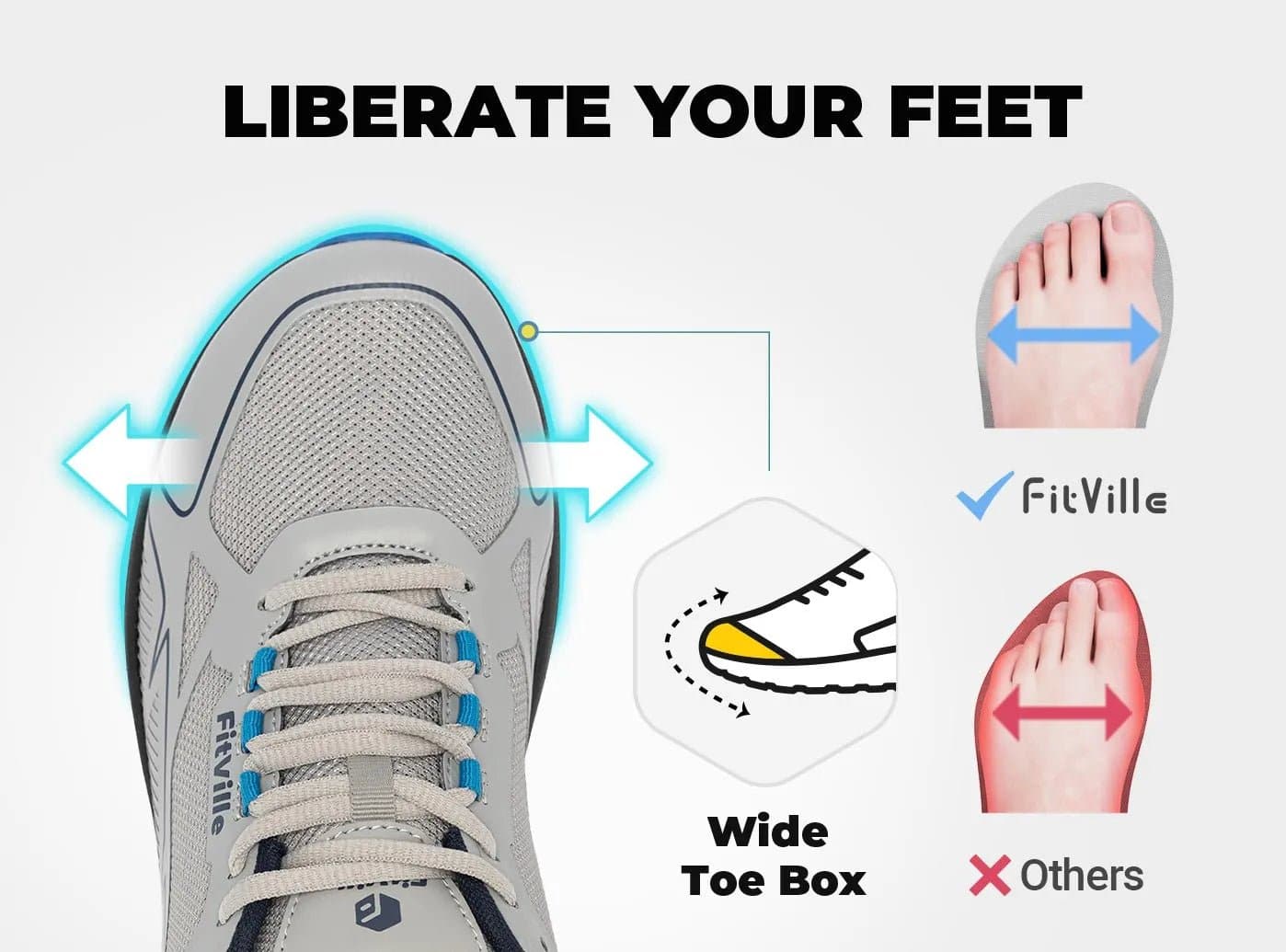
Toe box
- There should be about a thumb’s width (roughly 1/2 inch) from longest toe to the end. This prevents black toenails and turf toe.
- Check toes can wiggle freely but don’t slide forward under load.
Heel and counter
- Heel should sit snug with no more than a small slip on the first few strides.
- Excess heel slip causes blisters and instability.
Midfoot and arch
- The shoe should feel supportive across the arch without pinching.
- If you use orthotics, bring them and re-test the fit.
Width
- Shoes should not bulge at the sides nor pinch the midfoot.
- Consider wide versions if your foot feels compressed.
Overall comfort
- A slight snugness is fine; pain is not. Try a light jog or brisk walk in the store to test comfort and feel.
How to fit running shoes means checking each of these areas. I always test by running briefly to confirm the fit under motion.
How to try running shoes: a step-by-step process
- Wear the socks you run in
- Lace shoes the way you will run (use runner’s loop if you need heel lock)
- Stand and check toe room and width
- Walk and jog 50 to 100 feet to test midfoot and heel hold
- Try a few minutes on a treadmill or around the block if possible
- Repeat with the other shoe and compare fit
When testing, pay attention to pressure points. How to fit running shoes is mostly about what you feel during movement, not just standing. Bring orthotics or any inserts you normally use.

When to size up, size down, or choose special versions
Size up when
- Your toes hit the end of the shoe during runs.
- You have wide feet or run downhill regularly.
- You have swelling or longer runs planned.
Size down when
- You have excessive heel slip after proper lacing.
- The shoe feels long and unstable at slow paces.
Choose wide or narrow models for foot shape. Use half sizes as needed. If you need orthotics, you may need a half size up or a shoe with a deeper toe box. Knowing how to fit running shoes includes recognizing when a simple size change or a different last is the solution.

Common fit problems and quick fixes
Blisters
- Fix with a better sock, blister tape, or slightly tighter lacing. Consider friction-reducing lubricants.
Black toenails
- Give more toe room, trim nails short, or go up half a size.
Heel slip
- Use a heel lock lacing method or thicker socks. Try a snugger model.
Tight toes or numbness
- Try a wider toe box or a different brand. Check sock seams and lacing technique.
Arch pain
- Add supportive insoles or try shoes with a firmer midsole. If pain persists, see a podiatrist.
These are issues I’ve seen often in fittings. Most respond to small fit changes rather than expensive gear swaps. Remember: how to fit running shoes means fixing the problem at the source—fit, not just cushioning.

Caring for fit over time and when to replace shoes
Shoes change shape with miles. Check the midsole feel and heel counter every 300–500 miles. Replace when cushioning is flat, the outsole wears unevenly, or you start feeling aches linked to footwear. Rotate two pairs if you run often; alternate shoes give foam time to rebound and extend fit life. Keep old insoles as backups and refresh laces if they lose hold.
How to fit running shoes isn’t a one-time task; it’s ongoing care and attention to feel.
Frequently Asked Questions of how to fit running shoes
How much space should be in front of my toes?
Aim for about a thumb’s width (roughly 1/2 inch) between your longest toe and the shoe tip. That space protects against toe injuries and allows for foot swelling on long runs.
Should running shoes feel tight at first?
They should feel snug but not painful. A slight break-in may be normal, but sharp pain or pressure points mean a poor fit or wrong shape.
Can I fit running shoes by length only?
No. Width, arch support, heel hold, and toe-box shape matter. Fitting by length alone often causes blisters or numb toes.
How do I test shoes for heel slip?
Tie shoes the way you run, then jog or do quick strides. One finger or less of slip is acceptable; more means adjust lacing or size.
Are orthotics compatible with standard running shoes?
Many shoes accept orthotics, but you may need a half size up or a deeper toe box. Always bring your orthotics when trying shoes.
How often should I get my feet measured?
Measure at least once a year or when your weight, activity, or foot pain changes. Feet change with age, gains or losses in weight, and training load.
Conclusion
Learning how to fit running shoes protects your feet, boosts comfort, and improves performance. Use simple measurements, test shoes while moving, and prioritize toe room, heel hold, and width. Start with one careful fitting today and swap problems for confidence on your next run. Try these tips, leave a comment about your fit challenges, or subscribe for more gear and fitting advice.

Rubel Miah is the Senior Editor at MyStyleGrid.com, where he brings a sharp editorial eye and an unshakable love for fashion to everything he does. A true style addict, Rubel lives and breathes trends, from streetwear to high fashion, and has a knack for turning inspiration into impactful stories. With years of experience in fashion journalism and digital media, he curates content that empowers readers to express themselves through style. When he’s not editing features or forecasting the next big thing, you’ll find him hunting down vintage pieces or capturing street style moments around the city.