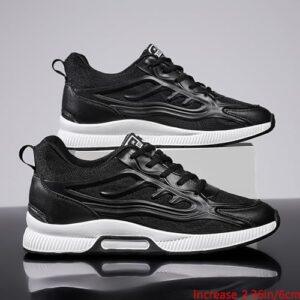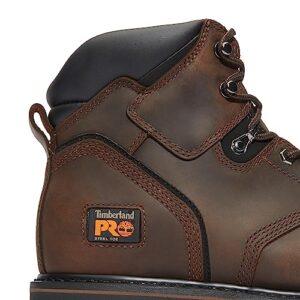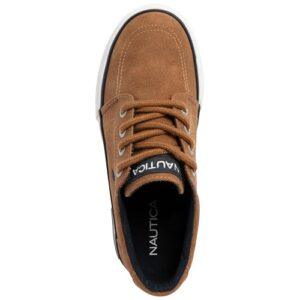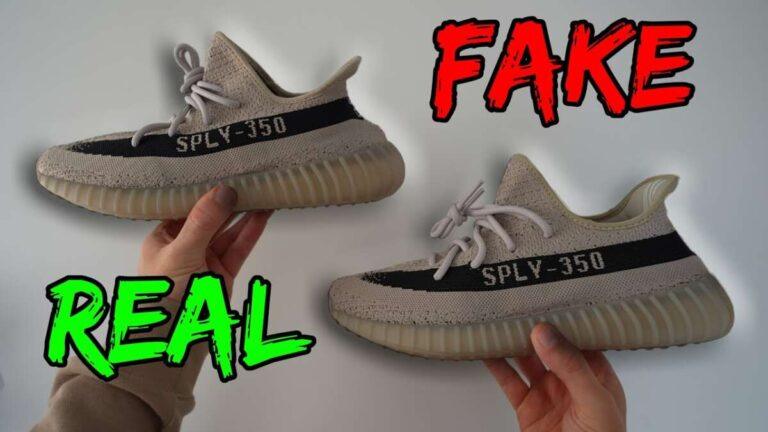
Look for mismatched logos, sloppy stitching, wrong labels, odd materials, and bad packaging.
I’ve spent years examining shoes for stores and resale. I’ll show you exactly how to tell if shoes are fake with clear checks you can use in minutes. This guide blends hands-on tips, expert cues, and practical examples so you can buy and sell with confidence. Read on for a step-by-step plan that makes authentication simple and reliable.
Why fake shoes are so common
Counterfeit shoe making is cheap and fast.
Brands are popular and designs sell well.
Customers want limited drops and low prices.
That mix creates demand for fakes and replicas.
Knowing how to tell if shoes are fake helps you avoid wasted money and poor quality.

Quick checklist: 12 fast ways to tell if shoes are fake
Use this checklist when you inspect shoes in person or online. Each item is an easy test you can do fast.
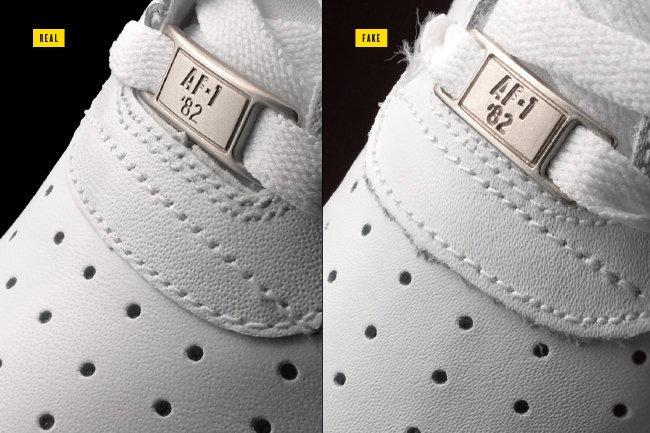
- Compare the logo and font to an official image.
- Check the box for correct labels and quality printing.
- Inspect stitching for evenness and tidy threads.
- Smell the shoe — cheap glue smells strong.
- Look for excess glue or uneven sole bonding.
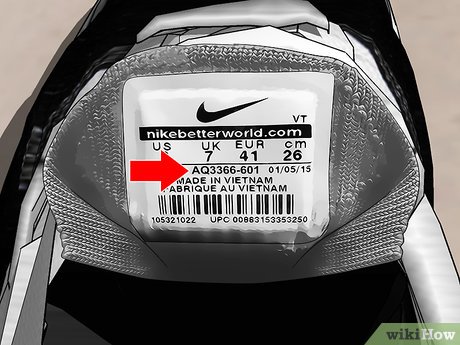
- Verify SKU, style number, and barcode match brand listings.
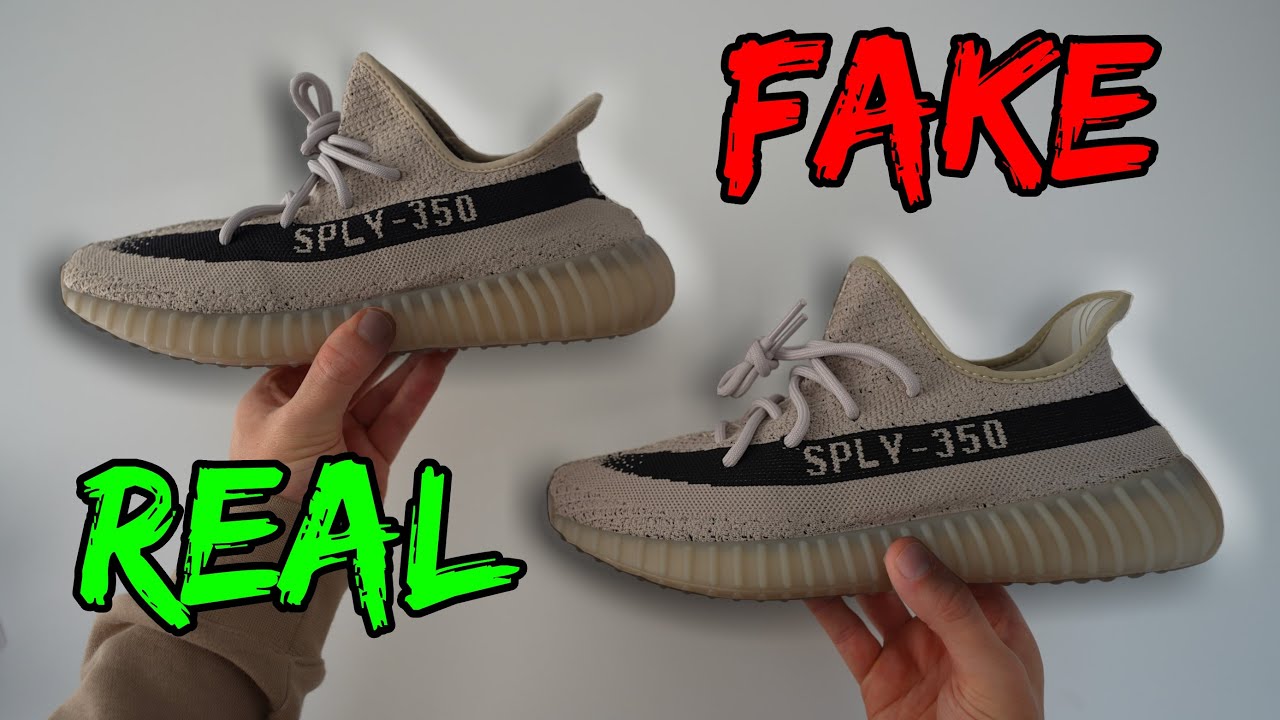
- Examine materials against known authentic textures.
- Weigh the shoe — fakes often feel lighter or heavier.
- Check insole print, shape, and removal fit.
- Inspect tags, hangers, and receipts for spelling errors.
- Confirm seller reputation and return policy.
- Use authentication services or apps for high-value pairs.
Detailed checks: step-by-step verification
Below are focused checks you can use to examine shoes closely. Follow these in order for best results.
Box and packaging
Authentic boxes have high-quality printing and correct model info.
Look for tidy tape and a label that matches the shoe.
Fake boxes often have poor print, wrong fonts, or missing codes.
Tags, labels, and receipts
Check the SKU and style codes against the brand’s site.
Sizes and country of origin should match official labels.
Receipts from unknown sellers can be forged.
Stitching and construction
Fine shoes have consistent, even stitches with no loose threads.
Glue stains, uneven seams, or misaligned panels are red flags.
Feel the inside; authentic shoes usually have clean linings.
Materials and smell
Leather, suede, and knit have distinct textures.
Fake leather can feel plasticky or too smooth.
Strong chemical glue or plastic smell often means a fake.
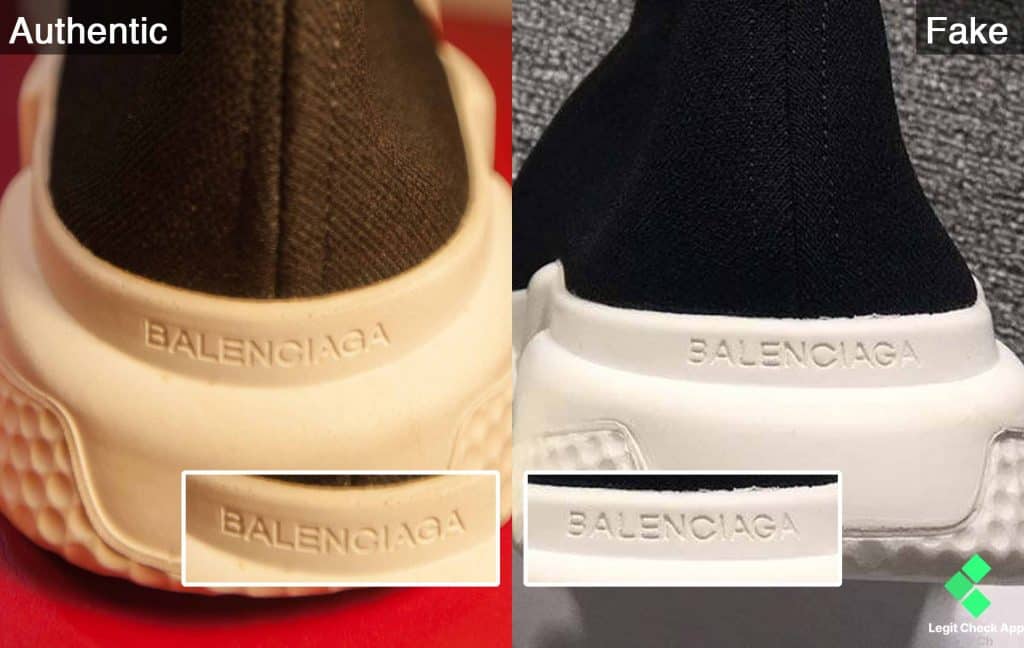
Logos, fonts, and placement
Brands use precise logos and font spacing.
Compare the logo to multiple official photos.
Wrong logo size or placement is a common fake sign.
Soles, tread, and midsole details
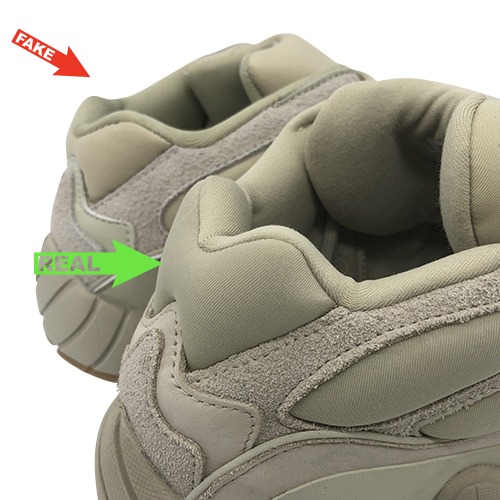
Soling patterns and midsole technology are brand-specific.
Check for correct air units, foam style, and tread pattern.
Uneven soles or mismatched patterns suggest a replica.
Serial numbers, RFID, and chips
Some brands use serial tags or embedded chips.
Scan codes or compare serials with brand data if available.
Missing or duplicated serials often indicate counterfeit pairs.
Fit, shape, and comfort
Authentic shoes fit and balance as expected.
Fakes may shape odd or flex where they should not.
Try both shoes and walk a few steps to sense quality.
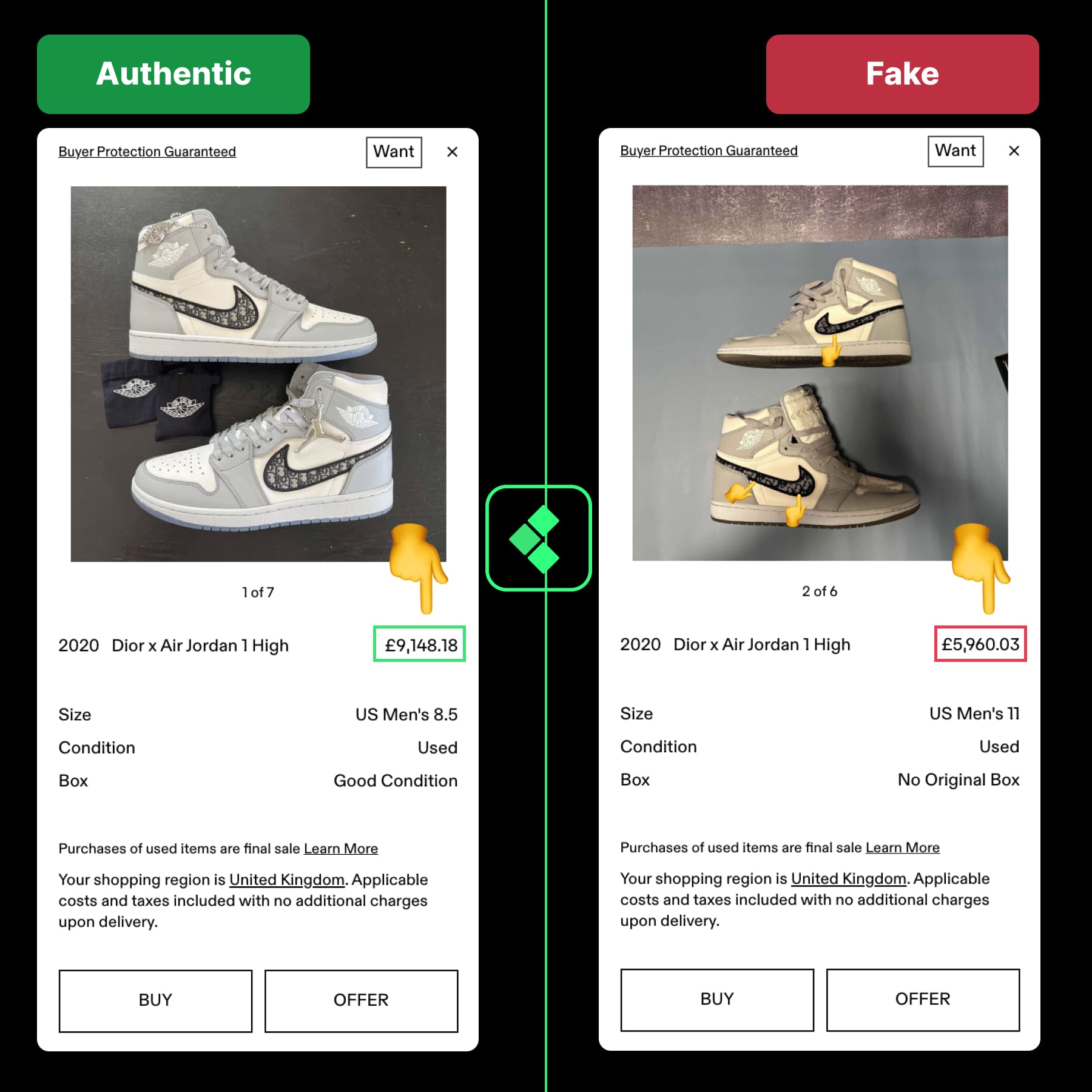
Price and seller signals
If a deal sounds too good, it probably is.
Check seller ratings, history, and return policy.
Avoid accounts with few listings or many similar low-priced pairs.
Online photos and listing red flags
Look for poor image quality or stolen brand photos.
Ask for close-ups of tag, inside label, and sole.
Use reverse image search to check if photos were copied.
Authentication services and tools
When value is high, use extra help. Authentication services exist for sneakers and designer shoes.
Some apps analyze photos and give an authenticity score.
Third-party experts physically inspect shoes for a fee and provide certificates.
Use these services when resale value is large or you need proof.
My experience: common mistakes and lessons learned
I once bought a limited sneaker online that looked perfect in pictures. The box label had the wrong font. I returned it and learned to always ask for clear label photos.
Another time I trusted a low-price seller and got glue stains inside both shoes. I now use the checklist every time.
Lesson: trust your checks. Small details tell big stories.
How to buy authentic shoes safely
Follow these steps to reduce risk when shopping.
- Buy from brand stores, authorized retailers, or well-known marketplaces.
- Request multiple photos, including tags, box, and sole.
- Save receipts and packaging for returns or resale.
- Verify SKU and barcode before buying.
- Use escrow or payment methods that allow disputes if needed.
Frequently Asked Questions of how to tell if shoes are fake
How can I tell if shoes are fake from pictures alone?
Look for logo mistakes, poor stitching, and mismatched tags in pictures. Ask for close-up photos of the label, box code, and sole pattern to confirm details.
Is price the best clue that shoes are fake?
Price is a strong indicator but not definitive. A low price could be a genuine sale, while a too-good-to-be-true price often signals a fake.
Can smells and materials help detect fakes?
Yes. Cheap glue smells and plastic-like materials often mean counterfeit. Authentic leather and suede have distinct textures and mild natural odors.
Should I use authentication apps or services?
Use apps for quick checks and experts for high-value buys. Professional services give higher confidence, especially for limited editions.
Do all brands have serial numbers to check?
Not all brands use serial tags the same way. Many do use style codes and SKUs you can verify against brand listings. Missing or mismatched codes are a red flag.
What if I already bought fake shoes?
Contact the seller for a refund and open a dispute with your payment provider if needed. Keep all photos, packaging, and receipts as evidence.
Conclusion
Knowing how to tell if shoes are fake protects your money and your style. Use the checklist, inspect details, and trust slow, careful buying decisions. When in doubt, ask for more photos or use an authentication service before you pay. Try these steps on your next purchase, and leave a comment if you want help checking a listing.

Rubel Miah is the Senior Editor at MyStyleGrid.com, where he brings a sharp editorial eye and an unshakable love for fashion to everything he does. A true style addict, Rubel lives and breathes trends, from streetwear to high fashion, and has a knack for turning inspiration into impactful stories. With years of experience in fashion journalism and digital media, he curates content that empowers readers to express themselves through style. When he’s not editing features or forecasting the next big thing, you’ll find him hunting down vintage pieces or capturing street style moments around the city.