Most rubber boots are not fully snake proof; protection depends on height, material thickness, and fang reach.
I’ve spent years working outdoors, testing boots and learning how snakes interact with gear. This article explains whether are rubber boots snake proof, why answers vary, what to look for, and practical steps to cut your risk. Read on for clear, evidence-based advice and real-world tips that help you pick and use boots wisely.

How snake bites happen and what "snake proof" really means
Snakes strike to bite and inject venom. They target soft, exposed skin or gaps in clothing. Fangs are thin and strong. They can puncture many materials if the material is thin or folds.
"Snake proof" means a boot blocks a fang from reaching skin. That depends on fang length, strike force, and what the boot is made of. Short, soft rubber can fail. Thick, layered, or reinforced materials reduce the chance of puncture. Understanding these basics helps answer are rubber boots snake proof with nuance.
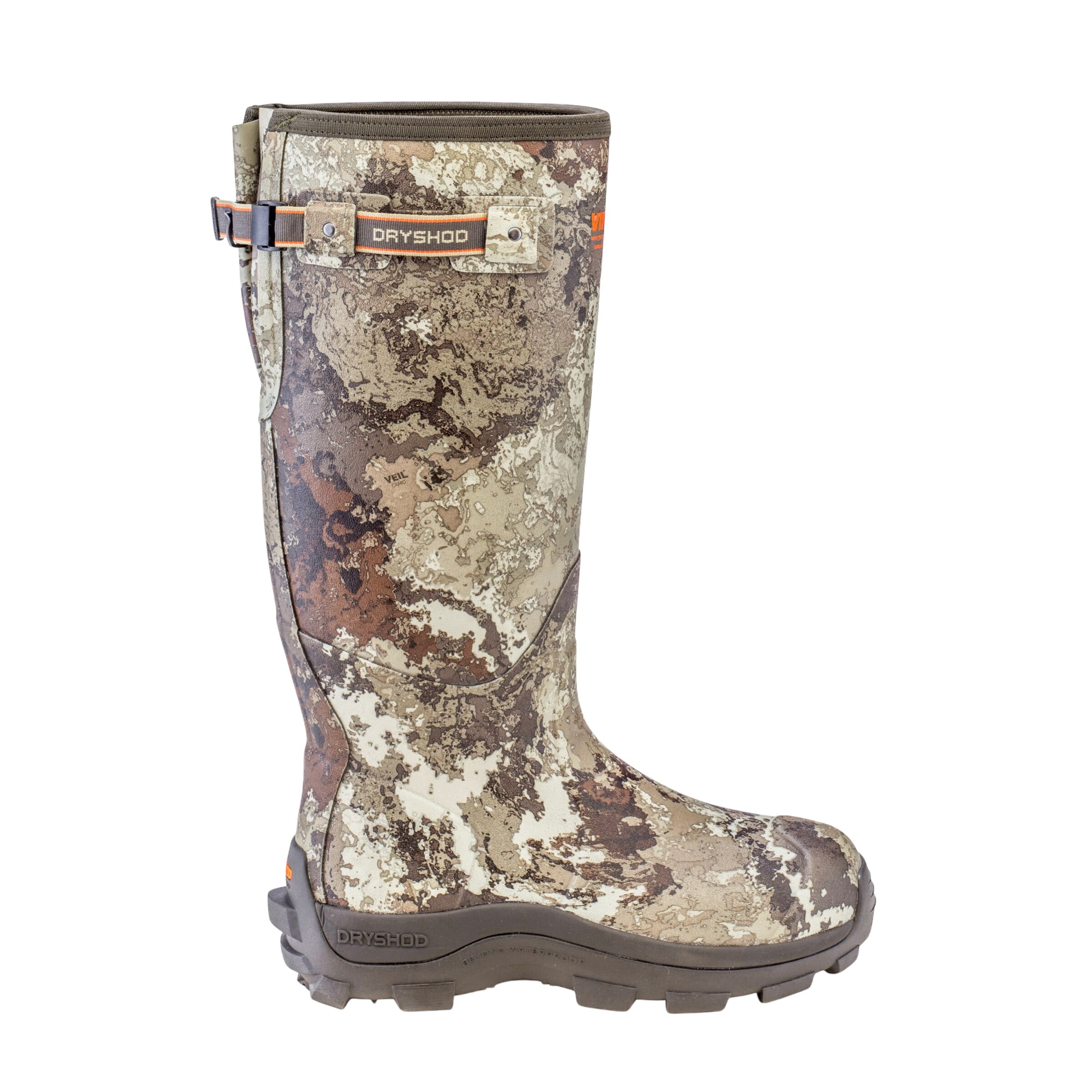
Do rubber boots stop snake bites?
When people ask are rubber boots snake proof they want a clear yes or no. The honest answer is mixed. Most standard rubber boots are not guaranteed snake proof.
Why not? Simple reasons:
- Fang length varies by species and can reach through soft layers.
- Thin rubber tears or punctures under a quick strike.
- Seams and soles can be weak spots.
Some heavy-duty rubber and reinforced boots offer better protection. But protection is rarely absolute. For many users, the safer goal is risk reduction, not total proof.
PAA-style questions
Can snake fangs go through rubber?
Yes. Many venomous snakes have long, sharp fangs that can puncture thin or soft rubber under strike force.
Are knee-high rubber boots enough?
They can help if thick and well-made, but knee-high alone does not guarantee protection from long fangs or side strikes.
Do thicker boots make me safe?
Thicker soles and shafts help. Reinforced layers or puncture-resistant inserts increase safety but do not eliminate risk.

Types of rubber boots and relative protection levels
Not all rubber boots are equal. Here are common types and what to expect.
- Basic garden rubber boots
- Low cost and light.
- Offer splash protection but thin walls.
- Least likely to be snake proof.
- Work-grade neoprene or rubber boots
- Thicker material and stronger soles.
- Better puncture resistance.
- Improved odds but not guaranteed.
- Bite-resistant or puncture-resistant boots
- Built with composite plates or Kevlar layers.
- Designed to stop sharp objects and sometimes fangs.
- Best choice if snake risk is high.
- Chest waders and tall wellies
- Height helps keep skin covered.
- Material and seam strength still matter.
When you test options, check:
- Wall thickness of the shaft.
- Seam quality where the upper joins the sole.
- Reinforcement around ankle and shin.
Choosing boots wisely changes whether are rubber boots snake proof in practice.
Testing, standards, and hard evidence
There is limited standardized testing that calls a boot "snake proof." Industry tests focus on puncture resistance and abrasion. These tests can be helpful proxies.
Key points:
- Lab puncture tests measure force needed to penetrate materials.
- Few standards test specifically for fang shapes or strike speeds.
- Real-world snake strikes combine speed, angle, and unpredictable dynamics.
Studies and field reports show fangs can pierce many common boot materials. That’s why specialty gear uses multiple layers and stiff plates. If you rely on gear claims, look for documented puncture-resistance ratings, not just marketing terms. This context helps answer are rubber boots snake proof with realistic expectations.
Practical tips to reduce snake bite risk while using rubber boots
Boots are one tool, not a full solution. Use layers of protection and good habits.
- Pick the right boot
- Choose thick-walled or bite-resistant models in snake country.
- Prefer boots with reinforced seams and strong soles.
- Add protective layers
- Use snake gaiters or leg guards over boots.
- Wear thick pants tucked into boots to reduce gaps.
- Practice safe behavior
- Watch where you step and poke with a stick before reaching.
- Avoid tall grass and rock crevices without checking first.
- Night and low-light precautions
- Use a bright flashlight or headlamp.
- Move slowly and listen for rustling.
- Maintenance and inspection
- Check boots for cuts, soft spots, or seam failure.
- Replace worn boots rather than trusting old gear.
From my fieldwork, I learned two clear lessons. First, a single good boot saved me from thorns but not from a close snake strike until I added gaiters. Second, complacency is the bigger danger than gear failure. Treat boots as part of a safety routine.
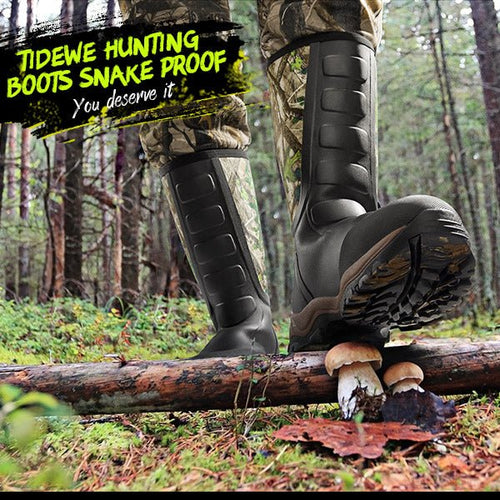
Are rubber boots snake proof? Final assessment
So, are rubber boots snake proof? Not completely. Most rubber boots reduce risk but do not promise full protection. The answer depends on:
- Boot material and reinforcement.
- Boot height and fit.
- Snake species and fang length.
- How you use the boots and your behavior in the field.
If you must be as safe as possible, choose purpose-built bite-resistant boots or add certified gaiters. Combine gear with good practices. That gives you the best chance to stay safe without assuming are rubber boots snake proof by default.

Frequently Asked Questions of are rubber boots snake proof
Are standard rubber boots safe in snake areas?
Standard rubber boots offer some protection but may not stop a venomous snake with long fangs. Use thicker or reinforced boots for higher safety.
Can gaiters make rubber boots snake proof?
Gaiters greatly reduce risk by adding layers and covering gaps, but they do not guarantee 100% proof. They are an important part of a layered defense.
How tall should boots be to reduce snake bite risk?
Knee-high or taller boots are better than ankle boots. Height helps, but material strength and fit remain crucial to protection.
Are leather boots better than rubber against fangs?
Stiff, thick leather can resist puncture well, but many modern synthetic composites and reinforced rubber outperform soft leather. Look for puncture-resistance specs.
Should I trust "snake proof" labels on boots?
Be cautious. Labels may overstate protection. Look for specific puncture-resistance tests or bite-resistant materials instead of vague claims.
Can a snake bite through a rubber sole?
Yes. A strong strike can penetrate thin soles, especially at weak spots or seams. Thick, reinforced soles offer better protection.
Conclusion
Choosing and using the right boots lowers your risk but does not erase it. Understand that are rubber boots snake proof depends on design, material, and behavior. Use reinforced boots, add gaiters, maintain awareness, and treat gear as part of a safety routine. Take action now: inspect your boots, consider bite-resistant options, and practice the safety tips above. Share your experiences or questions below to help others stay safer in snake country.

Rubel Miah is the Senior Editor at MyStyleGrid.com, where he brings a sharp editorial eye and an unshakable love for fashion to everything he does. A true style addict, Rubel lives and breathes trends, from streetwear to high fashion, and has a knack for turning inspiration into impactful stories. With years of experience in fashion journalism and digital media, he curates content that empowers readers to express themselves through style. When he’s not editing features or forecasting the next big thing, you’ll find him hunting down vintage pieces or capturing street style moments around the city.