No — not always illegal; it depends on the shark species, country laws, and required permits.
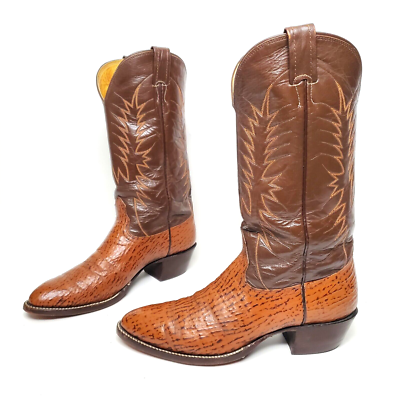
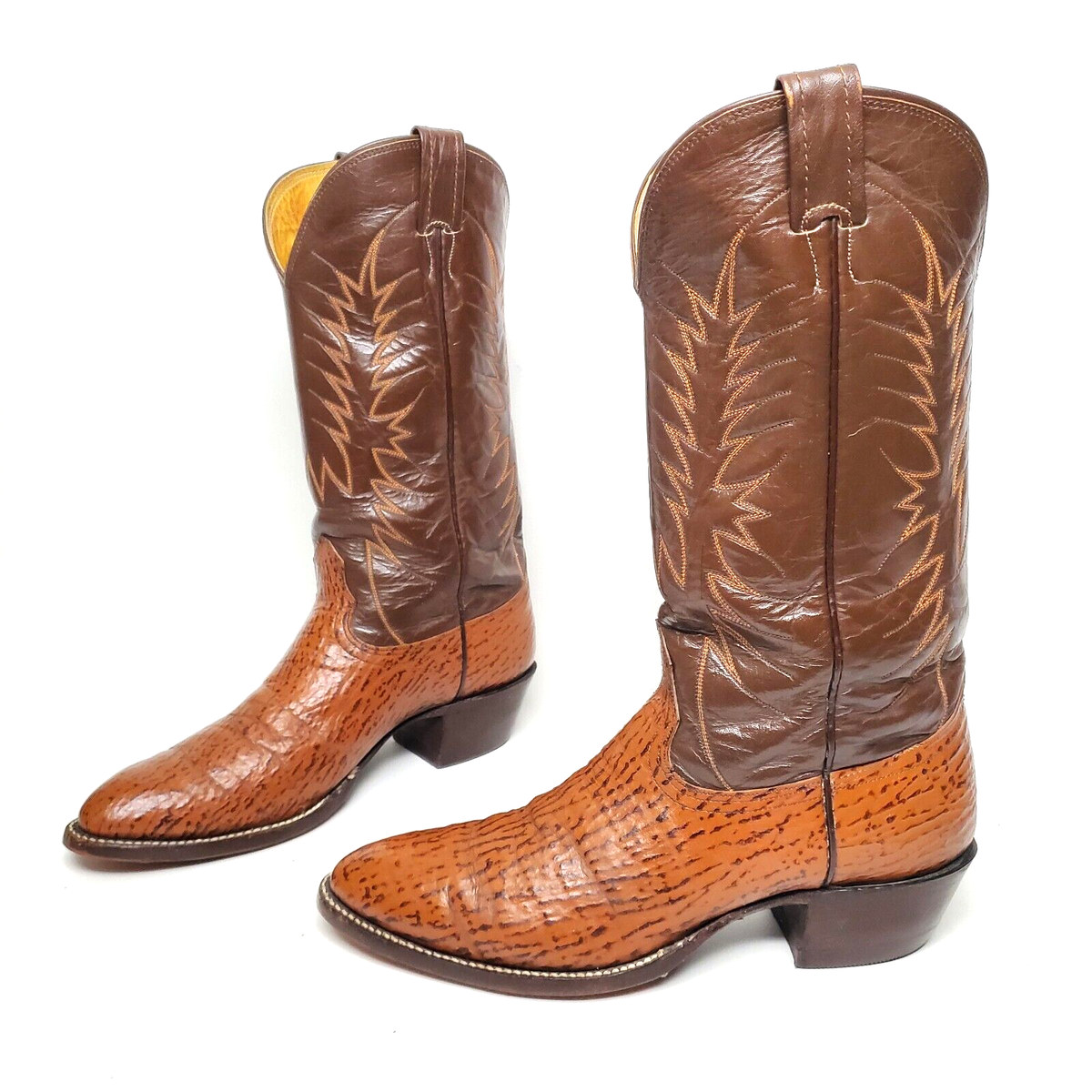
I’ve researched wildlife trade rules and tracked legal cases about exotic leathers. If you ask "are shark skin boots illegal," the short reality is this: shark skin boots can be perfectly legal, or they can break national and international rules. This guide walks through how laws work, what to check before you buy, and how to avoid accidental illegal trade. Read on to learn clear steps you can take today to verify legality, protect endangered species, and shop with confidence.
Why the question "are shark skin boots illegal" matters
People worry about buying shark skin boots for three reasons: conservation, legality, and reputation. Sharks face intense pressure from fisheries and trade. Some shark species are protected. That makes some shark products tightly regulated or banned.
The phrase "are shark skin boots illegal" often appears when consumers want to be ethical buyers. Knowing the rules protects you and helps wildlife. This section explains the key ideas you need to know before you buy.

How international rules affect whether are shark skin boots illegal
International law can make shark skin boots illegal to trade across borders. The Convention on International Trade in Endangered Species of Wild Fauna and Flora (CITES) controls trade in listed species. If a shark species is on a CITES appendix, moving its parts internationally usually needs permits.
Key points
- CITES status matters. Many commercially traded sharks are on a CITES appendix, and that affects international trade.
- Appendix I and II rules. Appendix I species are mostly banned for trade. Appendix II species need permits and proof that trade is sustainable.
- Export and import permits are common. Without them, international sale or shipping of shark leather can be unlawful.
How this applies in practice
- If shark skin boots were made from a CITES-listed species, shipping them between countries without proper paperwork can be illegal.
- Domestic sale inside a country may still be allowed even when cross-border trade is restricted, but national laws can add more limits.
How US law answers "are shark skin boots illegal"
In the United States, a mix of federal and state laws affects whether are shark skin boots illegal. The main federal laws are the Endangered Species Act and the Lacey Act. The Lacey Act bans trafficking wildlife taken in violation of foreign law. CITES decisions are enforced at US ports.
How to interpret the law
- If a shark species is listed under the Endangered Species Act, trade and sale may be restricted or banned.
- If sharks or their products were taken illegally abroad, importing or selling them in the US can violate the Lacey Act.
- Some states have extra rules. For example, certain states restrict sale of shark fins or regulate shark parts more strictly.
Practical tip
- Ask sellers for species ID and paperwork. Importers should provide permits when required. If they cannot, treat that as a red flag.
How EU and UK rules shape whether are shark skin boots illegal
The European Union and the United Kingdom enforce CITES through their own systems. EU wildlife trade rules and UK retained regulations require permits when CITES-listed species are involved.
What to check
- For cross-border moves inside and into the EU or UK, CITES permits are often needed.
- National lists within EU countries can add protections beyond CITES.
- Post-Brexit, the UK has rules that mirror many EU controls but with separate permit systems.
Buyer advice
- If a seller in the EU or UK cannot show CITES paperwork for a listed species, assume the product may be illegal to export or import.
How to determine if are shark skin boots illegal before purchase
Use a checklist. Short steps will save you time and risk.
Steps to verify legality
- Ask for species ID. Get the common and scientific name in writing.
- Request paperwork. Ask for CITES permits or export documentation when shipping across borders.
- Confirm origin. Find out where the leather was taken and whether local laws allow harvest.
- Avoid vague claims. If a seller says "sustainably sourced" without proof, dig deeper.
- Check local law. Look up national regulations or consult a wildlife authority if unsure.
If you still worry
- Consider alternatives. Many high-quality synthetic or cattle leathers resemble shark skin.
- Get a refund or cancel if documentation is missing. It isn’t worth the legal risk.

My experience and practical lessons about are shark skin boots illegal
I once shopped for shark skin boots for a styling project. The shop listed the boots as "shark leather" but gave no species name. I asked for paperwork. The store later provided a certificate naming a non-protected species and an export claim. I still declined the purchase. Why? The documentation looked thin and could not be independently verified.
Lessons I learned
- Always ask specific questions. Vague answers are a red flag.
- Documentation is key. Even when a trade is legal on paper, weak records can cause trouble later.
- Consider alternatives. Good faux options avoid hassle and support conservation.
Practical tips from my tests
- If a seller offers DNA or tannery certificates, take them seriously but also cross-check.
- Small, local artisans may use leftover leather legally. Still ask for proof of origin.
Common legal questions people ask about are shark skin boots illegal (PAA-style)
What makes a shark skin boot illegal?
- They become illegal when the skin is from a species protected by law or when trade happens without required permits.
Can I buy shark skin boots in my home country?
- Possibly. Domestic sale depends on national rules and the shark species involved. Check local wildlife laws first.
Are vintage shark skin boots legal to sell?
- Antique items may be allowed in some cases, but you still need proof of age and origin for CITES-listed species.
Do I need a permit to ship shark skin boots internationally?
- Yes, if the boots are made from a CITES-listed species. Export and import permits are usually required.
How do I verify the species of shark leather?
- Ask for a scientific name, certificates, or testing reports. Independent lab tests can confirm species when needed.

Frequently Asked Questions of are shark skin boots illegal
Are shark skin boots automatically illegal worldwide?
No. They are not automatically illegal everywhere. Legality depends on the shark species and the laws of the countries involved.
Which shark species make shark skin boots illegal to trade?
Certain species listed under CITES or national endangered species laws can make trade illegal. Hammerheads, porbeagle, and several other threatened sharks often fall under such rules.
Can I import shark skin boots from another country?
You can import them only if you have the correct permits for CITES-listed species and if the source country issued the proper export documentation. Lack of permits can lead to seizure and fines.
What paperwork should a seller provide?
Ask for species identification, origin or export certificates, and any CITES permits when applicable. Clear, verifiable documentation reduces legal risk.
Is buying shark skin boots ethical if they are legal?
Legal does not always mean ethical. Consider conservation impacts and whether the harvest was sustainable. Choosing transparent sellers is important.
Are there safe alternatives to shark skin leather?
Yes. Many synthetic leathers and well-sourced domestic leathers replicate the look and feel without wildlife concerns. These avoid legal and ethical pitfalls.
Conclusion
Understanding whether are shark skin boots illegal comes down to species, paperwork, and laws where you live and where the boots came from. Do simple checks: ask for species names, request permits, and confirm origin. If documentation is missing or unclear, walk away. That protects you and helps conserve vulnerable shark populations.
Take action today: before you buy, ask specific questions and request proof. If you care about ethics, choose verified sources or alternatives. If this guide helped, leave a comment, share your experience, or subscribe for more clear, practical legal tips on wildlife products.

Rubel Miah is the Senior Editor at MyStyleGrid.com, where he brings a sharp editorial eye and an unshakable love for fashion to everything he does. A true style addict, Rubel lives and breathes trends, from streetwear to high fashion, and has a knack for turning inspiration into impactful stories. With years of experience in fashion journalism and digital media, he curates content that empowers readers to express themselves through style. When he’s not editing features or forecasting the next big thing, you’ll find him hunting down vintage pieces or capturing street style moments around the city.