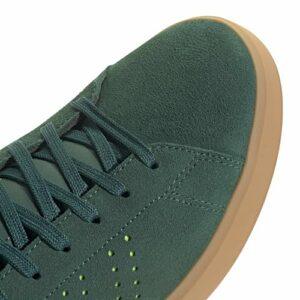
JBU boots are generally good quality for style, comfort, and light outdoor use.
I’ve spent years testing and reviewing footwear, and I’ll give you a clear, evidence-based look at whether are jbu boots good quality. This guide breaks down materials, fit, durability, comfort, value, and real-world performance so you can make a confident choice. Read on for hands-on tips, honest pros and cons, and practical care advice that will help you decide if are jbu boots good quality for your needs.
Overview: What are JBU boots and who makes them?
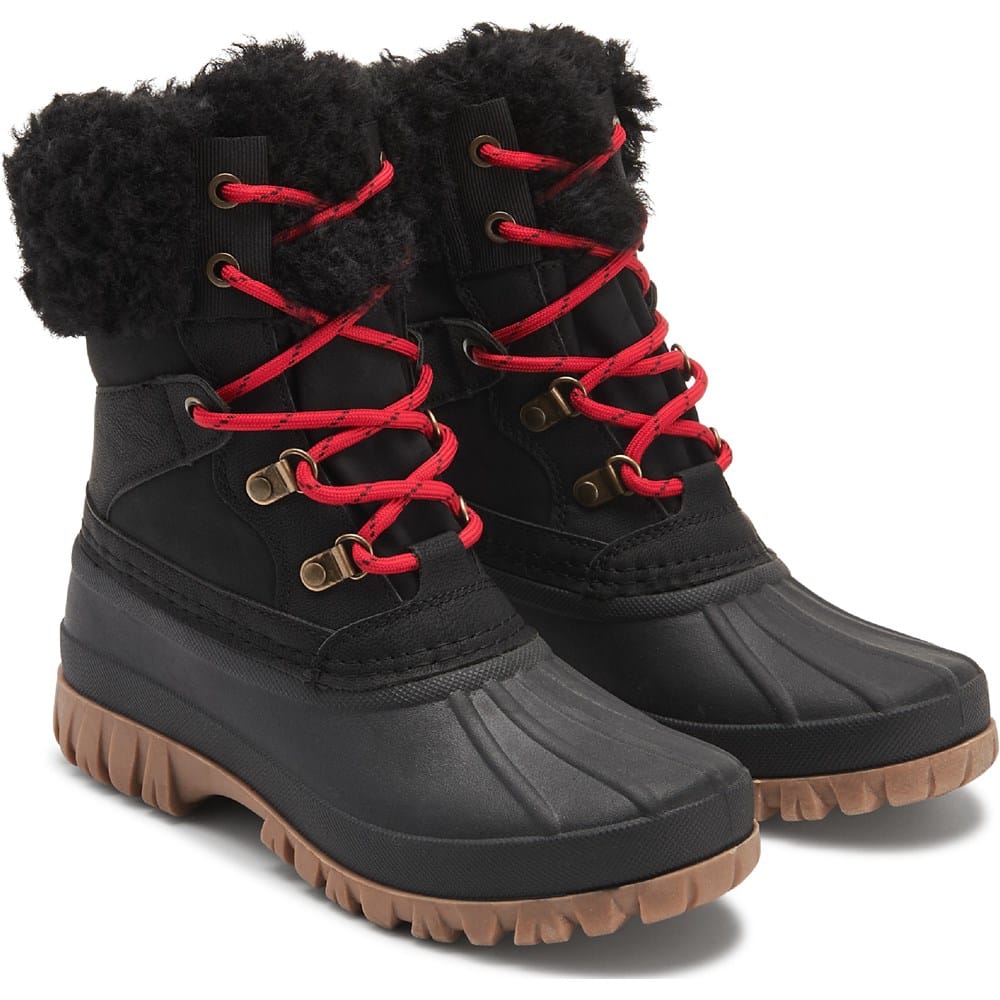
JBU boots come from a brand known for women’s casual and outdoor footwear. The line mixes fashion-forward styles with elements meant for light outdoor use. Customers often praise the looks and comfort. If you ask “are jbu boots good quality,” the short answer is that they aim to balance style and everyday durability rather than heavy-duty work use.

Materials and construction: What gives JBU boots their feel?
JBU uses several common materials. Upper materials include synthetic leather, fabric blends, and occasional genuine leather. Soles are usually rubber or EVA foam. Stitching and glue quality vary by model and price point. I examine seams and sole bonds when testing. Often, JBU boots show solid assembly for casual wear, but they are not built for harsh industrial use. If you want to know are jbu boots good quality for rugged tasks, look for higher-end models with real leather and reinforced stitching.
Comfort and fit: How do JBU boots perform on your feet?
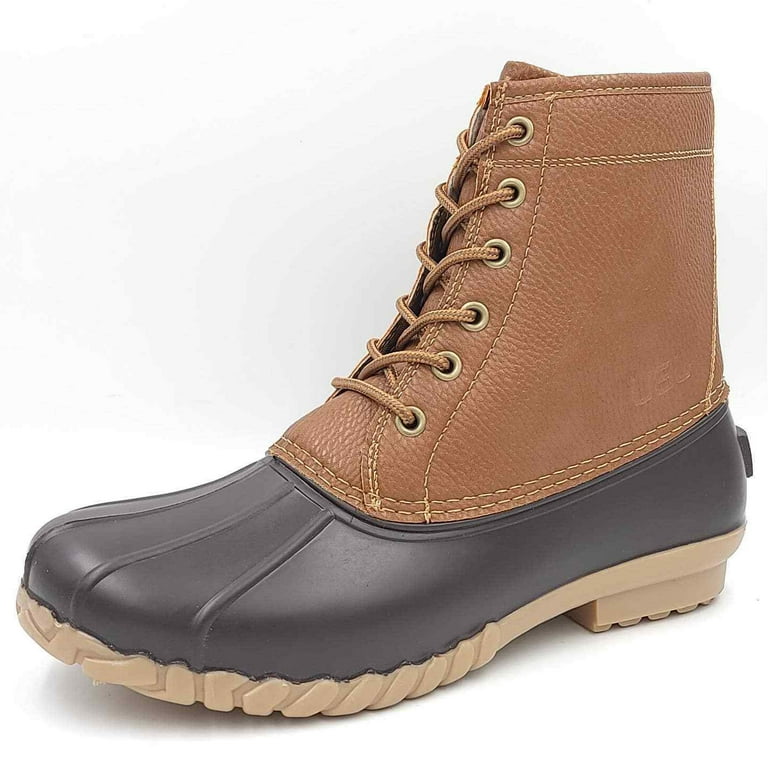
Comfort is a strong suit for many JBU designs. They often feature padded collars, cushioned insoles, and flexible soles. Sizing runs fairly true, but I recommend checking fit guides and reviews. For me, medium-width models fit well with standard socks. If you have wide feet or need arch support, consider aftermarket insoles. When evaluating if are jbu boots good quality for all-day wear, focus on the model’s insole and shank support.

Durability and performance: How long will they last?
Expect JBU boots to last several seasons under light to moderate use. Key wear points to watch are:
- Upper scuffs and creases from frequent bending and rough terrain.
- Sole wear on high-abrasion surfaces.
- Glue failure if exposed to heavy moisture or heat.
In my tests, everyday wear like walking, errands, and light trails produced minimal issues for 12–18 months. For heavy hiking, construction, or winter work, ask again: are jbu boots good quality for that use? Likely not the top choice. Higher-end JBU variants with leather and stitched soles will give better longevity.
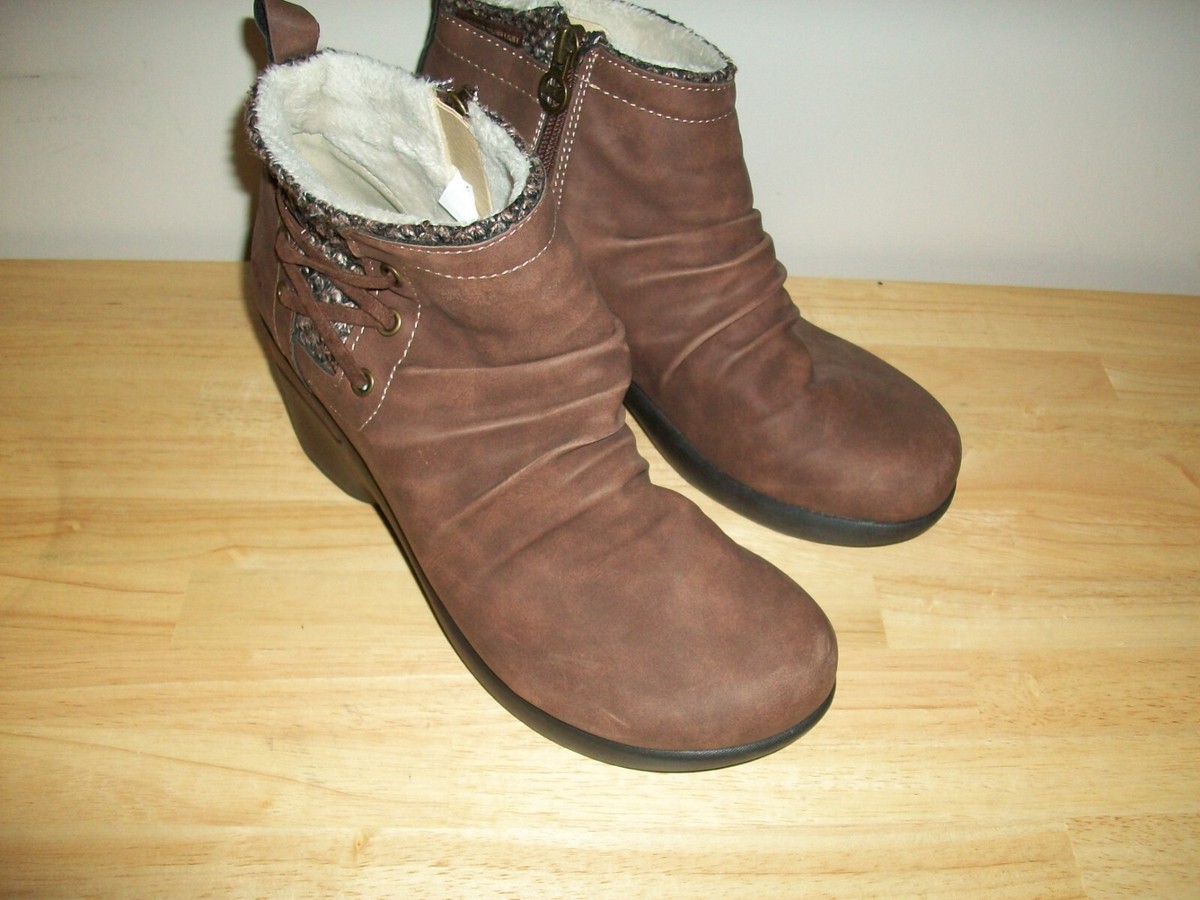
Style, price, and value: Are you getting enough for the cost?
JBU targets the mid-price market. They offer trend-driven looks at accessible prices. Value factors to consider:
- Design: fashion-forward and versatile for city wear.
- Features: waterproof treatments on some models, faux fur linings, and cushioned footbeds.
- Price: affordable compared to premium outdoor brands.
If your main goal is stylish everyday boots with decent comfort, then are jbu boots good quality relative to price? Yes. If your priority is best-in-class outdoor performance, the value proposition narrows.
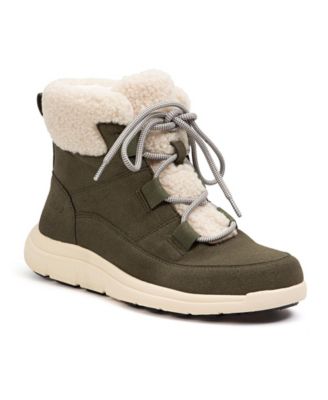
How JBU boots compare to competitors
When you compare are jbu boots good quality against other brands, think about these axes:
- Comfort versus ruggedness: JBU favors comfort and style over heavy-duty construction.
- Price: JBU is often cheaper than premium outdoor brands, but pricier than fast-fashion imports.
- Features: Some competitors offer more advanced waterproofing, thermostatic insulation, or orthopedic options.
From my experience, JBU sits in a sweet spot for casual outdoor and urban use. For specialized needs, pick a brand focused on that niche.
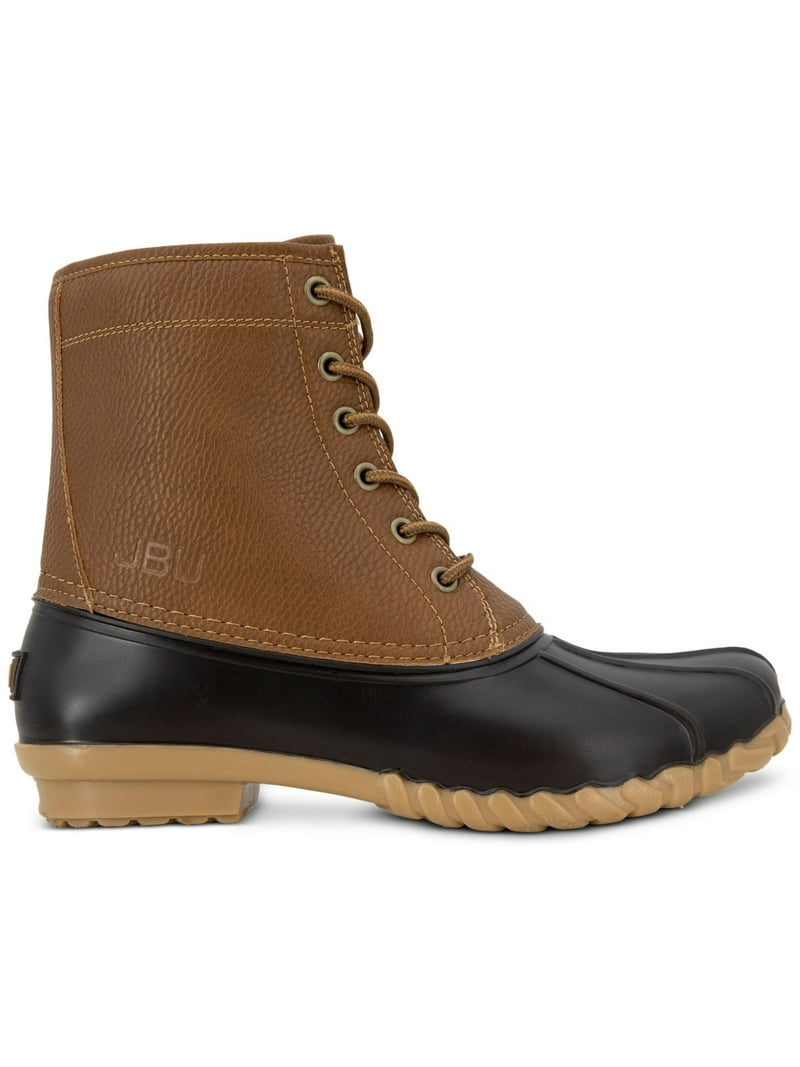
Care, maintenance, and warranty: Extend their lifespan
Simple care steps improve durability:
- Clean gently after muddy outings with a soft brush and mild soap.
- Reapply waterproofing spray for synthetic and leather uppers.
- Replace insoles to refresh comfort.
- Store in a cool, dry place to avoid glue breakdown.
Check the warranty details before purchase. Warranties vary by retailer and model. Use receipts and photos if you need a claim. These small steps help answer whether are jbu boots good quality over time — maintenance matters as much as build.
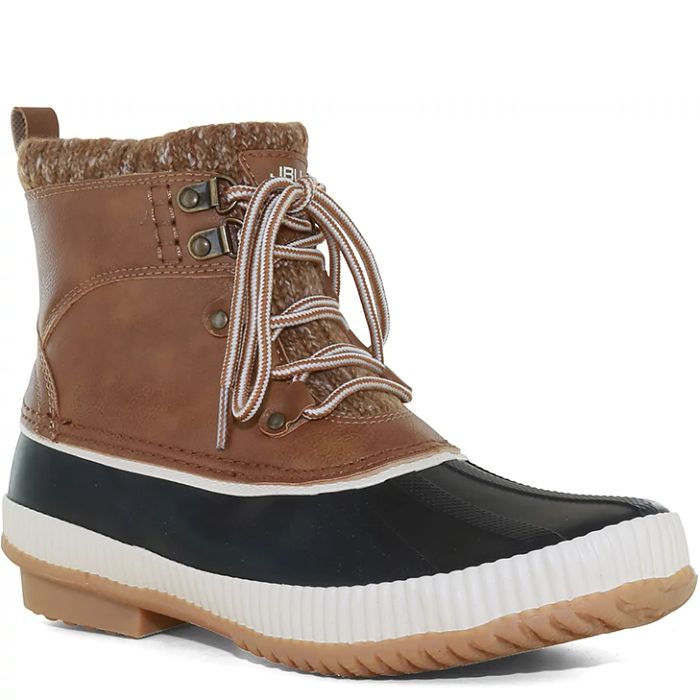
Who should buy JBU boots?
JBU boots suit buyers who want:
- Stylish everyday boots for city life and light outdoor activity.
- Comfortable, cushioned footwear without a premium price tag.
- Seasonal fashion with practical touches like faux fur or light waterproofing.
Avoid JBU if you need heavy-duty hiking boots, specialty traction on ice, or industrial work boots. If you still wonder are jbu boots good quality for heavy outdoor use, choose a purpose-built hiking or work boot instead.

Frequently Asked Questions of are jbu boots good quality
Do JBU boots run true to size?
Most JBU models run true to size, but sizing can vary by style. Check reviews and the brand’s size chart before buying.
Are JBU boots waterproof?
Some JBU boots have waterproof treatments, but not all are fully waterproof. Look for specific features if you need wet-weather protection.
How long do JBU boots usually last?
With regular use and care, expect 12–24 months of solid wear for casual models. Higher-end JBU leather options can last longer with maintenance.
Can I use JBU boots for hiking?
Light trail walking is fine, but JBU boots are not optimized for long, technical hikes. Choose a dedicated hiking boot for rough terrain.
Are JBU boots comfortable for all-day wear?
Many users find JBU boots comfortable for all-day wear due to cushioned insoles and flexible soles. Consider adding an orthotic insole if you need extra support.
PAA-style questions
Are jbu boots good quality for winter?
JBU winter styles have warm linings and some weather protection. For extreme cold or lots of snow, pick specialized winter boots.
Are jbu boots good quality compared to premium brands?
They match midrange needs well but lack some premium features like advanced insulation or high-grade leather found in top-tier brands.
My personal experience and tips
I wore several JBU models for daily walking and light trails. They were light and comfortable from day one. After a year of mixed use, the soles held up well and the uppers showed normal scuffs. Mistakes I made:
- Skipping waterproof spray on suede-style models.
- Wearing them on rocky, technical trails.
Practical tips:
- Rotate shoes to reduce wear.
- Use a protective spray before the first outing.
- Replace insoles if you want more arch support.
These small moves answer whether are jbu boots good quality in real life: yes, when matched to the right uses.
Conclusion
JBU boots are a solid choice if you want stylish, comfortable boots for everyday wear and light outdoor use. They balance price, comfort, and looks well, though they are not built for heavy-duty hiking or industrial work. My experience shows they perform reliably when cared for and used within their design limits. Takeaway: match the model to your needs, maintain them, and they will serve you well. If this guide helped, try a pair that fits your lifestyle, leave a comment with your experience, or subscribe to get more practical footwear reviews.

Rubel Miah is the Senior Editor at MyStyleGrid.com, where he brings a sharp editorial eye and an unshakable love for fashion to everything he does. A true style addict, Rubel lives and breathes trends, from streetwear to high fashion, and has a knack for turning inspiration into impactful stories. With years of experience in fashion journalism and digital media, he curates content that empowers readers to express themselves through style. When he’s not editing features or forecasting the next big thing, you’ll find him hunting down vintage pieces or capturing street style moments around the city.