Steel toe boots are not inherently bad for winter; they need the right insulation and care.
I’ve spent years testing work boots on chilly job sites and in wet winters, and I can tell you exactly when steel toe boots help — and when they hurt — during cold months. This article explains whether are steel toe boots bad for winter, what causes cold-foot problems, how to adapt boots for safe winter use, and which alternatives make sense for your tasks. Expect practical tips, real-world lessons, and clear buying and care advice so you can choose boots that keep your feet protected, dry, and warm.

How steel toe boots behave in cold weather
Steel toe boots are built for protection. The toe cap blocks heavy impacts and compression. But metal is a good conductor of heat, so steel toe caps can feel colder than the rest of the boot when ambient temperature drops. That alone doesn’t mean are steel toe boots bad for winter — it means you must manage heat loss and moisture.
Cold can also make leather and synthetic uppers stiffer. Soles can harden, reducing traction. Insulation level, lining, waterproofing, and sole compound matter more than the toe material itself. Choose boots rated for the conditions you face, and pair them with winter socks and insoles to counter the cold transfer from the steel toe.

Common concerns: are steel toe boots bad for winter?
People worry about steel toe boots in winter for three main reasons:
- Cold conduction: Steel transfers cold from outside to the toe area, which can make toes feel colder.
- Stiffness and reduced flexibility: Low temperatures can stiffen materials, impacting comfort and gait.
- Traction and wetness: Wet, salty, or icy conditions demand better tread and waterproofing.
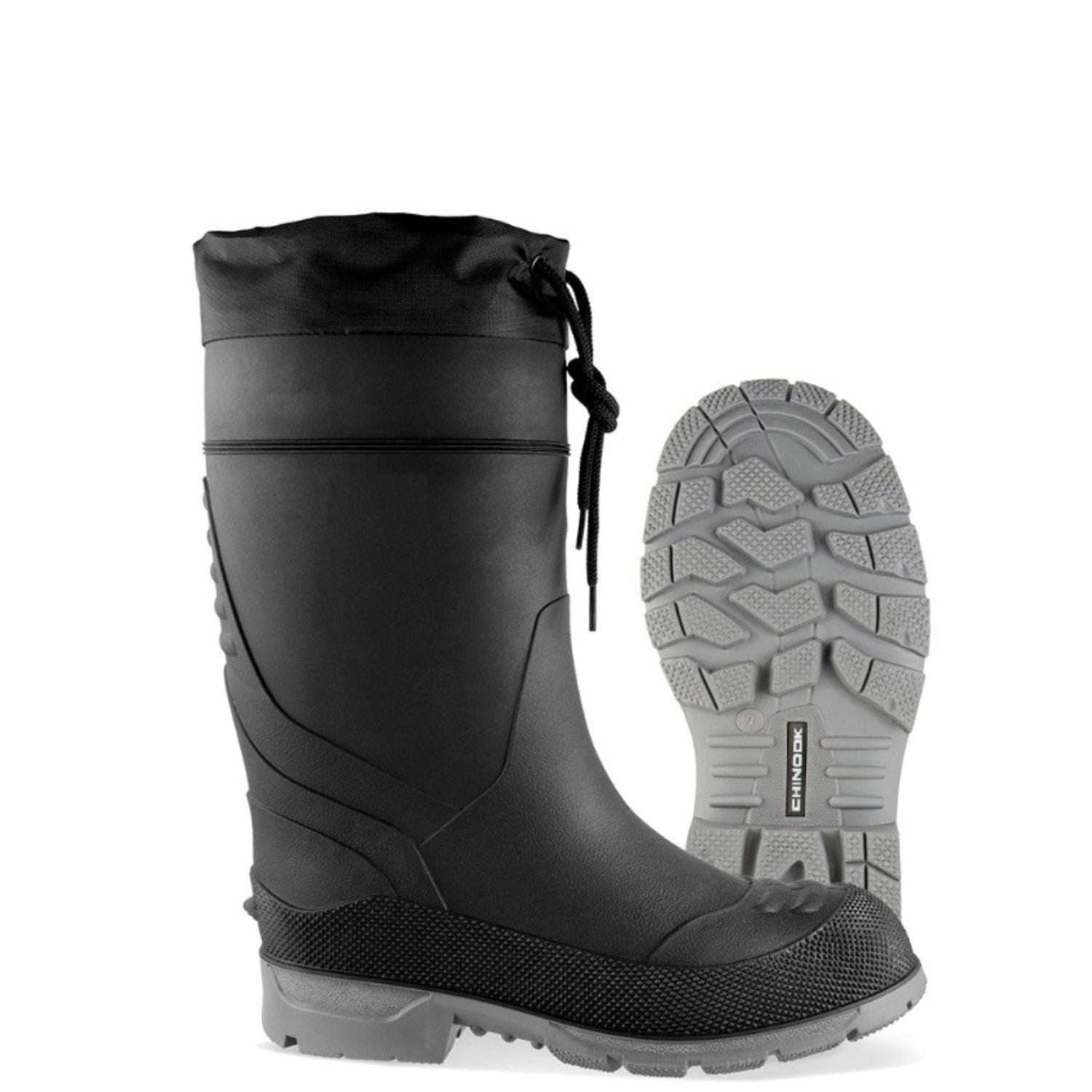
None of these issues makes are steel toe boots bad for winter by default. They are solvable with proper design choices and care. Many winter-rated steel toe boots include insulated linings, thermal footbeds, and rubber outsoles designed for cold grip.
Pros and cons of wearing steel toe boots in winter
Pros
- Strong protection: Steel toe caps offer top-level impact and compression resistance.
- Durability: Many steel toe models are built tough for long-term job use.
- Wide availability: You can find winter-rated models with insulation and waterproof membranes.
Cons
- Cold feel: Without insulation, steel toes can feel colder than composite alternatives.
- Weight: Steel toes tend to be heavier, which can increase foot fatigue in long shifts.
- Metal conductivity: Direct contact with liners may draw heat away from toes faster.
When you weigh these, focus on how the boot handles cold overall — insulation, waterproofing, and sole design usually determine winter performance more than the steel toe itself.
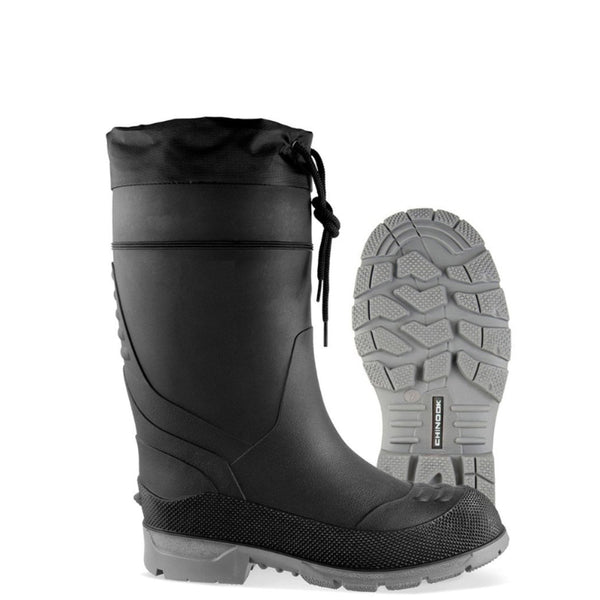
How to make steel toe boots safe and warm in winter
If you already own steel toe boots, these steps will improve winter comfort and safety:
- Add insulating insoles: Thick, thermal insoles reduce heat loss and improve comfort.
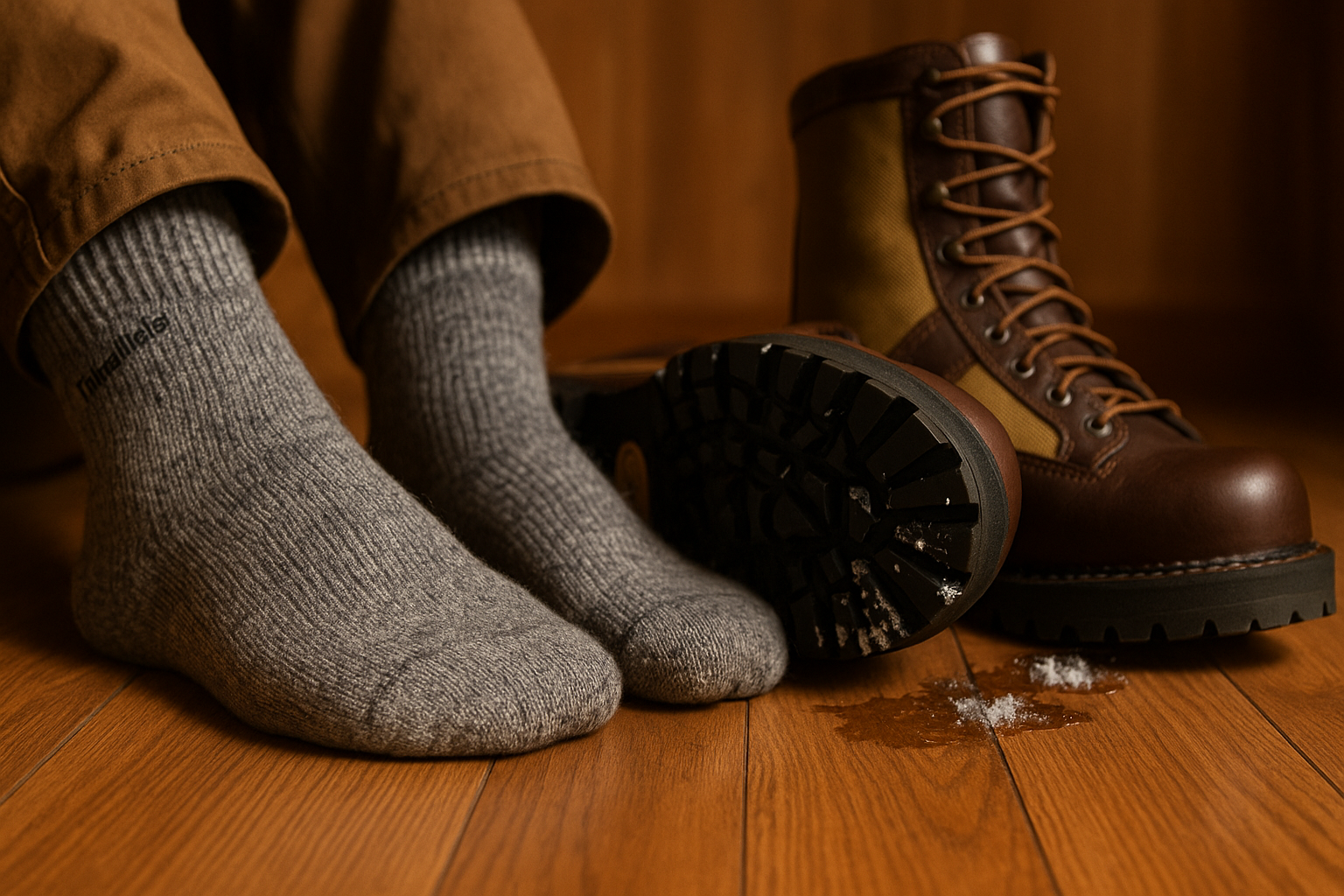
- Wear wool or thermal socks: Wool retains warmth when damp and is better than cotton.
- Use boot heaters or heated insoles for extreme cold: Battery heaters can keep toes comfortable on long shifts.
- Ensure good waterproofing: Apply a suitable treatment or choose boots with a waterproof membrane to avoid wet, heat-sapping feet.
- Break boots in before winter: Flexible boots trap heat better; a proper break-in prevents stiff movement and blisters.
- Upgrade traction: Add winter-rated outsoles or ice grips when working on ice or packed snow.
These steps address the main reasons people ask are steel toe boots bad for winter and turn a standard boot into a winter-ready option.
Alternatives to steel toe boots for winter work
If you still worry that are steel toe boots bad for winter for your needs, consider these options:
- Composite toe boots: Lighter and less conductive than steel, often better at staying warm.
- Alloy toe boots: Lighter than steel and less conductive, but still offer strong protection.
- Insulated winter safety boots: Designed specifically for cold climates with high insulation ratings.
- Overboots and crampons: Use overboots for extra insulation or crampons for better ice traction.
Select based on job hazards, work regulations, and temperature ranges. Composite toes are common in cold-weather jobs where thermal comfort is a priority.

Buying guide: what to look for in winter steel toe boots
Key features that answer whether are steel toe boots bad for winter include:
- Insulation rating: Look for boots labeled for low temperatures or with insulated linings.
- Waterproof membranes: Gore-like membranes or treated leather keep feet dry and warm.
- Thermal insoles: Industry-grade insoles improve warmth without bulk.
- Rubber outsoles rated for cold: Some sole compounds stay flexible in low temps and provide better grip.
- Proper fit with room for socks: Too-tight boots reduce circulation and increase cold risk.
- Weight and balance: Light-but-protective designs reduce fatigue and improve comfort.
Ask your employer about PPE standards and choose boots that meet safety ratings while offering cold-weather features.
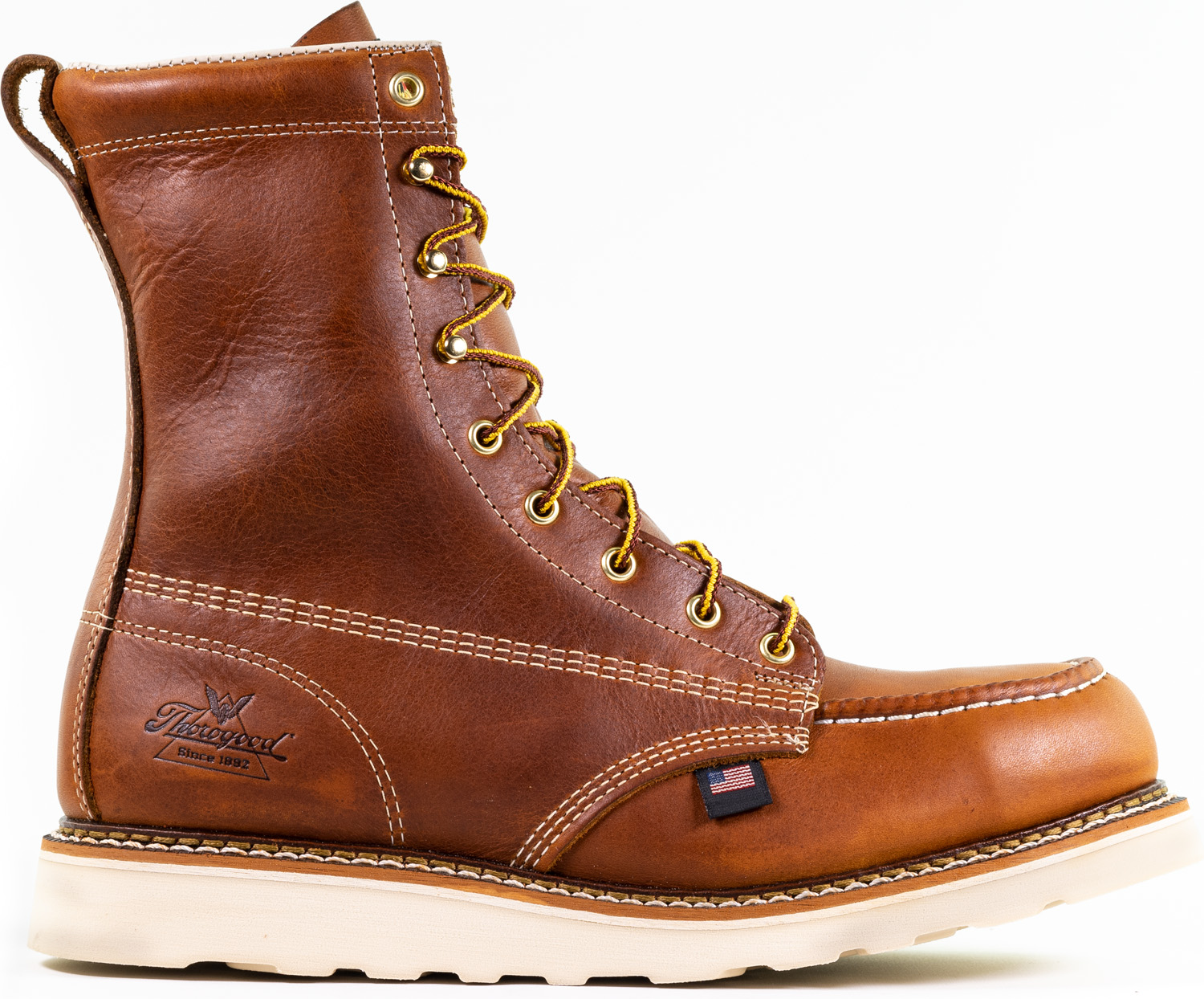
Care and maintenance for winter use
Good care extends performance and keeps feet warm:
- Dry boots after each use: Remove liners and insoles to let them dry thoroughly.
- Clean salt and chemicals promptly: Salt causes leather damage and speeds heat loss.
- Reapply waterproof treatments: Maintain repellency to prevent wetting and cold transfer.
- Replace worn soles and insoles: Old soles lose insulation and traction.
- Store boots at room temperature: Avoid leaving them in freezing trucks overnight.
Proper maintenance ensures your boots continue to answer the question are steel toe boots bad for winter with a confident “not if managed.”
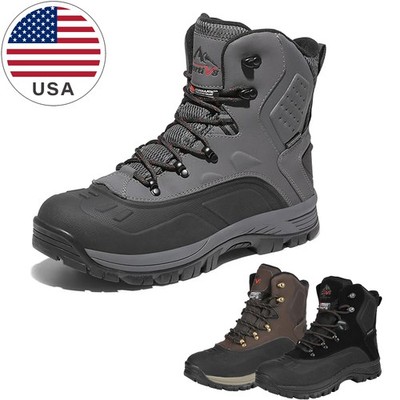
Personal experience and field tips
I’ve worked winter construction shifts wearing both steel toe and composite toe boots. Here’s what I learned:
- One winter, I brought a pair of steel toe boots with thin liners and regretted it on an ice job. My toes felt cold even though the rest of my foot was fine.
- Swapping in thermal insoles and wool socks fixed the problem that same week. The steel toe stopped being an issue.
- For long outdoor shifts in subzero temps, I switched to insulated aluminum-toe boots and kept a lighter steel-toe pair for shop work.
Lesson: Are steel toe boots bad for winter? Only if you ignore insulation and waterproofing. Small changes often make the biggest difference.
Frequently Asked Questions of are steel toe boots bad for winter
Are steel toe boots colder than composite toes?
Steel conducts heat more than composite materials, so steel toe boots can feel colder if left uninsulated. Proper insulation and liners usually eliminate this difference.
Can I wear steel toe boots in wet, icy conditions?
Yes, if the boots are waterproof and have winter-rated soles or you add traction devices. Wet feet and poor tread create most winter hazards.
Do insulated insoles really help?
Yes. Insulated insoles add a thermal barrier between your foot and the cold sole, often making the biggest immediate comfort improvement.
Will steel toes freeze my toes in extreme cold?
Direct freezing of toes is rare; the real risk is reduced circulation from tight boots. Ensure proper fit, insulation, and warm socks to prevent issues.
Are there safety codes that affect choosing steel toe boots for winter?
Many workplaces require toe protection that meets impact and compression standards; alternatives like composite toes often meet those same standards and may suit winter work better.
Conclusion
Steel toe boots are not automatically bad for winter. The real determinants are insulation, waterproofing, sole design, and fit. By choosing winter-rated models, adding thermal insoles, wearing the right socks, and keeping boots dry, you can keep the protection of a steel toe without freezing your feet. Take action: review your current boots against the checklist here, upgrade insoles or footwear if needed, and test them in cold conditions before committing to long shifts. Share your experiences or questions below and subscribe for more practical gear guides.

Rubel Miah is the Senior Editor at MyStyleGrid.com, where he brings a sharp editorial eye and an unshakable love for fashion to everything he does. A true style addict, Rubel lives and breathes trends, from streetwear to high fashion, and has a knack for turning inspiration into impactful stories. With years of experience in fashion journalism and digital media, he curates content that empowers readers to express themselves through style. When he’s not editing features or forecasting the next big thing, you’ll find him hunting down vintage pieces or capturing street style moments around the city.