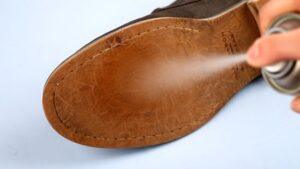
Most shoes can be dry cleaned, but success depends on material, construction, and the cleaner's methods.
I’ve worked with garment care pros and shoe restorers for years, so I know when dry cleaning helps — and when it harms. This guide answers can you dry clean shoes in clear, practical terms. You’ll learn which materials are safe, how cleaners treat footwear, alternatives to dry cleaning, and simple steps you can use at home or before you hand shoes to a pro. Read on to make smarter choices for your shoes and wallet.

Understanding dry cleaning and shoes
Dry cleaning uses organic solvents instead of water to remove stains and soils. The process is gentle on many fabrics. But shoes are not garments. They have soles, glue, padding, and layered materials that react differently.
Can you dry clean shoes depends on three things:
- Material of the upper
- How the shoe is constructed
- Type of stain or odor
Most professional cleaners separate shoes from clothing loads. They use hand treatments, gentle solvent baths, and air drying. Some use specialized machines for leather or suede. But not every shop offers shoe service. Ask before you drop off.
PAA-style question: Can dry cleaning remove shoe odors?
- Dry cleaning can reduce some odors by removing oil-based soils and sweat. Persistent odors from the insole or bacteria may need specific sanitizing treatments or replacement insoles.
PAA-style question: Will dry cleaning damage glue or seams?
- Solvents can weaken some adhesives and shrink certain linings. A careful cleaner evaluates construction first, so always check with the provider about risks.
:max_bytes(150000):strip_icc()/shoes-in-washing-machine-GettyImages-1401958599-bb2e36b524d04ea293f5fdd92865cc41.jpg)
Which shoes can be dry cleaned? Material-by-material guide
Understanding materials is the fastest way to answer can you dry clean shoes. Here’s a practical breakdown.
Leather
- Often safe for professional dry cleaning when treated by specialists.
- Risks include loss of finish, dryness, or color changes if improper solvents are used.
- Ask for conditioning after cleaning.
Suede and nubuck
- Generally good candidates for dry clean when using low-solvent processes and brushing tools.
- Dry cleaning can remove stains but may alter nap if handled roughly.
Canvas and fabric
- Many dry cleaners accept canvas and cloth shoes.
- Solvent cleaning can remove oil stains without soaking; for heavy dirt, wet-cleaning methods may be better.
Synthetic materials and mesh
- Can usually be cleaned, but delicate mesh can tear or lose shape.
- Machine washing is often more effective for mesh sneakers than dry cleaning.
Patent leather and high-gloss finishes
- Solvents can dull the shine. Spot cleaning and gentle polish are usually safer.
Decorated or glued shoes
- Embellishments, glued soles, and layered construction increase risk.
- Dry cleaning can loosen glue or detach trims.
How the shoe is made matters as much as the material. If the shoe has glued components, a solvent bath could weaken bonds. When in doubt, consult a shoe repair specialist first.
Risks and limitations of dry cleaning shoes
Dry cleaning is not a magic fix. Know these downsides before you decide.
Potential risks
- Color loss or uneven dye migration
- Leather drying or cracking without conditioning
- Weakening of adhesives that hold soles or trims
- Distortion of shape, especially for soft uppers
Limitations
- Not all stains respond to solvent cleaning; water-based stains might need wet cleaning.
- Odors from bacteria or sweat inside insoles may persist.
- Not all dry cleaners accept shoes or have the right equipment.
Responsible cleaners will test a hidden area first. They should explain possible outcomes and offer alternatives. If a cleaner is vague or unwilling to test, seek a specialist.

How to prepare shoes for dry cleaning — step-by-step
A little prep protects your shoes and improves results. Follow these steps before handing shoes to a dry cleaner.
- Inspect and note
- Check for loose stitching, separated soles, or missing trims.
- Photograph shoes and note problem areas.
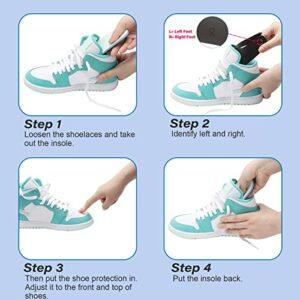
- Remove inserts and laces
- Take out insoles, orthotics, and laces. These often clean best separately.
- Brush off loose dirt
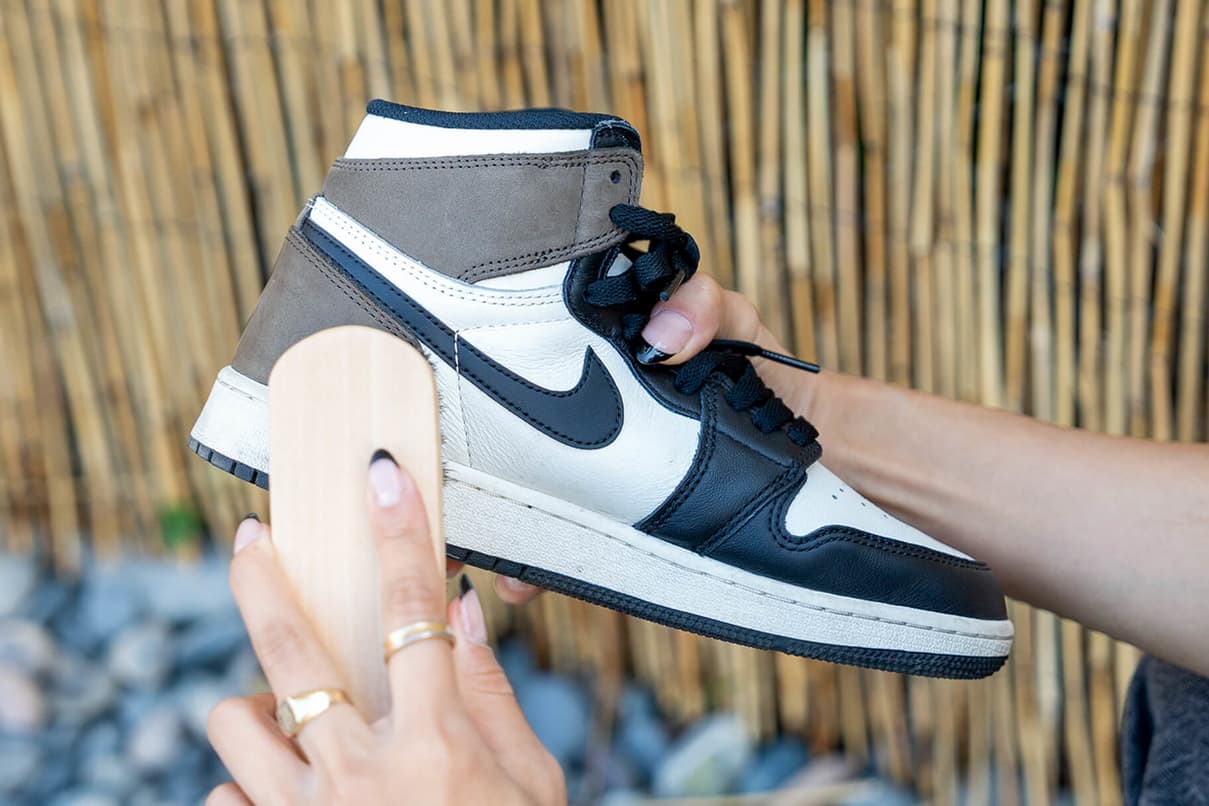
- Use a soft brush to remove dust, mud, and surface debris.
- Point out stains and concerns
- Show the cleaner the exact spots and explain odors or prior repairs.
- Get a written estimate and ask about methods
- Ask whether they use solvent-only, wet-cleaning options, or leather-specific treatments.
- Ask about conditioning and reproofing for leather.
- Ask about guarantees
- Some specialist shops offer repair or restoration guarantees; get that in writing if possible.
These steps reduce surprises and help the cleaner choose the right method.
Alternatives to dry cleaning shoes
Dry cleaning is one option, but not the only approach. Here are alternatives to consider.
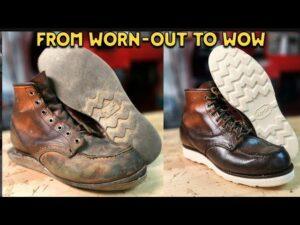
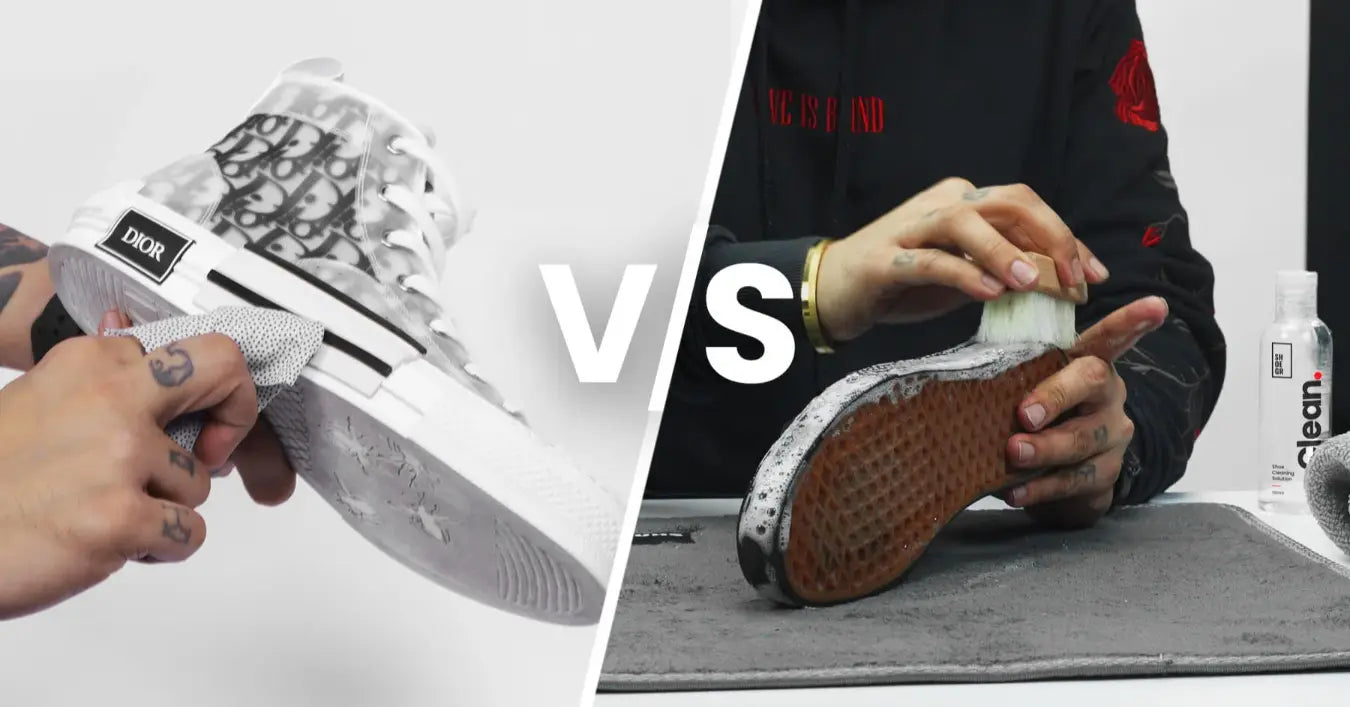
Professional shoe cleaning and restoration
- Shoe repair shops often specialize in leather, suede, and sole repairs.
- They can replace insoles, re-glue soles, and recolor finishes.
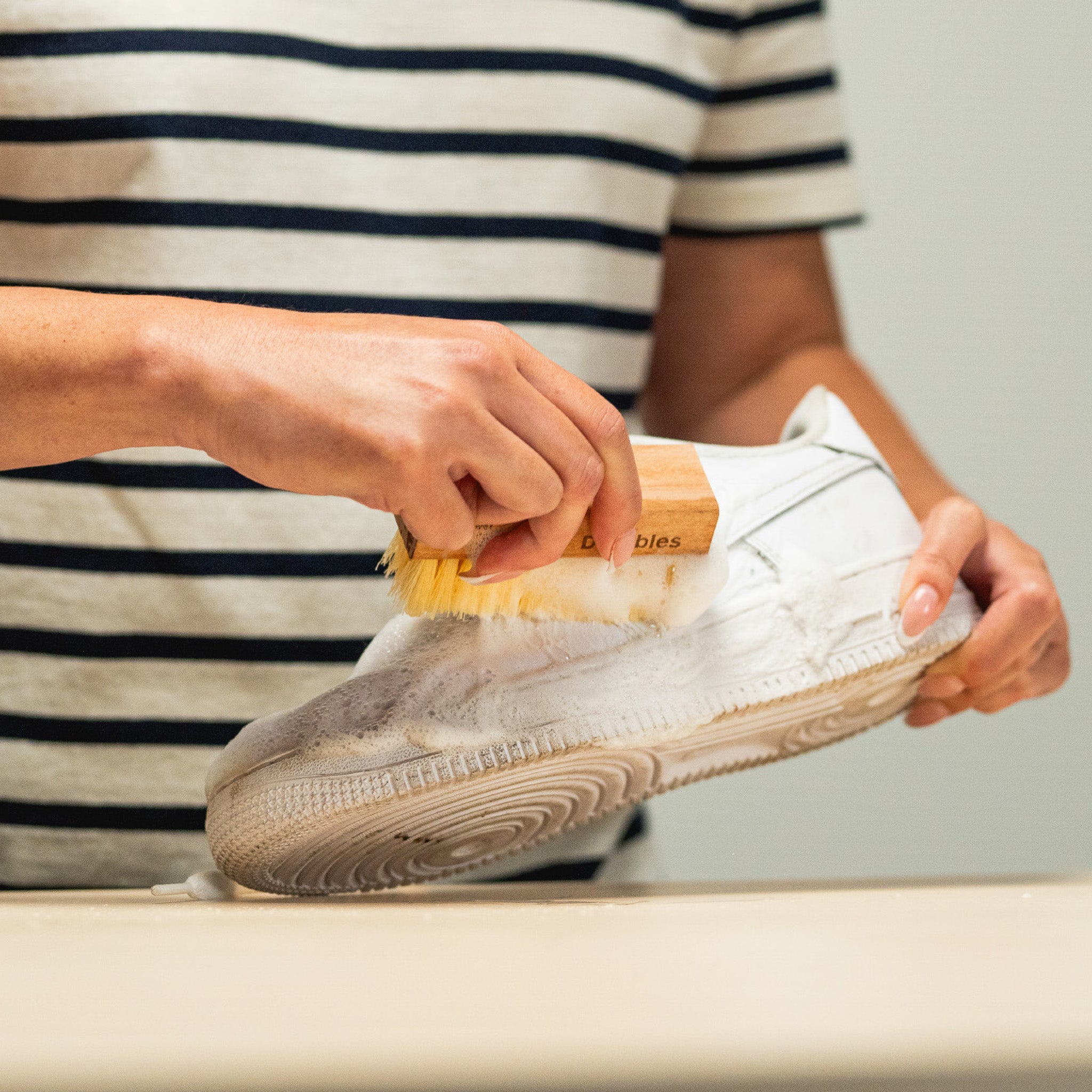
Wet cleaning and hand washing
- Mild soap and water work well for canvas and some synthetics.
- Use a soft brush, quick rinses, and air drying to avoid shrinkage.
Machine washing
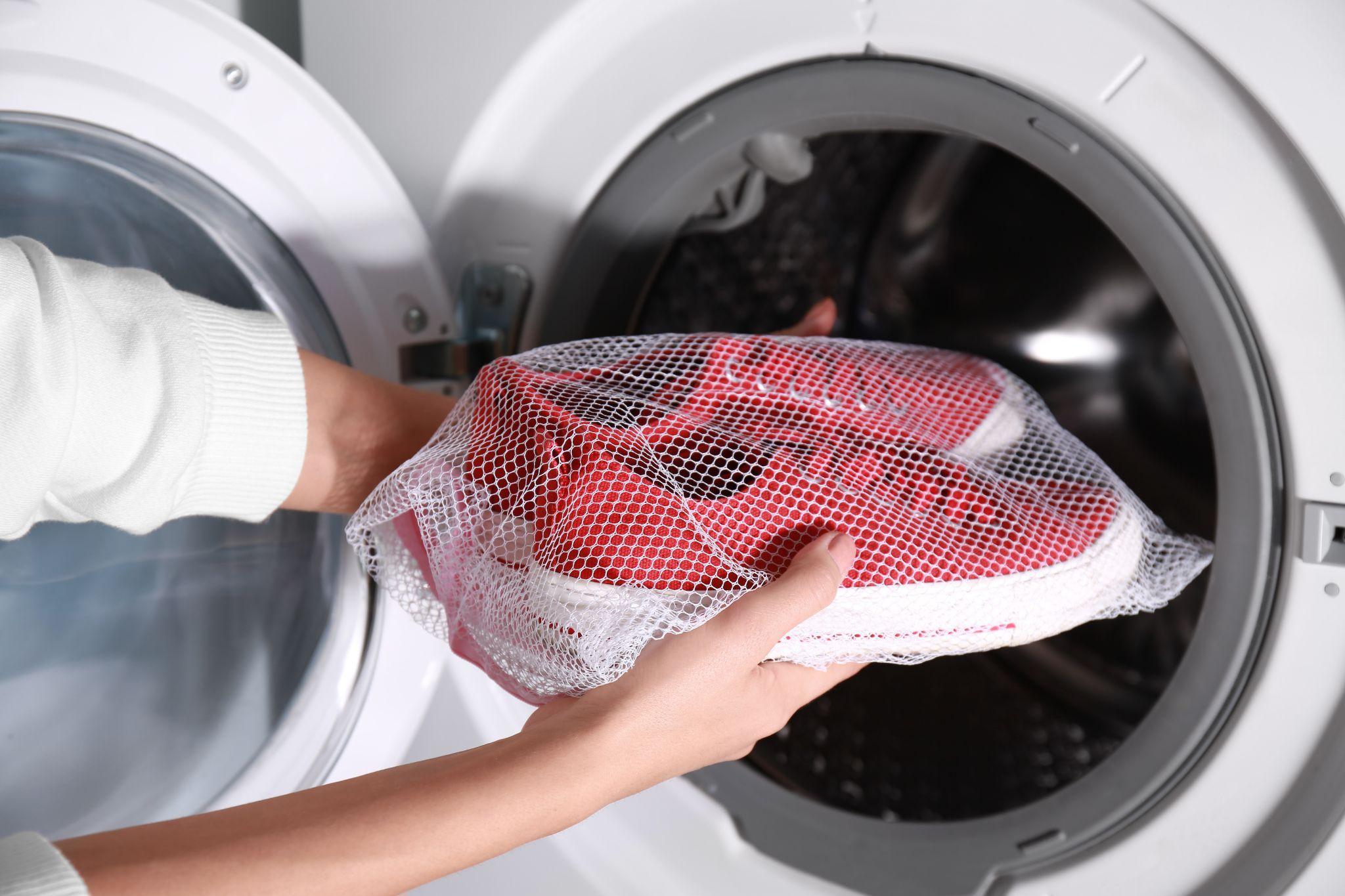
- Some canvas or fabric sneakers survive a gentle machine cycle if placed in a mesh bag and air-dried. Avoid for leather, suede, or shoes with glued parts.
Spot cleaning and home remedies
- Baking soda can help odors.
- White vinegar diluted with water can lift some stains.
- Always test an inconspicuous spot first.
Sanitizing treatments
- UV or ozone sanitizers target bacteria causing odor.
- Steam cleaning can loosen grime but may affect adhesives.
Choosing the right method depends on the shoe and the problem. When in doubt, combine professional advice with careful home care.

Cost, turnaround, and when to choose dry cleaning
Price and timing vary widely. Here’s what to expect and when to opt for dry cleaning.
Typical costs
- Basic shoe cleaning often ranges from low to moderate depending on location and material.
- Leather conditioning, suede treatments, or restoration add to the cost.
- Major repairs like sole replacement are billed separately.
Turnaround time
- Simple cleanings may take a few days.
- Restoration work can take a week or more.
When to choose dry cleaning
- Shoes with oil-based stains on fabric or delicate dyes.
- Vintage or high-value shoes where wet cleaning could harm the material.
- When you need both stain removal and gentle fabric protection.
When to skip dry cleaning
- Shoes with loose glue or extensive structural issues.
- Very cheap shoes where repair costs exceed replacement value.
Get an estimate and timeline before you commit. A transparent shop will explain methods and possible outcomes.
My experience and practical tips
I’ve sent leather boots and suede trainers to cleaners and tested home methods on canvas sneakers. Here are real lessons I learned.
Lessons learned
- Always remove insoles and laces. A cleaner once treated a pair and the glued insole loosened. Removing it saved the shoe.
- Ask for a spot test. A trusted shop showed me a hidden panel before full cleaning. That prevented color loss.
- Use conditioning after solvent cleaning. Leather felt dry until the shop conditioned it, which restored suppleness.
Practical tips
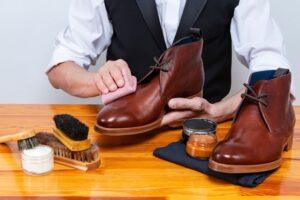
- Keep a small shoe care kit: soft brush, gentle cleaner, leather conditioner, and spare insoles.
- Rotate shoes to let moisture evaporate between wears. This reduces odor buildup that dry cleaning won’t always fix.
- For expensive or sentimental shoes, consider restoration specialists instead of general dry cleaners.
These habits extend shoe life and reduce the need for costly repairs.
Frequently Asked Questions of can you dry clean shoes
How do I know if my shoes are safe for dry cleaning?
Check the material tag and construction. Leather, suede, and some fabrics are usually safe with professional methods, but glued or decorated shoes need a specialist inspection.
Will dry cleaning remove sweat stains and yellowing?
Dry cleaning can remove some oil-based sweat marks but may not fully remove deep yellowing. Intensive whitening often requires targeted treatments or insole replacement.
Can I dry clean my sneakers at home?
No. Home dry cleaning kits are meant for clothing and not built for shoes. Professional services use specialized solvents and equipment suited for footwear.
How long does professional shoe dry cleaning take?
Small cleanings can take 2–5 days. Restoration work can take one to several weeks, depending on parts and complexity.
Does dry cleaning sanitize shoes?
Dry cleaning reduces some bacteria and odor by removing soils, but it is not a guaranteed sanitizing method. For bacterial odors, ask for specific deodorizing or sanitizing services.
Conclusion
Dry cleaning can be a safe and effective way to clean many shoes, especially leather, suede, and delicate fabrics. Success depends on material, construction, and the cleaner’s expertise. When you choose a professional, prepare your shoes, ask the right questions, and request a spot test. If you’re unsure, consider specialized shoe restoration or targeted home methods first.
Take action: inspect your shoes, identify the problem, and call a reputable cleaner with details and photos. Share your experience below or subscribe for more practical shoe-care tips.

Rubel Miah is the Senior Editor at MyStyleGrid.com, where he brings a sharp editorial eye and an unshakable love for fashion to everything he does. A true style addict, Rubel lives and breathes trends, from streetwear to high fashion, and has a knack for turning inspiration into impactful stories. With years of experience in fashion journalism and digital media, he curates content that empowers readers to express themselves through style. When he’s not editing features or forecasting the next big thing, you’ll find him hunting down vintage pieces or capturing street style moments around the city.