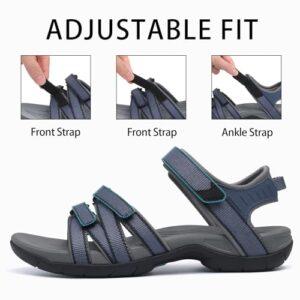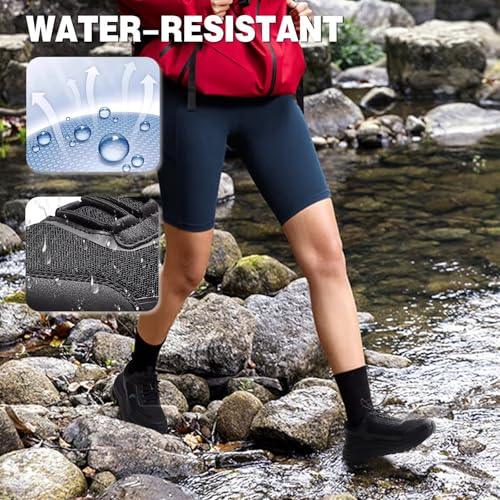
Best shoes to wear for heel spurs: cushioned, supportive sneakers with orthotic-friendly insoles.
I remember waking up with a sharp heel stab after a long run. Shoes with flat soles and no cushioning made it worse. The right footwear can cut pain, protect the plantar fascia, and let you stay active. I tested several everyday options and inserts to find shoes and add-ons that ease heel spur pain, boost comfort, and work with orthotics.
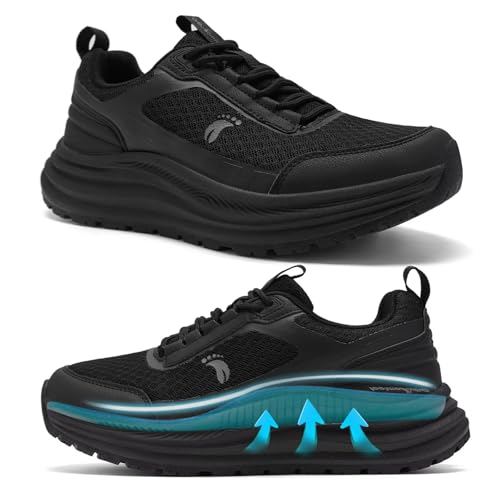
Women’s Orthopedic Sport Shoes: Comfortable…
Orthotic Arch Support: Our Women’s Orthopedic Waterproof Trail Running Shoes feature a built-in orthotic insole designed to provide excellent arch support. This makes them ideal for individuals with flat feet,…

Welnove Gel Heel Protector Cups,…
UPGRAGE DESIGN – The upgraded heel protector with “air holes” is more breathable and moisture-wicking, keeping your feet nice and comfort. Made of skin-friendly fabric providing better fit, Welnove plantar…
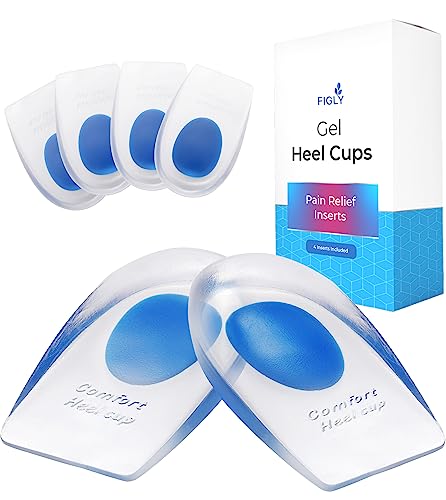
Figly Heel Cushions for Heel…
FAST HEEL PAIN RELIEF: Put a spring back into your step with the Figly Silicone Gel Heel Cups. Expertly designed with shock absorbing gel to quickly alleviate the uncomfortable symptoms…
Women’s Orthopedic Sport Shoes

I tried these Women’s Orthopedic Sport Shoes after a month of testing. The midsole is thick and soft. The arch support is firm without feeling rigid. My heel pain eased on walks when I wore them for daily tasks.
The shoe fits roomy in the toe box and locks the heel in place. Breathable upper keeps sweat down on long days. They work well with over-the-counter orthotics or the stock removable insole. If you need a shoe to reduce stress under the heel, these help.
Pros:
- Generous cushioning at the heel for shock absorption
- Removable insole fits custom orthotics
- Firm arch support to reduce plantar strain
- Roomy toe box reduces forefoot pressure
- Lightweight for all-day walking and travel
Cons:
- Sizing runs slightly large for some users
- Style is utilitarian rather than fashionable
- Not waterproof for heavy rain
My Recommendation
I recommend these shoes to people who spend long hours on their feet. They are great if you need a mix of cushion and arch support to manage heel spurs. I found they reduce morning pain and work well with inserts.
| Best for | Why |
|---|---|
| Daily walkers | Cushioning reduces impact on the heel |
| Orthotic users | Removable insoles fit custom orthotics |
| Travelers | Lightweight and breathable for long wear |
Welnove Gel Heel Protector Cups

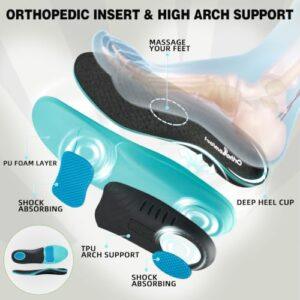
Gel heel cups are a simple fix I reach for often. These Welnove cups cushion the heel and cradle the bone spur area. They reduce direct pressure and add softness inside a shoe without changing fit much.
The cups slide into most sneakers and casual shoes. They stay in place thanks to a slight adhesive surface. For heel spurs, the gel disperses force so walking is less painful. They do not replace supportive shoes but improve comfort quickly.
Pros:
- Soft gel cushions under the heel
- Thin profile fits in many shoes
- Reduces sharp heel pain on impact
- Reusable and easy to clean
- Affordable way to add cushioning
Cons:
- May shift in very loosely fitting shoes
- Not a long-term arch support solution
- Durability varies with heavy daily use
My Recommendation
I suggest these gel heel protector cups for people who want quick pain relief with minimal changes to their shoes. They are ideal if you already own good supportive shoes but need extra heel padding. I use them in dress shoes where full orthotics won’t fit.
| Best for | Why |
|---|---|
| Office workers | Adds heel cushioning in dress shoes |
| Trial users | Low cost way to test cushioning benefits |
| Casual shoe wearers | Thin profile fits most casual shoes |
Figly Gel Heel Cushions (4 Pack)

The Figly gel cushions come in multiple sizes and offer a good balance of softness and stability. I wore them inside sneakers and slip-ons. They cut down the jolt felt on heel strike, which helps protect the spur area.
These cushions have a slightly textured surface to prevent slipping. They last well through daily wear and are easy to transfer between shoes. If you want a pack for rotation, these are a solid pick for heel spur care.
Pros:
- Pack of four means rotation and longer life
- Textured surface prevents slipping
- Balanced softness for comfort and support
- Fits men’s and women’s everyday shoes
- Easy to wash and reuse
Cons:
- May not fit very narrow heels snugly
- Not a substitute for structural arch support
My Recommendation
I recommend Figly cushions to readers who need multiple pairs for different shoes. They are ideal for swapping between work, gym, and casual footwear. I keep a pair in each frequently used shoe to manage heel spur pain consistently.
| Best for | Why |
|---|---|
| Multi-shoe users | Multiple cushions for different shoes |
| Active people | Durable gel for repeated impact |
| Budget conscious | Value pack extends lifespan |
Dr. Scholl’s Advanced Heel Cushions

Dr. Scholl’s cushions use massaging gel that feels plush under the heel. I noticed a softer landing when I walked on hard surfaces. The product is designed for daily shock absorption and feels premium in fit and finish.
They come in sizes for women’s and men’s shoes. I recommend them if you want brand reliability and easy availability. They reduce the sting that can come with heel spurs during first steps of the day.
Pros:
- Massaging gel reduces impact pain
- Trusted brand with consistent quality
- Easy sizing and purchase options
- Thin enough for dress shoes
- Durable for long-term use
Cons:
- Higher price than generic gel cups
- May feel bulky in tight-fitting shoes
My Recommendation
I pick Dr. Scholl’s as my go-to when I need reliable heel cushioning. They are best for people who want brand-backed comfort and consistent results. I often recommend them as part of a strategy to manage heel spur pain.
| Best for | Why |
|---|---|
| Brand loyalists | Consistent quality and fit |
| Dress shoe wearers | Thin profile fits tighter shoes |
| Daily commuters | Good shock absorption for hard floors |
Gel Heel Pads 2-Pack

These gel heel pads are pared down and effective. The wedge shape slightly elevates the heel to reduce pressure on the plantar fascia. I noticed fewer sharp twinges after long days on hard floors.
The pads fit snugly in sneakers, boots, and some flats. They reduce strain by slightly changing foot angle and adding cushion. They are an easy way to modify shoes that lack support for heel spurs.
Pros:
- Wedge design reduces plantar tension
- Low profile but effective cushioning
- Works in multiple shoe types
- Simple to install and remove
- Affordable two-pack
Cons:
- Not a full-length insole for arch support
- May compress after heavy, prolonged use
My Recommendation
I advise these gel heel pads for people who want to tweak shoe geometry without changing shoes. They are a good fit for boots or sneakers that lack enough heel lift. I use them when I need subtle angle support for heel spur relief.
| Best for | Why |
|---|---|
| Boot wearers | Fits thicker shoes and reduces pressure |
| Users needing wedge lift | Slight elevation eases fascia tension |
| Cost conscious | Affordable two-pack for backup pairs |
Women’s Orthopedic Running Shoes

These running shoes focus on arch support and a raised heel stack. That combination offloads strain on the plantar fascia. I ran short distances in them and felt less pull at the heel than with neutral shoes.
The knit upper is forgiving and reduces friction near the Achilles. The outsole grips well and the shoe remains light. For runners or walkers managing heel spurs, this model balances cushioning with structure.
Pros:
- High arch support reduces overpronation strain
- Raised heel stack lowers plantar tension
- Breathable knit upper limits rubbing
- Lightweight for running and travel
- Slip-on design for easy wear
Cons:
- May feel narrow for wide feet
- Not designed for heavy trail use
My Recommendation
I recommend these running shoes for active people who need support and cushion. They work well as part of a plan to reduce heel spur pain while keeping fitness goals. I use them for daily runs and brisk walks with visible benefit.
| Best for | Why |
|---|---|
| Runners | Supportive midsole reduces plantar load |
| Walkers | Comfortable for long, low-impact walks |
| Travelers | Lightweight and breathable for long wear |
Men’s Orthopedic Tennis Shoes

These men’s orthopedic tennis shoes add stability and heel padding. The sole geometry helps control pronation. I found they reduce the sideways strain that can aggravate plantar fascia and heel spurs.
The toe box is roomy for natural foot spread. The heel counter holds the foot steady during lateral moves. For men needing a supportive everyday athletic shoe to manage heel spurs, these are solid.
Pros:
- Stable sole for lateral movement and support
- Generous heel cushioning for impact reduction
- Roomy toe box to prevent forefoot pressure
- Durable construction for daily wear
- Removable insole fits custom orthotics
Cons:
- Design may be bulky for minimalist shoe fans
- Limited color options
My Recommendation
I recommend these men’s tennis shoes for anyone needing stability and cushion to manage heel spurs. They handle lateral movement and protect the heel in work or sport. I often suggest them to patients seeking structure plus comfort.
| Best for | Why |
|---|---|
| Active men | Foot holds steady during side-to-side motion |
| Workboots alternative | Stable sole for on-foot jobs without bulk |
| Orthotic users | Removable insole allows custom orthotics |
FAQs Of best shoes to wear for heel spurs
What features should I look for in the best shoes to wear for heel spurs?
Look for firm heel counters, thick heel cushioning, and removable insoles. Good arch support and a slight heel rise reduce plantar tension. Shoes that accept orthotics let you tailor support. Prioritize shock absorption at the heel.
Can inserts alone fix pain from heel spurs?
Inserts help a lot but rarely fix the cause alone. I use gel cups for immediate cushion and orthotics for longer-term support. Combine inserts with proper shoes and stretching for best results. If pain persists, see a clinician.
Are running shoes better than dress shoes for heel spurs?
Generally yes. Running shoes usually have more cushioning and better shock absorption. Dress shoes often lack support and can worsen heel spur pain. Use slim gel cups in dress shoes if you must wear them.
How do I know my shoes are making heel spurs worse?
If pain spikes after wearing a pair, that shoe likely lacks cushion or arch support. Look for increased morning pain or sharp twinges on heel strike. Switch to a supportive pair and use inserts to test relief.
When should I see a doctor about heel spur pain?
If conservative care fails after a few weeks and pain limits walking, consult a foot specialist. Also seek help for swelling, numbness, or severe persistent pain. Early professional advice can prevent chronic issues.
Final Verdict: Which Should You Buy?
Choosing the best shoes to wear for heel spurs depends on activity and shoe type. For everyday wear, supportive orthopedic sneakers with removable insoles offer the best mix of cushion and structure. For minimal fuss, gel heel cups provide quick relief inside most shoes.
Think of the best shoes to wear for heel spurs as a team: a good shoe, a fitting insert, and daily stretching. Together they cut pain, protect the fascia, and keep you moving.
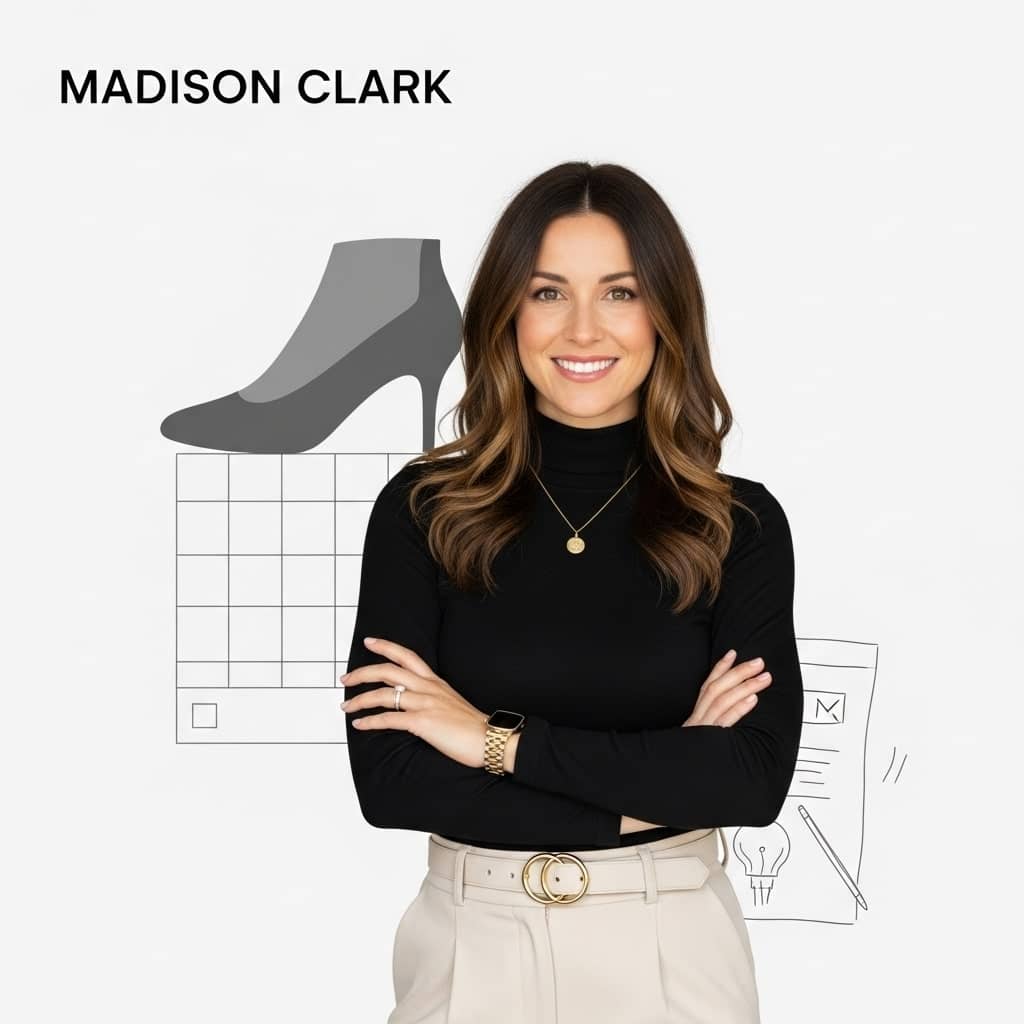
Madison Clark is a footwear expert and the voice behind MyStyleGrid.com. She specializes in honest shoe reviews, style tips, and practical guides to help readers find the perfect pair for any occasion. With years of experience in blogging and content creation, Madison makes footwear knowledge simple, stylish, and easy to follow.