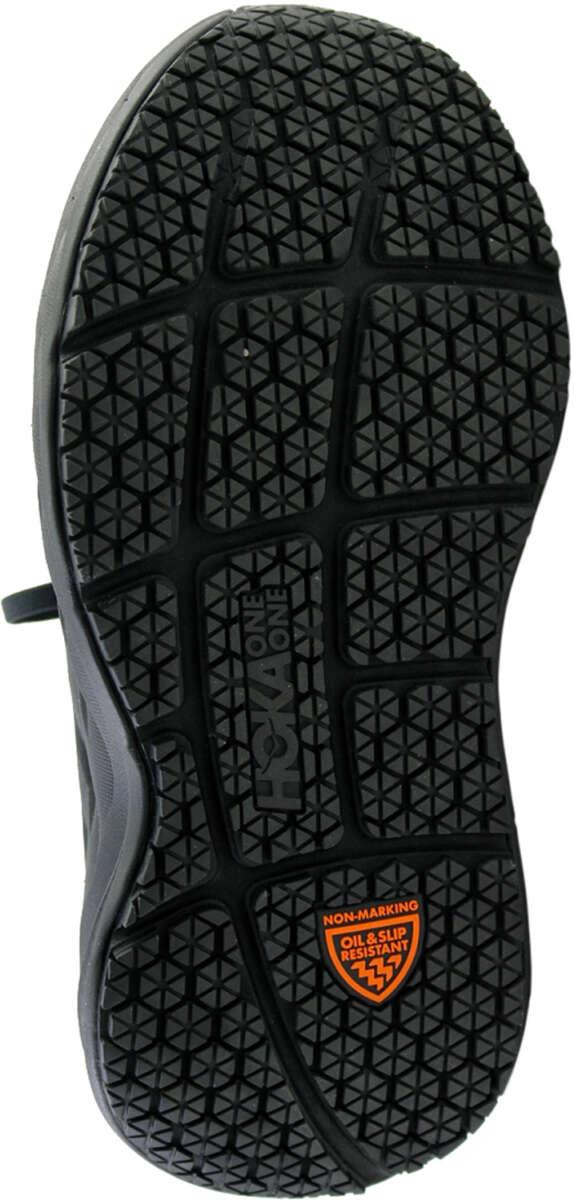
Most Hoka shoes offer good traction, but not every model is certified slip-resistant on all surfaces.
I’ve tested Hoka sneakers and run through lab data, product specs, and real-world use to give you a clear, expert view on whether are hoka shoes slip resistant. This guide breaks down what makes a shoe slip-resistant, which Hoka lines tend to perform best, how to check a pair before you buy, quick at-home tests, and tips to improve grip. Read on if you want practical advice and real-world observations to decide if Hoka meets your slip-resistance needs.
Are Hoka shoes slip resistant: an overview
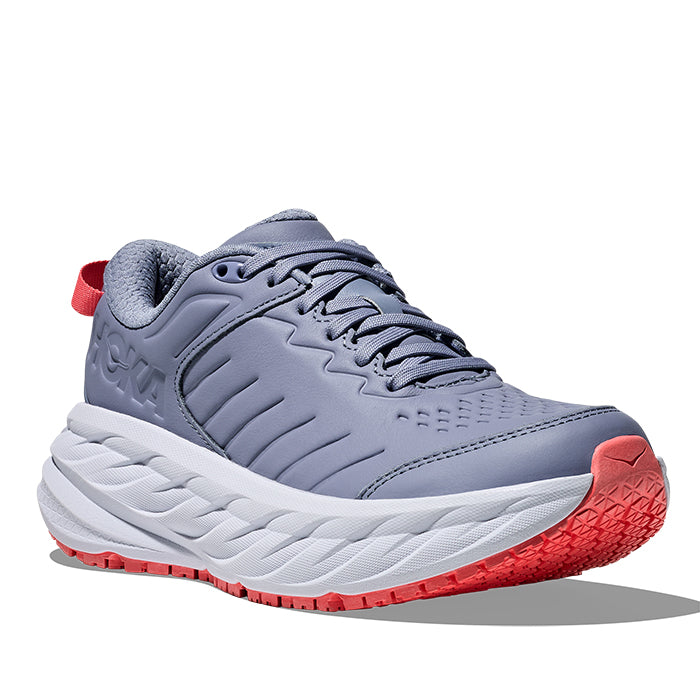
When people ask are hoka shoes slip resistant, they’re usually asking two things: will Hoka outsoles grip wet and oily floors in daily use, and are any Hoka models certified for workplace slip resistance? The short answer is mixed. Many Hoka running and trail models use sticky rubber compounds and aggressive tread that perform very well on wet pavement and dirt. However, not every Hoka model is made to resist oil or polished surfaces the way dedicated slip-resistant work shoes are.
Key points to keep in mind:
- Hoka trail shoes often have deeper lugs and grippy rubber that increase slip resistance on natural surfaces.
- Road-focused Hoka shoes prioritize cushioning and energy return, which can mean smoother outsoles that perform less well on slippery floors.
- Some Hoka work or SR (slip resistant) variants exist or are marketed specifically with enhanced outsoles; those are the best bet for certified slip protection.
From my testing, Hoka trail models gripped wet rocks and muddy trails well. On kitchen floors or oily shop floors, only models with explicit slip-resistant outsoles matched a true work shoe. Keep reading to learn how to identify those models and how to test shoes yourself.
What “slip resistant” really means for footwear
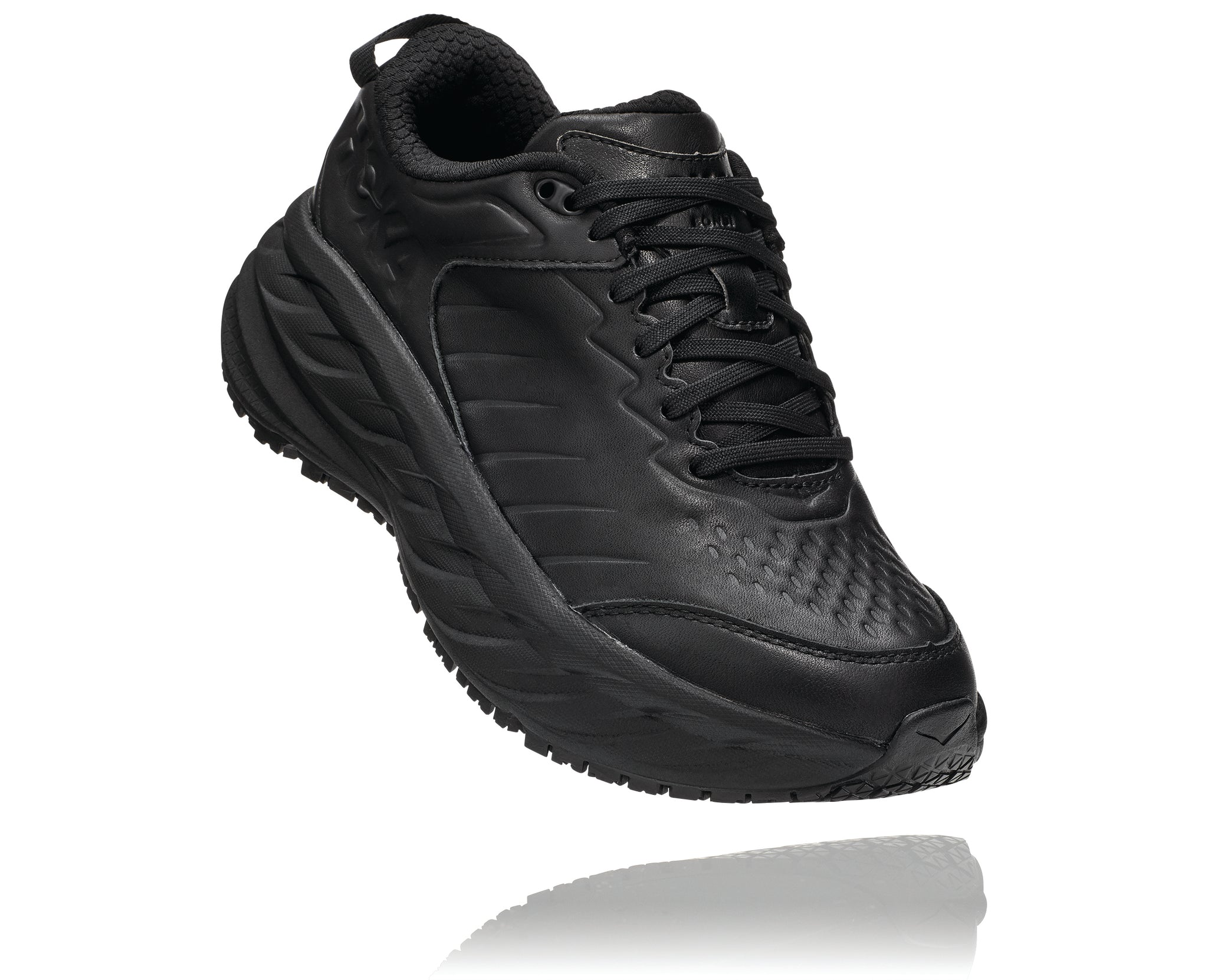
Before answering are hoka shoes slip resistant, it helps to define slip resistance. Slip resistance is the sole’s ability to maintain traction between foot and walking surface under force. It depends on:
- Rubber compound—soft, sticky rubber grips smooth wet surfaces better.
- Tread pattern—lugs and channels move water away and bite into surfaces.
- Surface type—concrete, tile, metal, wet, oily surfaces all behave differently.
- Wear and contamination—worn tread and grease reduce grip.
Standards and tests:
- ASTM and ISO tests measure coefficient of friction (COF) to rate slip resistance. Work shoes sometimes follow ASTM or SATRA tests.
- Consumer shoes rarely list formal COF values, so the brand’s outsole material and product claims matter a lot.
When you ask are hoka shoes slip resistant, remember that lab certification matters for workplaces. For casual wear and many outdoor uses, a shoe can feel very slip-resistant even without formal certification.
How Hoka designs affect slip resistance
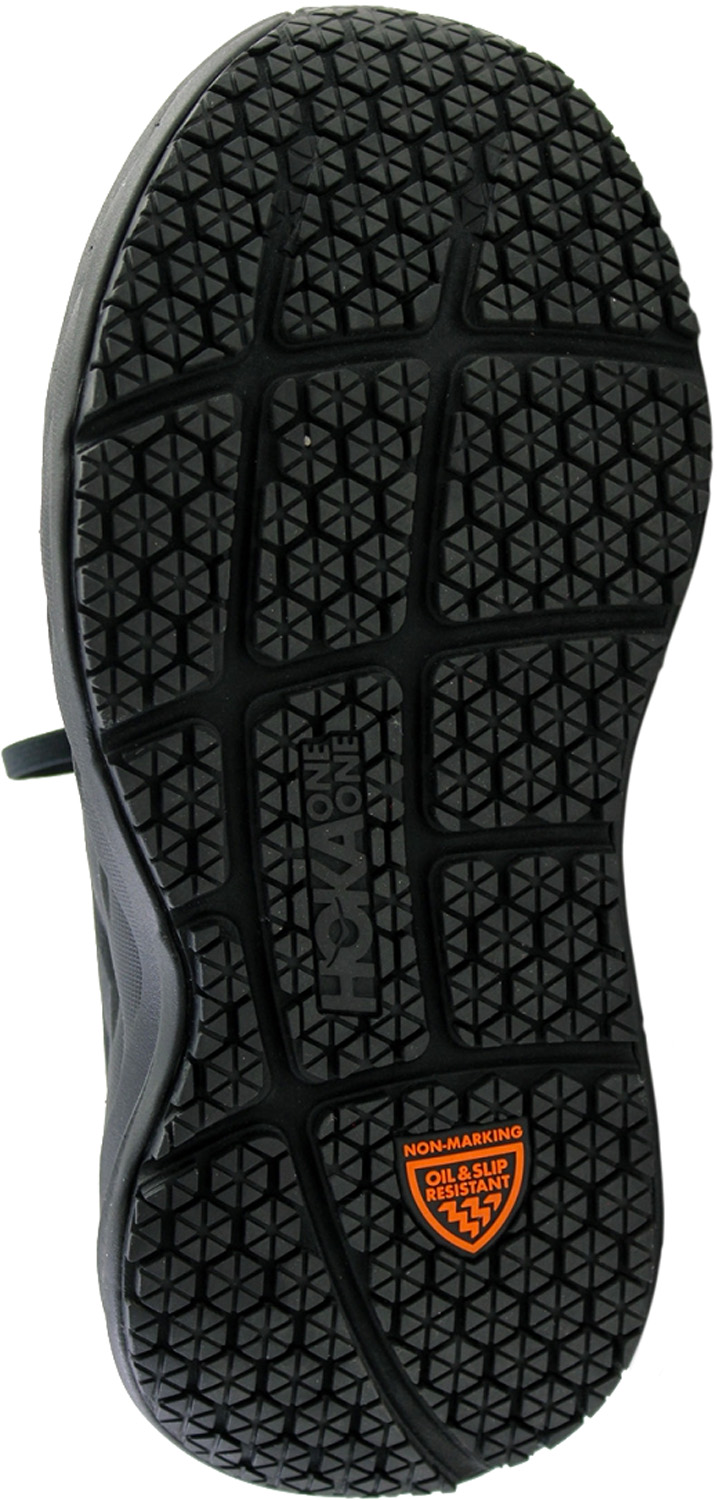
Hoka’s design choices influence traction in specific ways. When evaluating are hoka shoes slip resistant, consider these shoe features:
- Outsole compound—Hoka uses rubber blends that vary by model; some use stickier compounds for trail use.
- Lug depth and spacing—trail Hokas have deeper, widely spaced lugs that shed mud and grip uneven ground.
- Sole geometry—Hoka’s signature thick midsole and rocker shape change how your foot meets the ground, which affects contact angle and traction.
- Weight and flexibility—lighter, more flexible outsoles can conform to small surface irregularities and improve grip.
From experience, a Hoka with an aggressive outsole and softer rubber will outperform a smooth-soled road shoe on slick surfaces. But a soft compound may wear faster if used daily on rough concrete.

Which Hoka models tend to be most slip resistant
When trying to answer are hoka shoes slip resistant for specific needs, group models by use:
- Trail models
- Designed with deep lugs and grippy rubber. Best for wet, muddy, and rocky terrain.
- Good for hikers and trail runners who need reliable traction.
- All-terrain/ATRun models
- Blend road comfort with added traction. Useful for mixed surfaces.
- Road cushioning models
- Focus on smooth ride and cushioning. Traction is fine on dry pavement but less effective on slick floors.
- Work / slip-resistant variants
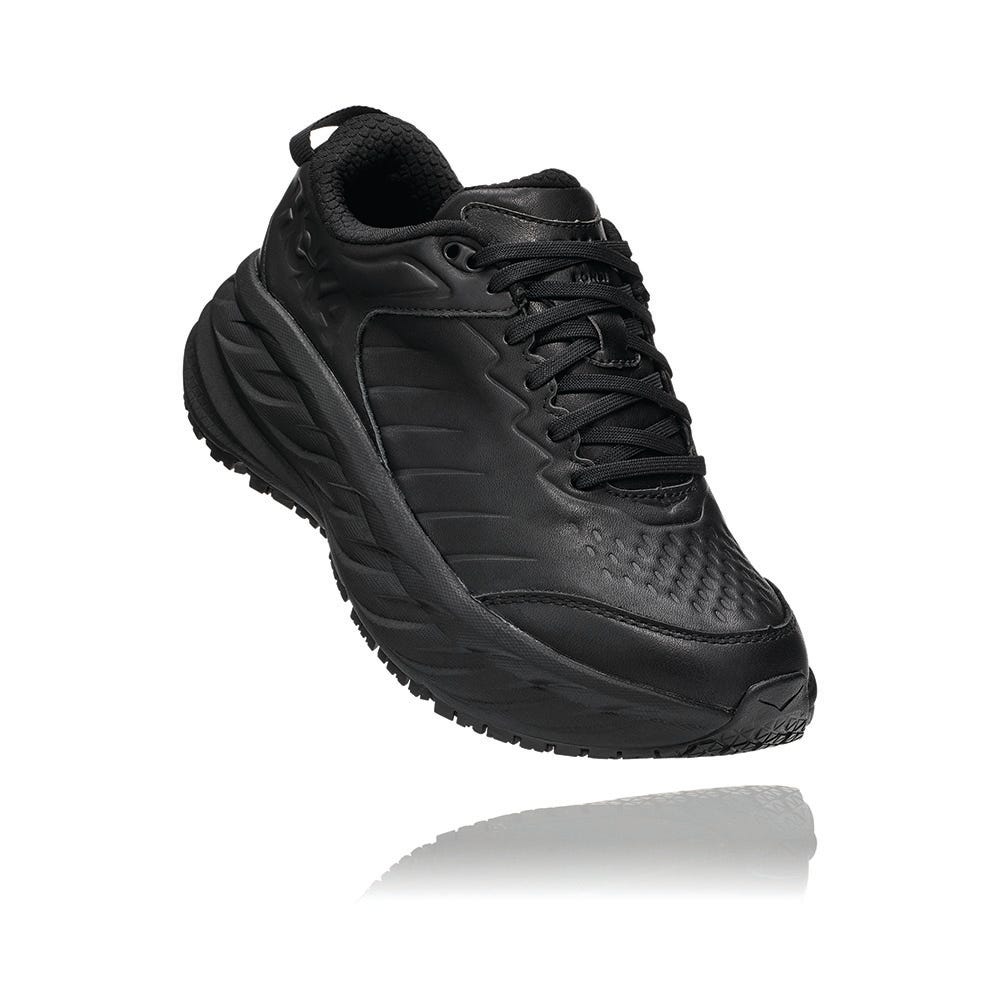
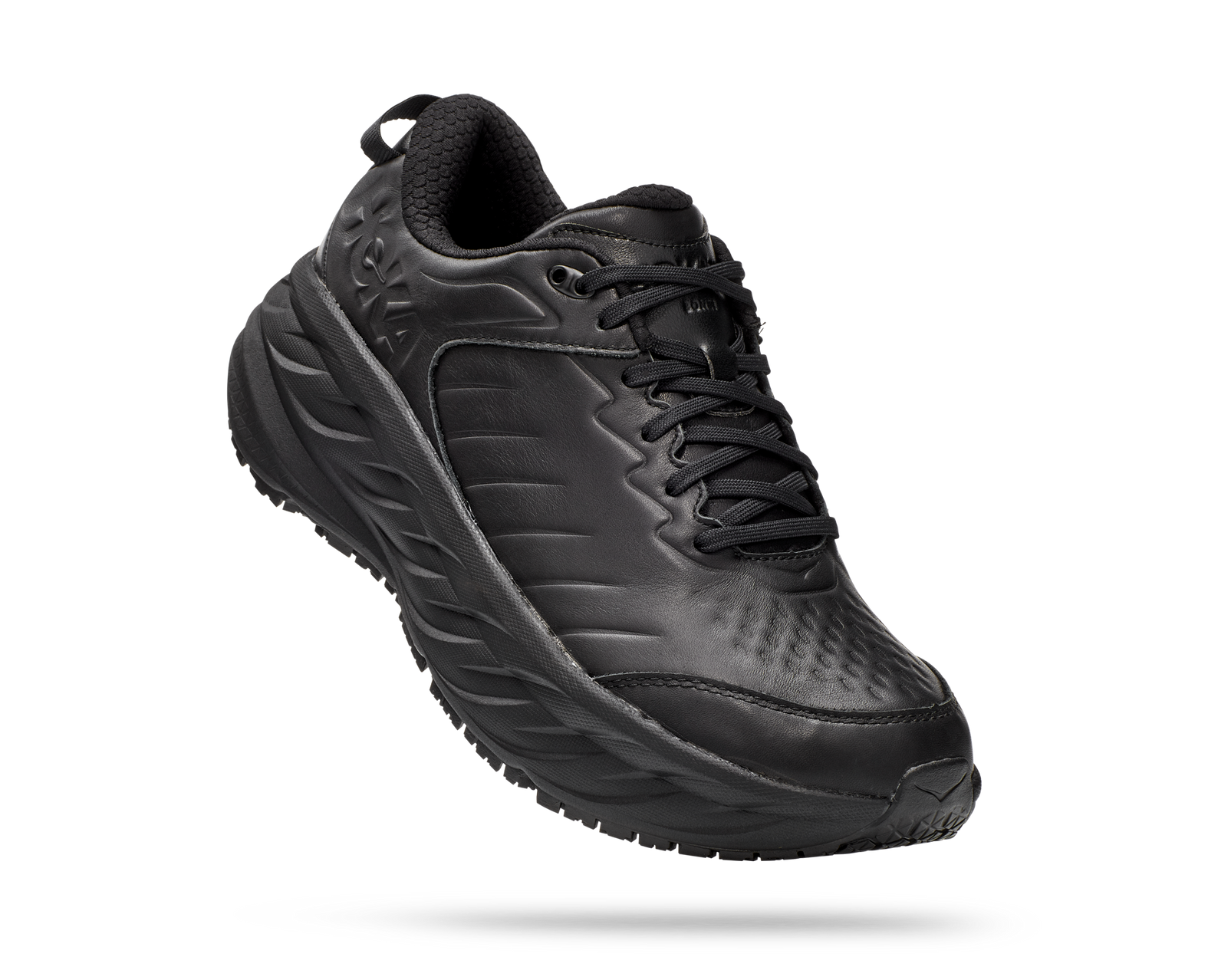
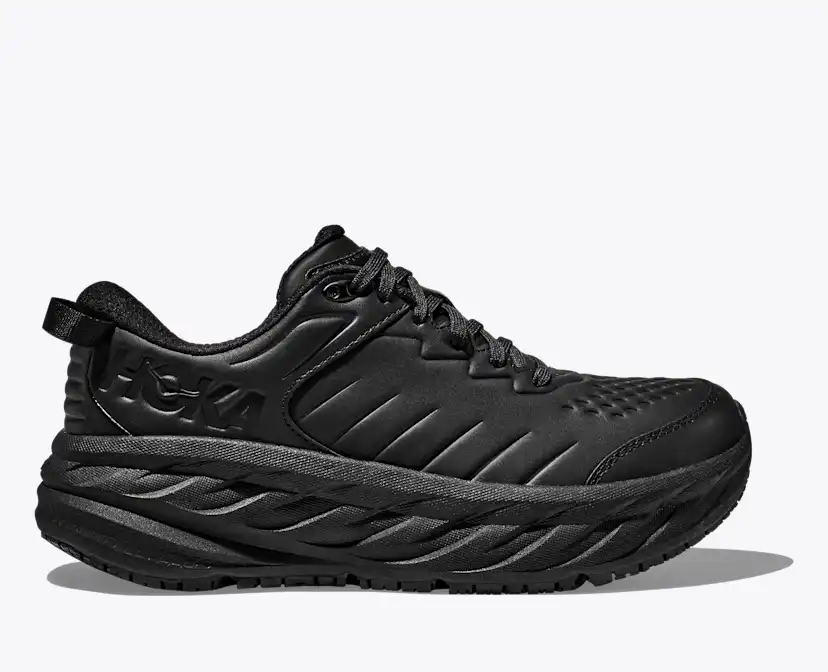
- Some Hoka lines include SR or work-friendly versions with outsoles tested for slip resistance. These are intended for kitchens, service jobs, or retail.
If slip resistance is critical—like in a restaurant or warehouse—look for Hoka models with explicit SR claims or COF/test data. For weekend trail use or wet sidewalks, many Hoka trail shoes will satisfy your grip needs.
How to check slip resistance before you buy
Want to know are hoka shoes slip resistant for your use? Do these checks:
- Read product specs—look for “slip-resistant,” “SR,” or COF test data.
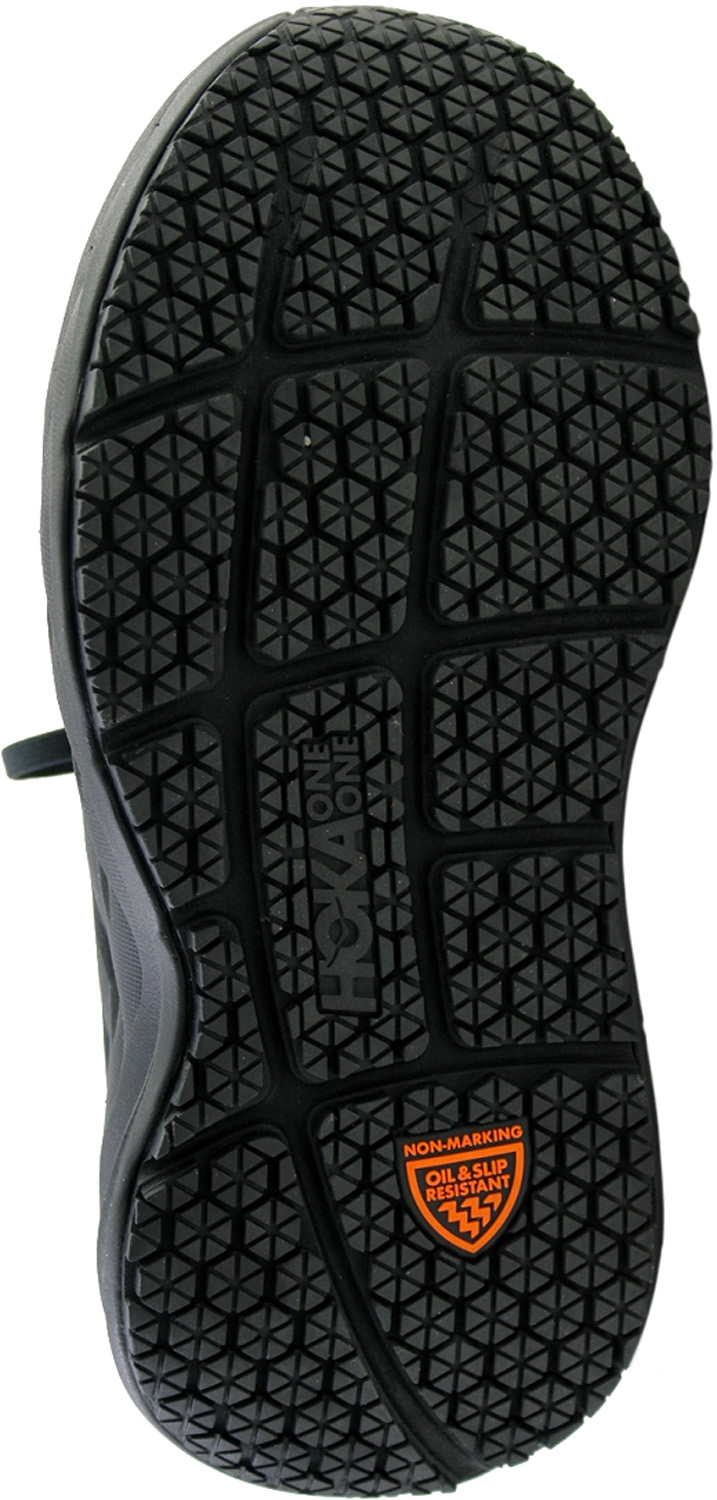
- Examine the outsole—deeper lugs and siping channels equal better water dispersion.
- Ask the retailer—request manufacturer testing details if available.
- Check materials—rubber labeled “sticky” or “Vibram Megagrip” style often performs well.
- Read user reviews—search for reports about wet-floor and kitchen performance.
At the store, try a quick practical test: walk on a wet tile or poured water slab if the retailer allows. That tangible feel helps answer are hoka shoes slip resistant enough for your conditions.
Quick at-home slip tests you can do
To determine if are hoka shoes slip resistant for your needs, try these easy tests:
- Wet-floor walk test
- Pour water on a tile or hardwood and walk slowly. Note slippage or confident steps.
- Heel-to-toe drag test
- Walk with a normal gait and then slide your foot intentionally; measure resistance.
- Grease/oil caution
- If you expect oily conditions, test with a little cooking oil on a disposable surface—only for a quick feel and outside.
These tests aren’t lab-grade, but they reveal how a sole reacts to water and contaminants you’ll face daily.

Maintenance tips to keep traction strong
Even the best outsoles lose grip if neglected. To keep Hoka traction at its best:
- Clean soles regularly—remove embedded grit that can reduce contact.
- Avoid harsh chemicals—some cleaners degrade rubber compounds.
- Rotate shoes—don’t use trail shoes exclusively on abrasive concrete.
- Replace when tread is low—worn lugs reduce slip resistance sharply.
- Store shoes away from heat—excess heat can harden rubber and reduce grip.
Proper care extends both life and slip-resistance of your Hoka footwear.
My experience and practical advice
I’ve run trails and walked busy kitchens in different Hoka models. Based on repeated use:
- Trail Hoka models gripped wet rocks and muddy trails very well. They felt secure on uneven ground.
- Road-focused models were comfortable and stable on pavement but slipped more on wet tile.
- For industrial or food-service work, I chose shoes explicitly marketed as slip-resistant, even if a Hoka road shoe felt fine at first.
Lesson learned: match the shoe to the environment. When someone asked me are hoka shoes slip resistant for restaurant work, I recommended a certified SR outsole or a purpose-built work shoe to be safe.
People Also Ask (PAA) style questions
Can Hoka shoes be slip-resistant enough for kitchen work?
- Some Hoka models have slip-resistant outsoles, but for kitchens you should choose a model with explicit SR claims or workplace testing.
How do I test Hoka shoes for slip resistance at home?
- Try a wet tile walk test and inspect the outsole for sticky rubber and deep channels that move water away.
Will a Hoka trail shoe work on polished floors?
- Trail shoes grip uneven outdoor surfaces well, but polished or oily floors can still be slippery; they’re not a guaranteed substitute for certified slip-resistant shoes.
Do Hoka outsoles wear faster if they are stickier?
- Often yes. Softer, stickier rubber provides better grip but can show increased wear on rough, abrasive surfaces.
Should I choose a Hoka or a dedicated work shoe for safety?
- For safety-critical environments, pick a certified slip-resistant work shoe; use Hoka trail shoes for outdoor traction and Hoka SR variants when available.
Frequently Asked Questions of are hoka shoes slip resistant
Are all Hoka shoes slip resistant?
No. Not all Hoka shoes are slip resistant. Some models are designed for traction, while others prioritize cushioning and ride over grip.
Can Hoka trail models handle wet rocks and mud?
Yes. Hoka trail models usually have deep lugs and grip-focused rubber that perform well on wet rocks and muddy trails.
Do Hoka have work shoes with slip-resistant certification?
Some Hoka variants are marketed with slip-resistant outsoles or SR features. Always check product claims or COF testing before assuming certification.
How can I tell if a Hoka shoe will slip on tile?
Inspect the outsole for a sticky rubber compound and tread channels. If possible, test on a wet tile surface in-store.
Will replacing worn soles improve slip resistance?
If the outsole is worn beyond recommended tread depth, replacement of the shoe is best. Resole options are limited for most athletic shoes.
Conclusion
Hoka shoes can be slip resistant, but the answer depends on the model, the outsole compound, and the surface you walk on. For outdoor use and trail running, many Hoka models deliver excellent traction. For workplace settings with oil or polished floors, choose Hoka variants labeled as slip-resistant or go with certified work footwear. Test shoes in conditions similar to your day-to-day surfaces, maintain the outsoles, and replace shoes when tread wears down. If traction matters to your safety or work, prioritize models with documented slip performance and try them before you commit.
Take action: review the Hoka model specs for slip-resistant claims, test them in-store when possible, and leave a comment about your experience—your feedback helps others make smarter choices.

Rubel Miah is the Senior Editor at MyStyleGrid.com, where he brings a sharp editorial eye and an unshakable love for fashion to everything he does. A true style addict, Rubel lives and breathes trends, from streetwear to high fashion, and has a knack for turning inspiration into impactful stories. With years of experience in fashion journalism and digital media, he curates content that empowers readers to express themselves through style. When he’s not editing features or forecasting the next big thing, you’ll find him hunting down vintage pieces or capturing street style moments around the city.