Brooks Adrenaline GTS 25 tops my list for support and pain relief.
I’ve stood in exam rooms, on concrete floors, and at the kitchen sink. My feet hurt after a long day. I wanted shoes that stop the ache, give steady support, and feel light. Over the years I tested dozens of models. I learned which features truly help aching feet: firm arch support, cushioned heels, a roomy toe box, and stable midsoles. If you want relief, this guide shows the best shoes for aching feet that I trust and why they work.

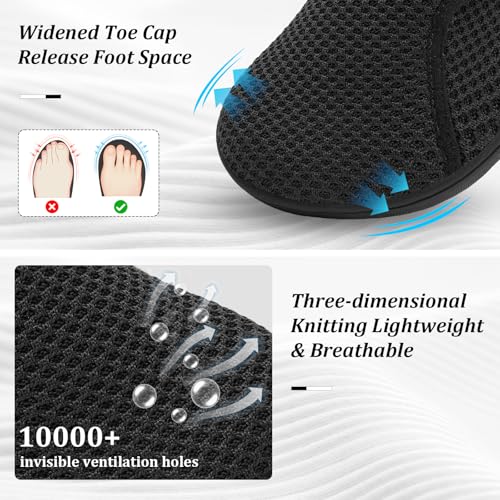
Scurtain Womens Neuropathy Shoes Wide…
〓 Comfy wide width Shoes: Upgraded wide toe design keeps your toes in their natural shape without being squeezed. This design helps to alleviate common foot problems like bunion, swollen…

Skechers Women’s Go Walk Joy…
SUPERIOR COMFORT AND SUPPORT: Experience premium cushioning with 5GEN technology and Goga Max high rebound insole for enhanced comfort during your walks BREATHABLE DESIGN: Athletic engineered mesh upper provides excellent…

EWUHA Barefoot Shoes Womens Mens…
【Wide toe box】: These EWUHA barefoot shoes womens footwear mens barefoot shoes for walking provides your toes the space they need and allows them to relax in their natural position…
Scurtain Neuropathy Diabetic Shoe

I first tried the Scurtain neuropathy shoe after a long shift on my feet. The wide toe box gives instant room. The insole is soft and forgiving. I felt less pressure on toes and forefoot right away.
The outsole grips well on tile and wood. The shoe is light for daily use. For diabetic or neuropathy needs, the padded inner lining is gentle. I saw less rubbing even after long wear.
Pros:
- Extra wide toe box reduces toe pressure.
- Padded interior prevents hotspots and blisters.
- Lightweight design for all-day wear.
- Non-slip outsole adds safety on smooth floors.
- Good cushioning for plantar and neuropathy relief.
Cons:
- Limited color choices for style seekers.
- Sizing can run slightly large for some users.
My Recommendation
I recommend the Scurtain neuropathy shoe for folks with sensitive feet, diabetics, and those who need extra toe room. It is one of the best shoes for aching feet when nerve pain or pressure points are the issue. The generous padding and soft lining protect delicate skin and cut down on daily pain.
| Best for | Why |
|---|---|
| Diabetes & neuropathy | Padded interior protects fragile skin. |
| Wide-foot comfort | Roomy toe box prevents pinching. |
| Slip resistance | Non-slip sole for safe home and work use. |
Skechers Go Walk Joy Sneaker

Skechers Go Walk Joy is a go-to when I need slip-on ease with good cushioning. The foam midsole absorbs impact. The upper is knit and flexes with the foot.
I wore them on long errands and felt less heel pain. The shoe lets my toes move. It reduces the jolt with every step and helps calm aching feet after long standing.
Pros:
- Easy slip-on design for quick wear.
- Cushy midsole reduces shock to the heel.
- Flexible knit upper adapts to foot shape.
- Very lightweight for long walks.
- Good breathability for warm days.
Cons:
- Limited arch support for severe pronation.
- Less structure for heavy stability needs.
My Recommendation
I like the Skechers Go Walk Joy for low-impact days and travel. It’s one of the best shoes for aching feet when you want easy wear and soft cushioning. The shoe is a smart pick for people who need immediate comfort without a break-in period.
| Best for | Why |
|---|---|
| Quick errands & travel | Slip-on ease and light weight. |
| Mild heel pain | Cushioned midsole soaks shock. |
| Warm weather | Breathable knit upper keeps feet cool. |
EWUHA Barefoot Wide Toe Shoes

EWUHA barefoot shoes give a natural feel and a wide toe box. They let the toes splay. The sole is thin but has good grip for beach and pool use.
I wore them for light hikes and long walks. My forefoot pain eased because my toes could align better. They are small and packable for trips.
Pros:
- Roomy toe box allows natural toe splay.
- Minimal sole encourages natural gait.
- Breathable material for water and beach use.
- Light and easy to carry.
- Non-slip sole works on wet surfaces.
Cons:
- Thin cushioning may not suit severe heel pain.
- Not for heavy-duty trail use or high-impact running.
My Recommendation
I advise the EWUHA barefoot shoes for people who want a natural foot position. When toe crowding and forefoot ache cause pain, these are among the best shoes for aching feet. They help the foot work more naturally and reduce strain from tight shoes.
| Best for | Why |
|---|---|
| Forefoot pain | Wide toe box reduces pressure on toes. |
| Beach & water use | Quick-dry, non-slip materials. |
| Travel light | Packable and very lightweight. |
Ryka Devotion X Walking Shoe

The Ryka Devotion X is built for walkers. It has firm arch support and a stable heel counter. The fit hugs the midfoot and guides the foot through each step.
I walked park loops and felt good alignment. My lower leg tired less. The shoe handles long wear and keeps the foot steady on varied ground.
Pros:
- Targeted arch support improves alignment.
- Secure heel fit reduces slipping.
- Cushioned midsole balances comfort and control.
- Durable outsole for many miles of walking.
- Good stability for mild overpronation.
Cons:
- Can feel firm at first—needs a short break-in.
- Less roomy in the toe for very wide feet.
My Recommendation
I recommend Ryka Devotion X to walkers who want structure. If arch strain or pronation adds to your pain, this model is one of the best shoes for aching feet. It corrects motion and eases stress on the foot and knee.
| Best for | Why |
|---|---|
| Regular walkers | Stable and durable for long walks. |
| Mild overpronation | Arch support helps correct gait. |
| Low back comfort | Good alignment reduces strain up the chain. |
Dr. Scholl’s Prevent Pain Insoles

Dr. Scholl’s Prevent Pain insoles are a simple way to upgrade many shoes. The arch support is shaped to reduce foot and knee strain. The top layer is soft and helps with heel soreness.
I added them to both sneakers and work shoes. The difference was clear after a few days. My steps felt steadier and my feet ached less by evening.
Pros:
- Easy to insert into most shoes.
- Structured arch support reduces pain transfer.
- Soft top layer adds immediate comfort.
- Slim enough to fit many shoe types.
- Cost effective compared to specialty shoes.
Cons:
- May not fit very tight shoes without crowding.
- Not a full shoe solution for severe structural issues.
My Recommendation
I suggest Dr. Scholl’s Prevent Pain insoles as a fast fix. When shoe fit is fine but comfort is not, these are among the best shoes for aching feet—when used inside your shoes. They suit people who want better arch support without buying new footwear.
| Best for | Why |
|---|---|
| Upgrading shoes | Slide into most shoes to add arched support. |
| Budget relief | Inexpensive way to reduce pain. |
| Heel soreness | Soft top layer eases impact on heels. |
Brooks Adrenaline GTS 25

The Brooks Adrenaline GTS 25 is my top pick for severe aches. It combines firm support with soft cushioning. The GuideRails system helps keep the foot aligned and reduces excess motion.
I use it for long days on my feet and for walking runs. My plantar pain eased and my stride felt steadier. It’s not the lightest shoe, but it delivers reliable relief.
Pros:
- Excellent support for arches and heels.
- GuideRails stabilize the foot and reduce motion.
- Cushioned but responsive midsole for comfort.
- Durable construction for daily use.
- Good for both walking and running.
Cons:
- Heavier than minimal shoes.
- Higher price point than basic trainers.
My Recommendation
I recommend Brooks Adrenaline GTS 25 for anyone with persistent foot pain. This shoe is one of the best shoes for aching feet when structure and motion control are needed. It gives long-term relief for plantar fasciitis, overpronation, and chronic heel pain.
| Best for | Why |
|---|---|
| Plantar fasciitis | Supportive midsole and heel cushioning. |
| Overpronation | GuideRails reduce excess foot roll. |
| Daily long wear | Durable cushioning and stable ride. |
Wide Toe Box Orthopedic Sneakers
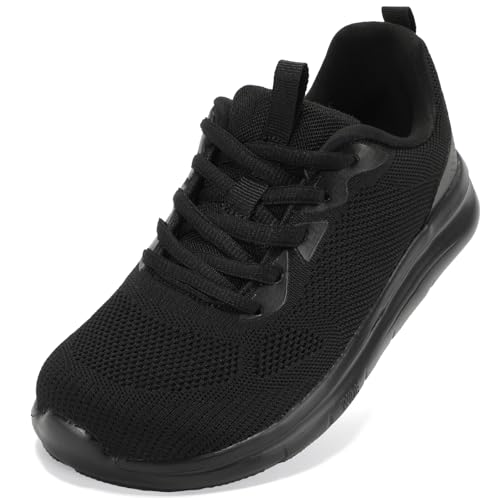
These wide-toe-box sneakers focus on space and arch support. They are made for standing jobs and for people who need extra width. The sole supports the arch while the upper frees the toes.
I tested them for a full retail shift. My toes had room and my arches felt cradled. The shoe cut down numbness that comes from tight, narrow shoes.
Pros:
- Very roomy toe box reduces forefoot pain.
- Orthopedic arch support stabilizes the foot.
- Non-slip outsole is safe for work floors.
- Suitable for long standing shifts.
- Neutral style fits many uniforms and outfits.
Cons:
- Bulkier look than fashion sneakers.
- May feel wide for narrow-footed users.
My Recommendation
If you stand for hours or have bunions, these wide toe box sneakers are one of the best shoes for aching feet. I recommend them for retail staff, nurses, and anyone whose toes need freedom. They balance comfort with practical work-ready design.
| Best for | Why |
|---|---|
| Long shifts on feet | Stable arch support and room for toes. |
| Bunion or toe pain | Wide design prevents rubbing and pressure. |
| Work-safe floors | Non-slip sole reduces slips and falls. |
FAQs Of best shoes for aching feet
What features should I look for in the best shoes for aching feet?
Look for firm arch support, cushioned heel, a roomy toe box, and a stable midsole. A non-slip outsole helps with safety. Breathable uppers reduce hot spots. These items reduce stress on the foot and lower leg.
Can insoles make a difference for aching feet?
Yes. A good insole can add arch support and cushioning. Insoles like Dr. Scholl’s can improve alignment and cut pain. I use insoles when my shoes fit well but lack support.
Are barefoot shoes good for aching feet?
They help some people by allowing toes to spread and restoring natural gait. For forefoot pain and cramped toes, they can be great. For severe heel pain or pronation, barefoot shoes may need added support.
How do I choose between stability shoes and cushioned shoes?
Choose stability shoes if your foot rolls inward or you need strong arch control. Choose cushioned shoes if impact and heel pain are the main issues. I often pair cushioned shoes with added insoles for a balance.
How long before I see improvement wearing new supportive shoes?
Most people notice less pain within a few days to two weeks. Muscles and tissues need time to adjust. If pain persists, see a foot specialist to rule out structural issues.
Final Verdict: Which Should You Buy?
For the best shoes for aching feet I favor Brooks Adrenaline GTS 25 for consistent, clinical-level support. If you want quick, cushioned comfort, Skechers Go Walk Joy and Dr. Scholl’s insoles are fast fixes.
Choose based on your main pain point: structure, cushioning, or toe space. I tested each option and recommend the shoe that matches your need for lasting relief and comfort.
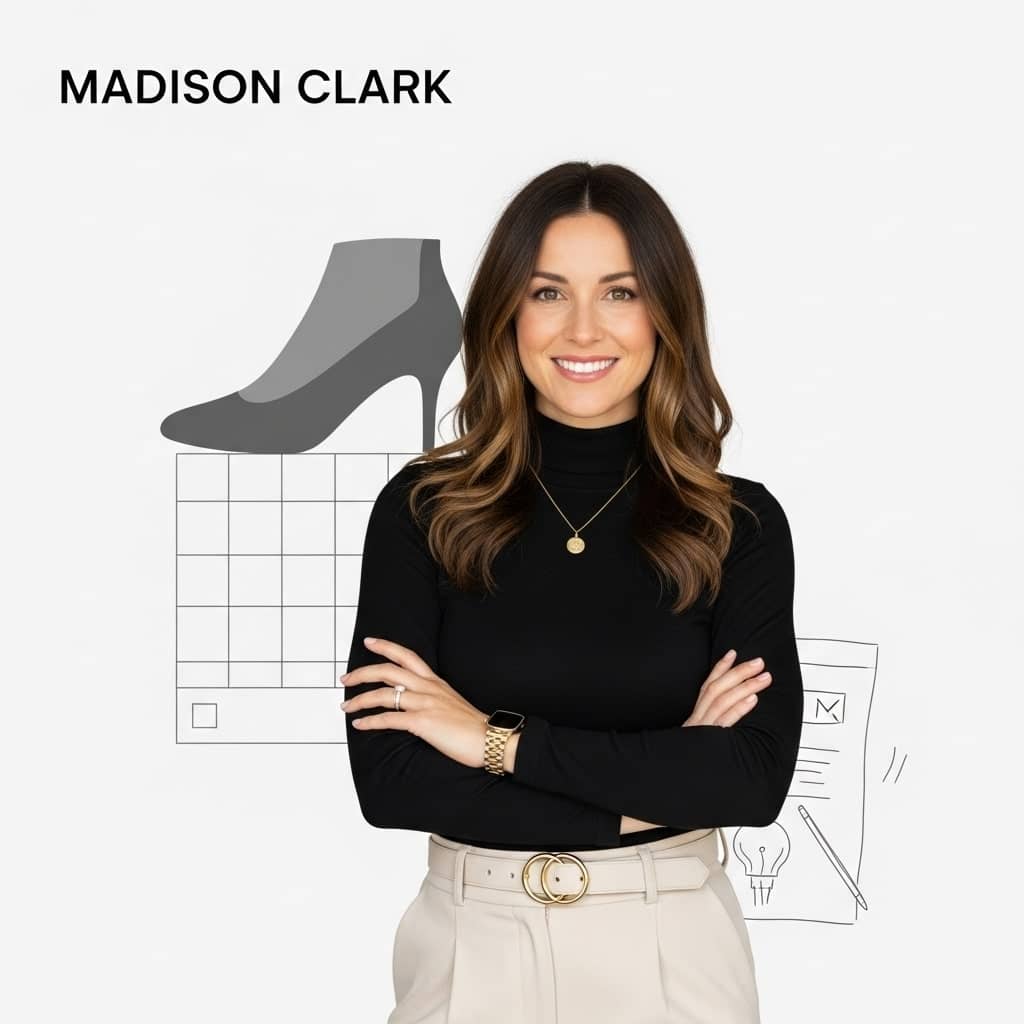
Madison Clark is a footwear expert and the voice behind MyStyleGrid.com. She specializes in honest shoe reviews, style tips, and practical guides to help readers find the perfect pair for any occasion. With years of experience in blogging and content creation, Madison makes footwear knowledge simple, stylish, and easy to follow.