
Yes. Medicare Part B covers therapeutic diabetic shoes and inserts when medically necessary.
I’ve spent years helping people navigate Medicare rules, and I know the red tape can feel overwhelming. This guide explains, step by step, whether does Medicare pay for diabetic shoes, who qualifies, what’s covered, how billing works, and practical tips to get approval. Read on to learn the facts, avoid common mistakes, and make sure your feet get the care they need.
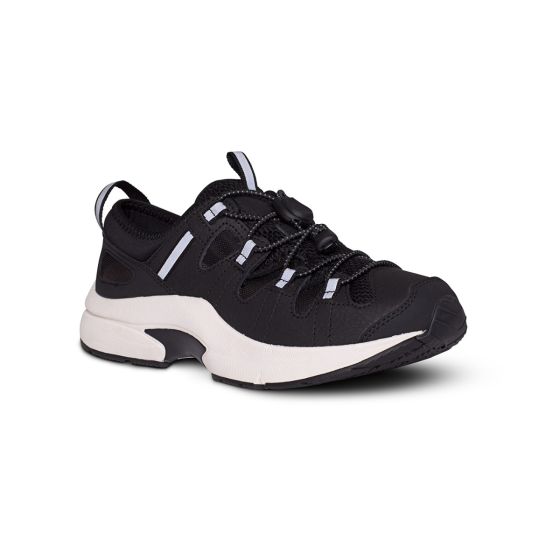
How Medicare covers diabetic shoes
Medicare Part B can cover therapeutic shoes and inserts for people with diabetes. Coverage applies when a doctor certifies that the shoes are medically necessary to prevent complications. Medicare will pay for approved items if a Medicare-enrolled supplier provides them.
Key facts at a glance:
- Medicare Part B is the usual payer for therapeutic shoes.
- A doctor must document the medical need.
- You typically pay 20% coinsurance and any Part B deductible when Medicare approves the claim.
- Medicare Advantage plans may offer different benefits and rules.
Does Medicare pay for diabetic shoes depends on medical need, documentation, and an enrolled supplier. If you meet the rules, Medicare will pay its share for shoes and inserts to reduce the risk of ulcers and amputations.

Who qualifies for coverage
Medicare focuses on patients at higher risk for foot problems. To qualify, you must:
- Have a formal diagnosis of diabetes.
- Have one or more qualifying foot conditions, such as peripheral neuropathy, foot deformity, prior foot ulcer, prior amputation, or poor circulation.
- Get a treating physician’s written order and ongoing care.
Practical tip: Ask your doctor to write clear notes. Use plain language like “diabetic neuropathy with loss of protective sensation” or “history of foot ulcer” to make the medical need obvious. This speeds approval and avoids denials.

What types of shoes and inserts are covered
Medicare covers specific therapeutic items. These can include:
- Extra-depth shoes that give more room for the foot.
- Custom-molded shoes for severe deformity or amputation.
- Removable shoe inserts and orthotics designed to protect at-risk feet.
Suppliers who can provide covered shoes include podiatrists, orthotists, pedorthists, and certain shoe stores that are enrolled in Medicare. Does Medicare pay for diabetic shoes when a supplier is not enrolled? Usually no. Always confirm the supplier accepts Medicare assignment.

Costs and how billing works
Understanding cost helps you plan. Typical billing rules:
- Medicare pays its approved share under Part B once the claim is accepted.
- You are usually responsible for 20% coinsurance and any Part B deductible.
- If the supplier accepts assignment, your out-of-pocket cost is predictable. If not, you may face extra charges.
If you have a Medicare Advantage plan, does Medicare pay for diabetic shoes in the same way? Not exactly. Medicare Advantage plans must cover at least what Original Medicare covers, but some plans add extra benefits or different rules. Always check with your plan first.

How to get Medicare to pay: step-by-step
Follow these steps to improve approval odds:
- Get a diabetes diagnosis and clear documentation from your primary doctor.
- Have the doctor certify that therapeutic shoes are medically necessary.
- Obtain a written order and a supporting clinical note.
- Choose a Medicare-enrolled supplier who accepts assignment.
- Keep copies of all records and receipts.
PAA-style questions
- Will Medicare cover diabetic slippers? Most slippers are not covered. Medicare covers therapeutic shoes with medical justification, not casual slippers.
- How often does Medicare pay for diabetic shoes? Medicare coverage is typically limited to one pair of shoes and inserts per year when medically justified.

Common denials and how to appeal
Claims can be denied for simple reasons. Common causes:
- Missing or unclear doctor documentation.
- Supplier not enrolled in Medicare or not accepting assignment.
- Incorrect billing codes or paperwork errors.
If denied:
- Ask for a written denial with reasons.
- Request a reprocessing if paperwork was missing.
- File an appeal within the Medicare timeframe if reprocessing fails.
A quick lesson from my experience: I once helped a patient whose claim was denied because the doctor used vague wording. We added a short note listing the qualifying conditions and the claim was approved after reprocessing. Clear, specific notes matter.

Alternatives and extra options
If Original Medicare won’t cover what you need, consider these options:
- Check your Medicare Advantage plan for extra foot-care benefits.
- See if Medicaid or state programs add help in your state.
- Veterans may get coverage from VA benefits.
- Nonprofits and local health systems sometimes offer low-cost diabetic footwear programs.
Does Medicare pay for diabetic shoes in every case? No. But these alternatives can bridge gaps and keep your feet safe.

Personal experience and practical tips
I have guided many people through this process. A few practical tips I keep repeating:
- Start early. Paperwork and supplier selection take time.
- Ask your doctor to use specific clinical language tied to Medicare criteria.
- Keep an active relationship with a podiatrist. Regular care reduces complications and supports coverage claims.
- If a supplier says “Medicare won’t pay,” ask them to check again. Sometimes suppliers misinterpret rules.
One client avoided an ulcer because Medicare paid for proper shoes after her doctor documented neuropathy and a prior foot ulcer. That outcome came down to detail and persistence.
Frequently Asked Questions of does medicare pay for diabetic shoes
Does Medicare cover diabetic shoes and inserts?
Yes. Medicare Part B covers therapeutic shoes and inserts for beneficiaries with diabetes who meet medical criteria and have a doctor’s certification.
How much will I pay if Medicare approves diabetic shoes?
You typically pay 20% coinsurance of the Medicare-approved amount and any Part B deductible unless your supplier waives fees or your Medicare Advantage plan offers different cost-sharing.
How often does Medicare pay for diabetic shoes?
Medicare coverage is generally limited to one pair of therapeutic shoes and related inserts per year when a doctor documents medical necessity.
Can Medicare deny coverage for diabetic shoes?
Yes. Common reasons include missing documentation, non-enrolled suppliers, or claims with incorrect billing codes. You can appeal denials.
Do Medicare Advantage plans cover diabetic shoes?
Yes, many Medicare Advantage plans cover diabetic shoes, but rules and cost-sharing vary by plan. Check with your plan for exact benefits and procedures.
Do I need to use a Medicare-enrolled supplier?
Yes. For Medicare to pay, the supplier usually must be enrolled in Medicare and accept assignment for the claim to be billed correctly.
Will Medicare pay for custom orthotics for diabetes?
Medicare may cover custom-molded shoes or custom orthotics if your doctor documents a qualifying medical need tied to diabetes complications.
Can I get diabetic shoes without a podiatrist?
You can be prescribed shoes by your treating physician, but a qualified supplier or podiatrist often fits and provides the shoes to meet Medicare rules.
Conclusion
Medicare can and does pay for diabetic shoes when you meet the medical criteria, follow the correct steps, and work with a Medicare-enrolled supplier. Documentation and clear communication are the keys to approval. Take action now: talk to your doctor about your foot risk, request a written order if you qualify, and confirm the supplier accepts Medicare. If you found this guide helpful, share your questions or experiences in the comments and subscribe or revisit for more practical Medicare tips.

Madison Clark is a footwear expert and the voice behind MyStyleGrid.com. She specializes in honest shoe reviews, style tips, and practical guides to help readers find the perfect pair for any occasion. With years of experience in blogging and content creation, Madison makes footwear knowledge simple, stylish, and easy to follow.