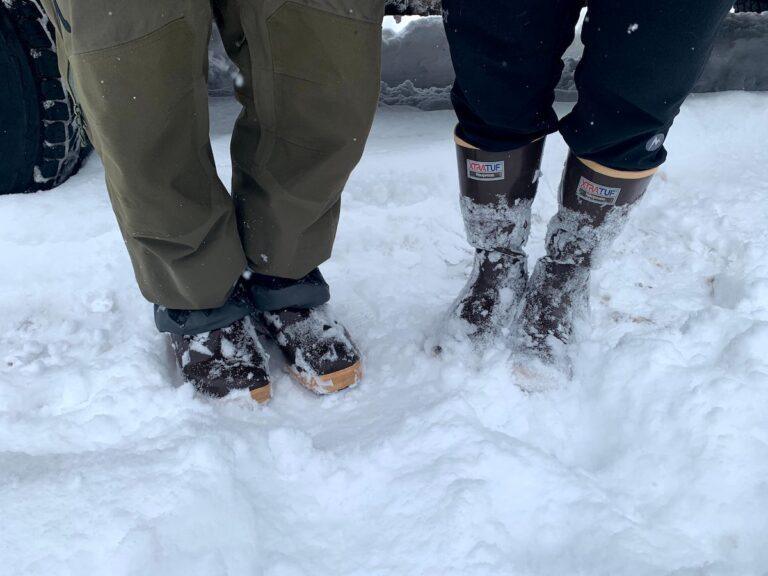
Xtratuf boots can work in light snow but are not ideal for deep, icy, or very cold conditions.
I’ve tested many boots on wet docks, icy lots, and snowy trails. I write about boots for a living and I’ve worn Xtratuf in winter work and play. This article explains whether Xtratuf boots are good for snow, what limits to expect, how to get the best performance, and when to pick a true winter boot instead. Read on for tested advice, clear comparisons, and practical tips you can use today.

Are Xtratuf boots good for snow? Detailed verdict
Xtratuf boots are made for wet, slippery work. They shine at keeping water out and at resisting oils and chemicals. But snow is different. Snow brings cold, packed ice, and the need for thermal insulation.
On packed snow and slush, Xtratuf offers good grip and waterproofing. On deep snow or hard ice, traction and warmth drop off. If you ask are xtratuf boots good for snow, the short answer is: yes for light, wet snow; no for extreme cold or long hikes.
How Xtratuf boots are built and why it matters for snow
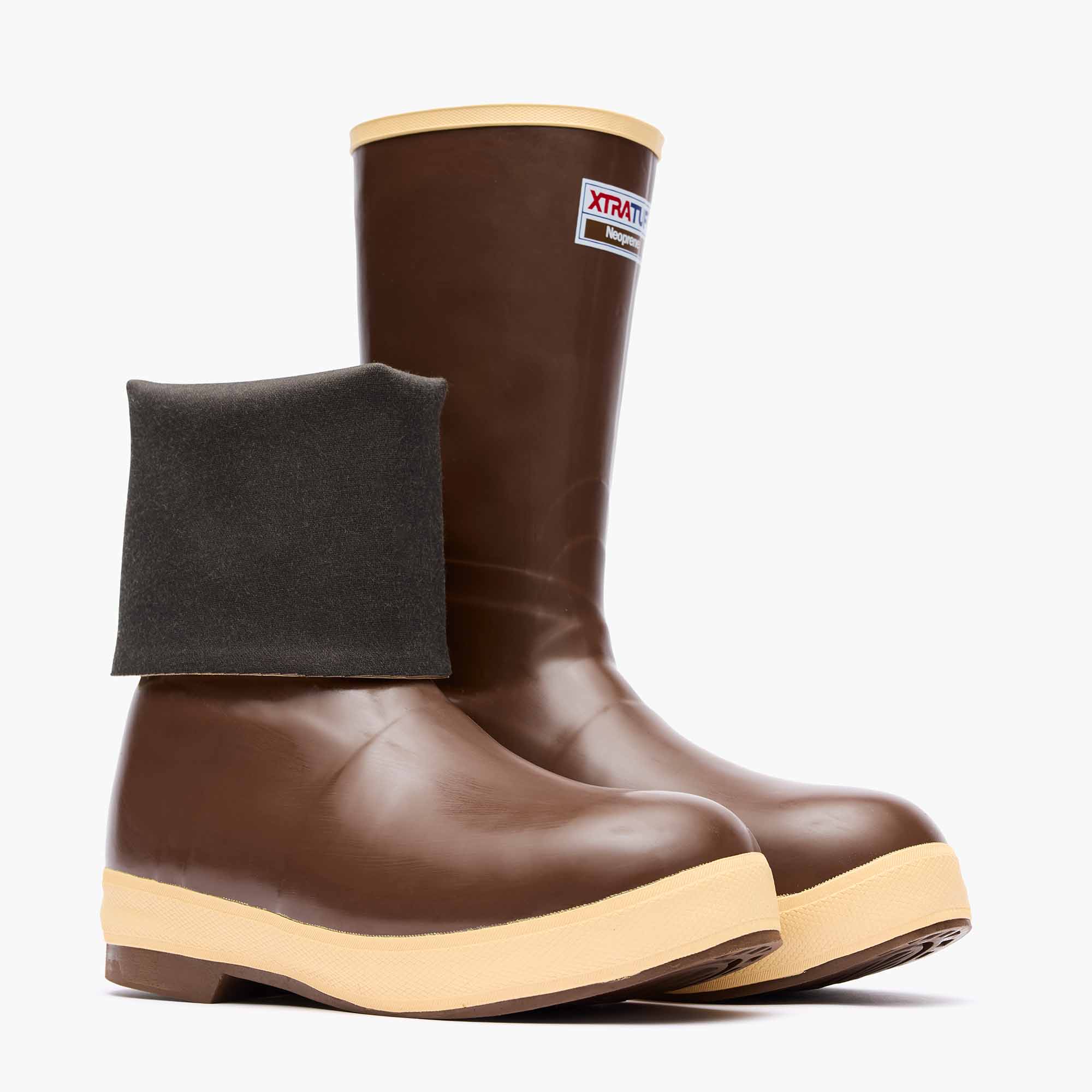
Xtratuf uses a rubber shell and a molded sole. The shell blocks moisture well. The soles are stickier than many rubber outsoles. But most Xtratuf styles have limited insulation and little ankle padding.
Key features that affect snow performance
- Waterproof rubber upper that blocks slush and melt.
- Molded sole with traction patterns designed for wet decks.
- Low to mid-height shafts that can allow snow in on deep drifts.
- Minimal built-in insulation on standard styles.
Because of that design, are xtratuf boots good for snow depends on the model and how you plan to use them. For short stints in slushy parking lots, they work fine. For multi-hour exposure in subfreezing temps, they fall short.

Traction, insulation, and waterproofing: how Xtratuf performs
Traction
- Good on wet, textured surfaces and slush.
- Not as effective on glazed ice as specialized winter rubber with micro-studs.
Insulation
- Most Xtratuf boots have thin liners or non-thermal insoles.
- You can add thermal insoles or thick wool socks to help.
Waterproofing
- Excellent. The one-piece rubber shell stops melt and slush.
- Seams are minimal, so water entry is rare.
When evaluating are xtratuf boots good for snow, break it into these three tests. They pass waterproofing easily. They pass traction in soft or slushy snow. They fail thermal and icy-traction tests without modification.
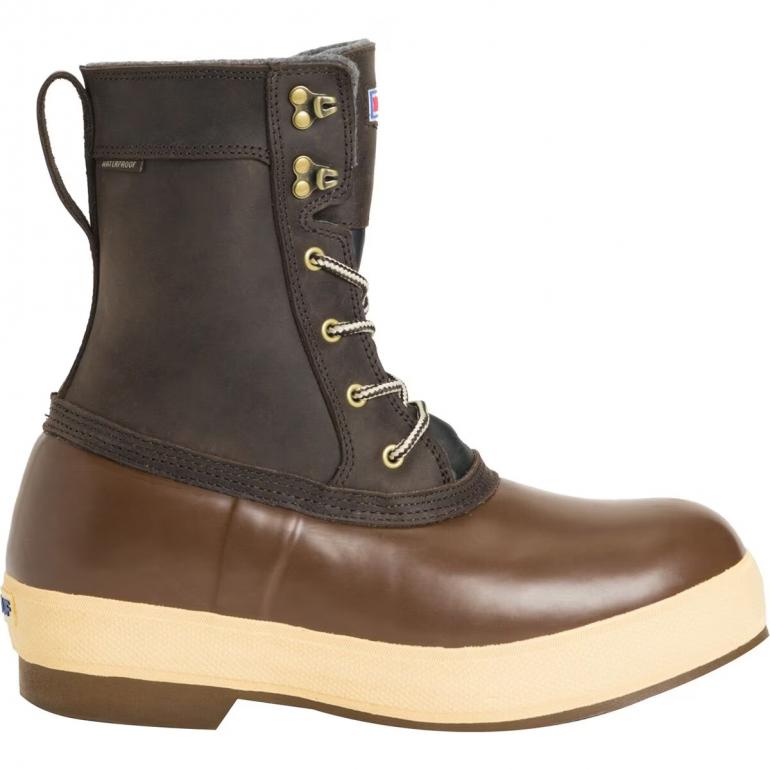
Best Xtratuf models for winter use and modifications that help
Models that work better in cold
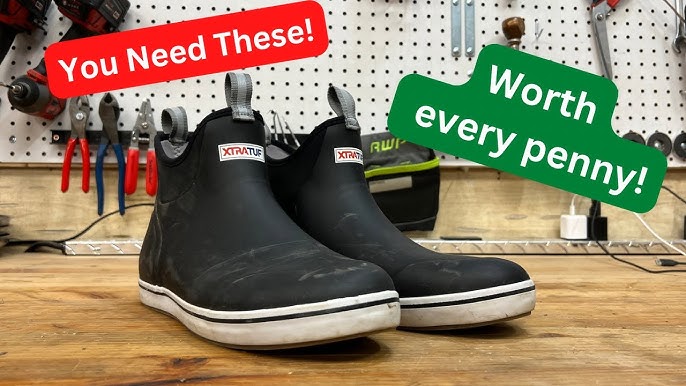
- Xtratuf Ankle Deck Boot — lower profile but easy to layer with warm socks.
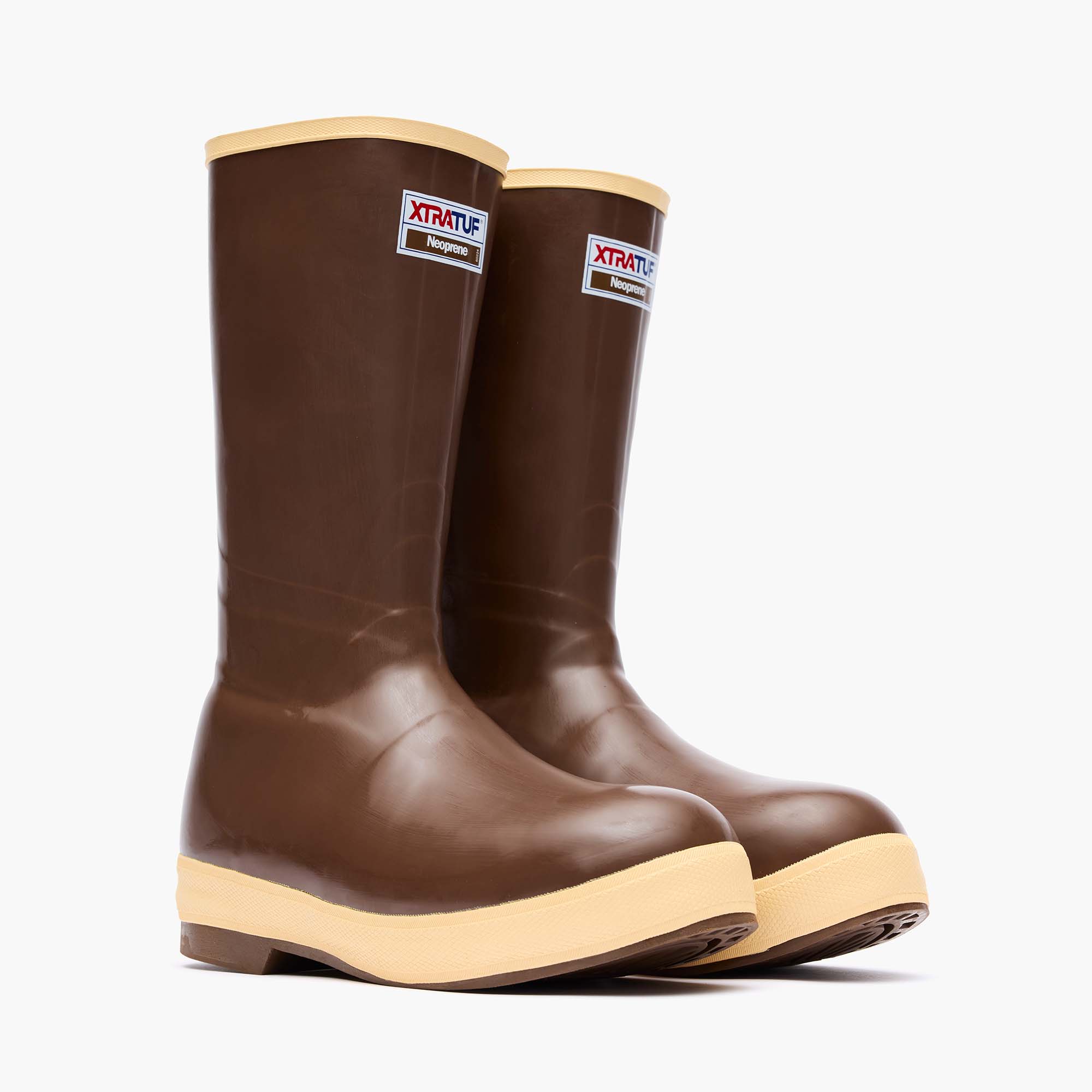
- Xtratuf Legacy II — taller shaft helps with deeper slush.
- Xtratuf 6-Inch — decent for walk-around winter chores.
Simple mods to improve winter performance
- Add a thermal insole for insulation.
- Wear thick wool socks and liner socks to trap heat.
- Use adhesive ice cleats for hard-packed ice.
- Apply traction spray or sole treatments for very icy days.
From experience, are xtratuf boots good for snow if you add a thermal insole and use cleats? Yes, they become reliable for many winter tasks.

Comparing Xtratuf to dedicated winter boots
Xtratuf boots
- Waterproof and durable.
- Great for wet, messy work.
- Light insulation by default.
Dedicated winter boots
- Built-in insulation rated by temperature.
- Deeper treads and often stud-ready soles.
- Higher shafts and gaiter compatibility.
If your winter day includes long exposure, deep snow, or icy trails, dedicated winter boots win. If you work near docks, garages, or need spill resistance, are xtratuf boots good for snow for short bursts and slushy tasks? Yes. For heavy winter use? No.
Real-life use cases and personal experience
I used Xtratuf on a frosty morning while clearing the driveway. The boots kept my feet dry through slush. I felt cold after two hours though. Later, I added a thick wool insole and returned to a half-day of outdoor work and stayed comfortable.
Lessons I learned
- Waterproofing matters first. Xtratuf nails this.
- Thermal insulation matters next. Don’t ignore it.
- Cleats or added traction can be the difference between a slip and safe steps.
So when people ask are xtratuf boots good for snow, share that they work well for short, wet tasks and can be upgraded for longer use.
Maintenance tips to keep Xtratuf working in winter
Simple care keeps performance high
- Rinse off salt and sand after use to protect rubber.
- Dry boots upside down at room temperature.
- Replace insoles seasonally when they compress.
- Check sole wear before winter; worn tread means less bite on snow.
Regular maintenance extends life and keeps the boots safer on snow.

When to choose another boot
Choose another boot if you need any of the following
- Warmth rated below -20°F or extended time in subzero temps.
- Frequent travel on hard-packed ice or steep, icy trails.
- Long snowshoe hikes or mountaineering.
If your work is wet but not bone-chilling cold, are xtratuf boots good for snow? Often yes. If you need thermal protection or serious ice traction, step up to a winter-specific boot.

Practical buying and fitting advice
Fit matters more in winter. A close fit with room for an extra sock layer keeps heat and circulation balanced. Try the boots with the socks and insole you plan to wear. Look for a model with a slightly taller shaft if you expect deep slush.
Quick checklist before you buy
- Test for waterproof feel and flexibility.
- Check tread depth and pattern.
- Confirm available compatible accessories like cleats or liners.
Following these steps will answer personal variations of are xtratuf boots good for snow based on your needs.
PAA-style questions
What makes Xtratuf boots different from winter boots?
Xtratuf focuses on waterproof rubber build and deck-ready traction. Winter boots focus on insulation and specialized ice traction.
Can Xtratuf boots be insulated for cold weather?
Yes. Adding thermal insoles and thick wool socks greatly improves warmth. For extreme cold, a dedicated insulated boot is still better.
Do Xtratuf soles slip on black ice?
On glazed black ice they can slip. Ice cleats or studded traction devices are recommended for safety.
Are Xtratuf boots suitable for daily winter commuting?
They can work for wet, slushy commutes. For snowy or icy sidewalks, add traction aids and warm insoles.
How long do Xtratuf boots last in winter conditions?
With care, several seasons for light winter use. Heavy winter duty on ice and abrasion shortens life.
Frequently Asked Questions of are xtratuf boots good for snow
Are Xtratuf boots warm enough for winter?
They are not highly insulated by default. Add a thermal insole and thick socks for moderate cold.
Can I use ice cleats with Xtratuf boots?
Yes. Many models accept clip-on cleats and traction devices. Cleats greatly improve safety on ice.
Do Xtratuf boots keep feet dry in deep snow?
They keep out slush and wet snow well, but very deep snow may enter over low shafts. Choose taller styles for deeper drifts.
Are Xtratuf boots slip-resistant on icy surfaces?
They resist slipping on wet decks and slush but struggle on hard, glazed ice. Add traction for icy conditions.
Should I size up for winter socks?
A modest size up may be helpful to accommodate thicker socks and insoles, but avoid excess room that reduces warmth.
Conclusion
Xtratuf boots are a solid choice for wet, slushy winter work thanks to their waterproof shell and competent traction. They are not a one-size-fits-all winter boot because insulation and ice grip are limited without upgrades. If you want a practical, durable boot for short winter tasks, or you add insoles and cleats, Xtratuf can be a great option. If you spend long hours in deep snow or on ice, choose a purpose-built winter boot.
Takeaway: match the boot to the job. Try Xtratuf with thermal insoles and traction aids for improved winter performance. If this helped, test your fit with winter socks and share your experience below or subscribe for more boot reviews and real-world tips.

Rubel Miah is the Senior Editor at MyStyleGrid.com, where he brings a sharp editorial eye and an unshakable love for fashion to everything he does. A true style addict, Rubel lives and breathes trends, from streetwear to high fashion, and has a knack for turning inspiration into impactful stories. With years of experience in fashion journalism and digital media, he curates content that empowers readers to express themselves through style. When he’s not editing features or forecasting the next big thing, you’ll find him hunting down vintage pieces or capturing street style moments around the city.