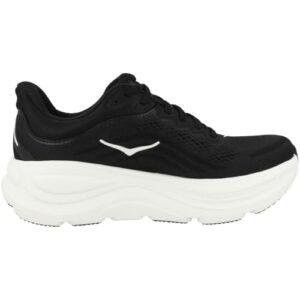
Yes — losing weight can change your shoe size, but the change is usually gradual and modest.
I’ve advised people and tested shoes for years, so I know how confusing this question can feel. In this article I explain clearly whether does your shoe size change when you lose weight, why it happens, when it won’t, and practical steps to measure and shop for shoes after weight loss. Read on for evidence-based answers, real-world tips, and simple tests you can do at home.
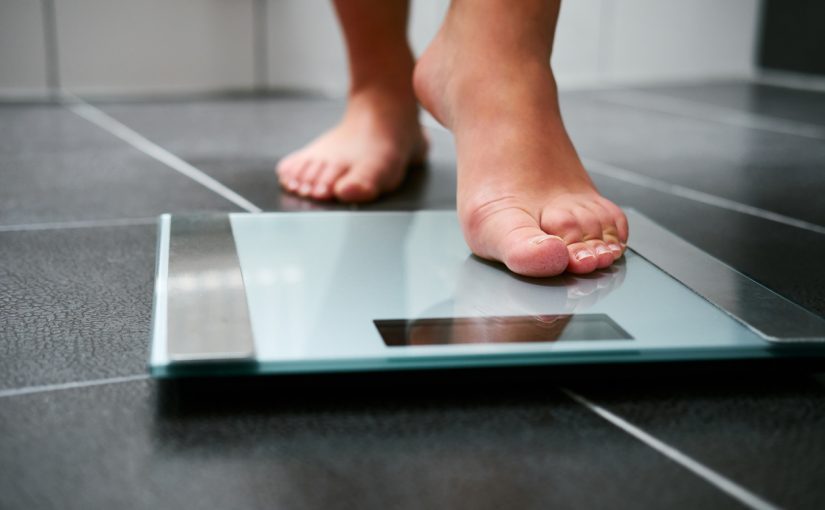
How weight loss can affect your feet and shoe size
Losing weight can change your foot shape. Fat loss, lower swelling, and muscle shifts all affect foot width, arch height, and length. These changes can lead to a different fit even if the overall size number seems the same.
Common ways weight loss affects the feet:
- Fat pad reduction under the heel and ball of the foot can change how the foot sits in a shoe.
- Less fluid retention and swelling often shrink foot volume.
- Changes in gait and posture alter pressure points and arch support needs.
- Muscle and tendon adjustments can raise or lower the midfoot arch.
Does your shoe size change when you lose weight? Often yes, but usually by a half-size or a change in width rather than a full size. Track fit, not just the number, because length, width, and arch support all matter.

Scientific and clinical reasons behind changes
Feet are living structures. They respond to body weight and metabolic changes. Research and clinical observation show:
- Body weight increases pressure on plantar tissues. Losing weight reduces that pressure, which can allow the foot to reclaim a slightly different shape.
- Reduction in systemic inflammation and edema decreases temporary swelling in the feet.
- Long-term weight loss can lessen foot pain and influence how the foot spreads during standing and walking.
Does your shoe size change when you lose weight because of tissue loss and less swelling? Yes. The exact degree varies by person. People with higher initial body mass often notice larger shifts.

When you are likely to see a measurable change
Not everyone sees change. Expect differences when:
- You lose a substantial amount of weight, especially 10% or more of body weight.
- You had visible swelling or edema before weight loss.
- Your shoes felt tight at the ball of the foot or across the toes before weight loss.
- You change activity levels dramatically, such as adding daily walking or running.
If you lose a few pounds, does your shoe size change when you lose weight? Usually not in a meaningful way. Small losses tend to affect comfort rather than the shoe size number.
When shoe size probably won’t change
There are many cases where shoe size stays stable:
- Minimal weight loss under 5% rarely affects foot length or width.
- Genetic foot shape and rigid foot structure do not alter easily with weight change.
- If swelling was not part of your initial issue, then you may only notice improved comfort.
Does your shoe size change when you lose weight for these people? Most likely no. Fit may feel different, but the official size often remains the same.
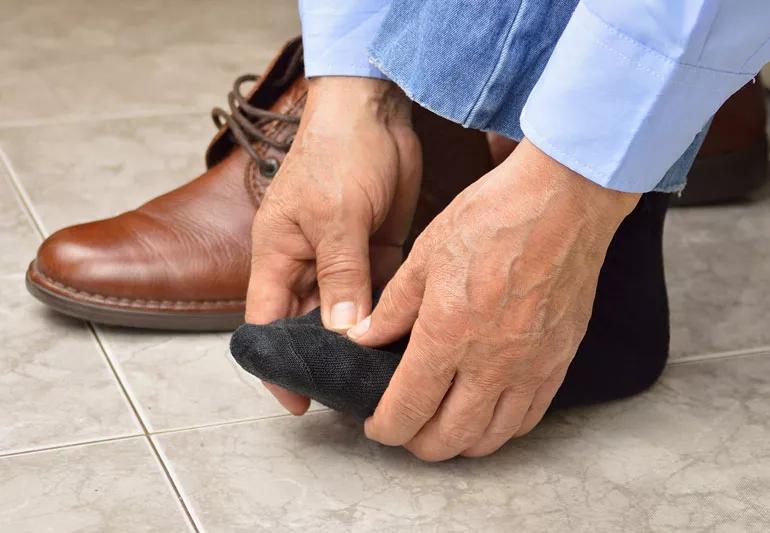
Practical ways to measure and confirm changes
Do these simple tests to see if your shoe size changed:
- Trace both feet on paper and measure length and width. Do this at the end of the day when feet are largest.
- Use a Brannock-style device at a shoe store to measure length and width accurately.
- Try on shoes in the afternoon with the socks you normally wear and walk for 10 minutes.
- Compare how old shoes feel: slipping at the heel, extra space at toes, or pressure spots.
If you’re tracking does your shoe size change when you lose weight, repeat measurements monthly for several months. Keep records to spot a trend rather than a one-time fluctuation.

How to choose shoes after weight loss
Choosing the right shoes matters more than the number on the label. Tips:
- Prioritize fit over size: a snug, comfortable fit is better than a higher or lower number.
- Look for shoes with removable insoles to adjust volume easily.
- Consider width-first fitting if you notice foot volume changes.
- Use shoes with good arch support if your arch height shifts.
If you wonder does your shoe size change when you lose weight for athletic shoes, remember that activity changes often accompany weight change. Choose shoes that match your new activity and gait.

Personal experience and lessons learned
In my work, I’ve helped many clients re-evaluate their footwear after weight loss. A few lessons I learned:
- People often misattribute discomfort to size when the real issue is support or width.
- One client dropped one full width size after losing 30 pounds and required a different last and arch support.
- Another client lost 20 pounds and only noticed less pressure on the forefoot; the labeled size stayed the same but comfort improved.
I suggest treating fit as a process. Try multiple brands and sizes. Keep an open mind—sometimes orthotic changes or a different shoe model solves the problem quicker than changing size.

When to see a podiatrist or shoe professional
Seek professional advice if:
- You have persistent pain, numbness, or joint changes after weight loss.
- You notice rapid changes in foot shape, severe arch collapse, or new bunions.
- Standard shoe adjustments don’t restore comfort.
A podiatrist or certified shoe fitter can measure precisely and recommend orthotics or specific shoe types based on your gait and foot anatomy. This helps answer does your shoe size change when you lose weight in a clinical, personalized way.
Frequently Asked Questions of does your shoe size change when you lose weight
Can my foot length actually shrink after weight loss?
Foot length usually does not shrink dramatically. Most measurable change occurs in width and volume, but minor length shifts can happen due to arch height changes.
How much weight loss causes a shoe size change?
There’s no fixed number, but noticeable shoe fit changes often occur after losing around 10% or more of body weight, or when swelling resolves.
Will my old shoes still work after I lose weight?
Sometimes yes, sometimes no. If your old shoes feel loose or cause slipping, consider new shoes or thicker insoles. Fit matters more than the size label.
Does fat loss from feet make a big difference?
Fat pad reduction can change how the foot contacts the shoe. The difference is usually subtle but enough to change width or comfort.
Should I buy shoes by length or width after weight loss?
Prioritize width and volume first, then length. Many people need a narrower or lower-volume shoe rather than a shorter one.
Final thoughts
Weight loss can change how your feet fit into shoes. For many people, does your shoe size change when you lose weight translates into small but meaningful shifts in width, volume, and support needs rather than dramatic length changes. Test fit regularly, track measurements, and prioritize comfort and support over the number on the tag. If you’re unsure, get a professional fitting or consult a podiatrist to protect foot health while you enjoy the benefits of weight loss.
Takeaway: focus on fit, measure your feet, and be ready to try new shoe styles as your body changes. Share your experience or ask questions below — I’d love to hear how your shoes adjusted after weight loss.

Madison Clark is a footwear expert and the voice behind MyStyleGrid.com. She specializes in honest shoe reviews, style tips, and practical guides to help readers find the perfect pair for any occasion. With years of experience in blogging and content creation, Madison makes footwear knowledge simple, stylish, and easy to follow.