Most hiking shoes last between 300 and 800 miles, or about 2–5 years with regular care.
I’ve walked thousands of miles on trails and tested many pairs. This guide explains how long do hiking shoes last and why lifespan varies so much. You’ll get clear rules, signs to replace shoes, repair options, and real tips I use to stretch shoe life. Read on to make smarter buys and keep your feet happy on the trail.

Key factors that determine how long do hiking shoes last
How long do hiking shoes last depends on many simple things. The top factors are mileage, terrain, shoe type, body weight, and care. Softer midsoles compress faster. Harsh terrain wears soles sooner. Heavy packs and rough trails shorten life. Routine cleaning and rotating shoes can add months or even years.
- Mileage: Most shoes wear out by 300 to 800 miles depending on type.
- Terrain: Rocky, abrasive trails cut sole life fast.
- Rider weight and pack: More weight speeds midsole breakdown.
- Build and materials: Full-grain leather, sturdy outsoles, and stitched construction last longer.
- Maintenance: Cleaning, drying, and resoling prolong lifespan.
How long do hiking shoes last varies more by how you use them than by brand. From my experience, a midweight boot used for loaded hikes wore out faster than a trail runner used for light day trips. Keep track of miles and conditions to predict wear.

Average lifespan by type and mileage estimates — how long do hiking shoes last by category
How long do hiking shoes last changes by shoe type. Below are ballpark ranges you can expect.
- Lightweight trail shoes: 300 to 500 miles. Good for fast hikes and light packs.
- Trail runners: 200 to 400 miles. Fast and light, but midsoles compress sooner.
- Midweight hiking shoes: 400 to 700 miles. Balanced life and support for longer treks.
- Backpacking boots: 500 to 800+ miles. Heavier build and better soles for long loads.
- Approach shoes: 300 to 600 miles. Durable for rocky terrain, but soles can wear on road treks.
In years, most hikers see 2 to 5 years of useful life for a single pair when used regularly and cared for. If you hike weekly in rough terrain, expect shorter life. If you hike monthly on easy trails, shoes may last years. How long do hiking shoes last is largely a use question rather than a manufacturer promise.
Signs it's time to replace your hiking shoes — practical checks for lifespan
Knowing how long do hiking shoes last helps, but signs matter more. Replace shoes when function or fit fails.
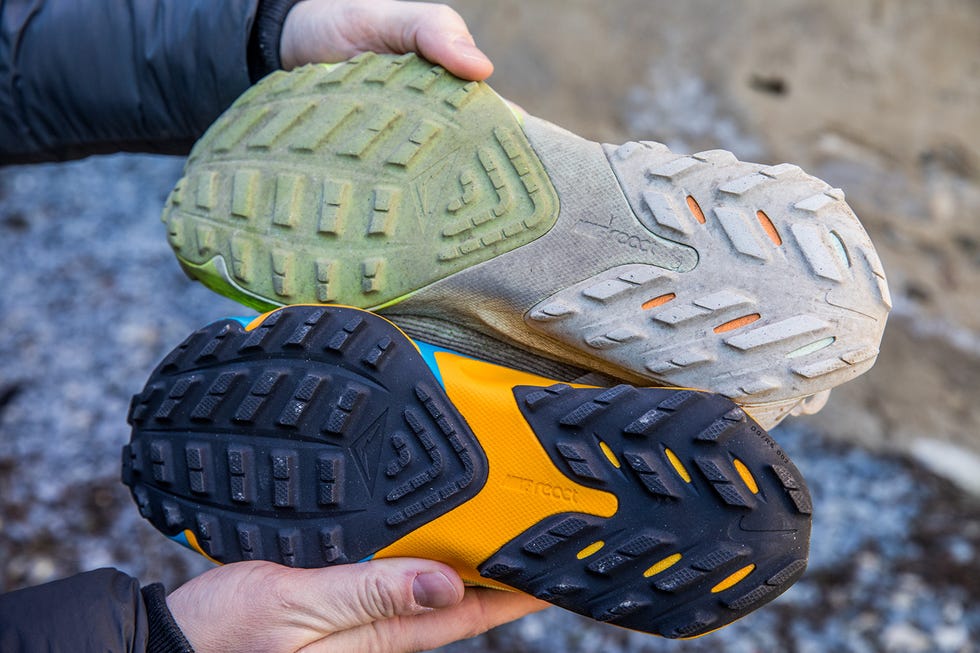
- Tread worn flat: Reduced grip is dangerous on wet rock.
- Midsole feels dead: Shoes feel shocky and offer less cushion.
- Pain or new hot spots: Changes in fit cause blisters and discomfort.
- Upper separation or big tears: Structural failure affects support.
- Heel slip or loose fit: Worn heel cup or crushed foam causes instability.
- Waterproofing fails: Persistent wet feet after treating the shoe.
I once hiked a long day with shoes that had lost midsole rebound. My knees ached for days. That taught me to swap shoes before pain begins. How long do hiking shoes last is useful to know, but watching these signs will keep you safe.

How to extend the life of hiking shoes — practical, simple steps
You can extend how long do hiking shoes last with easy habits. These are steps I use on every pair.
- Rotate pairs: Use two pairs and alternate weekly to let foam recover.
- Clean after hikes: Remove mud and grit that abrade materials.
- Dry properly: Air dry at room temp and stuff with paper. Avoid heaters.
- Reapply waterproofing: Treat leather or synthetics as needed.
- Replace insoles: Fresh insoles restore comfort and extend use.
- Resole when possible: Good outsoles replace worn rubber.
- Avoid the washing machine: Hand wash with mild soap only.
- Store cool and dry: Heat and sun break down glue and foam.
Small care routines add big life. I once got an extra year from a pair by rotating and resoling them. How long do hiking shoes last can double with smart care and simple repairs.

Resoling and repairs: when to fix vs when to replace
Resoling can change how long do hiking shoes last for quality footwear. Not all shoes are worth resoling. Consider these points.
- Sole condition: If the midsole is intact and upper is solid, resoling is often worth it.
- Cost: Resoling usually costs less than a new pair and can add a year or more.
- Construction: Stitched soles are easier to resole than fully glued models.
- Age of foam: If midsoles are crushed, resoling won’t fix comfort issues.
- Brand and model: Some brands offer factory resoling or special parts.
If you love the fit, check resoling. I have a pair that lasted six hiking seasons after a resoling job. Still, if the midsole is dead, buy new shoes. Knowing how long do hiking shoes last includes knowing when to invest in repairs.

Buying for longevity: what to look for if you want long-lasting shoes
Choose shoes with life in mind if you want to maximize how long do hiking shoes last. Look for these features.
- Durable outsole compounds and deep lugs for abrasion resistance.
- Strong upper materials: full-grain leather or reinforced synthetics.
- Stitched and glued construction for durability.
- Supportive heel counters and thicker midsoles for load carrying.
- Replaceable parts like insoles and laces.
- Good warranty and resoling options.
Try shoes on with the socks you hike in. Walk a store loop. If a pair fits perfectly, you’re more likely to use and care for them. How long do hiking shoes last begins with the right purchase.

Common mistakes and myths about how long do hiking shoes last
There are many myths that skew expectations. Here are the common ones and the truth.
- Myth: All leather shoes last longest. Truth: Leather is durable, but construction and care matter more.
- Myth: Higher price equals longer life. Truth: Price helps, but material and use are the real factors.
- Myth: You can judge life by days owned. Truth: Mileage and conditions matter, not calendar days.
- Myth: Waterproofing always lasts. Truth: Treatments wear off and need reapplication.
- Myth: Trail runners always wear out fast. Truth: They can last longer if rotated and cared for.
I once assumed an expensive pair would outlast cheaper boots. It didn’t. The cheaper pair lasted longer because I rotated and cleaned them. That taught me that how long do hiking shoes last depends on you, not price.
Related concepts: mileage tracking, rotation, and gear planning
Track how long do hiking shoes last with simple routines. Use miles, not months, for the best gauge.
- Keep a log of miles per pair. Note terrain and pack weight.
- Rotate shoes for different uses: training, day hikes, backpacking.
- Plan gear spend by expected lifespan and repairability.
- Pair footwear choice with insole support and socks to reduce wear.
I log miles in my phone after each hike. It helps me plan replacements before failure. That small habit saves money and prevents painful surprises.
Frequently Asked Questions of how long do hiking shoes last
How many miles should I expect from a hiking shoe?
Expect 300 to 800 miles depending on the type, build, and conditions. Light trail shoes and trail runners sit at the low end, while stout backpacking boots reach the high end.
Can resoling double how long my hiking shoes last?
Yes, resoling can add significant life if the midsole and upper are in good shape. It won’t help a crushed midsole, but it restores traction and sole integrity.
How do I know if the midsole is worn out?
If your shoes feel flat, lack rebound, or cause new aches, the midsole is likely compressed. Reduced cushioning and increased impact pain are key signs.
Does waterproofing affect shoe lifespan?
Waterproofing itself doesn’t shorten lifespan, but wet and soggy conditions will break down materials faster. Reapplying treatments and drying shoes can help them last longer.
Should I rotate hiking shoes to extend their life?
Yes. Rotating lets foam recover and reduces continuous wear. That simple habit often extends how long do hiking shoes last by months or more.
Conclusion
How long do hiking shoes last comes down to miles, terrain, build, and care. Watch tread wear, midsole feel, and fit changes. Rotate shoes, clean them, and repair when possible to squeeze extra life from each pair. Start logging miles and inspect shoes often to avoid surprises on the trail.
Take action today: check your current pair, note miles, and set a replacement or repair plan. Share your experiences below or subscribe for more gear tips and real-world hiking advice.

Madison Clark is a footwear expert and the voice behind MyStyleGrid.com. She specializes in honest shoe reviews, style tips, and practical guides to help readers find the perfect pair for any occasion. With years of experience in blogging and content creation, Madison makes footwear knowledge simple, stylish, and easy to follow.