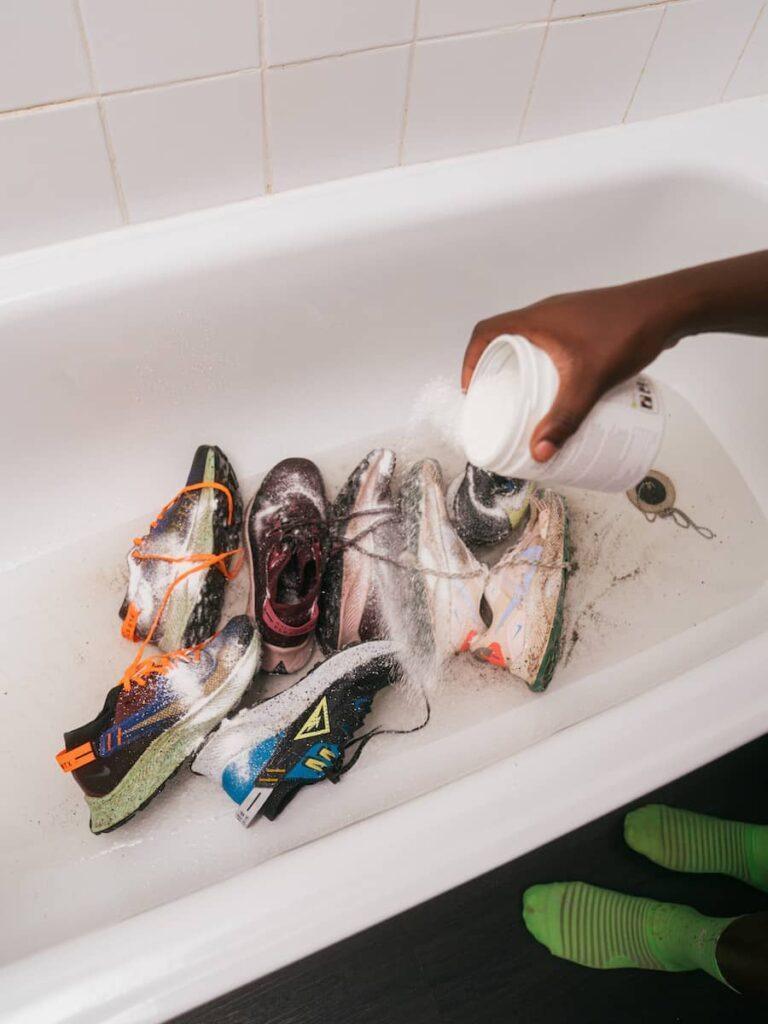
Use disinfectant sprays, antifungal powder, and high heat or sunlight to kill shoe fungus.
I’ve spent years helping people clear persistent athlete’s foot and treating the shoes that hide the fungus. This guide walks you through exactly how to get rid of athlete's foot in shoes with clear, tested steps, smart prevention tips, and simple fixes you can use today.
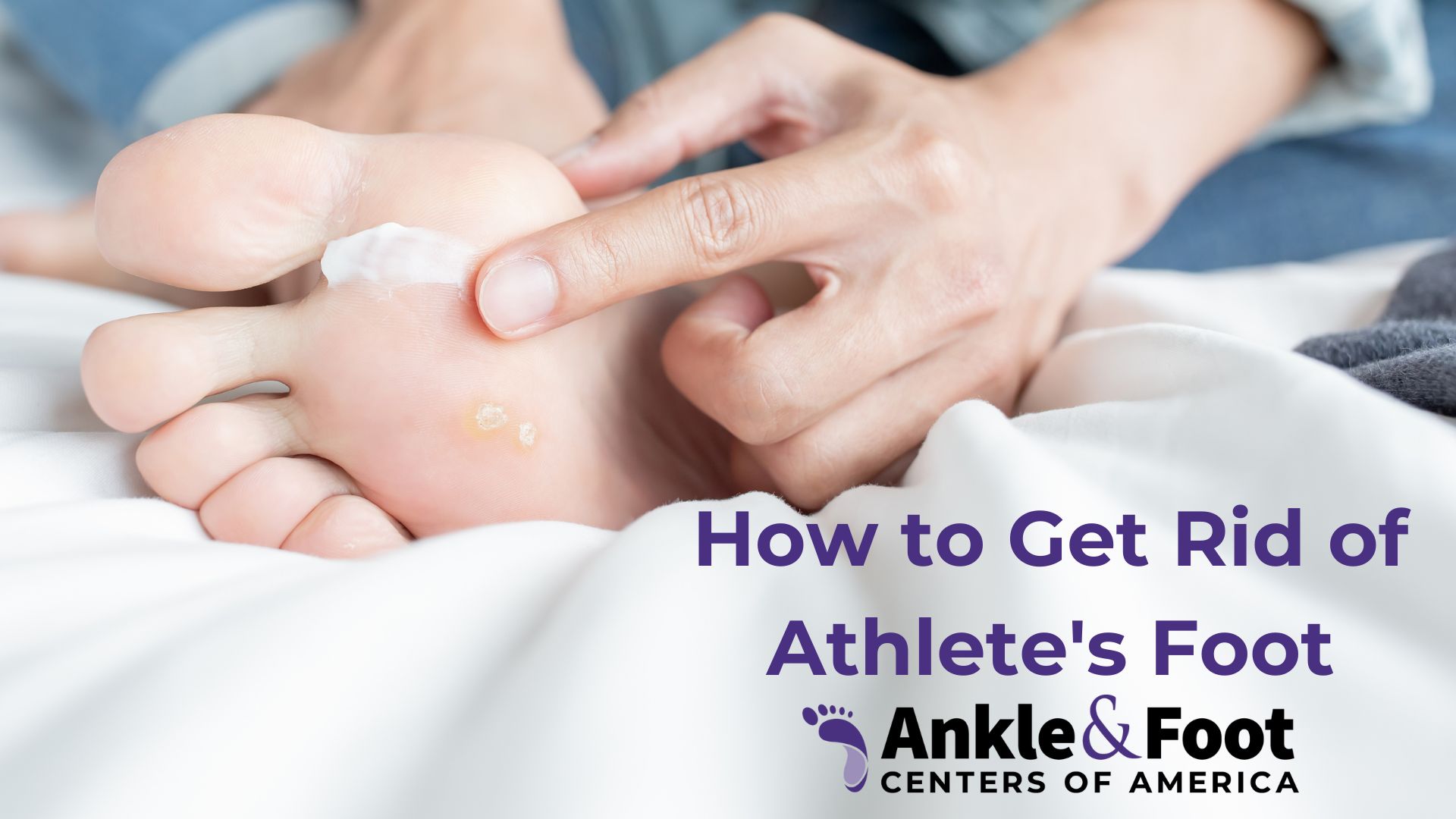
Why shoes harbor athlete’s foot fungus
Shoes create a warm, dark, and damp place that fungus loves.
Sweat, dead skin, and tight fit let fungal spores settle into linings and insoles.
Poor drying or repeated wear spreads the fungus between feet and shoes.
Understanding this helps you target the shoe environment when learning how to get rid of athlete's foot in shoes.
:max_bytes(150000):strip_icc()/prevent-spread-of-athletes-foot-2146303_FINAL-5bb51cf546e0fb0026688474.png)
How to get rid of athlete's foot in shoes — step-by-step
Follow these steps every time you treat infected feet and shoes.
-
Remove insoles and laces
- Take out removable insoles and wash them separately.
- Replace cloth laces or wash them in hot water.
-
Clean visible grime first
- Brush out dirt and flaky skin with a soft brush.
- Wipe interiors with a damp cloth and mild soap.
-
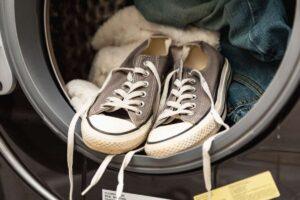
Use heat to kill spores when safe
- Machine wash washable shoes and insoles at 60°C (140°F) if the label allows.
- Tumble dry on high for 30 minutes or use a heated shoe dryer.
- Heat reliably reduces fungus when used correctly.
-
Apply an antifungal spray or powder
- Spray the entire interior and let dry fully.
- Dust antifungal powder into shoes and on insoles to absorb moisture.
- Repeat daily for a week, then weekly to prevent return.
-
Use alcohol or vinegar for non-washable shoes
- Lightly spray 70% isopropyl alcohol and allow to air out.
- A 1:1 vinegar-water spray can reduce fungal growth; rinse and dry after use.
-
Consider UV or ozone sanitizers for shoes
- UV shoe sanitizers can reduce spores on surfaces.
- Ozone or specialized sanitizers are effective for sealed interiors.
-
Replace or deep clean insoles and detachable liners
- When in doubt, replace insoles after a severe infection.
- Leather insoles may require professional cleaning.
-
Disinfect socks and rotating schedule
- Wash socks in hot water and dry on high heat.
- Rotate shoes so each pair has 48+ hours to dry between wears.
These actions explain how to get rid of athlete's foot in shoes by removing spores, drying, and preventing re-colonization.
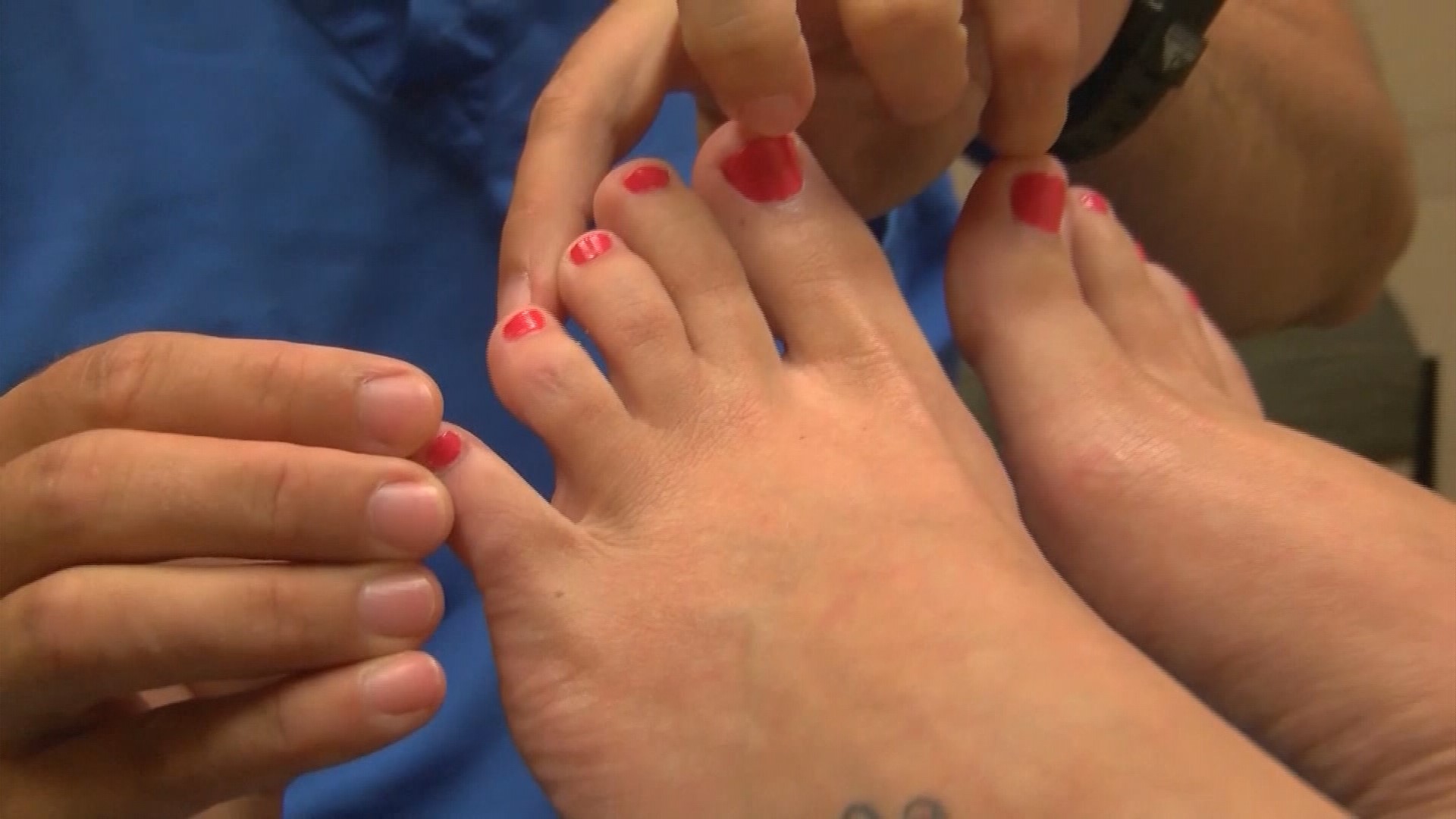
Home remedies vs commercial disinfectants
What works and when to use it.
-
Home remedies that help
- Baking soda soaks odor and helps dry shoes.
- Tea tree oil has mild antifungal properties but is not a cure alone.
-
Commercial options that work well
- Antifungal sprays with active ingredients kill surface spores.
- Shoe-drying machines and UV devices reduce fungus reliably.
-
What to avoid
- Microwaving shoes can cause fire or melt materials.
- Freezing alone may not reliably kill all spores.
Combine home and commercial measures for best results when learning how to get rid of athlete's foot in shoes.
Prevention: stop fungus from coming back
Small habits keep shoes clean and feet healthy.
- Rotate shoes so each pair dries 48–72 hours between uses.
- Wear moisture-wicking socks and change them daily or when damp.
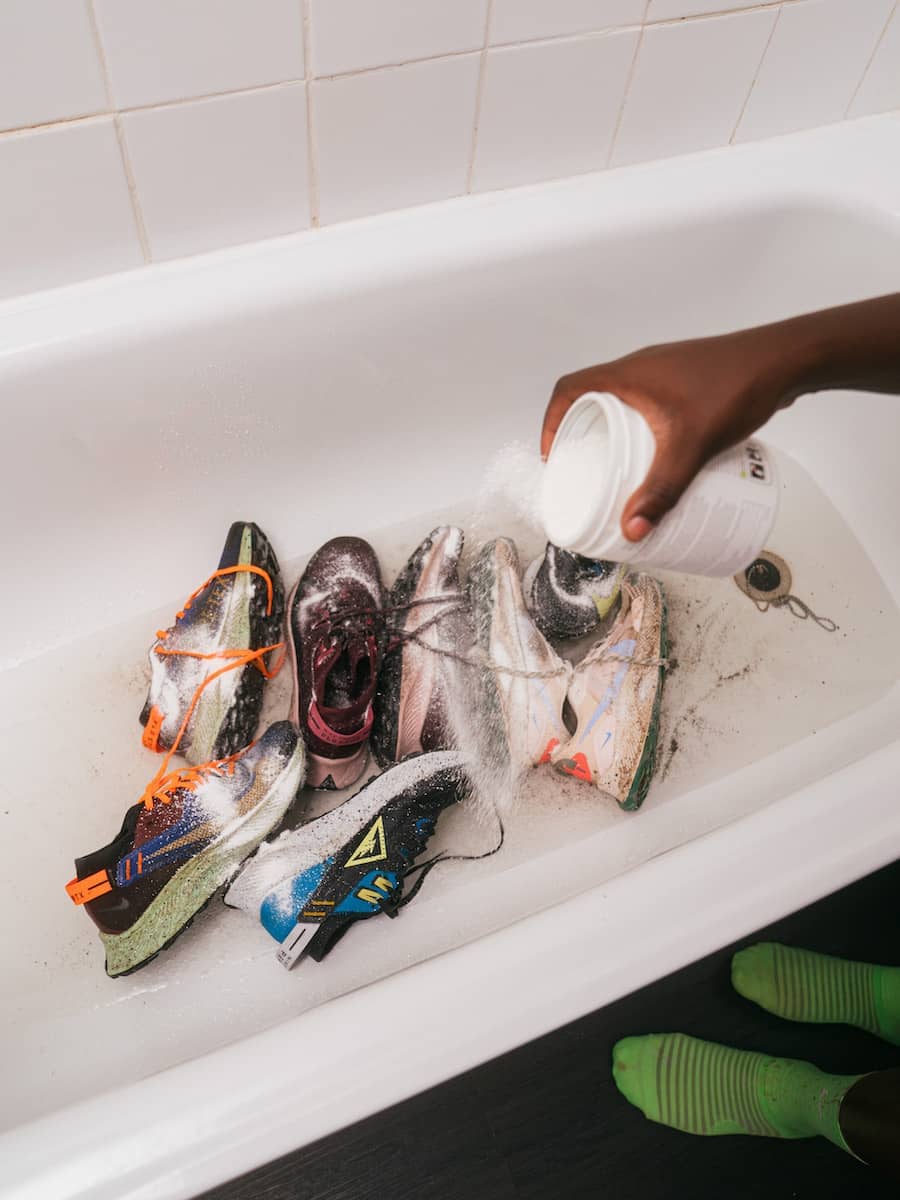
- Use antifungal powder or spray regularly in high-risk seasons.
- Let shoes dry in sunlight when possible.
- Avoid walking barefoot in locker rooms and public showers.
These steps make it much easier to prevent reinfection and control how to get rid of athlete's foot in shoes long term.

My experience: what I tried and lessons learned
I once treated a family where shoes kept re-infecting the feet. We cleaned shoes, replaced insoles, and added a rotation plan. The infection cleared after two weeks and never returned when they kept weekly powders and a shoe dryer.
Lesson learned: treating feet without treating shoes is often the reason athlete’s foot comes back. That’s why I always include shoe steps when I explain how to get rid of athlete's foot in shoes.

When to see a doctor
Seek medical care if symptoms persist or worsen after two weeks of home care.
See a clinician for severe redness, swelling, or if you have diabetes or poor circulation.
A doctor can prescribe stronger topical or oral antifungals and advise on shoe sanitation.
Frequently Asked Questions of how to get rid of athlete's foot in shoes
Can spraying shoes with alcohol kill athlete’s foot fungus?
Yes. A 70% isopropyl alcohol spray can reduce surface spores when applied thoroughly and allowed to dry. Repeat treatment and combine with drying for best results.
Is it safe to wash shoes in hot water to kill fungus?
Washable shoes and insoles at 60°C (140°F) can reduce fungal spores. Check shoe labels to avoid damage and use a hot dryer when possible.
Will changing socks stop the fungus from returning to shoes?
Changing to clean, dry socks reduces the transfer of spores and moisture to shoes. Pair sock changes with regular shoe drying to prevent recurrence.
Can tea tree oil replace antifungal sprays for shoes?
Tea tree oil has some antifungal activity but is less reliable than proven antifungal sprays. Use it as a complementary measure, not as the only treatment.
How long before shoes are safe after treatment?
With heat, spraying, and drying, shoes can be safe within 24–48 hours. For best results, rotate shoes and treat them daily for a week after clearing foot infections.
Conclusion
Treating shoes is as important as treating your feet. Clean, dry, and disinfect shoes, rotate pairs, and use antifungal sprays or powders to stop spores from coming back. Start today by cleaning one pair, replacing or treating insoles, and setting a drying routine. Try these steps for two weeks and share your results or questions below to learn more.
Madison Clark is a footwear expert and the voice behind MyStyleGrid.com. She specializes in honest shoe reviews, style tips, and practical guides to help readers find the perfect pair for any occasion. With years of experience in blogging and content creation, Madison makes footwear knowledge simple, stylish, and easy to follow.